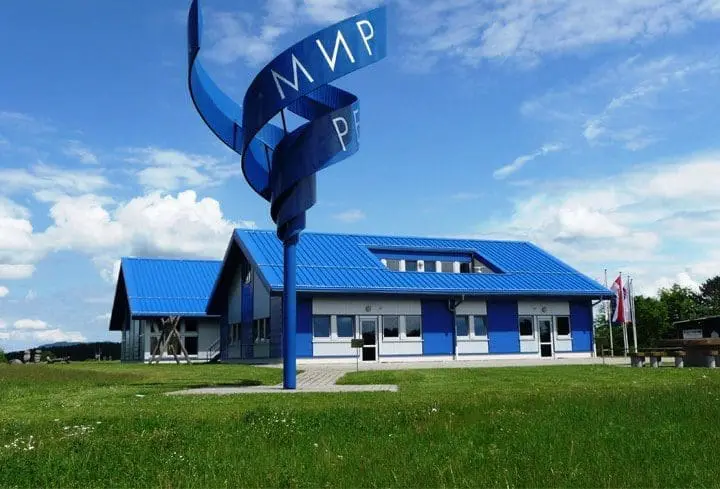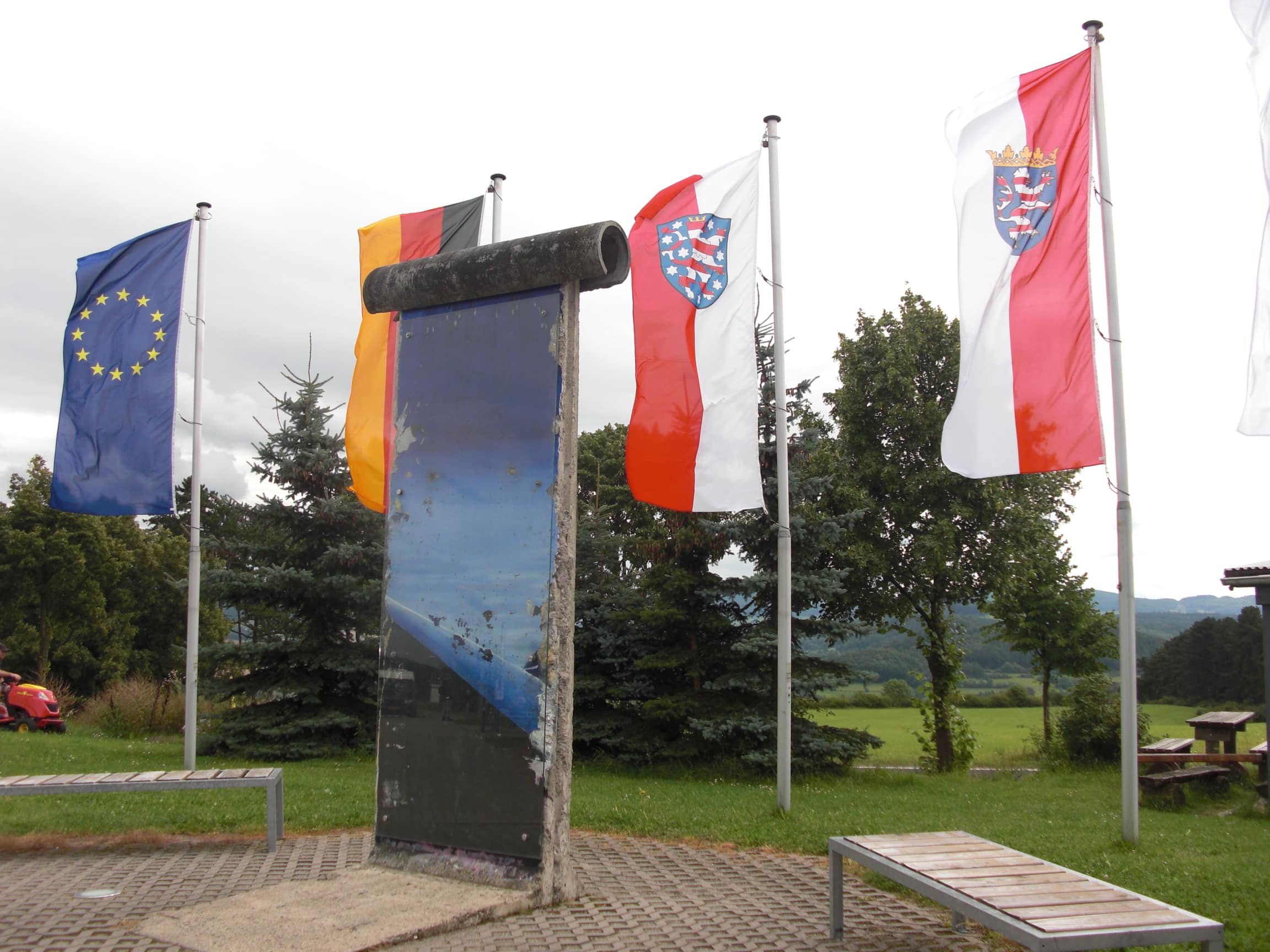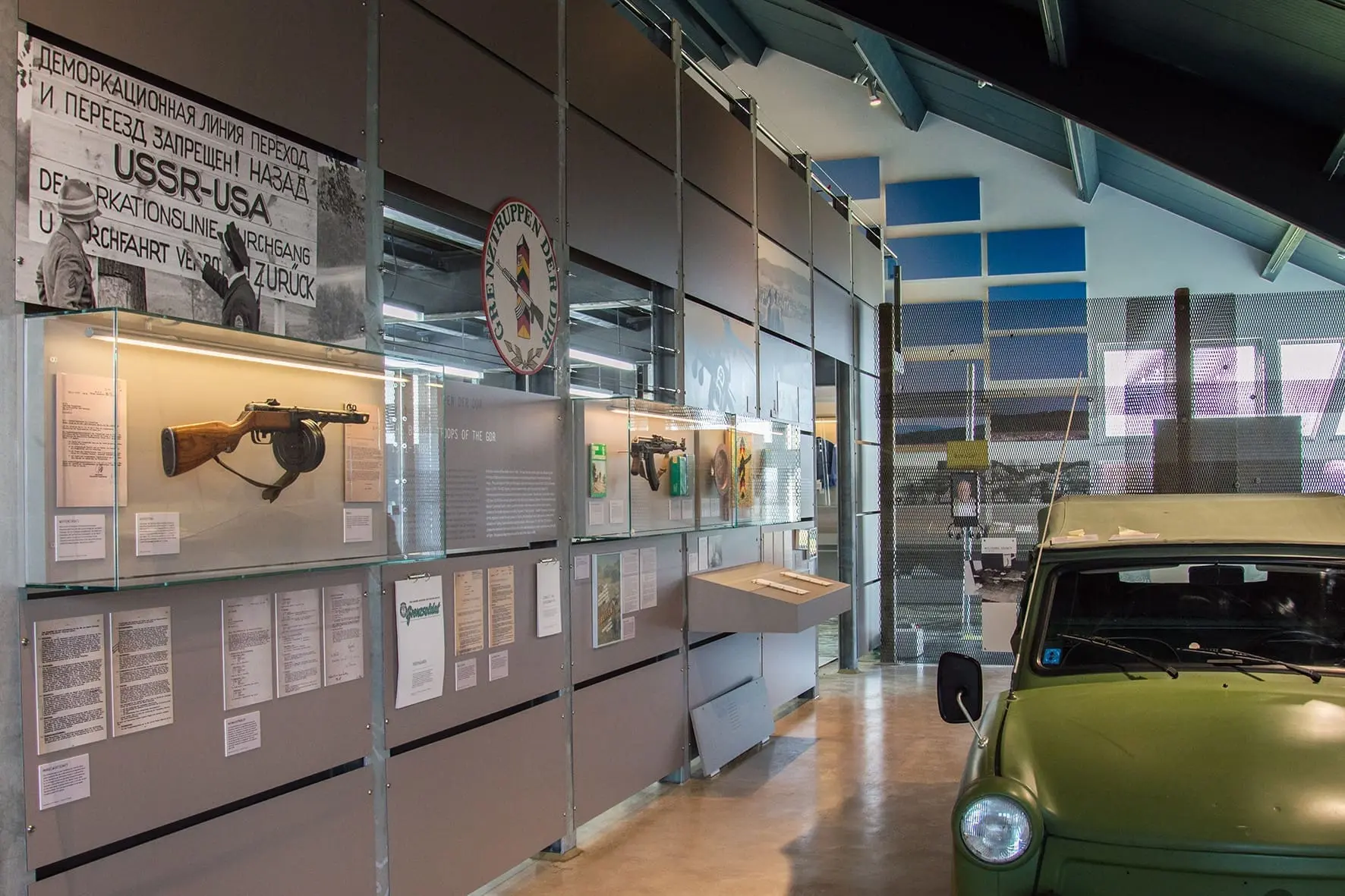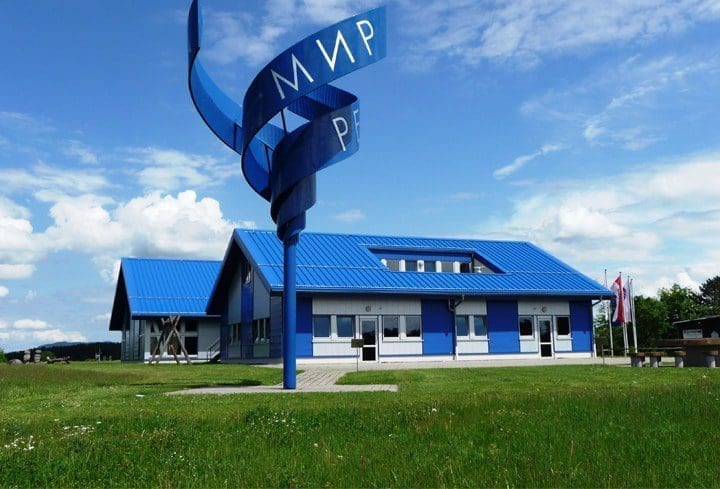



House on the Border Exhibits displaying the border during the Cold War, the Green Belt, the Biosphere Reserve, and “Freedoms!” are housed here.
Haus auf der Grenze – House on The Border
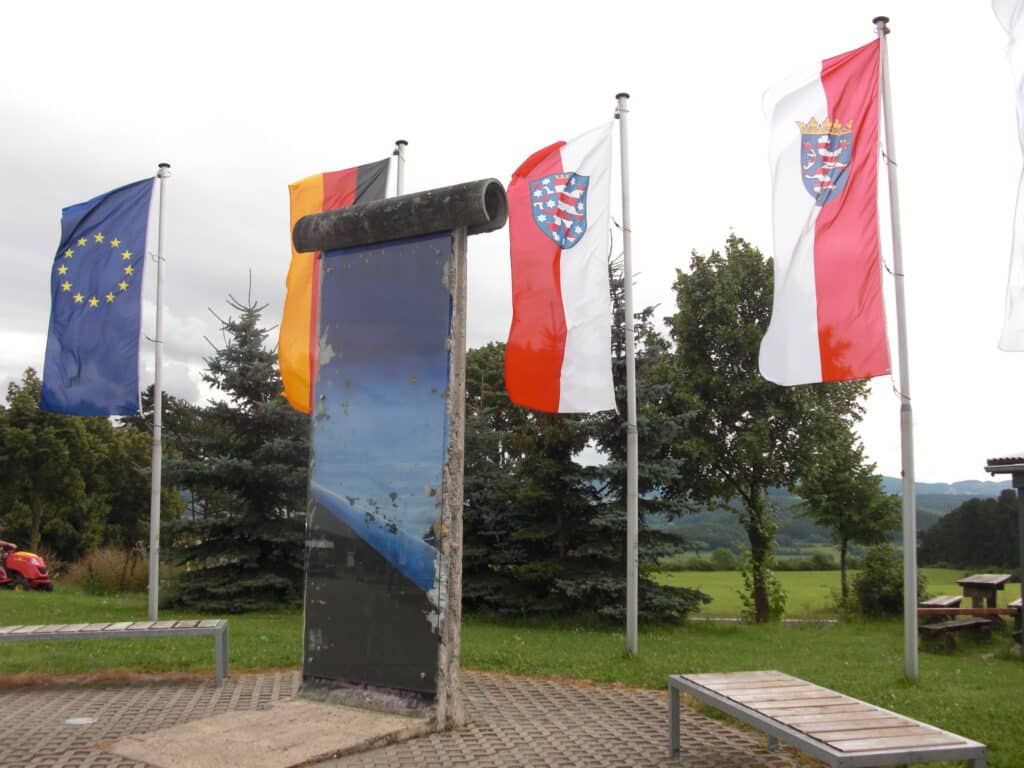
The House on the Border is in itself a piece of German-German success story. After committed citizens on both sides of the former border prevented the demolition of the U.S. Observation Post Point Alpha in the early 1990s, more and more visitors have come to the site. The desire to also provide information about the GDR’s border regime at this unique site of bloc confrontation was great – as was the need to portray the lives and suffering of the population on the former border but for this purpose the U.S. Camp was unsuitable. In order to be able to show a realistic and balanced representation of the conditions on the eastern side of the inner-German border, one that would also be comprehensible for later generations, the House on the Border was built. The two sponsoring associations from both sides of the former border, Hessian and Thuringian had successfully campaigned for the new building, which was constructed in 2003 and now stands directly on the former patrol road. Therefore, between the American observation post on the Hessian side and the Thuringian “House on the Border,” visitors will be able to take an impressive tour of the memorial’s entire 100,000-square-meter grounds which depict the historical development of the inner-German border in its global political dimension. The exhibitions in the House on the Border take up the themes “The State Border of the GDR in the Cold War”, “Freedoms!” and “From Death Strip to Lifeline.” Additionally, space for temporary and traveling exhibitions is provided.
Exhibition "Die Staatsgrenze der DDR im Kalten Krieg - The State Border of the GDR in the Cold War)"
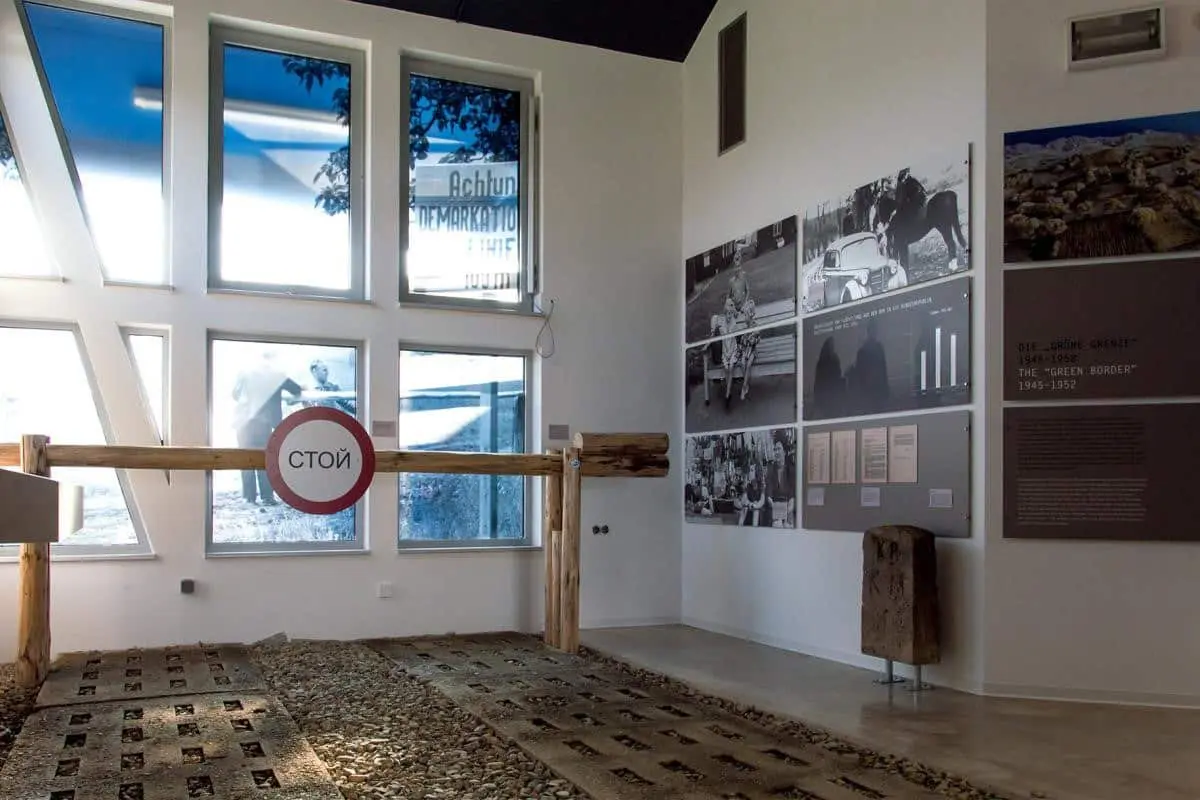
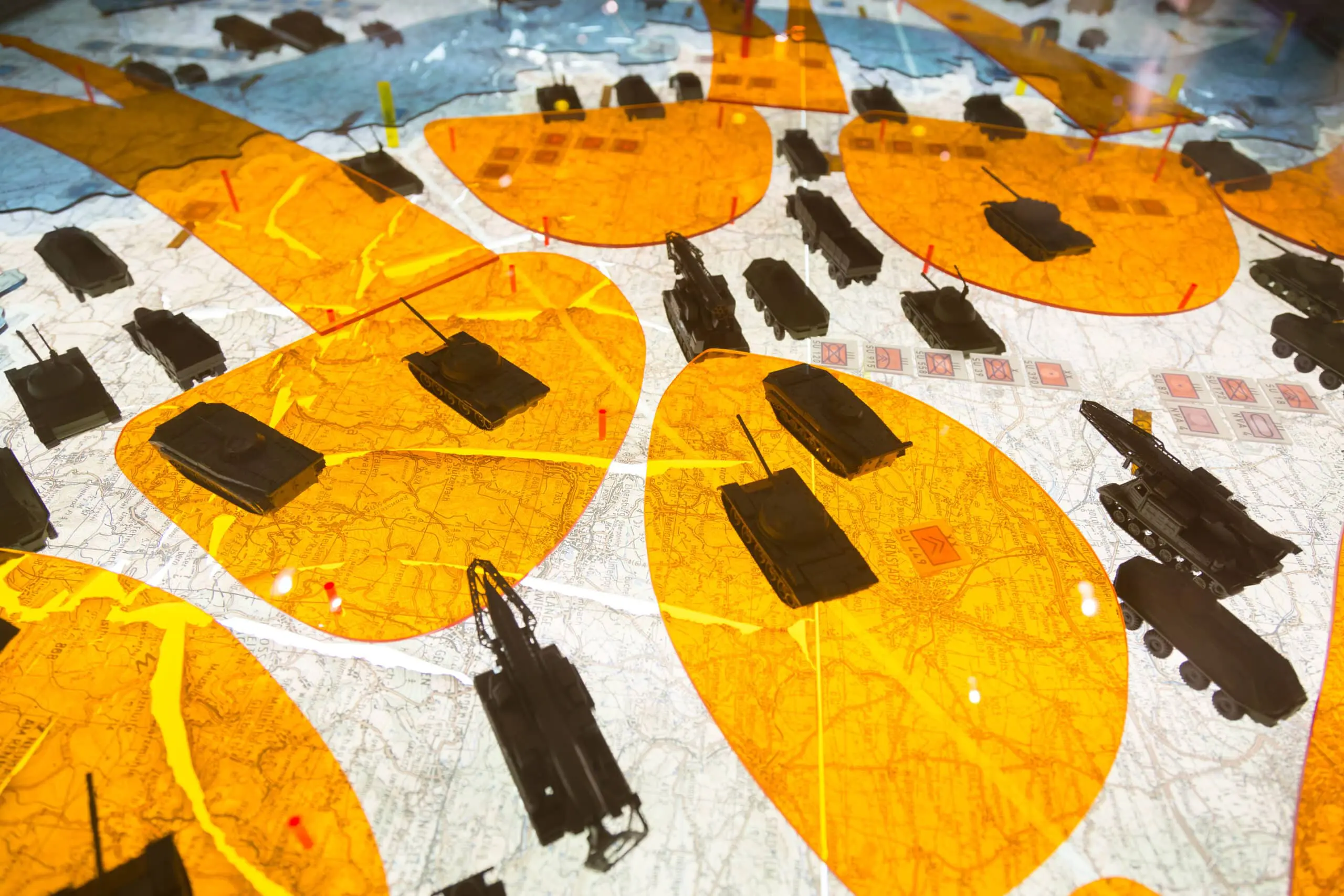
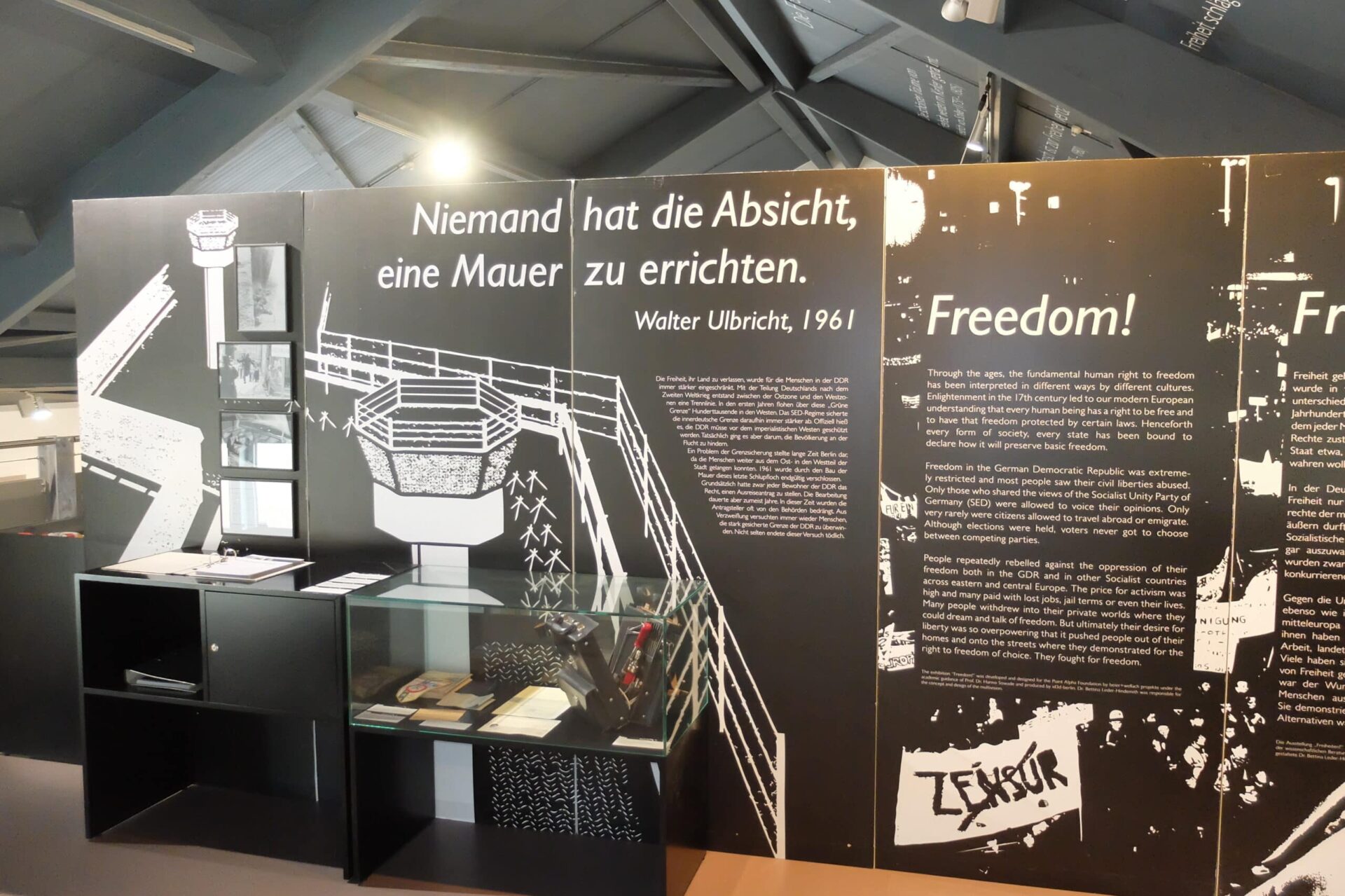
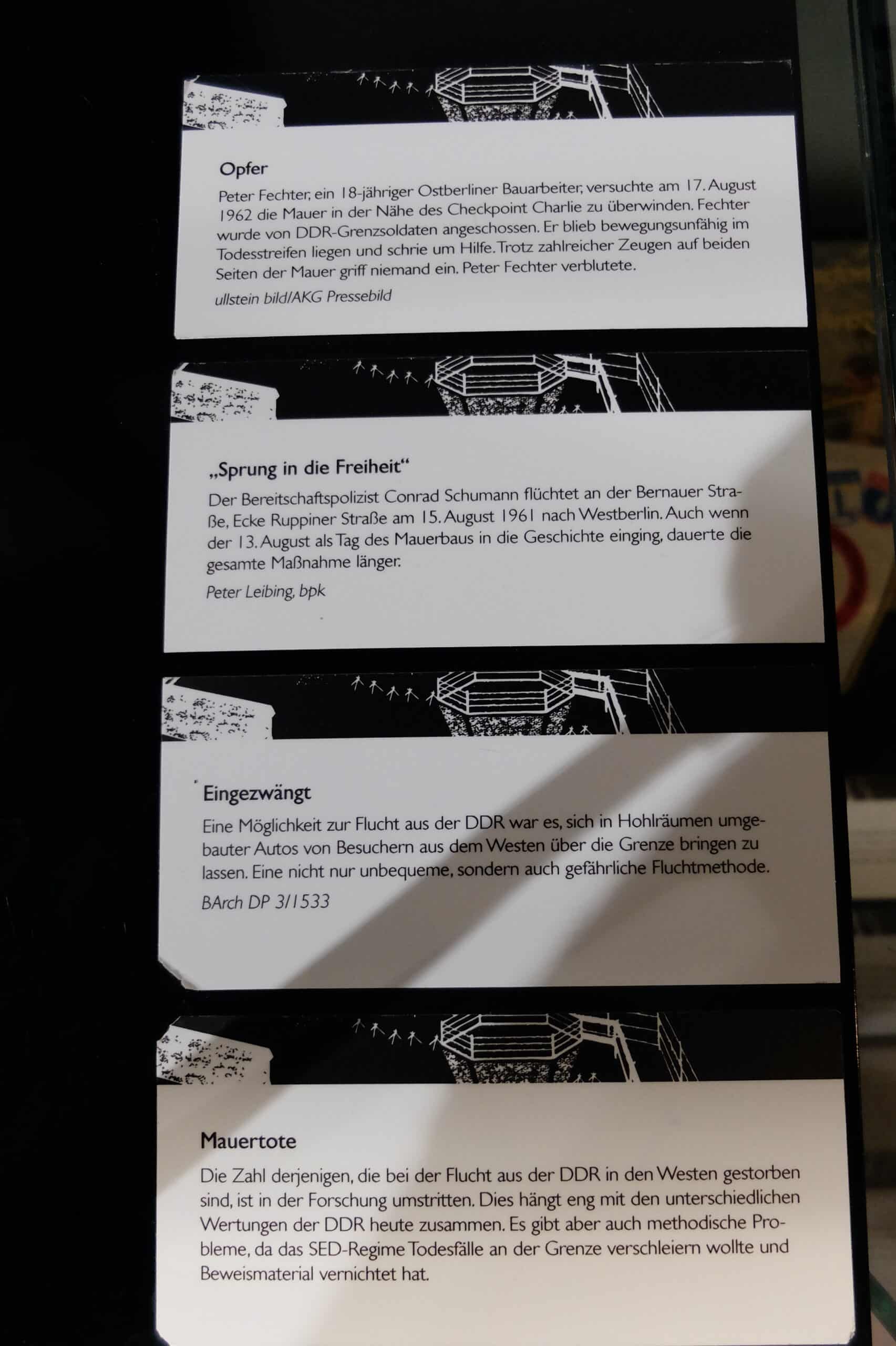
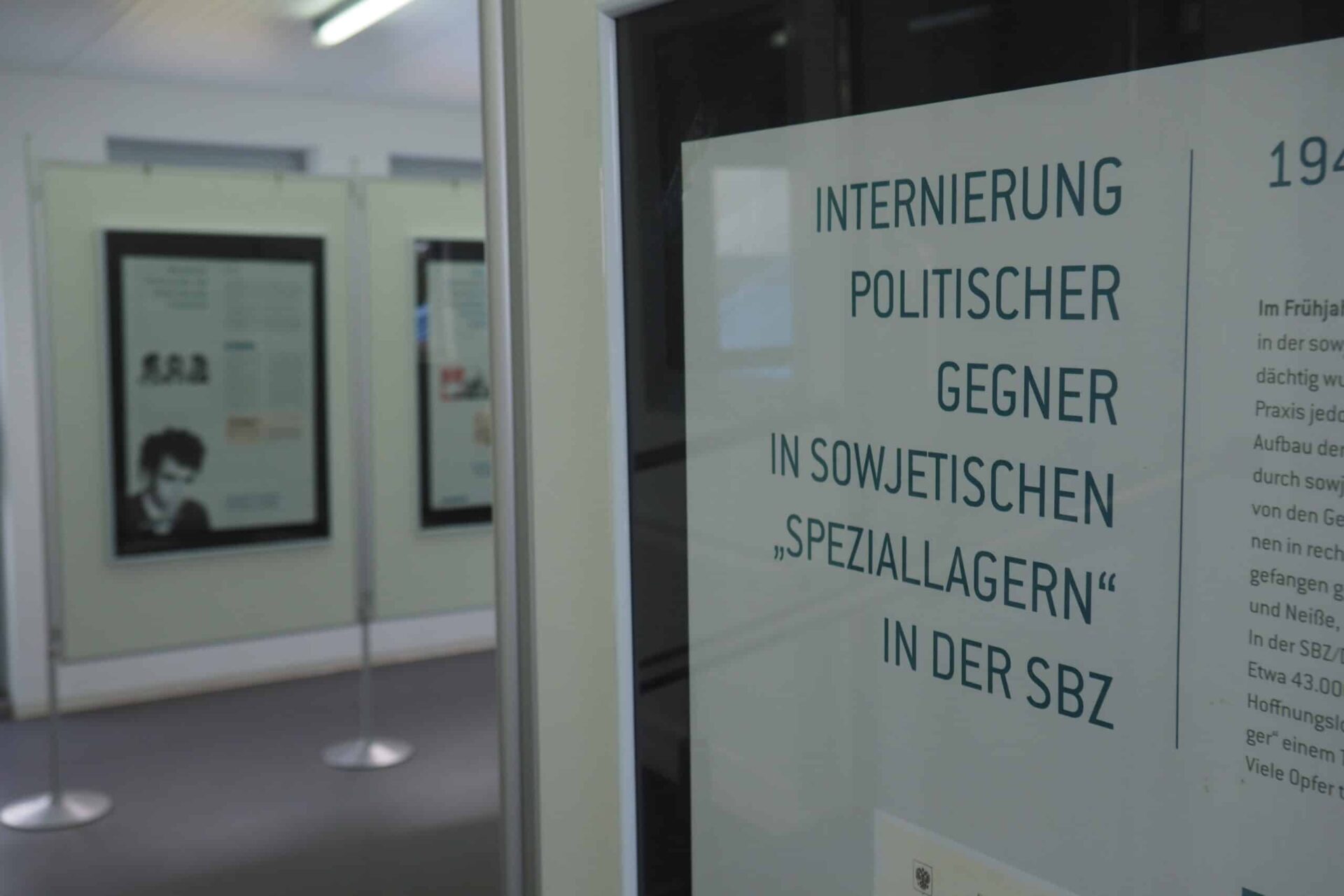
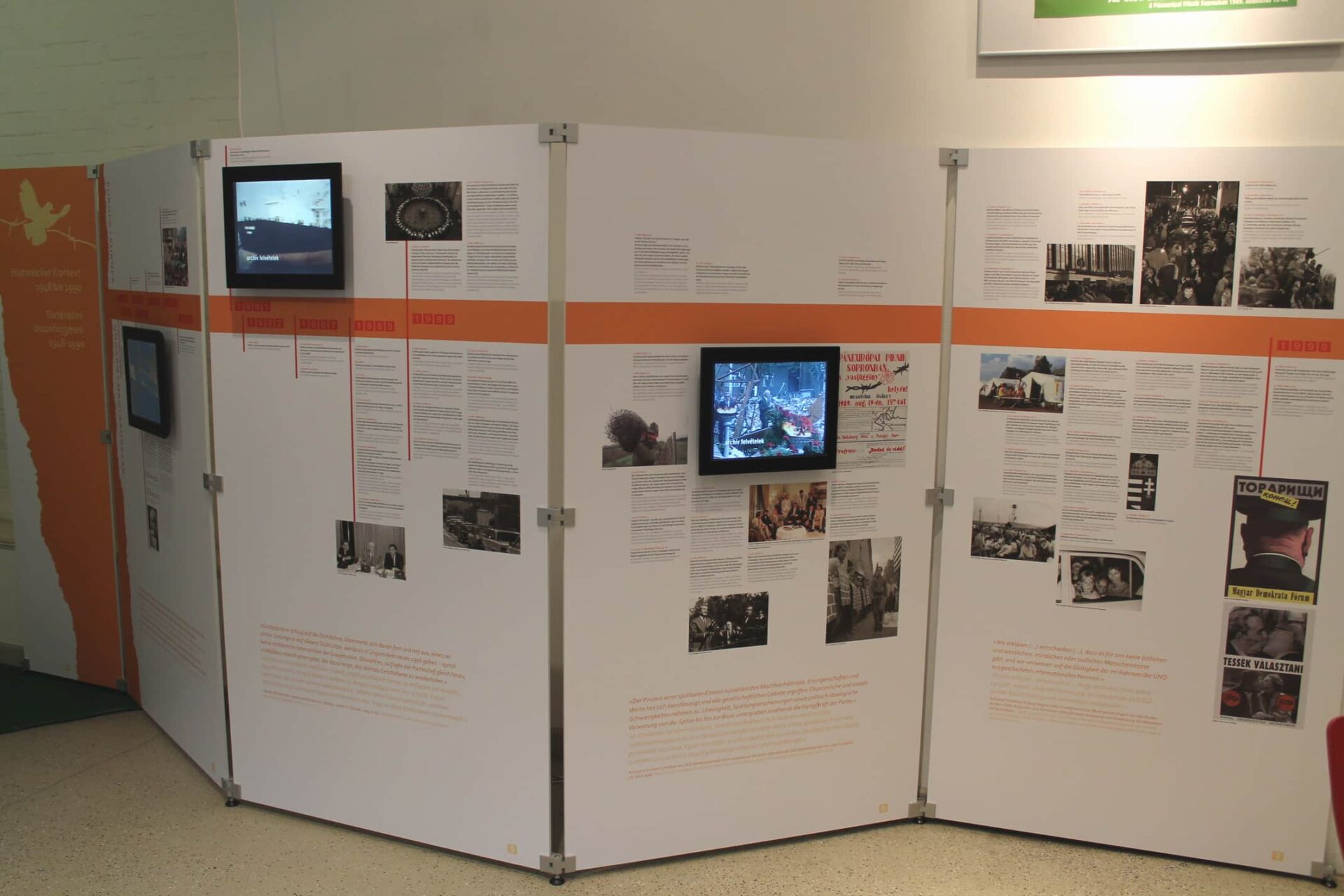
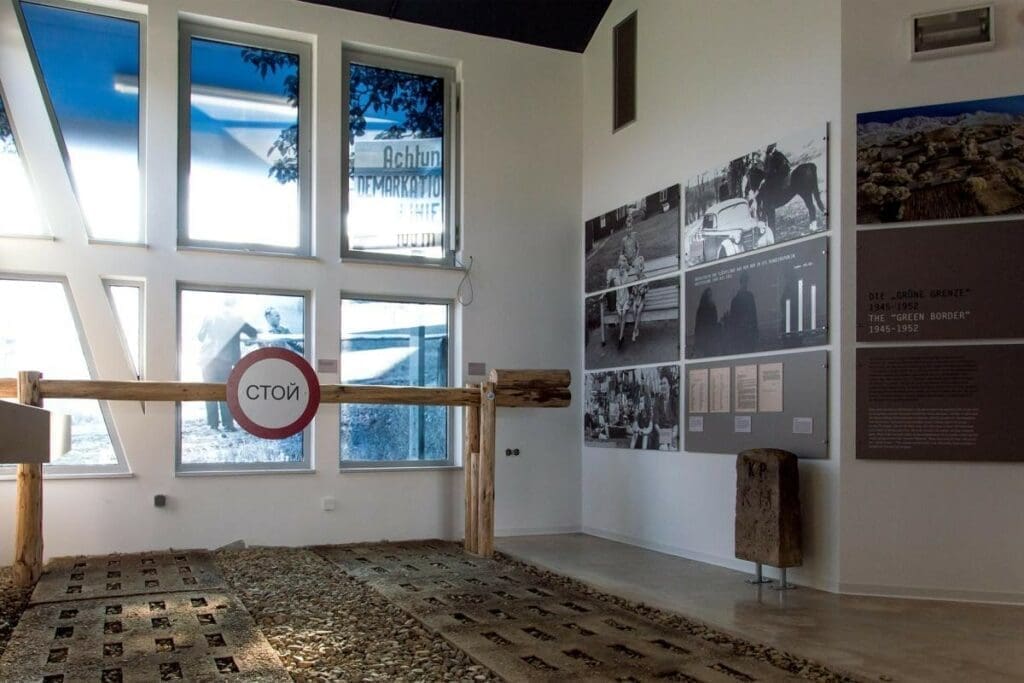
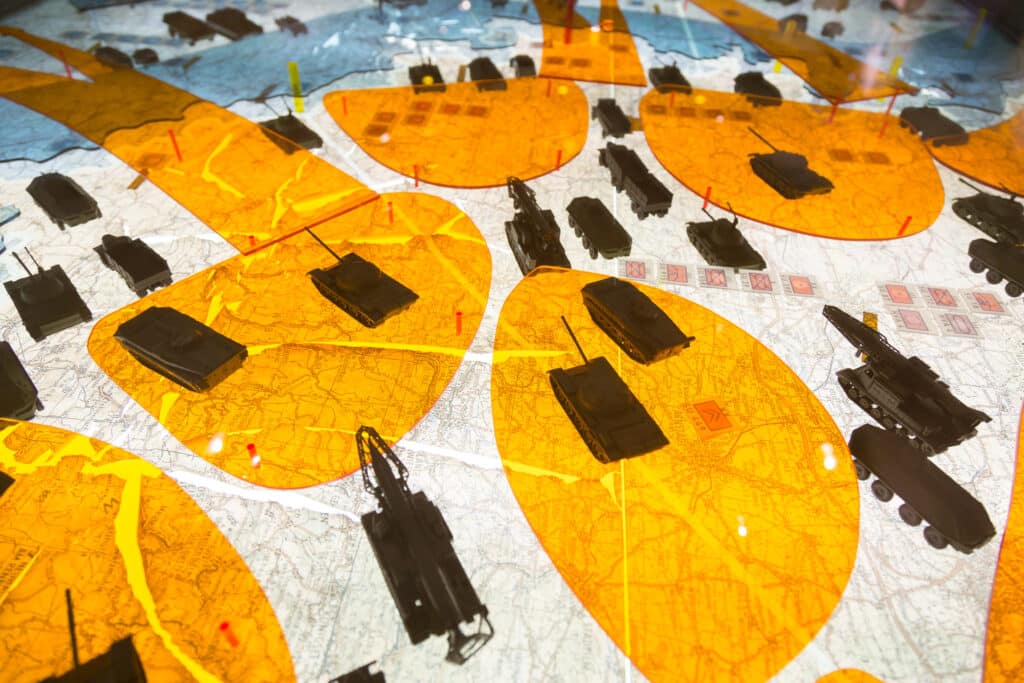
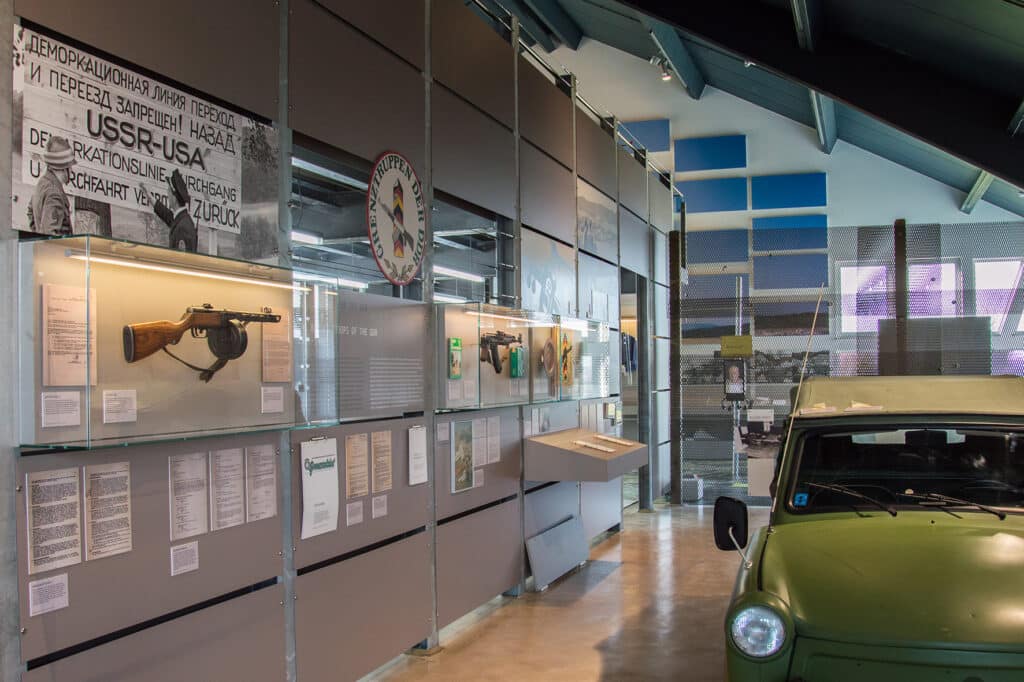
This permanent exhibition ” Die Staatsgrenze der DDR im Kalten Krieg ” illuminates the history of German division against the background of the Cold War and the global confrontation of the military blocs in the center of Europe, as well as life on and with the border in the area around Geisa and Rasdorf. The exhibition particularly invites young visitors to engage in in-depth reflection as well discussions. The modern multimedia concept enables the effective presentation of a multitude of contemporary testimonies, exclusive interviews with contemporary witnesses and the presentation of historical facts. In this way, the exhibition in the authentic environment of the memorial site serves equally as a unique place of learning and a living archive of the regional history.
Exhibition Focuses on Several Key Themes
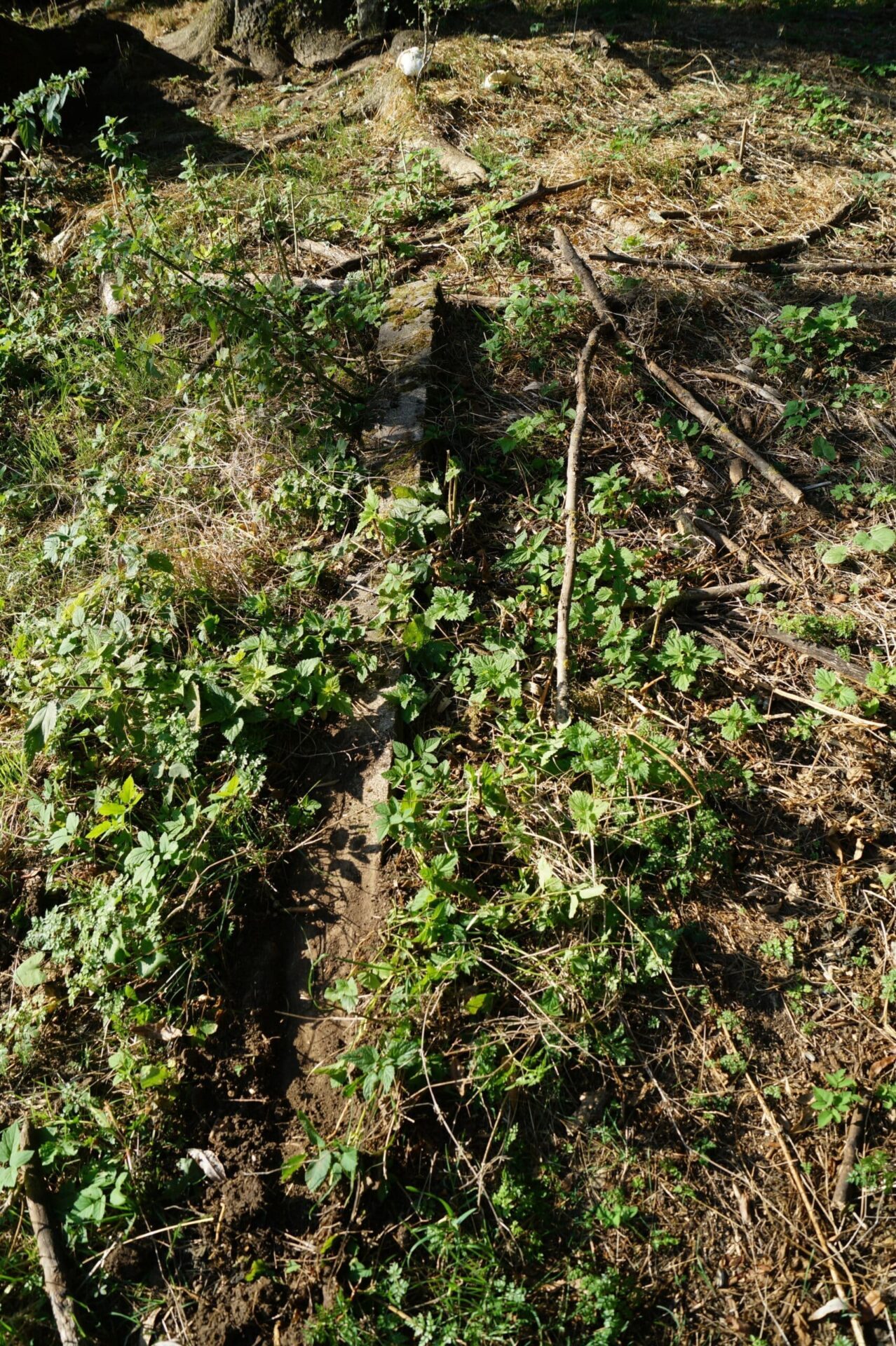
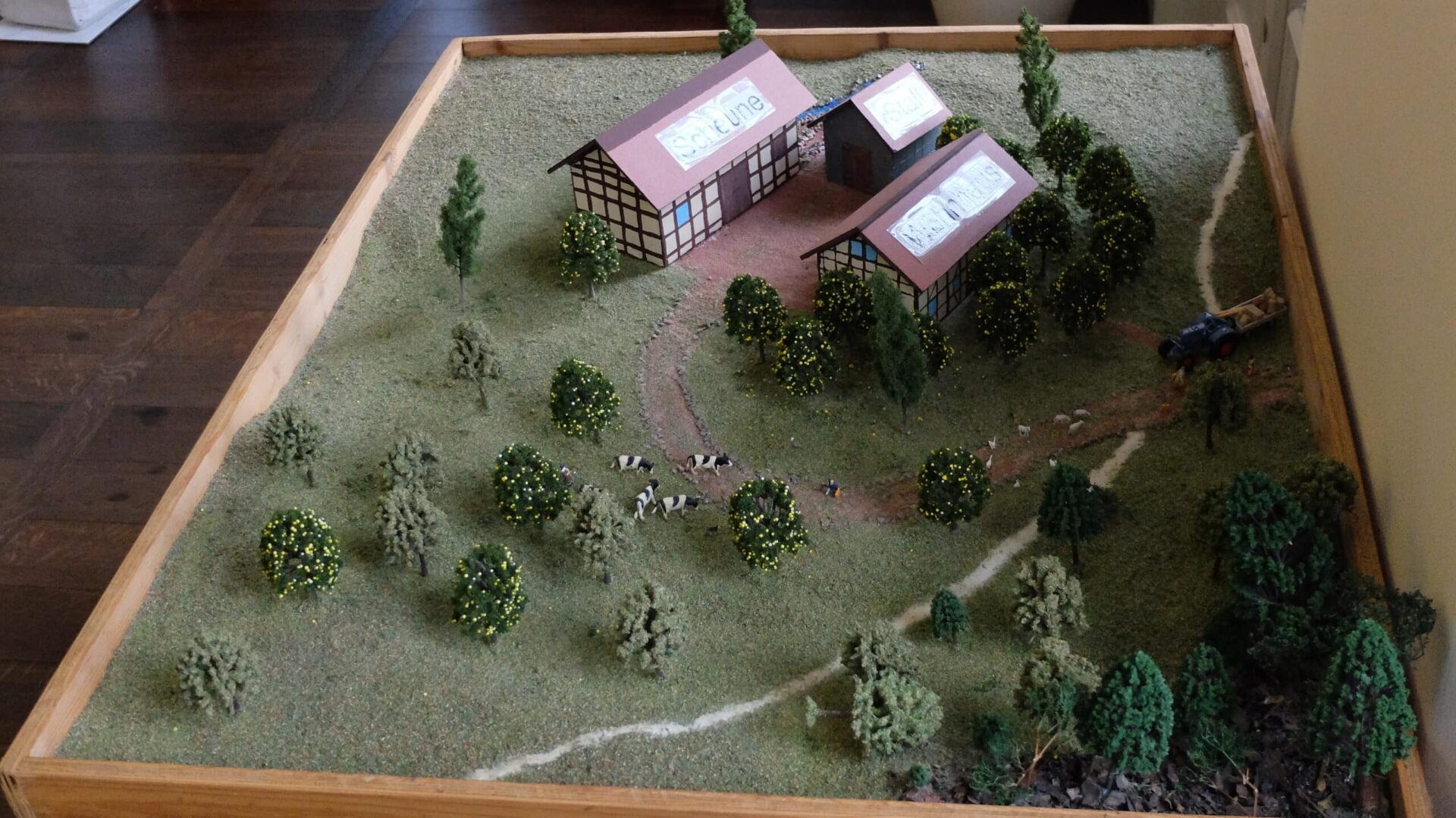
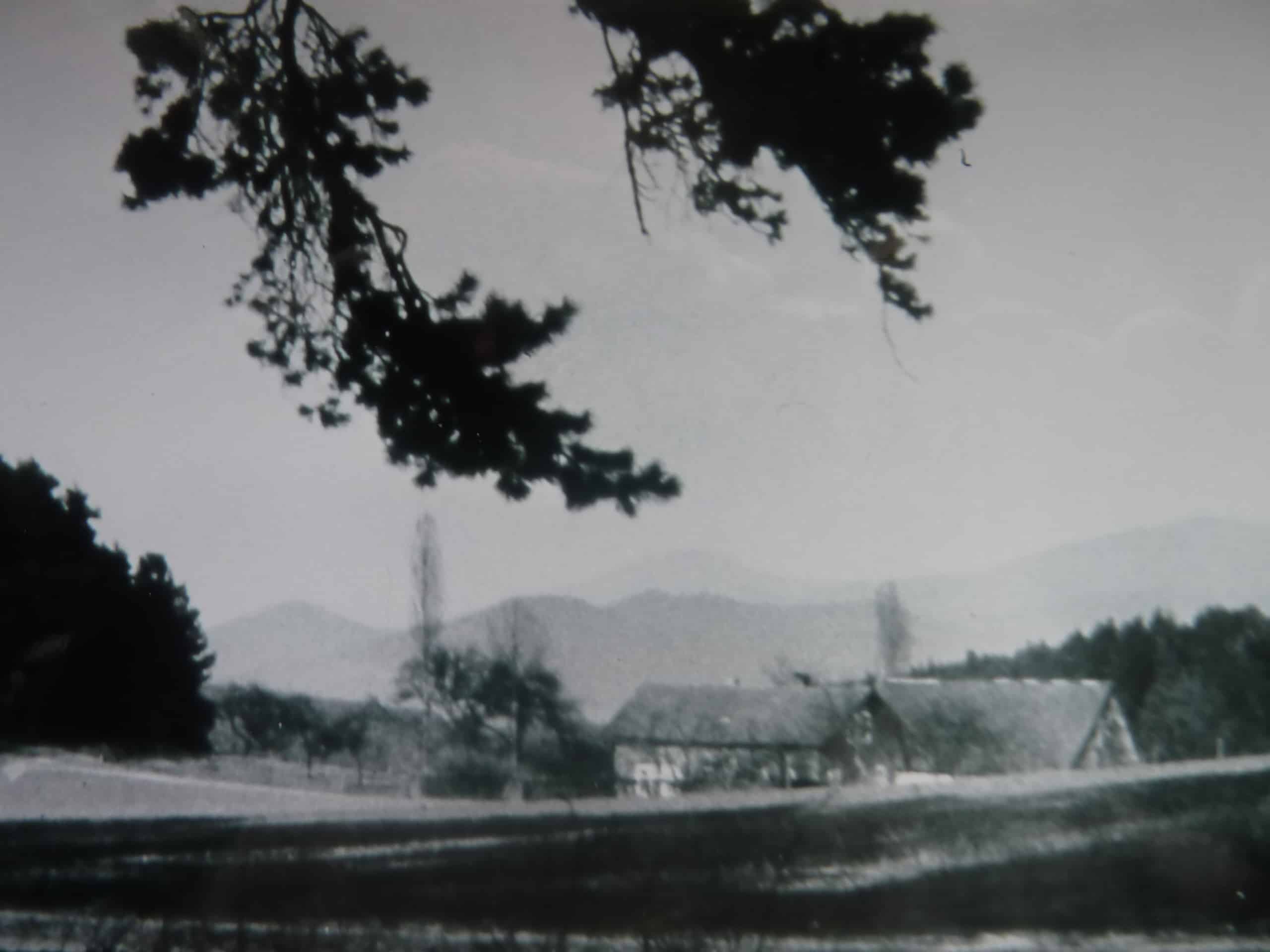
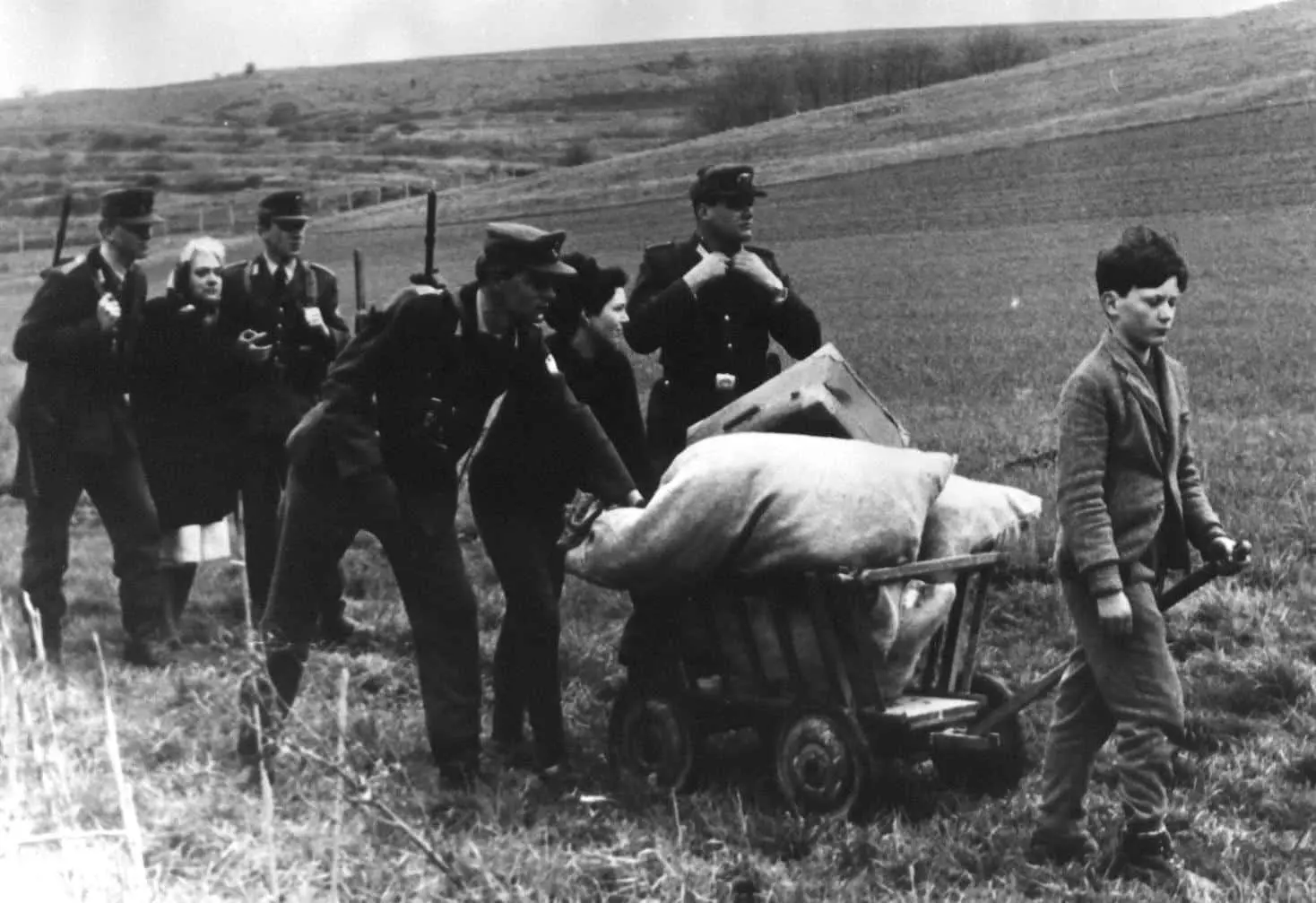
Forced Resettlement and Destroyed Homesteads
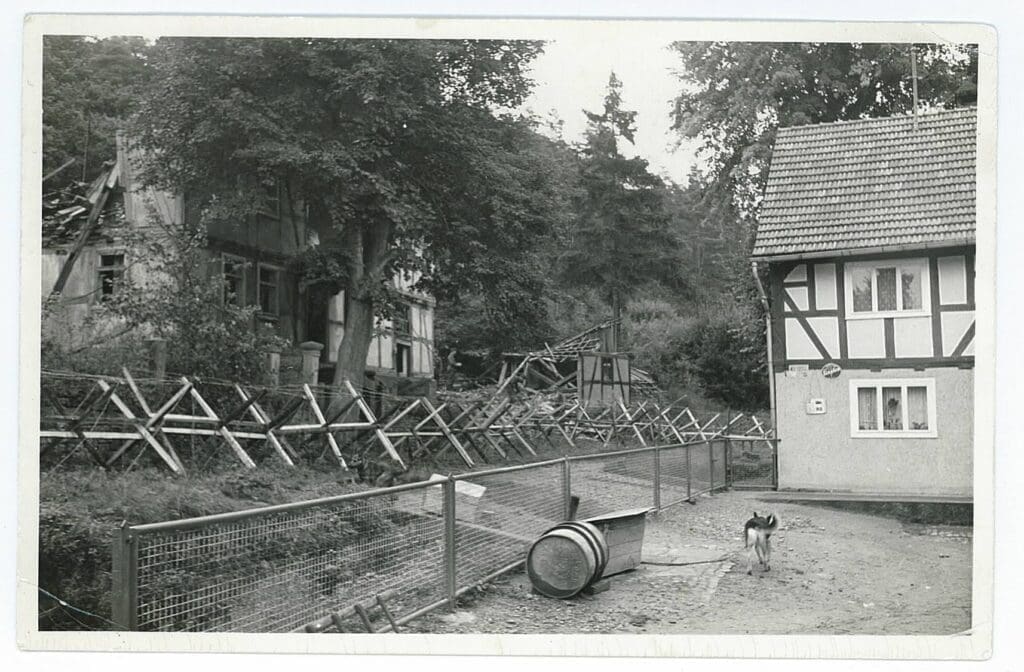
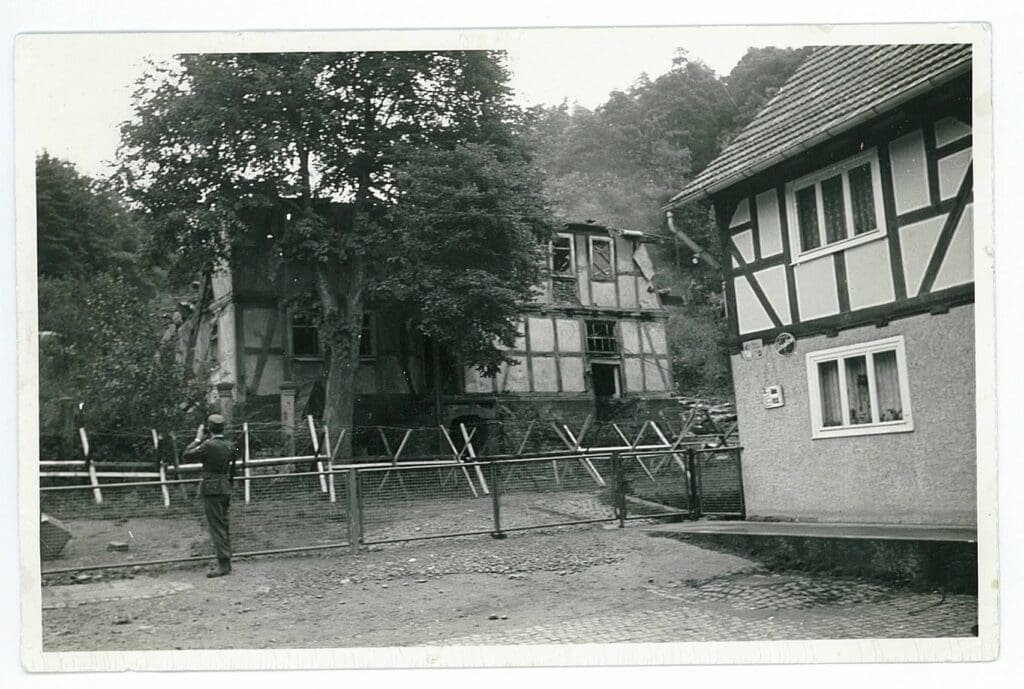
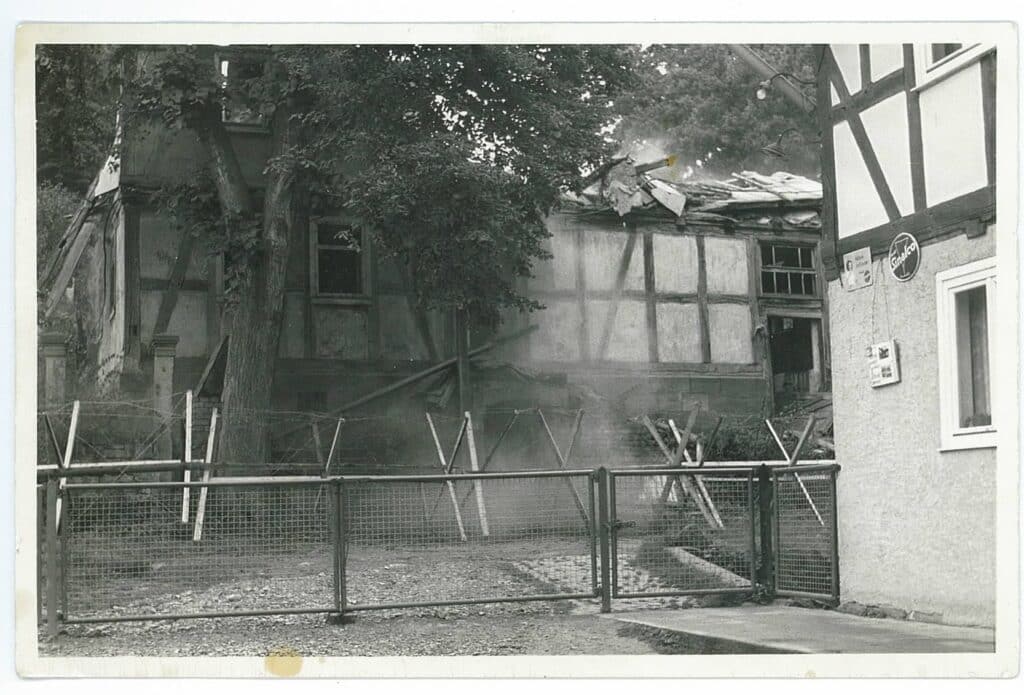
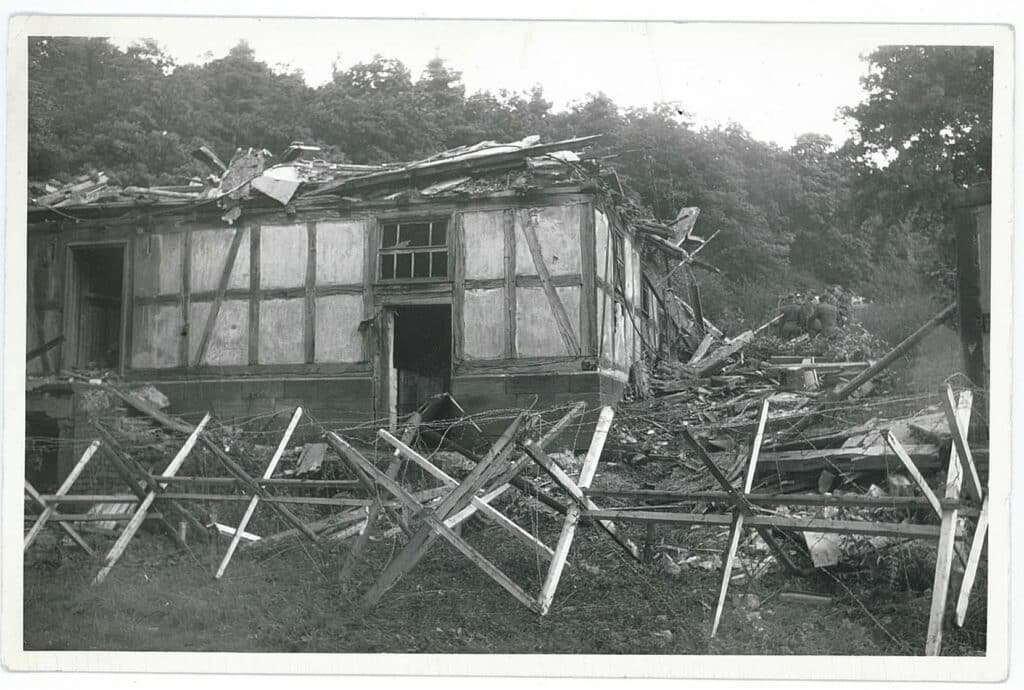
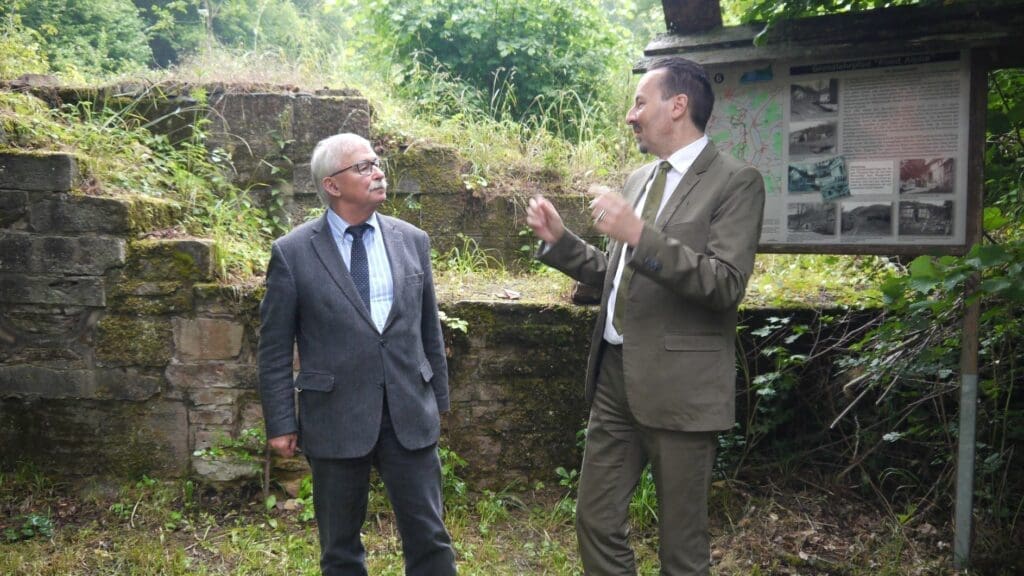
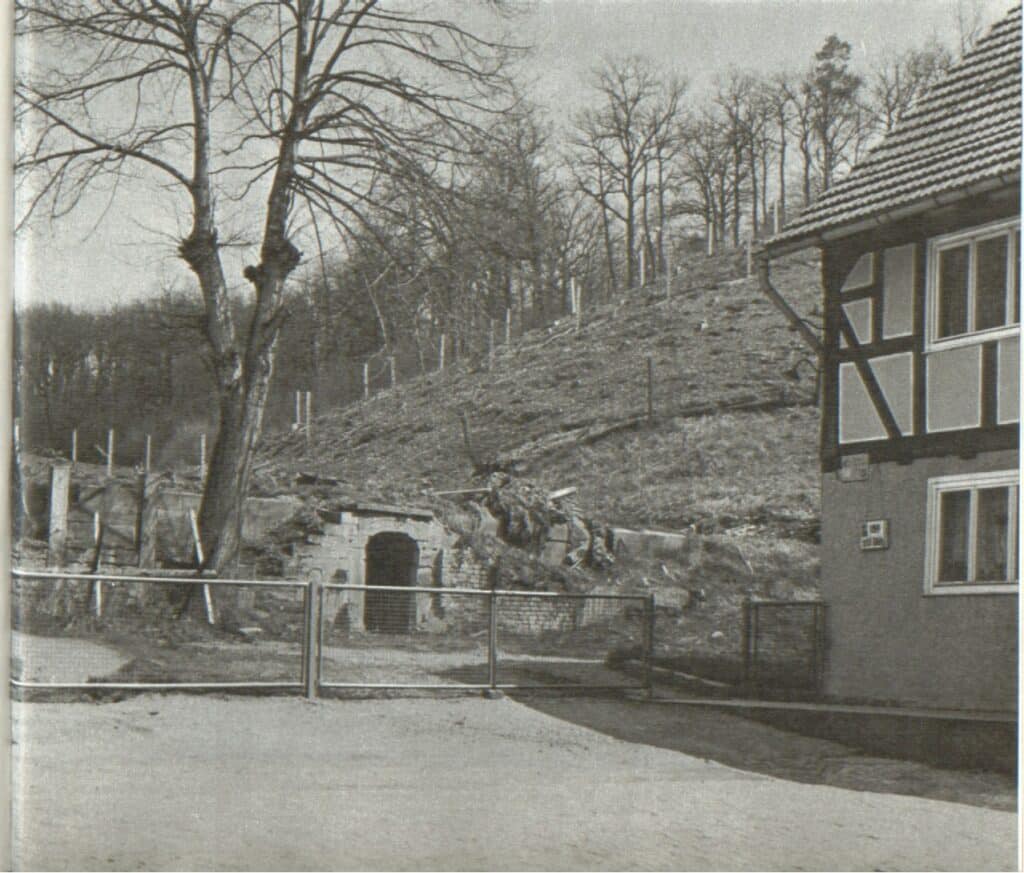
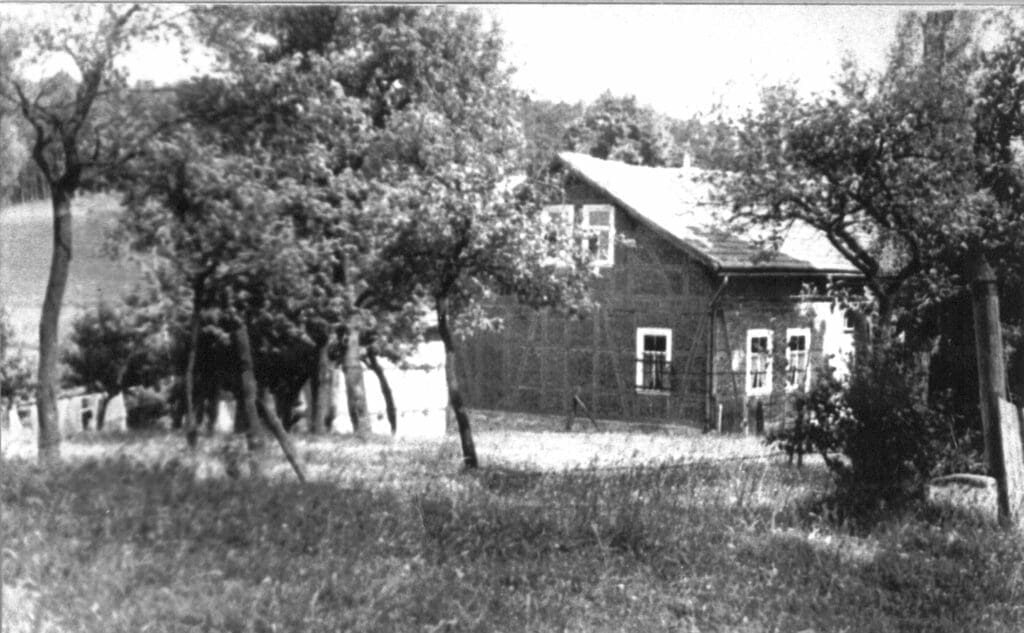
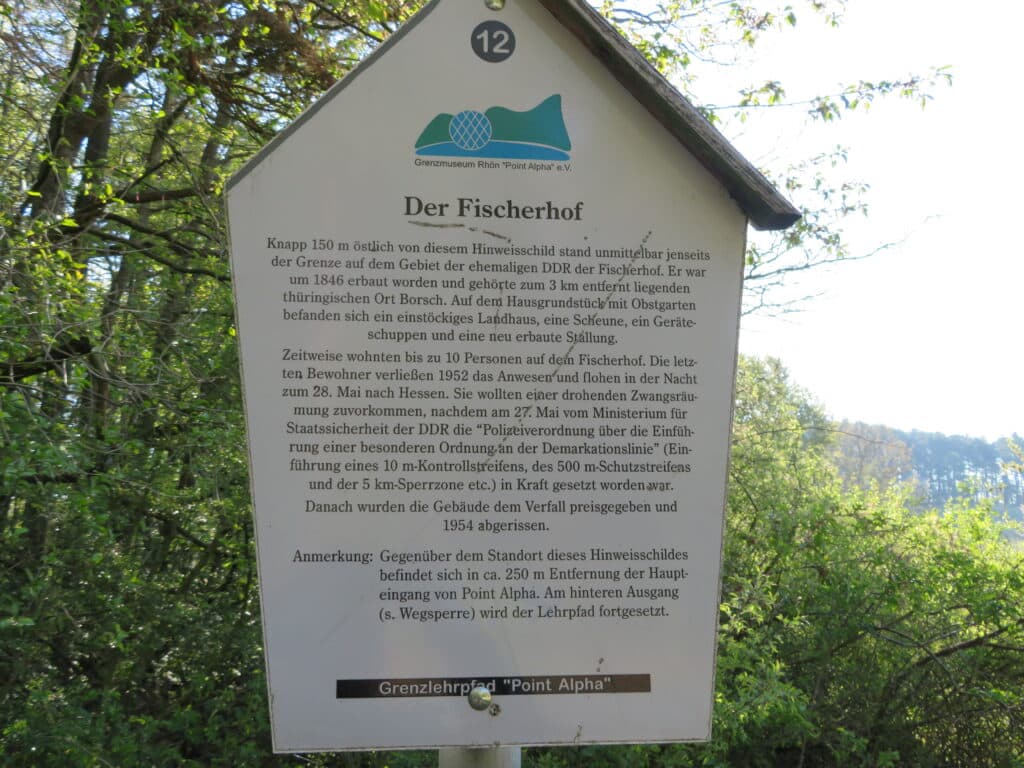
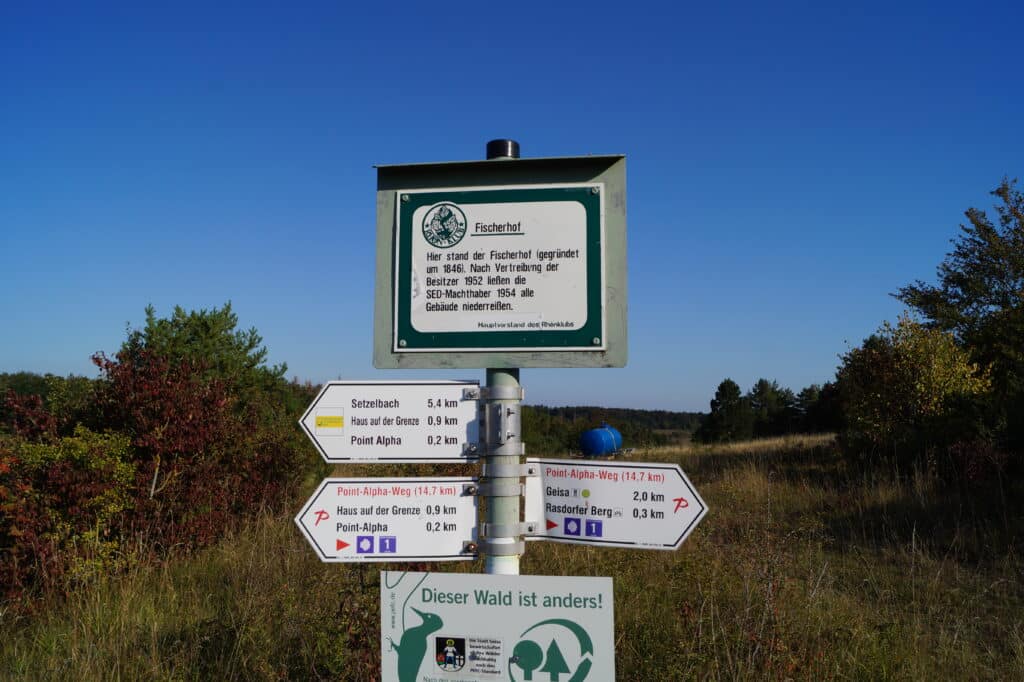
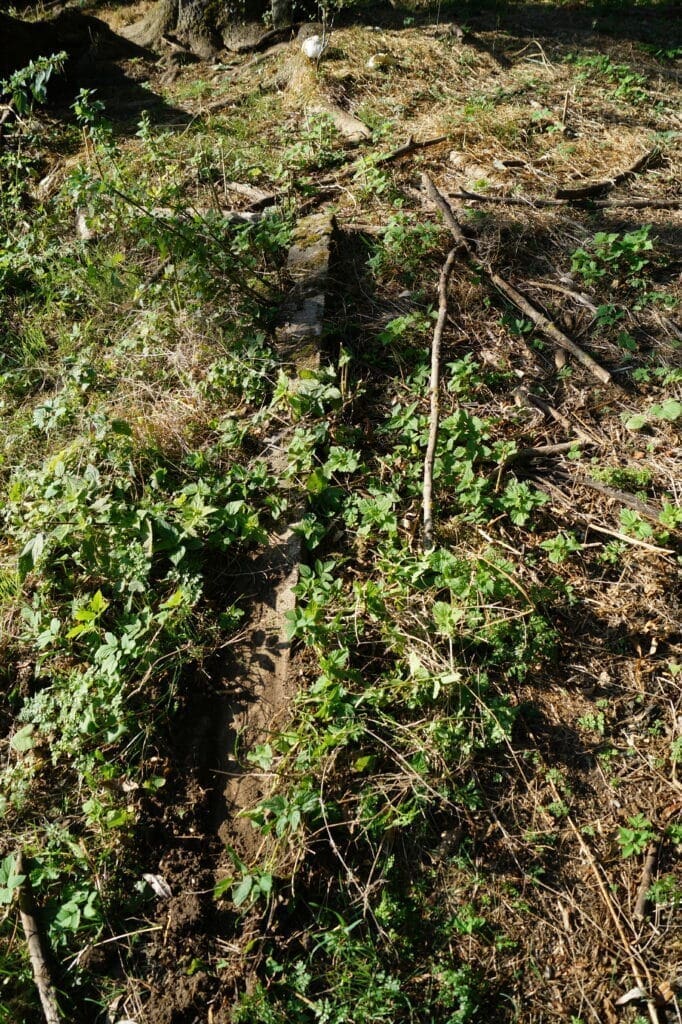
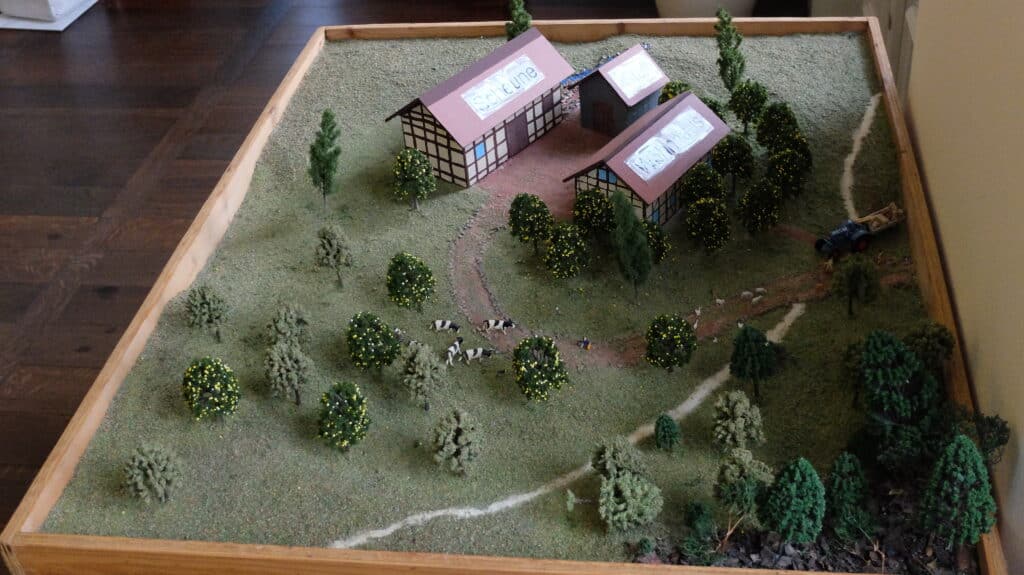
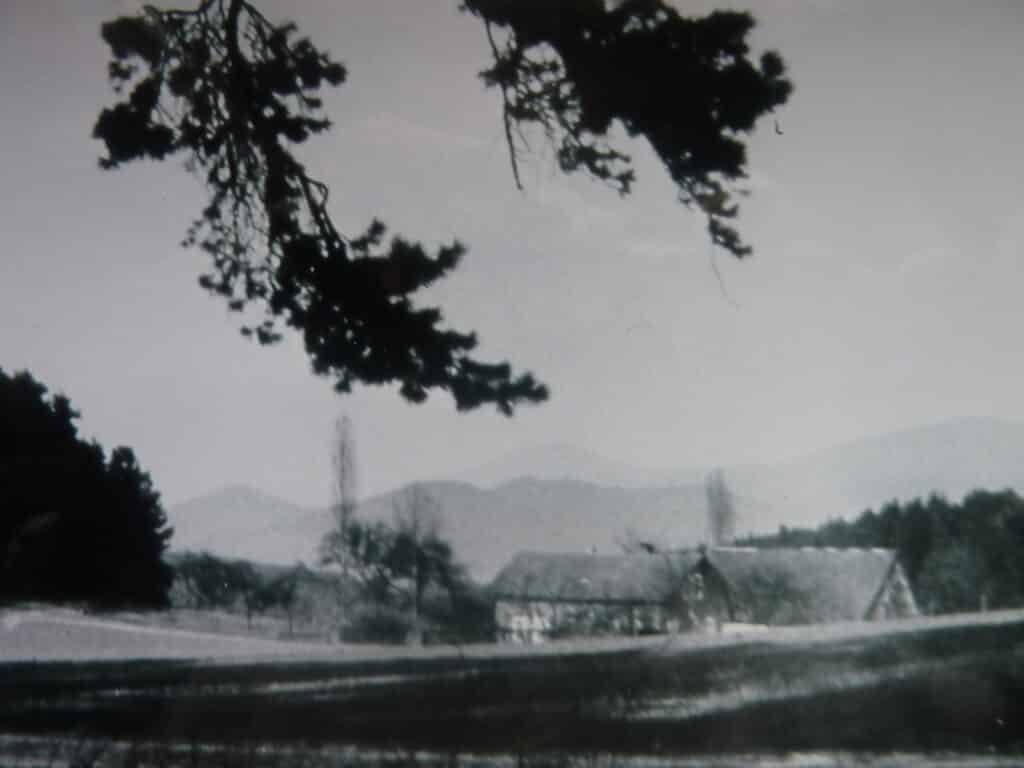
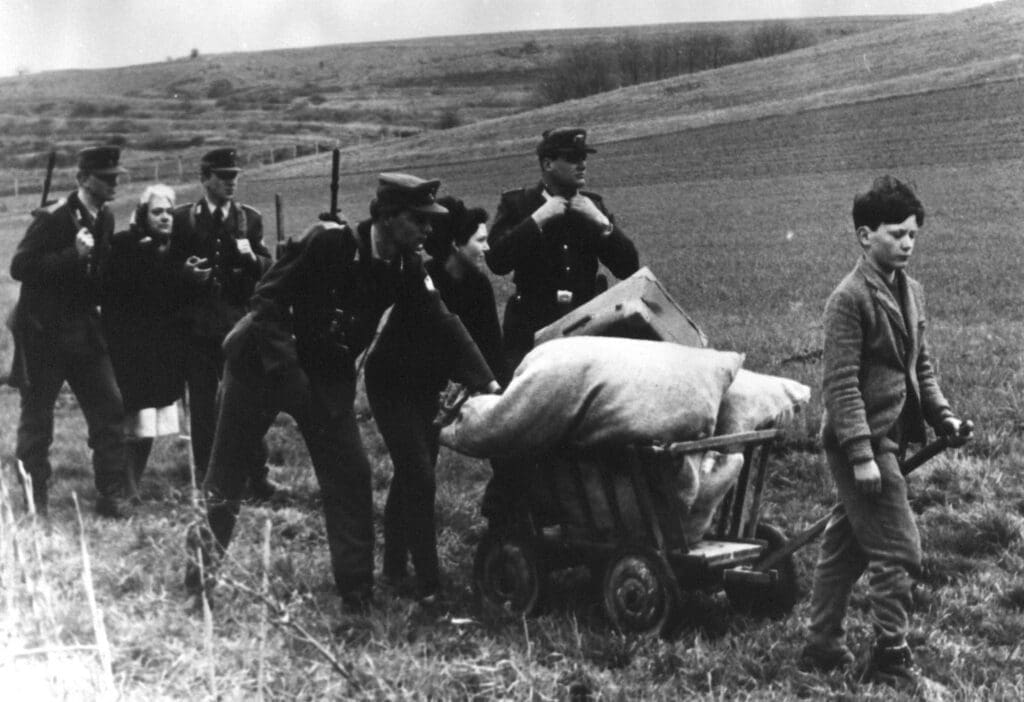
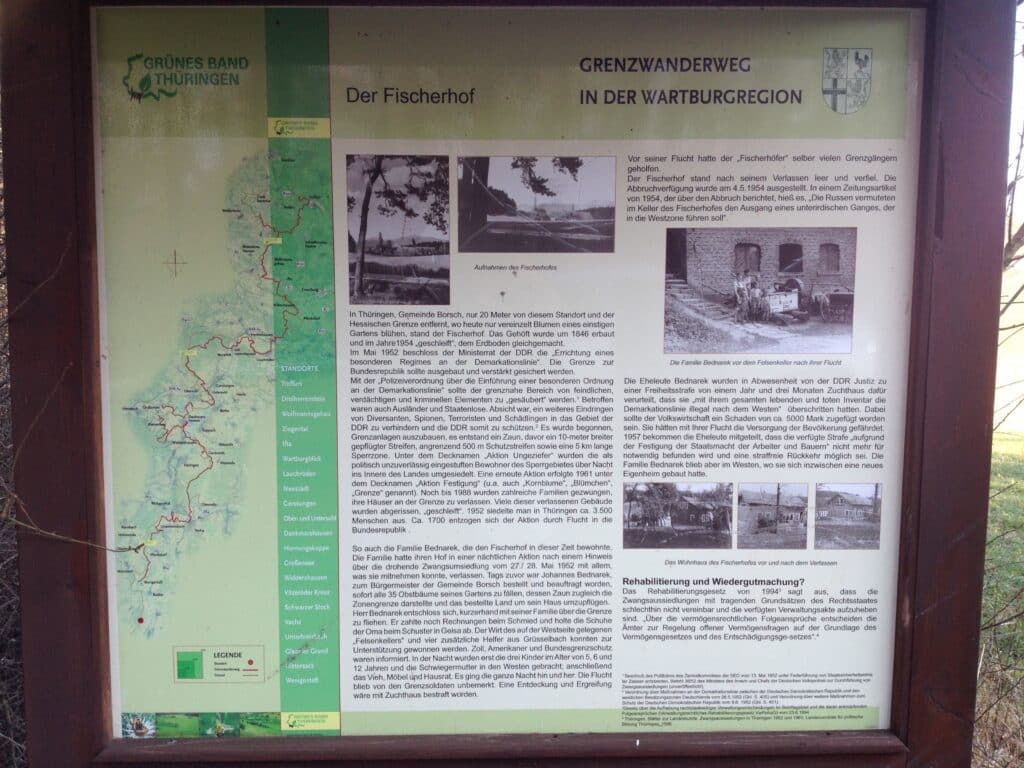
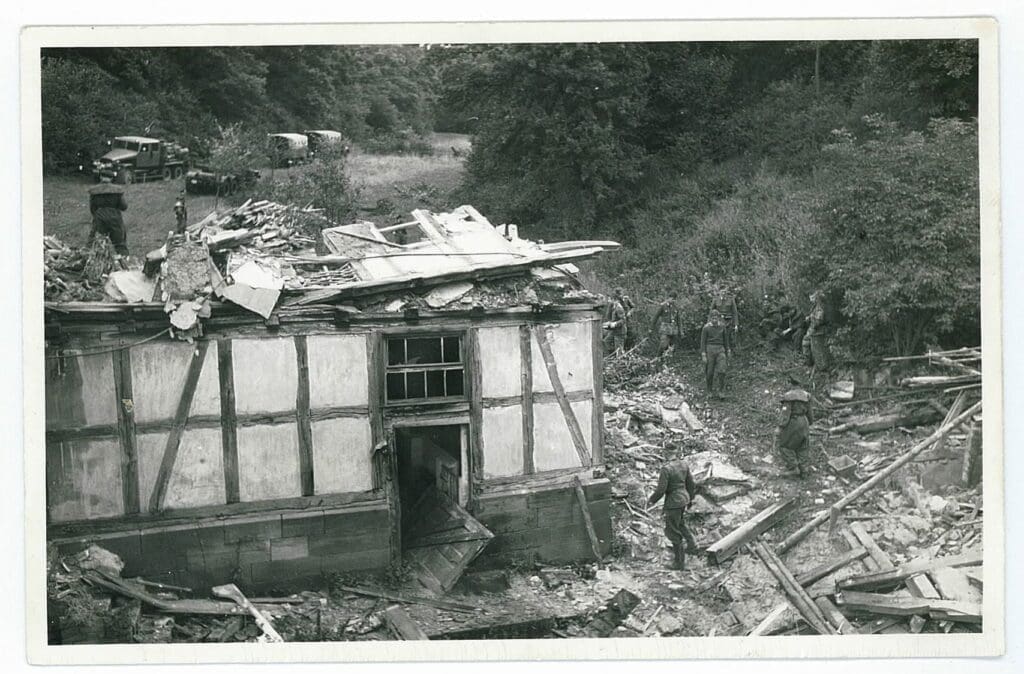
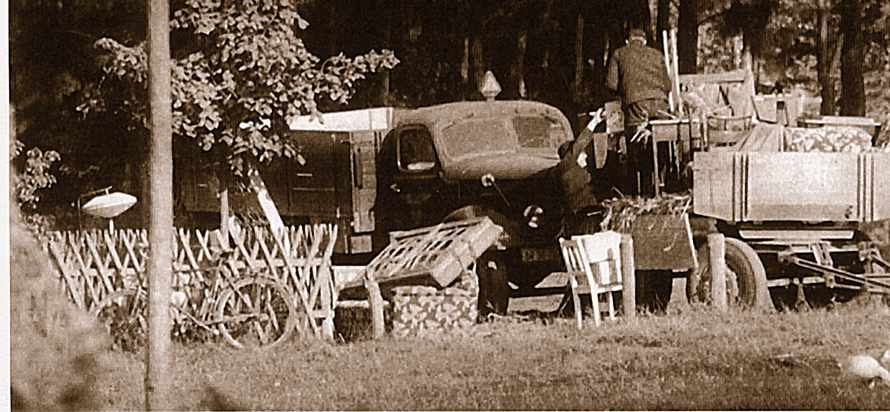
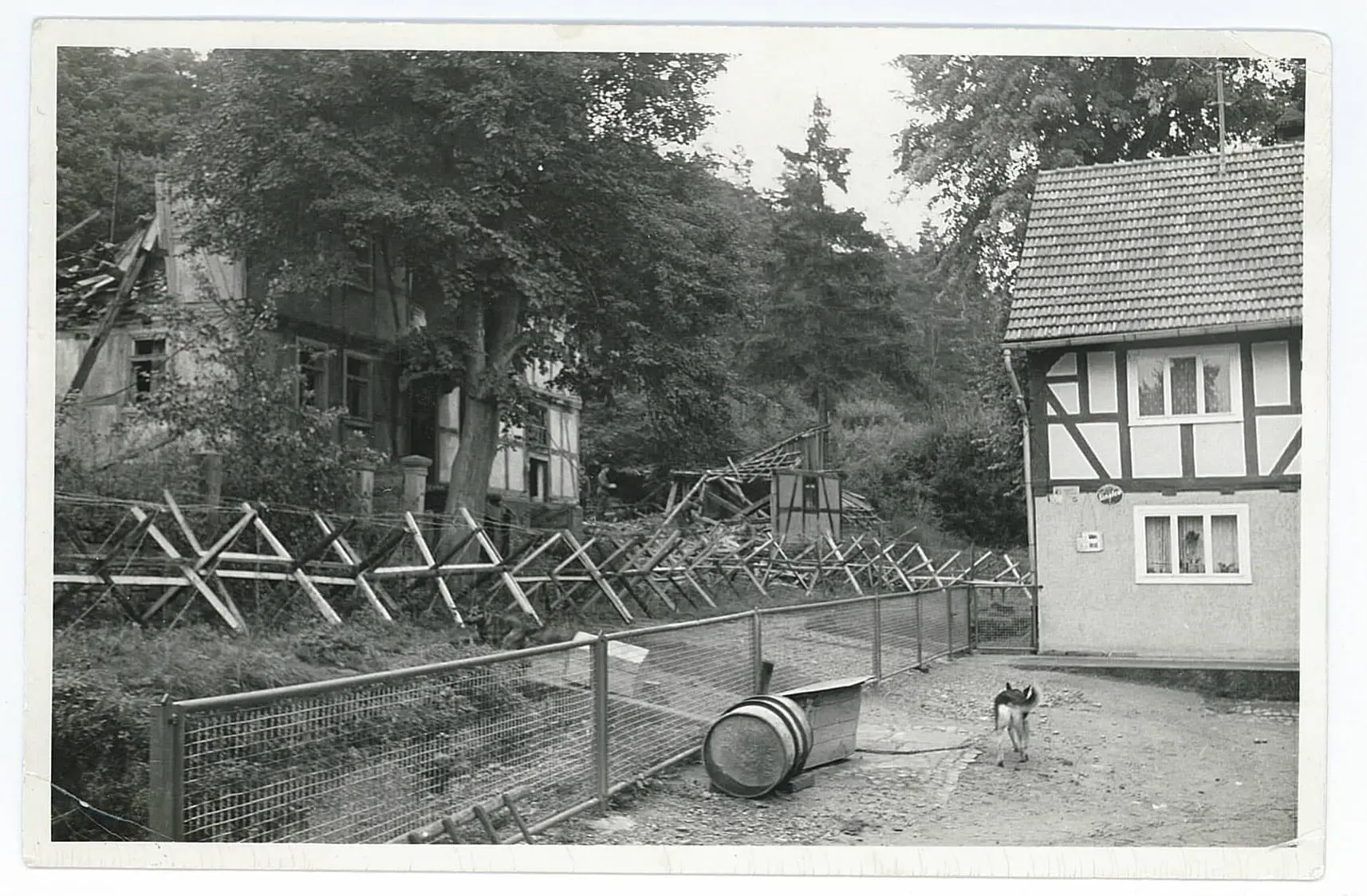
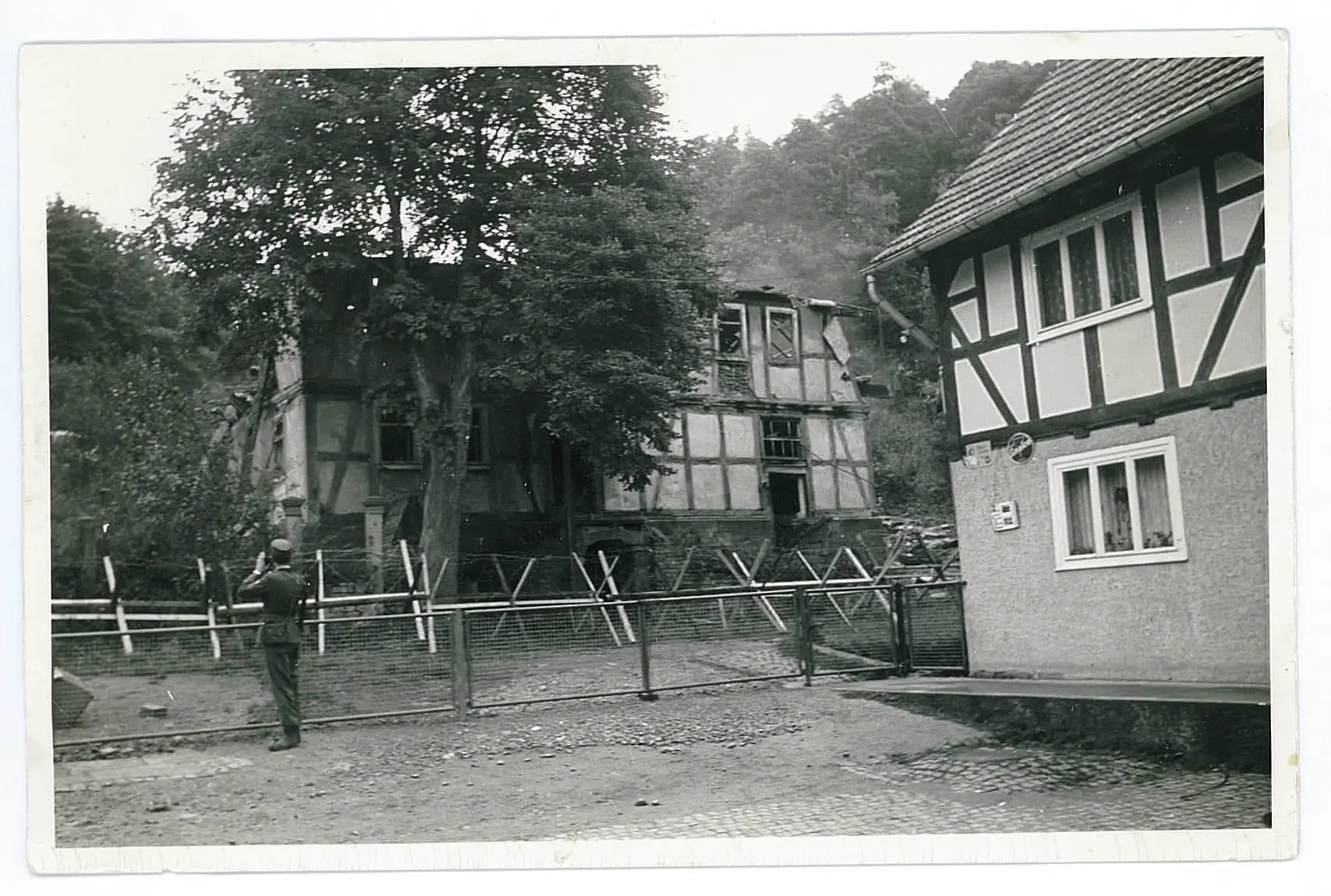
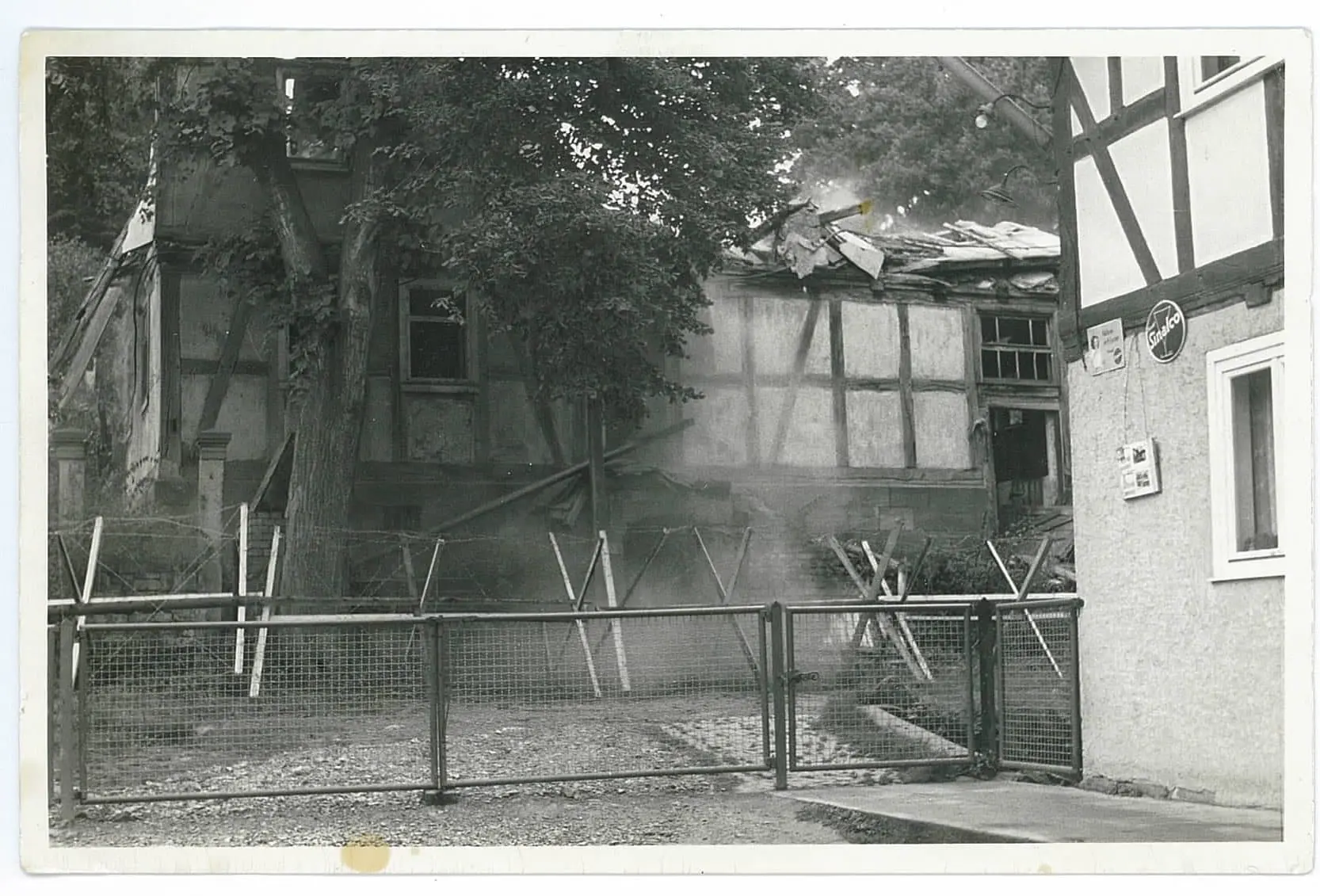
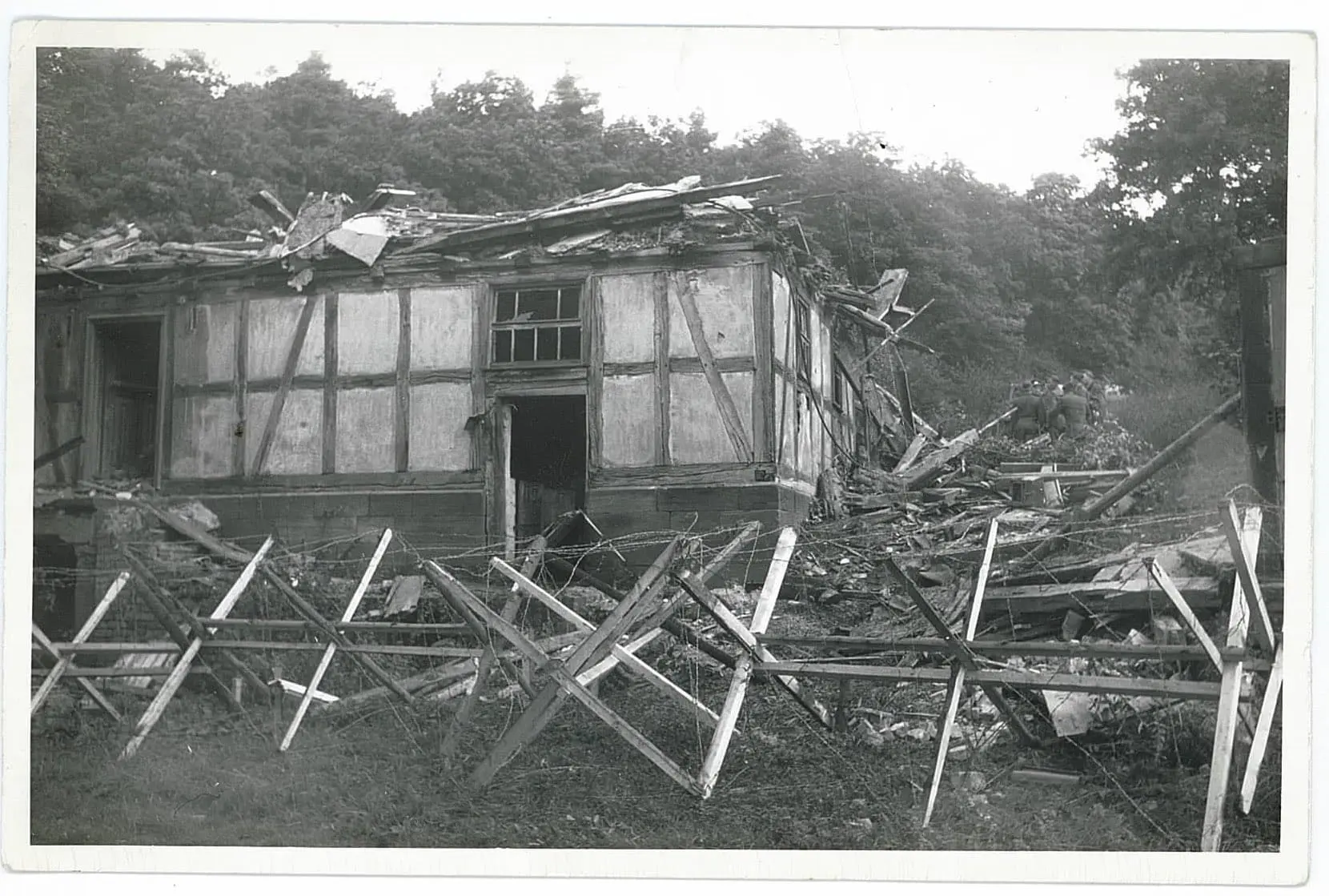
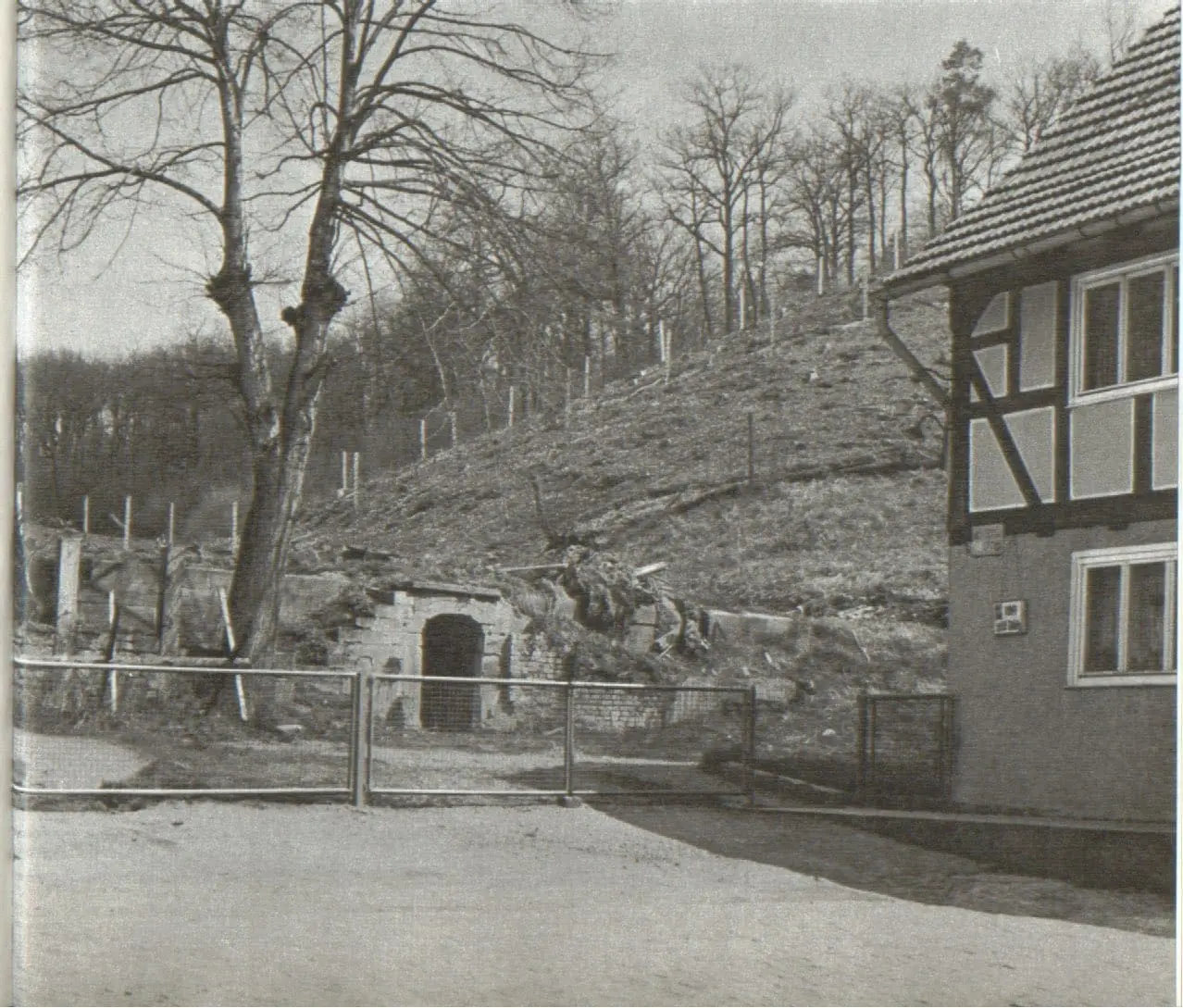
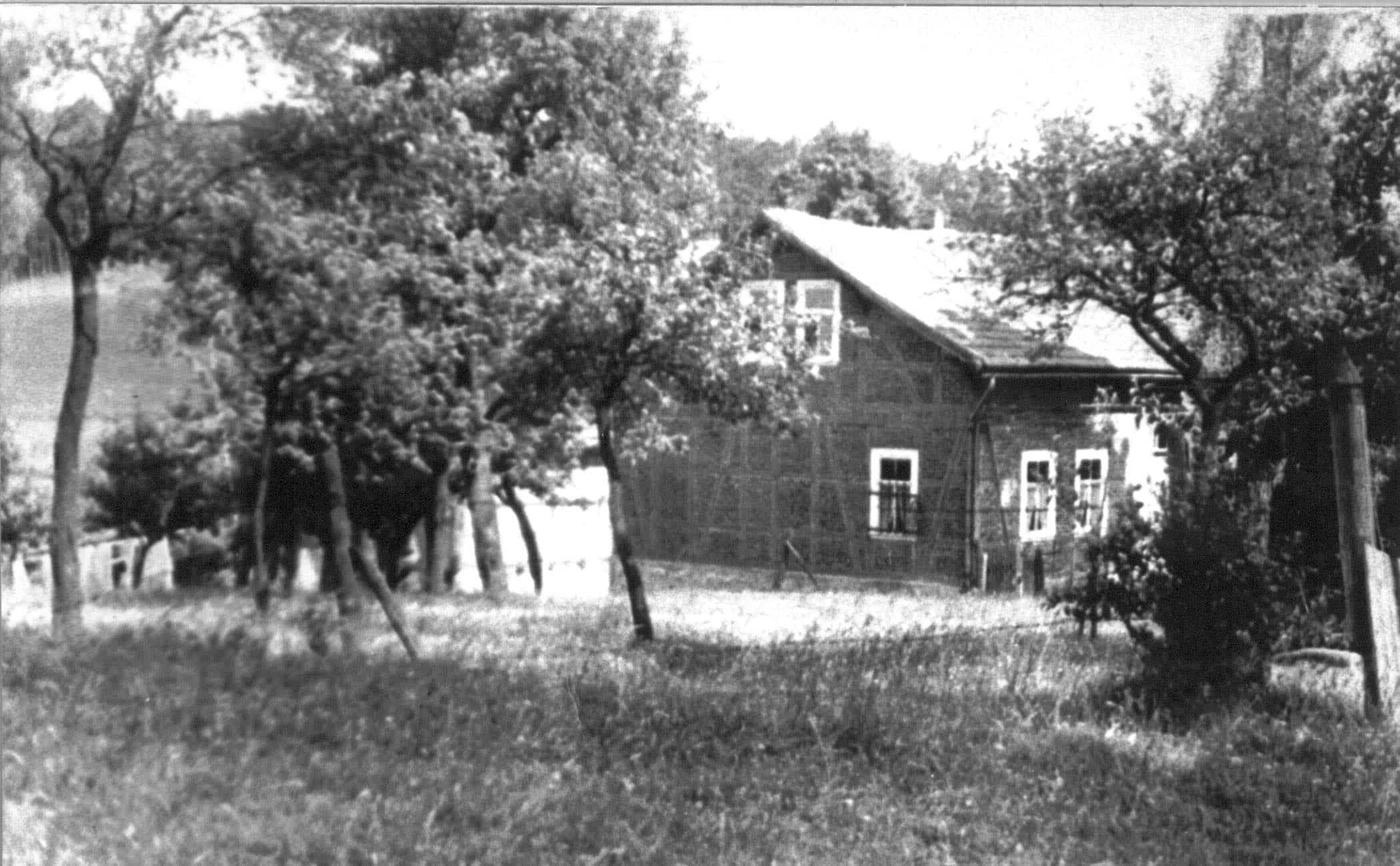
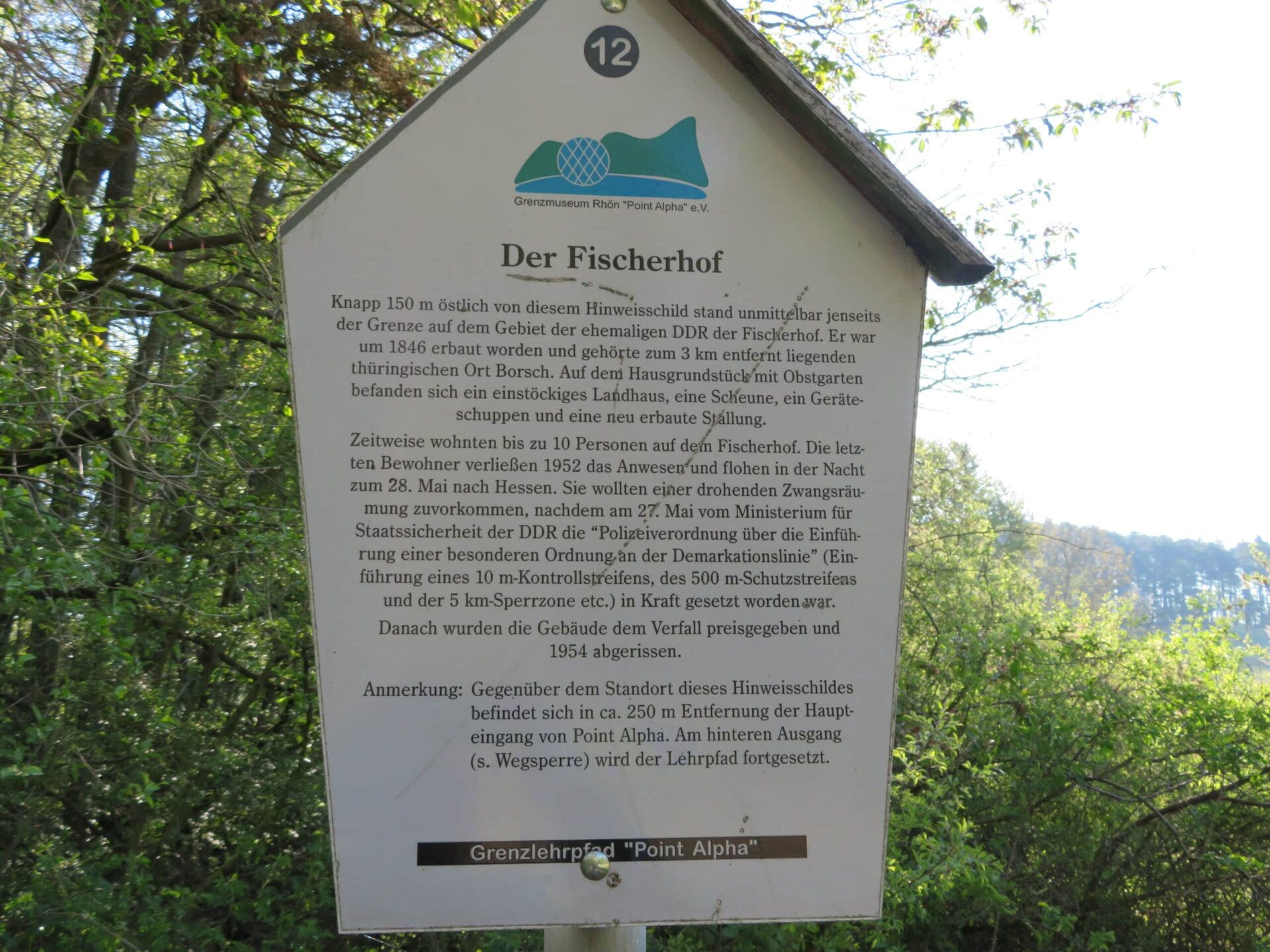
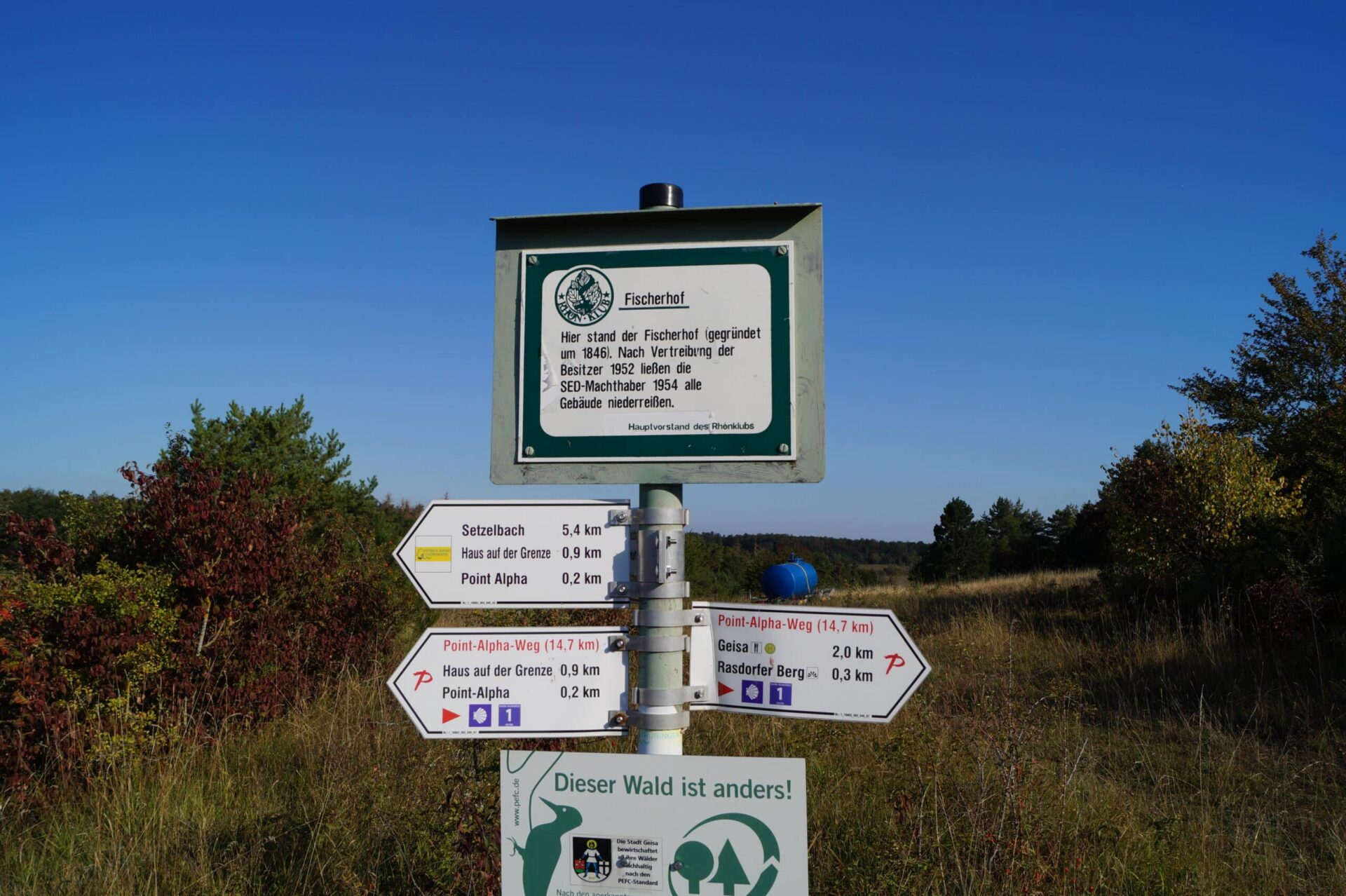
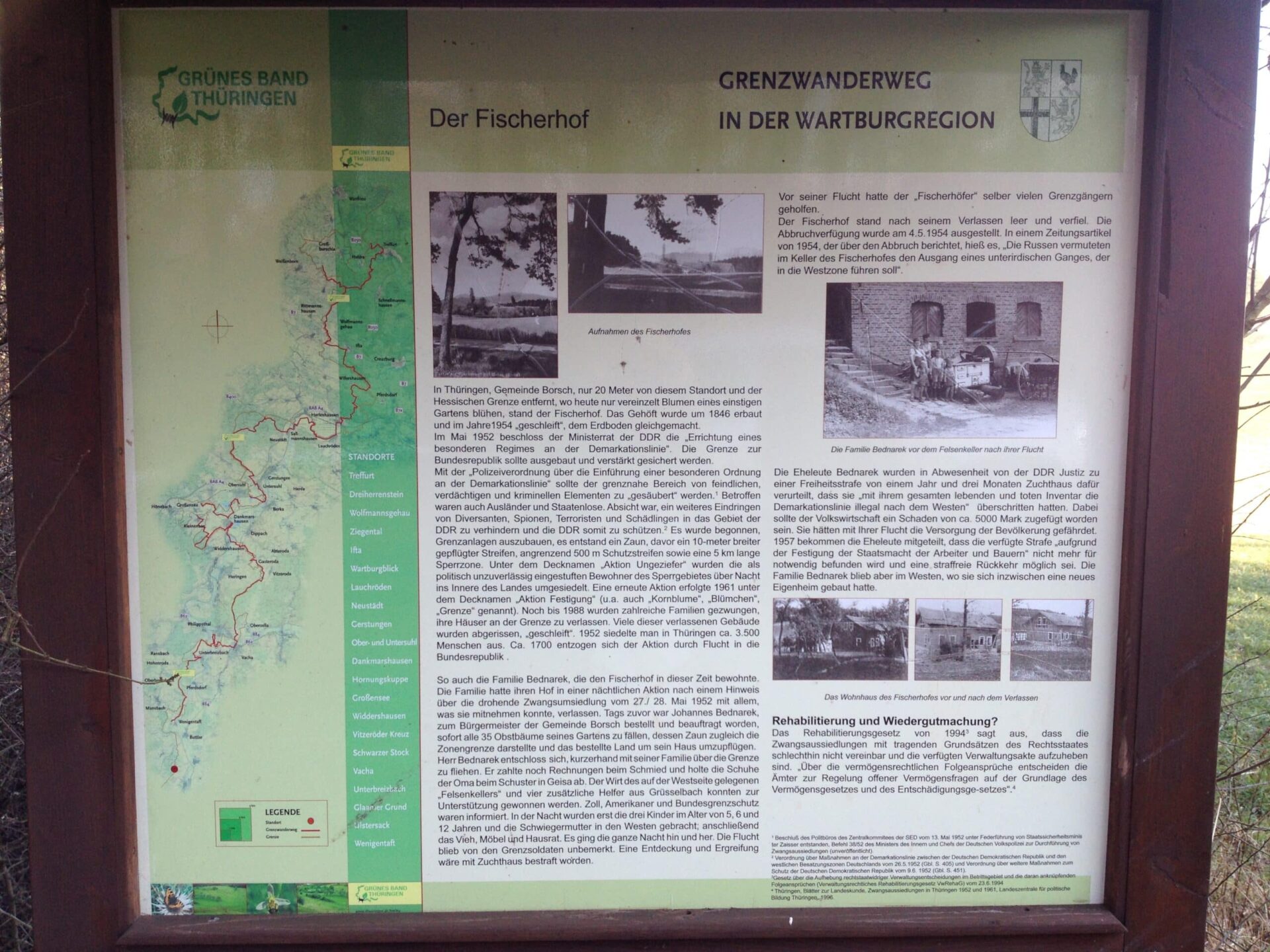
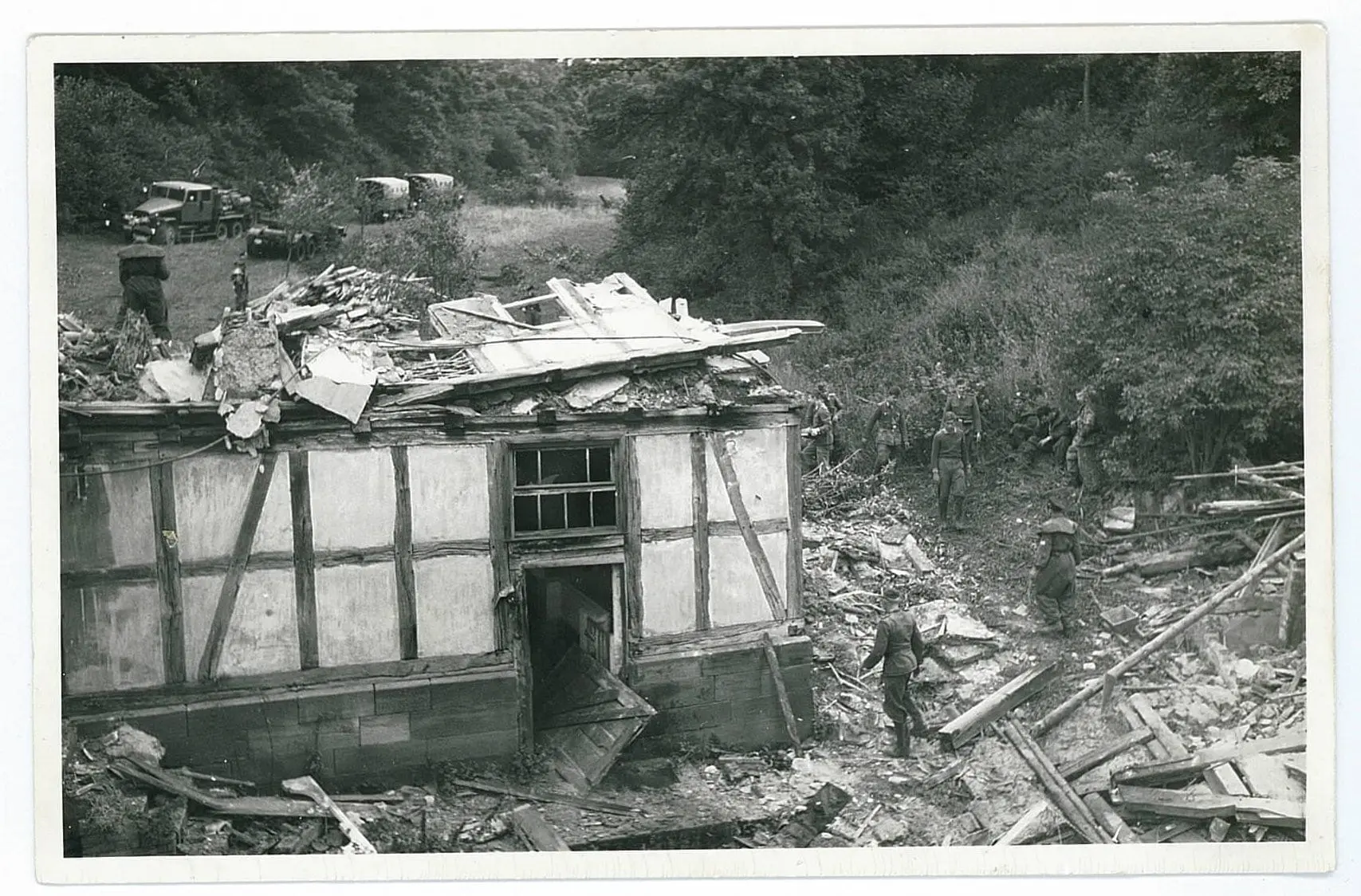
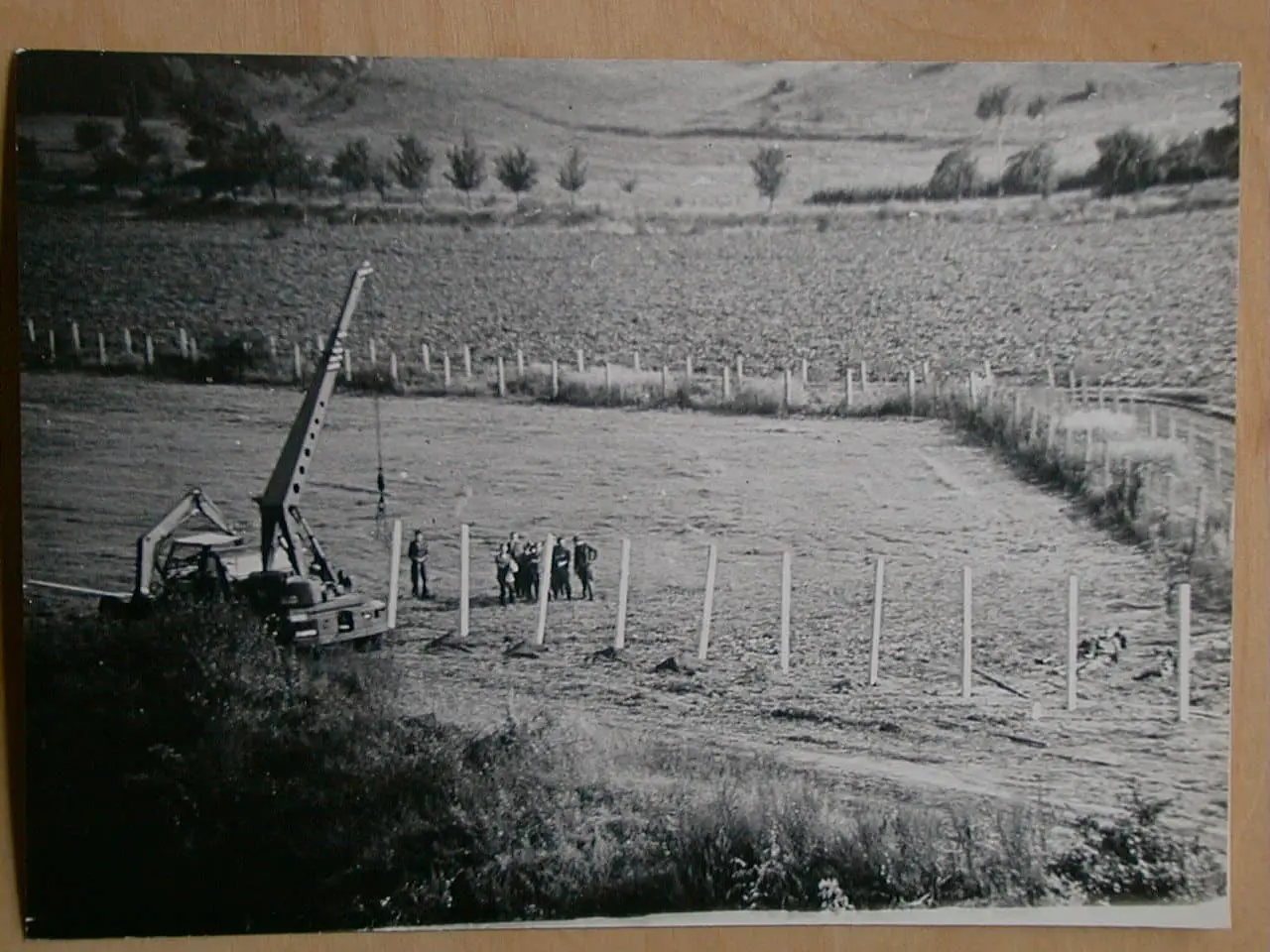
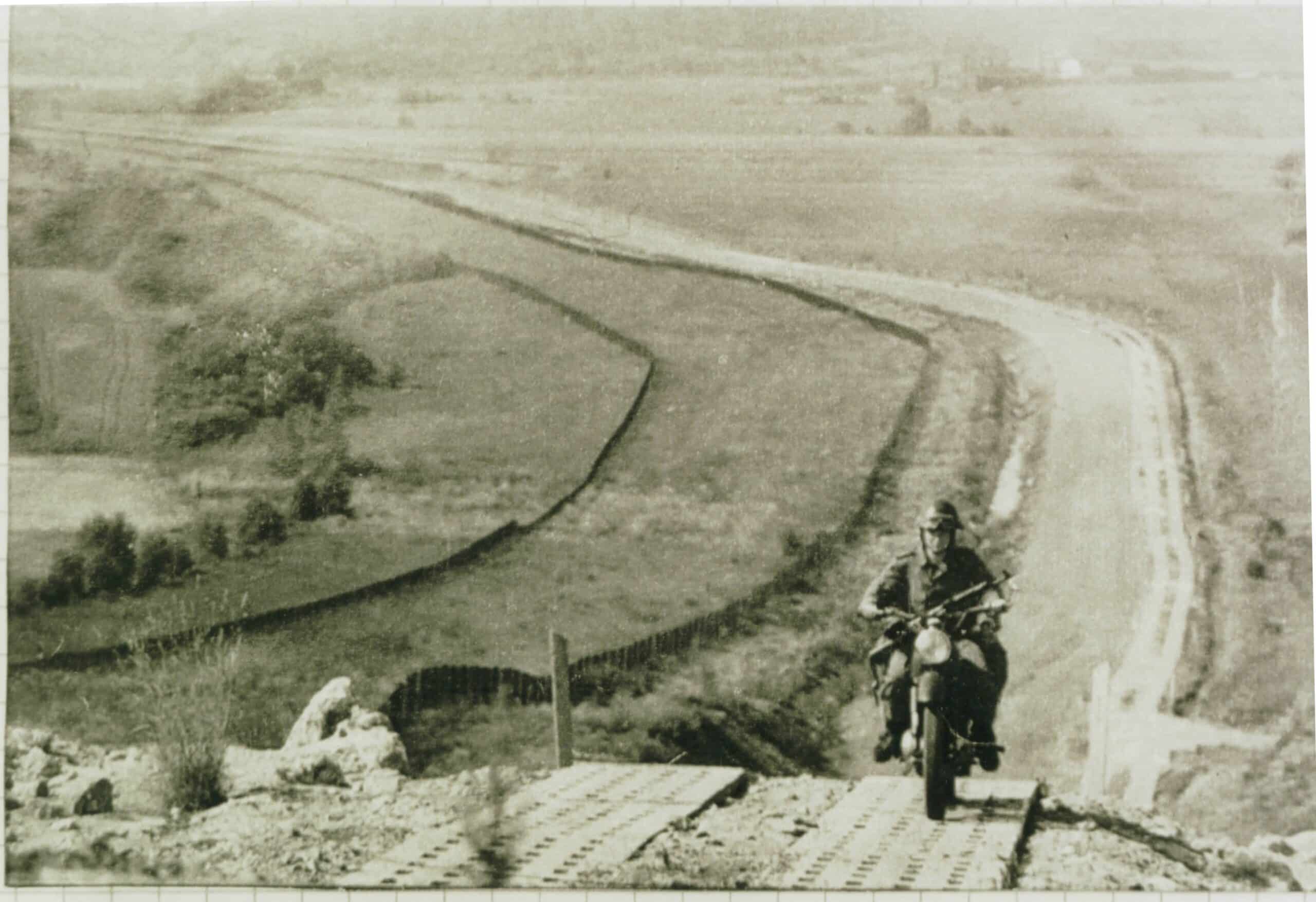
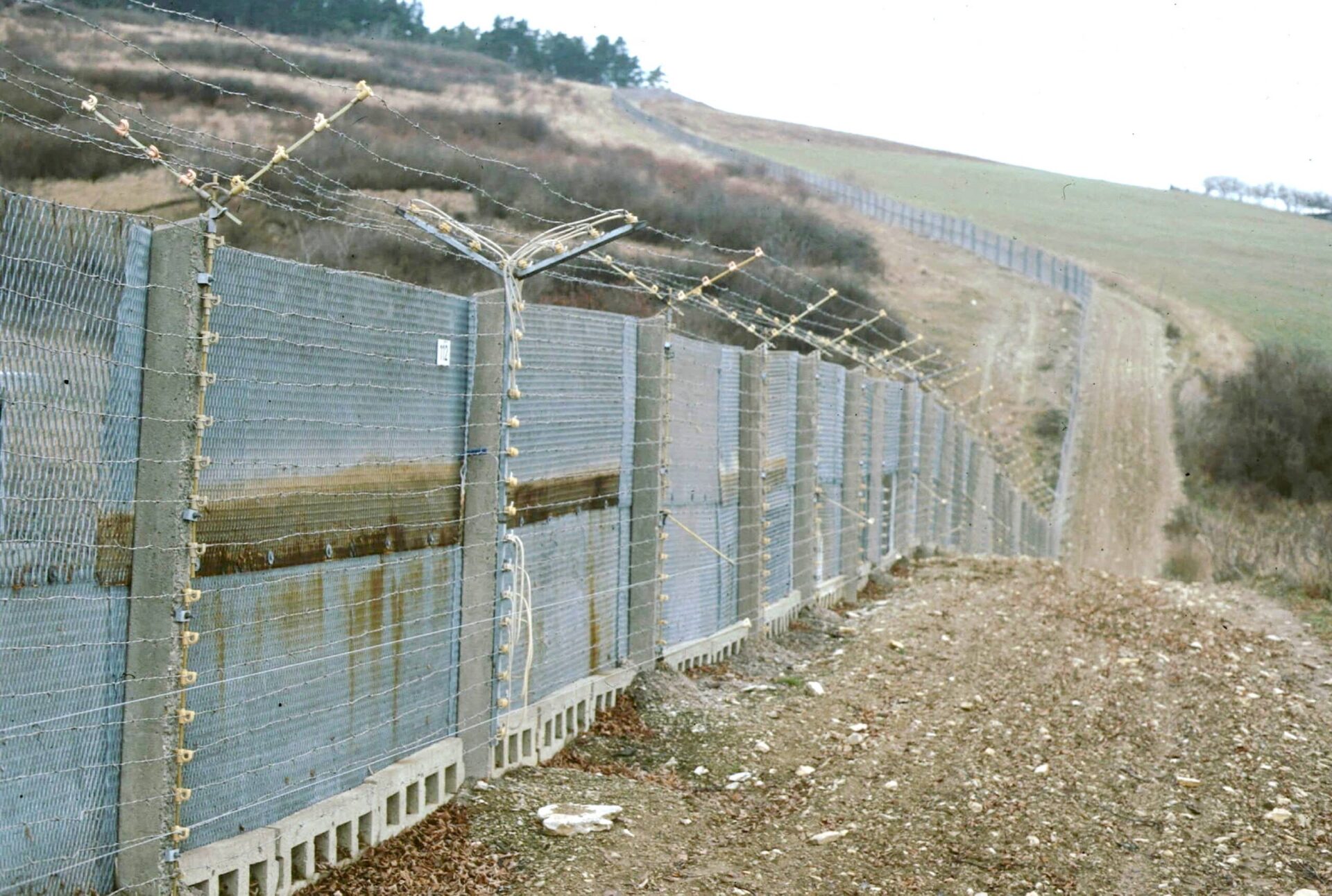
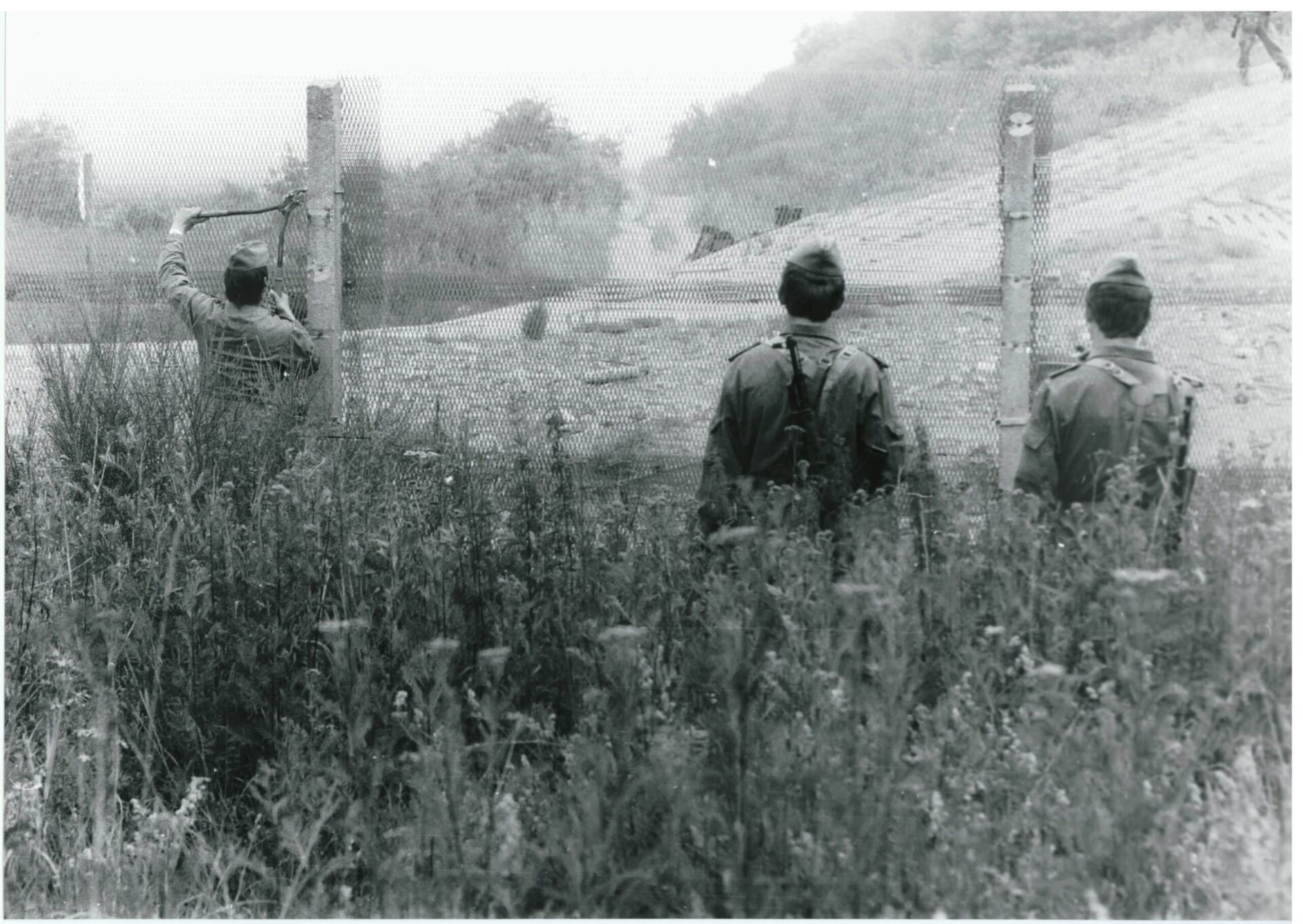
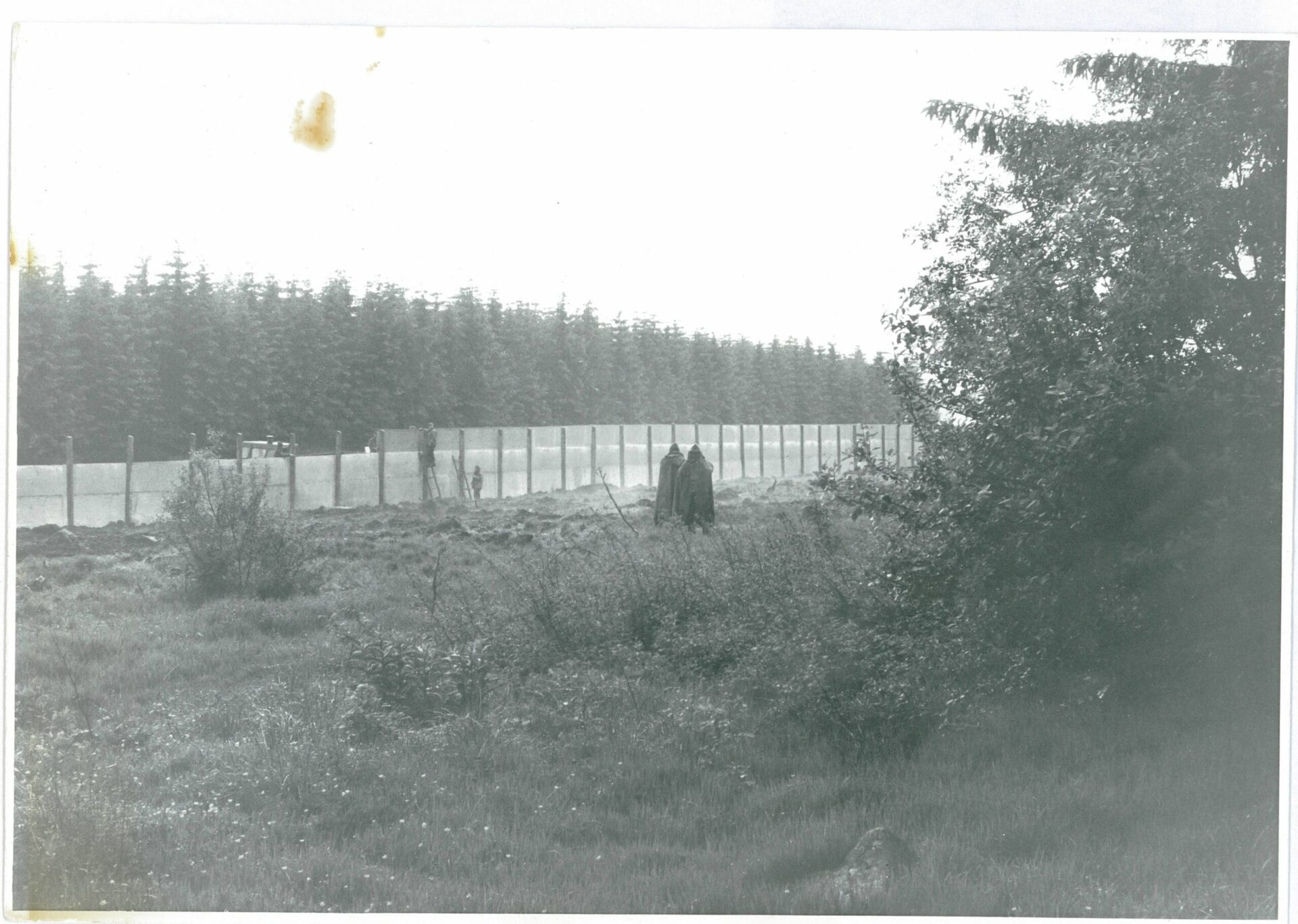
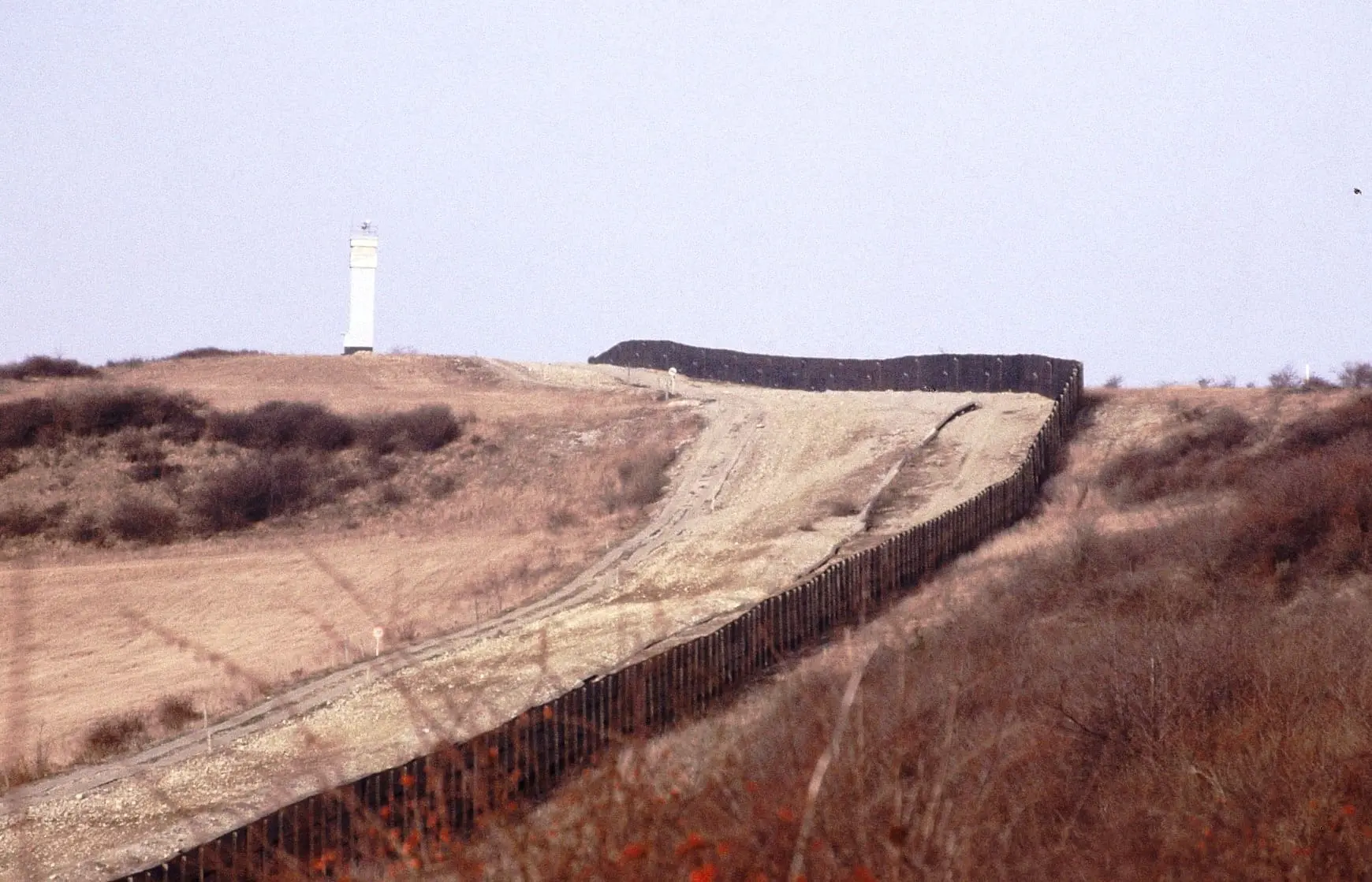
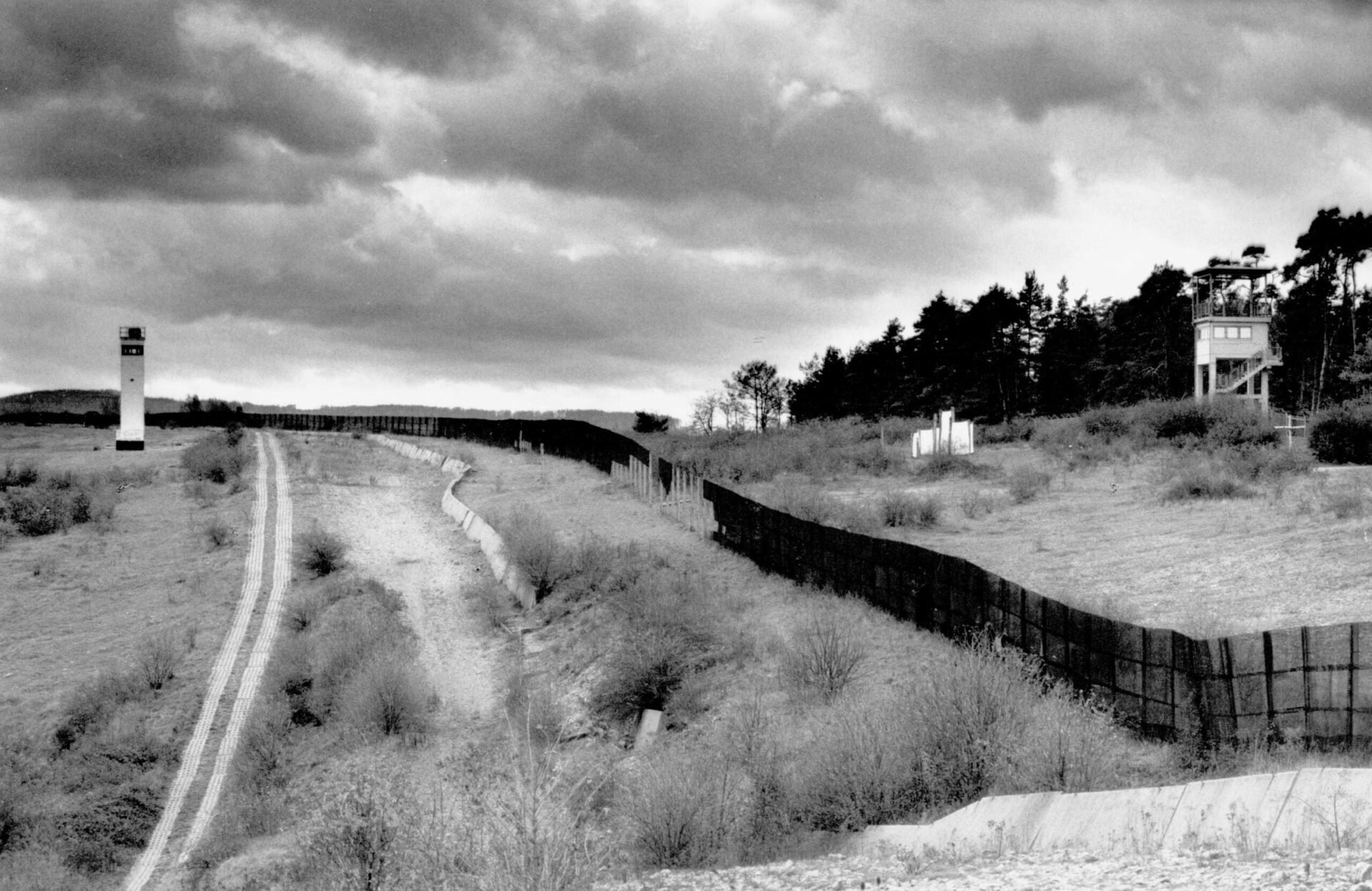
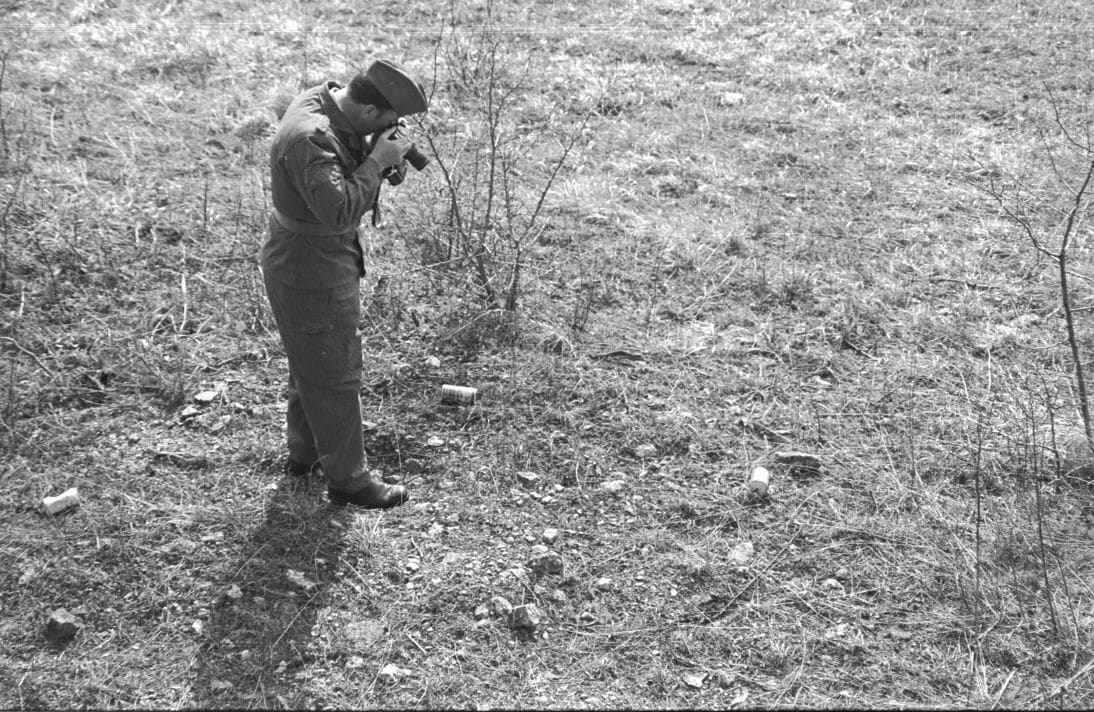
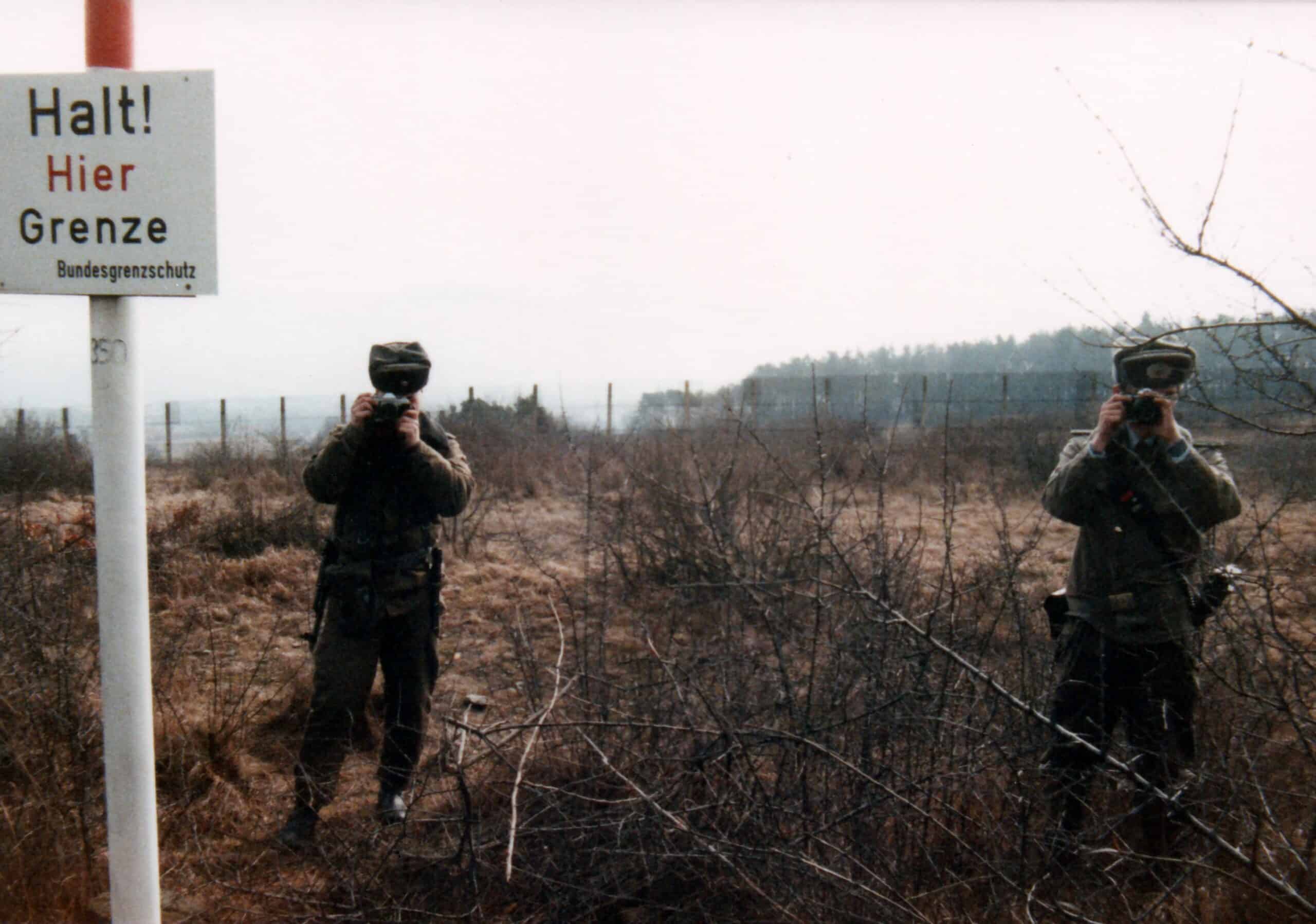
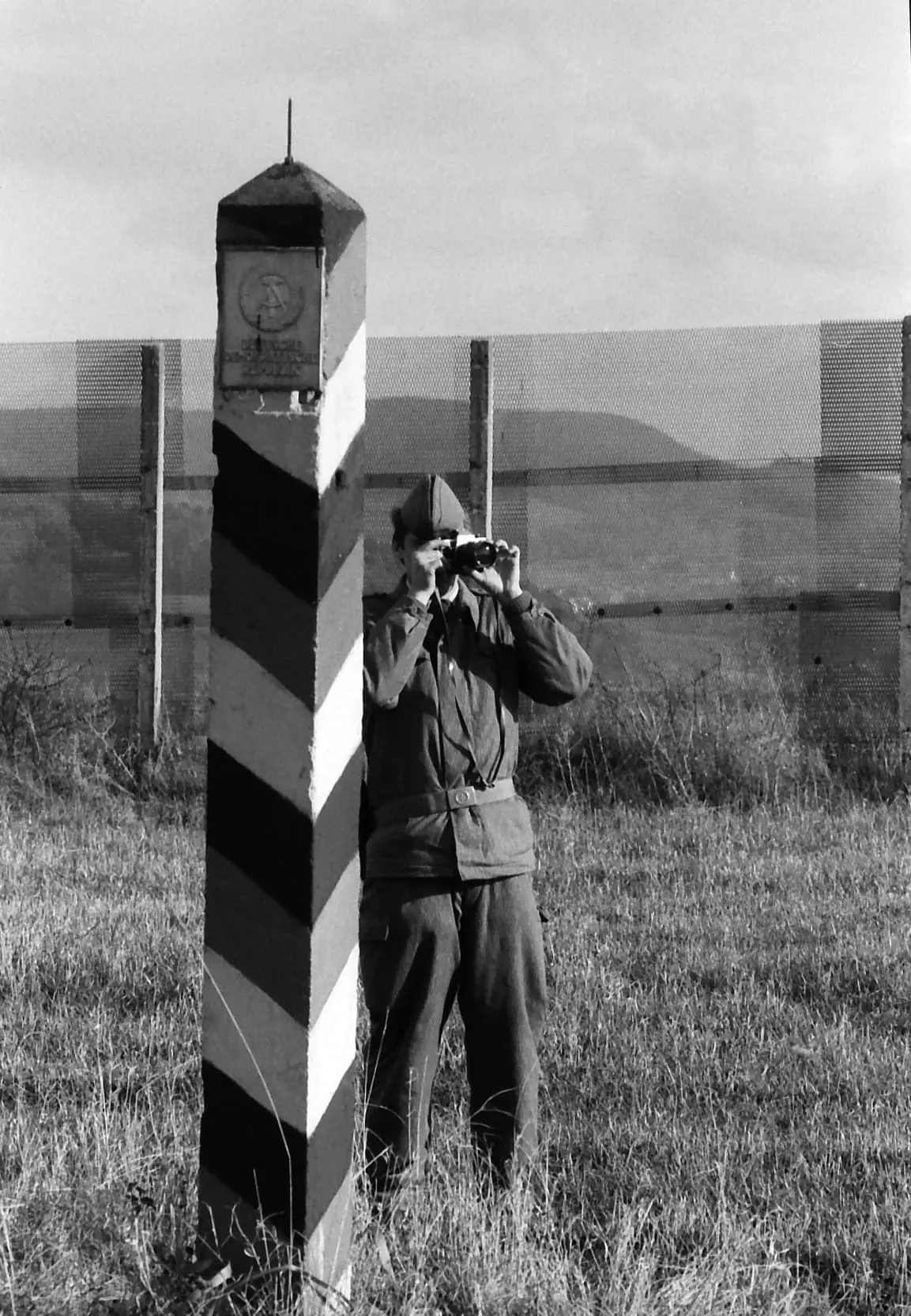
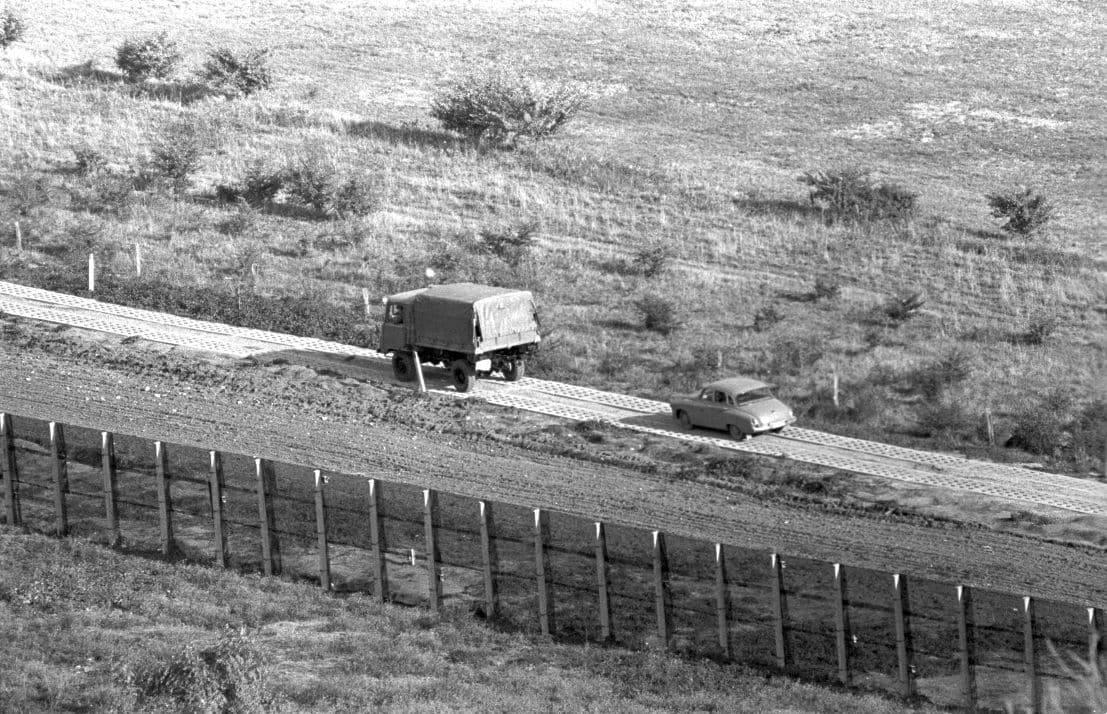
The border regime of the GDR considerably sharpened its grip at the beginning of the 1950s. The demarcation line was extended to form a 500-meter-wide “border protection strip,” which was forbidden to enter. In addition, a five-kilometer-wide “exclusion zone” was established, from which a total of 11,000 people were expelled and forcibly resettled. Several homesteads near the border were forcibly cleared and destroyed (German: “geschleift”).
Expansion of Border Fortifications 1960 and 1970
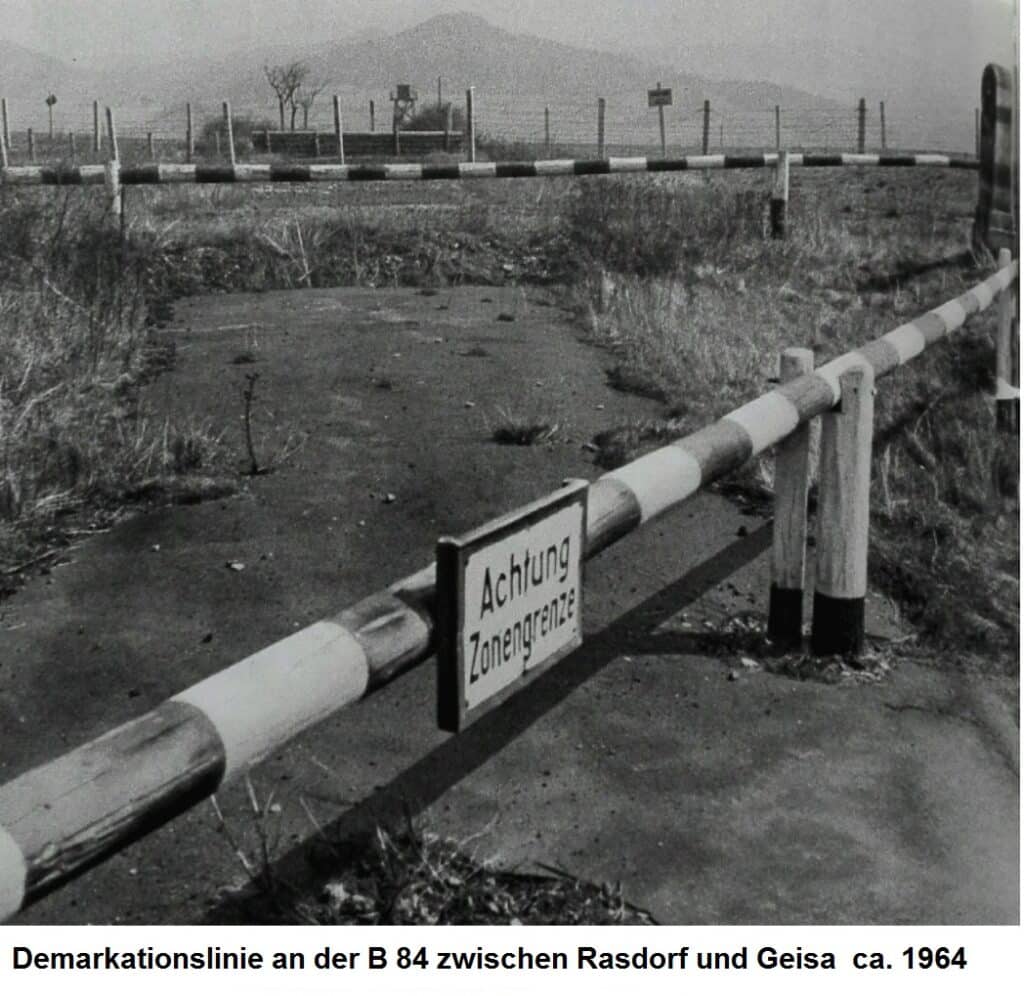
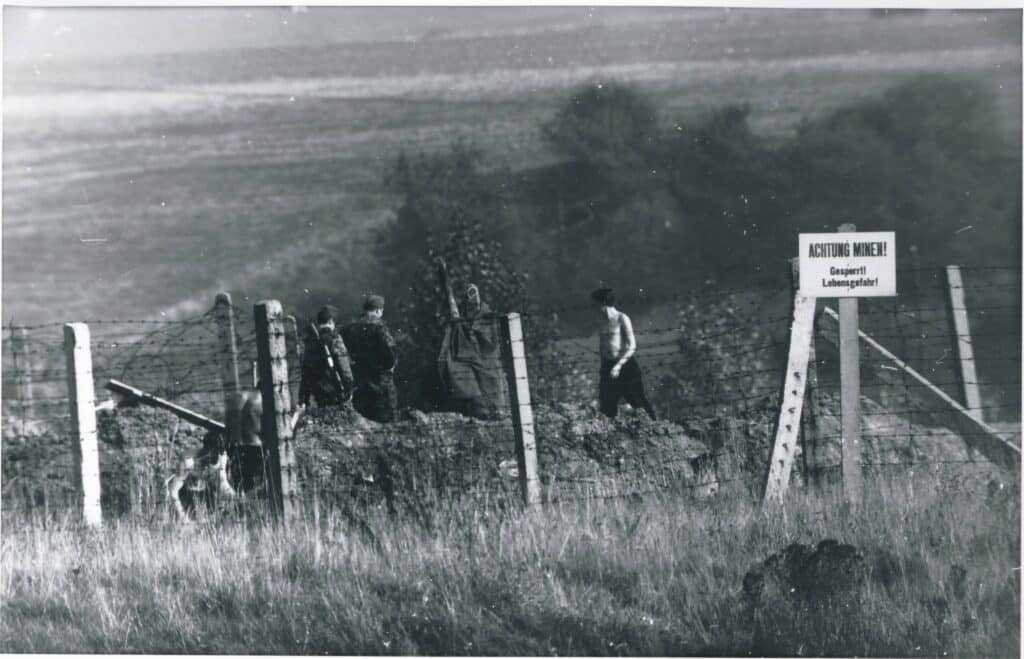
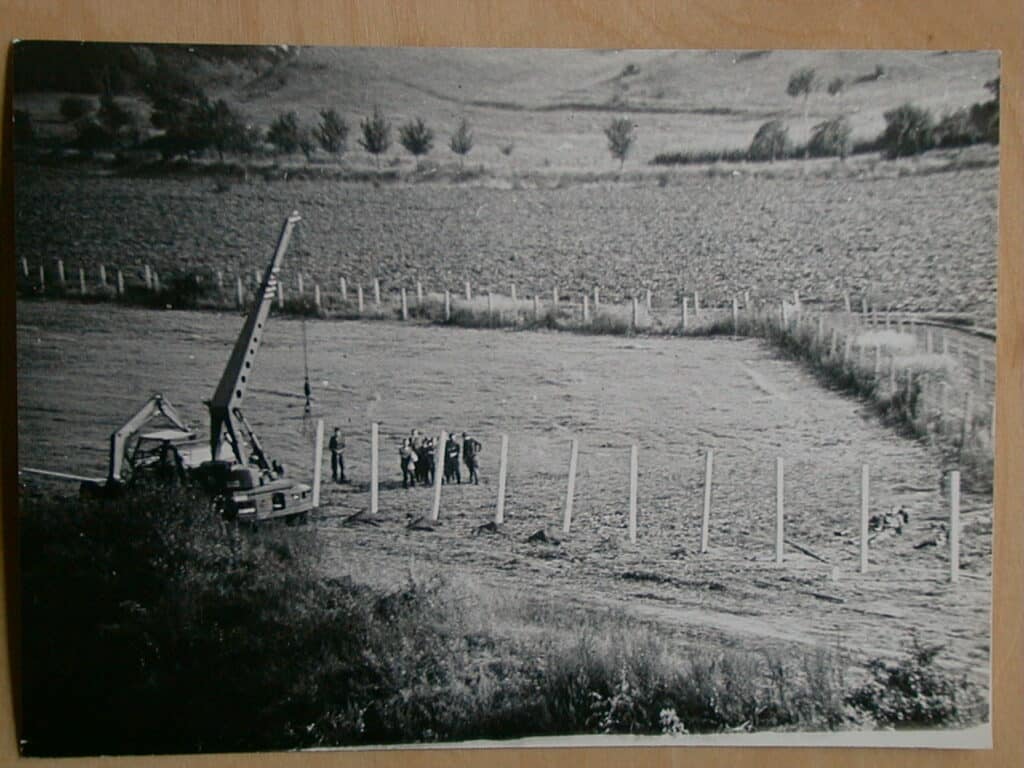
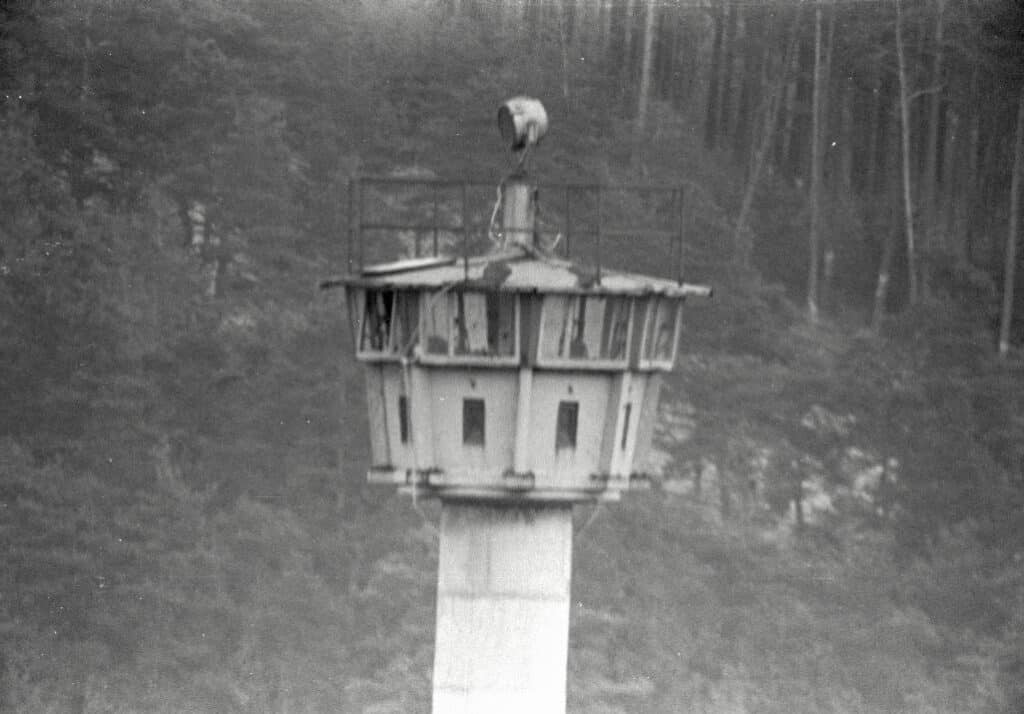
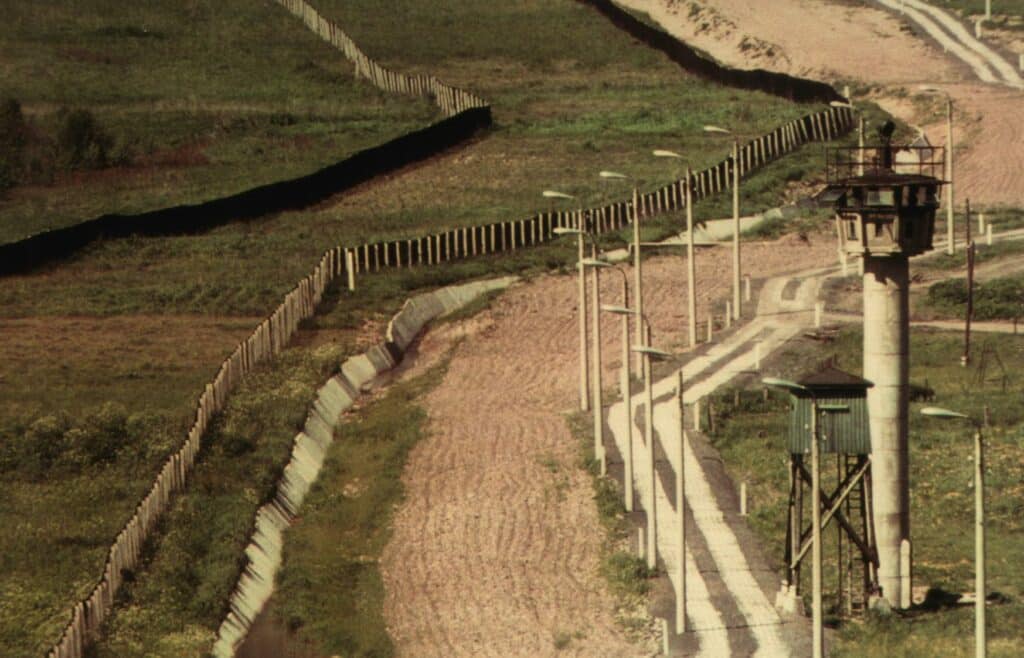
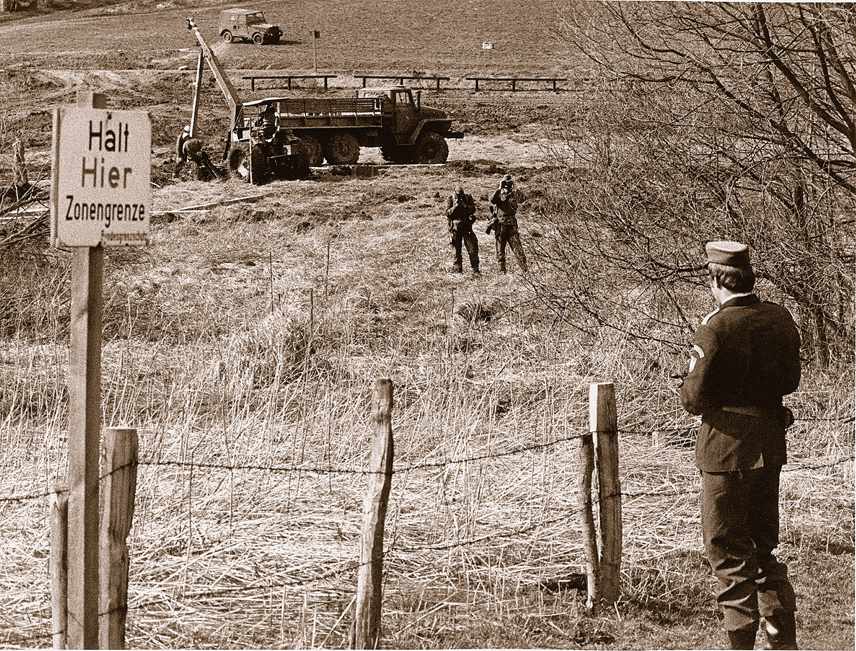
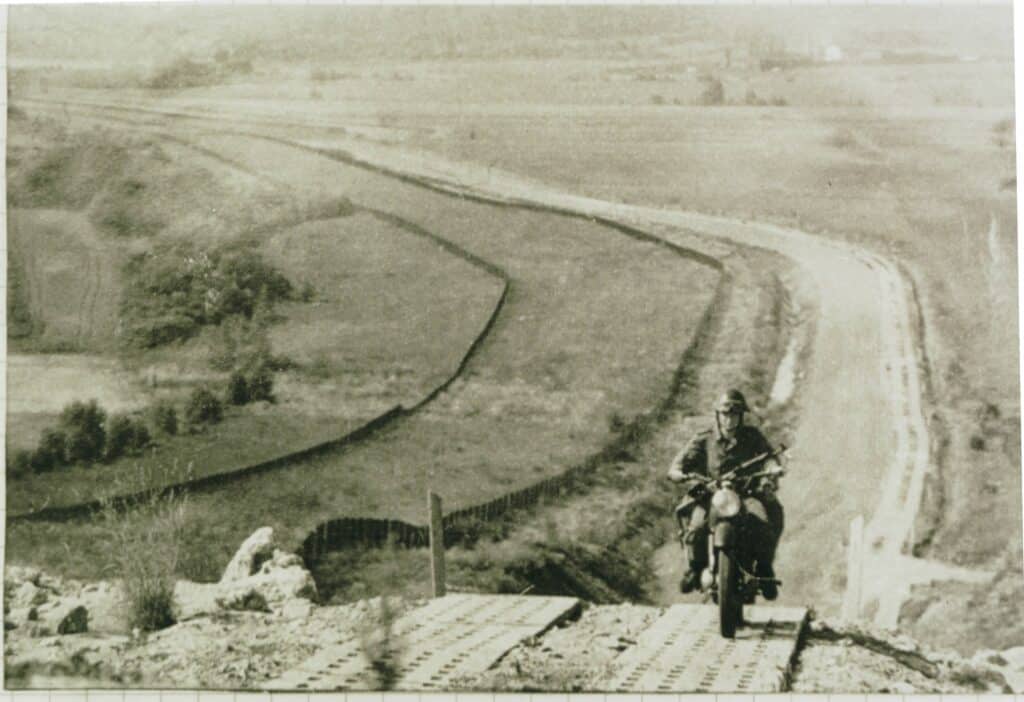
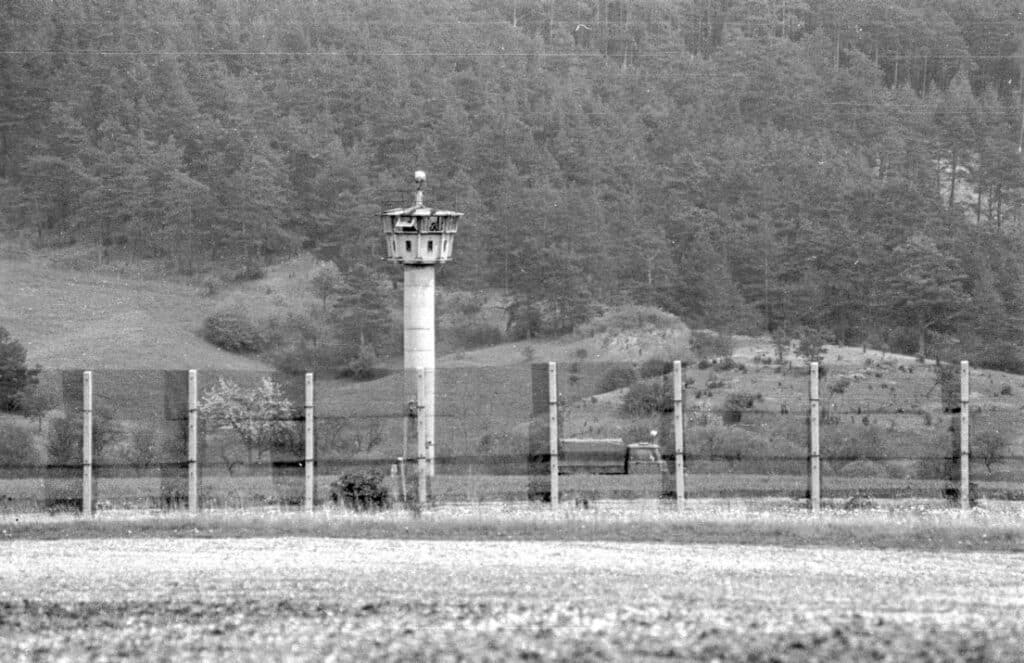
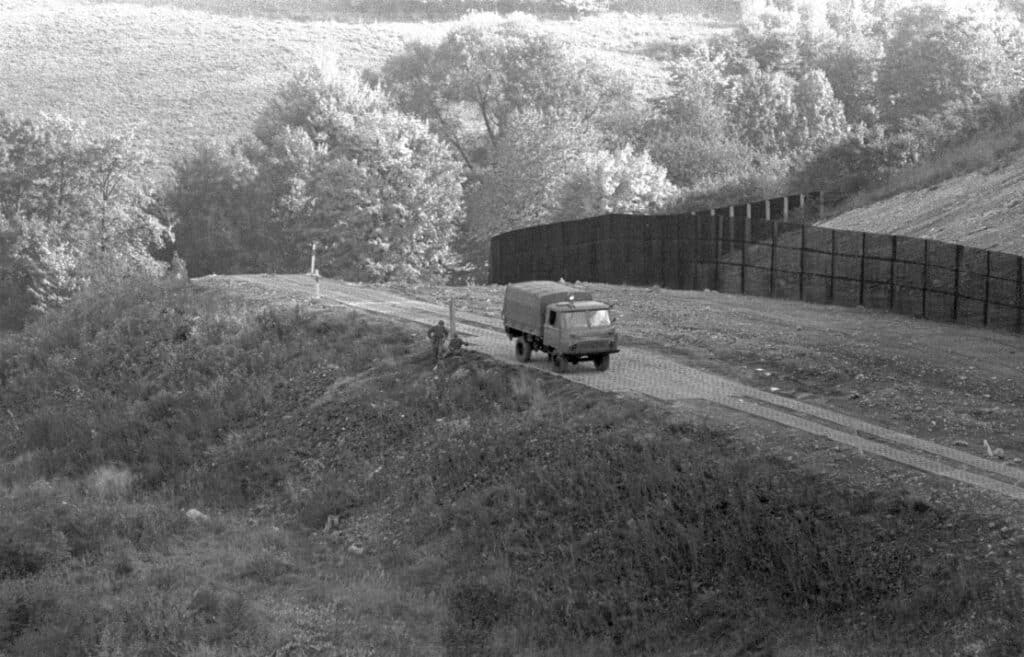
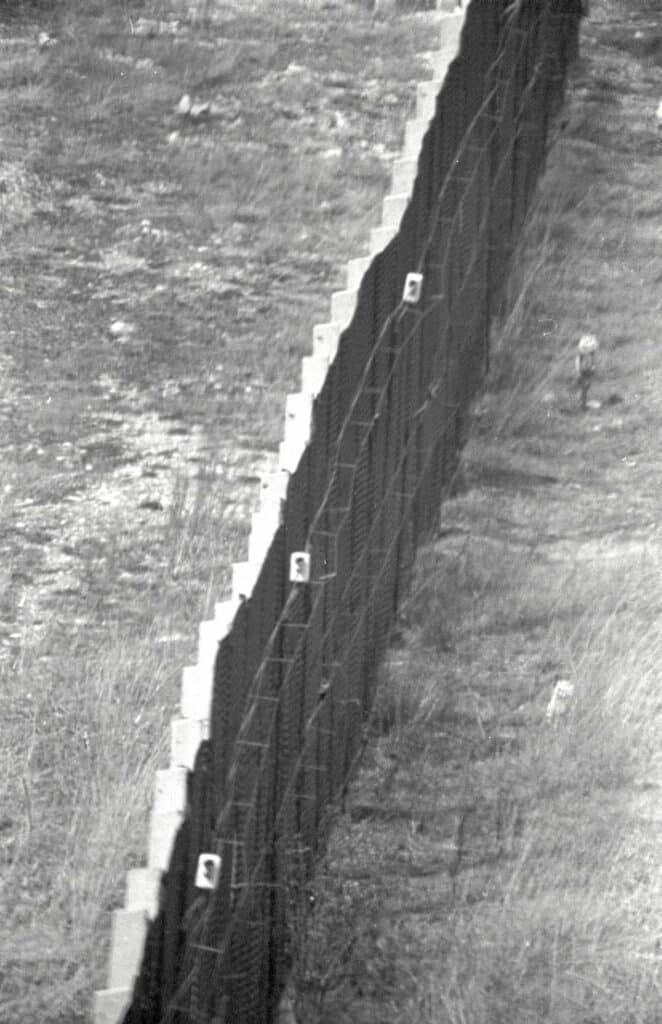
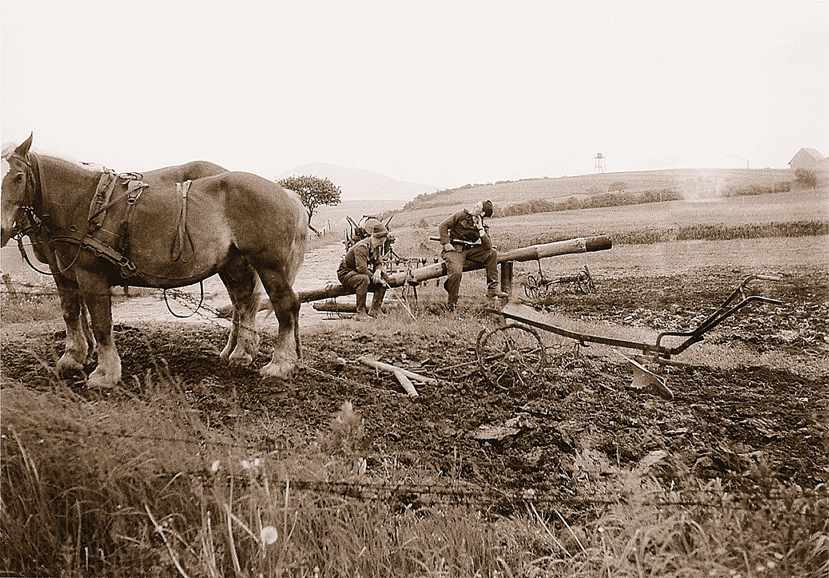
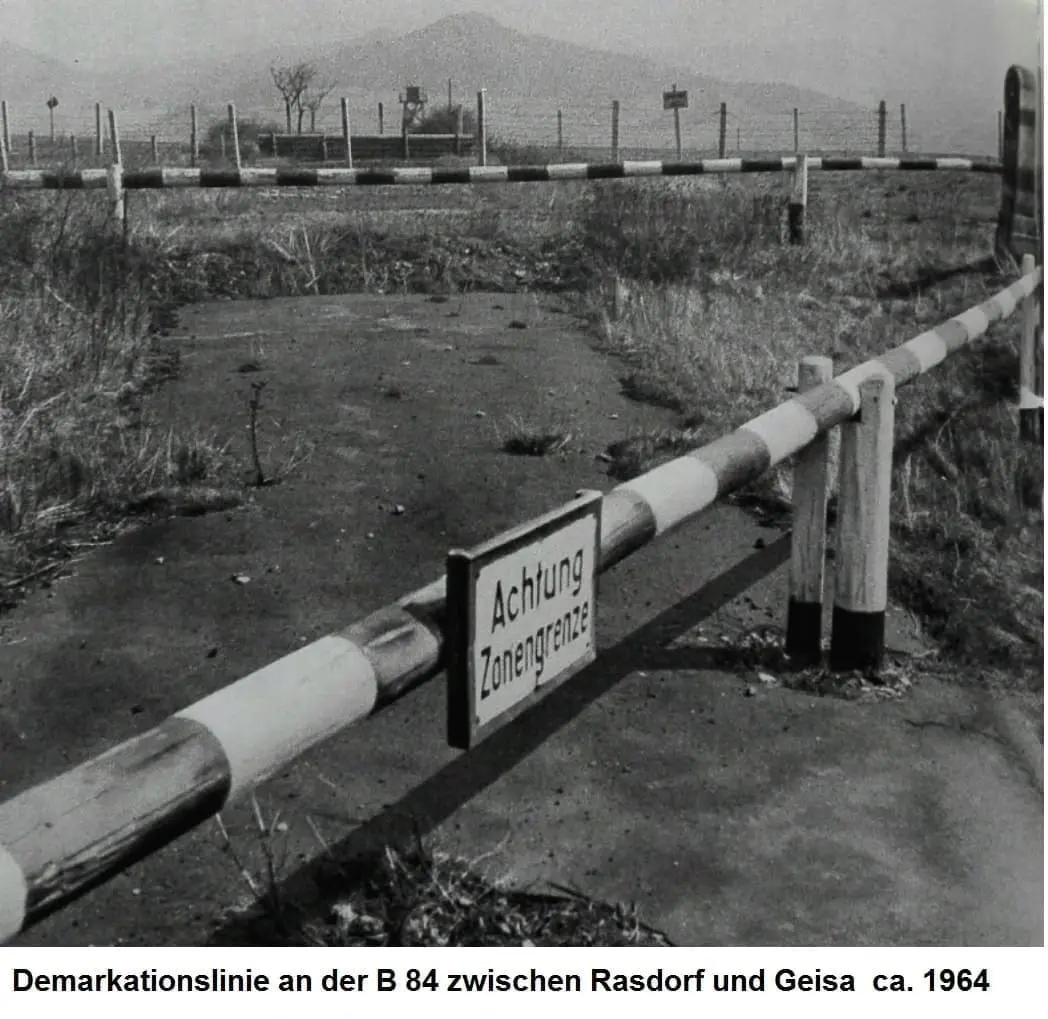
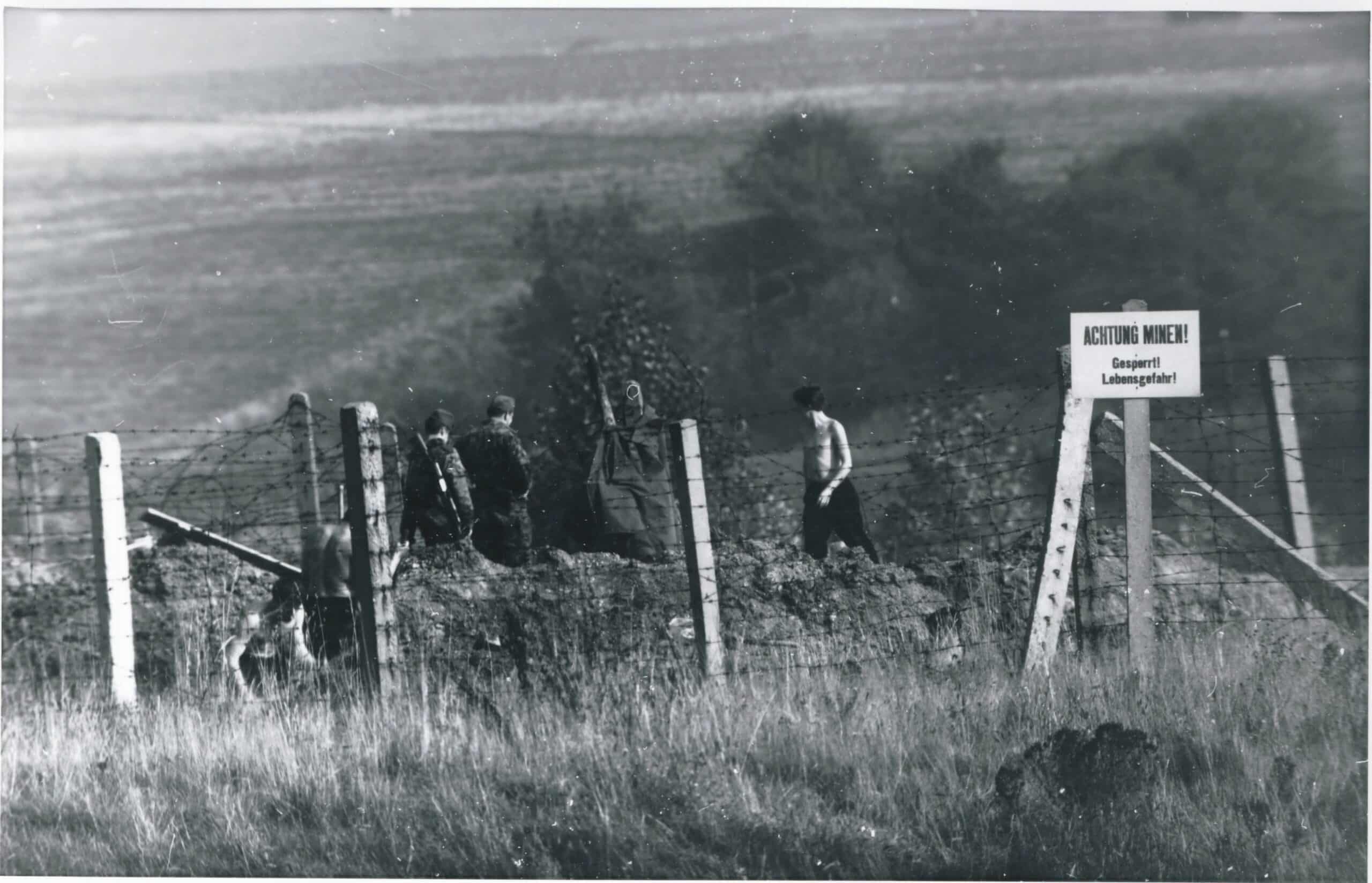
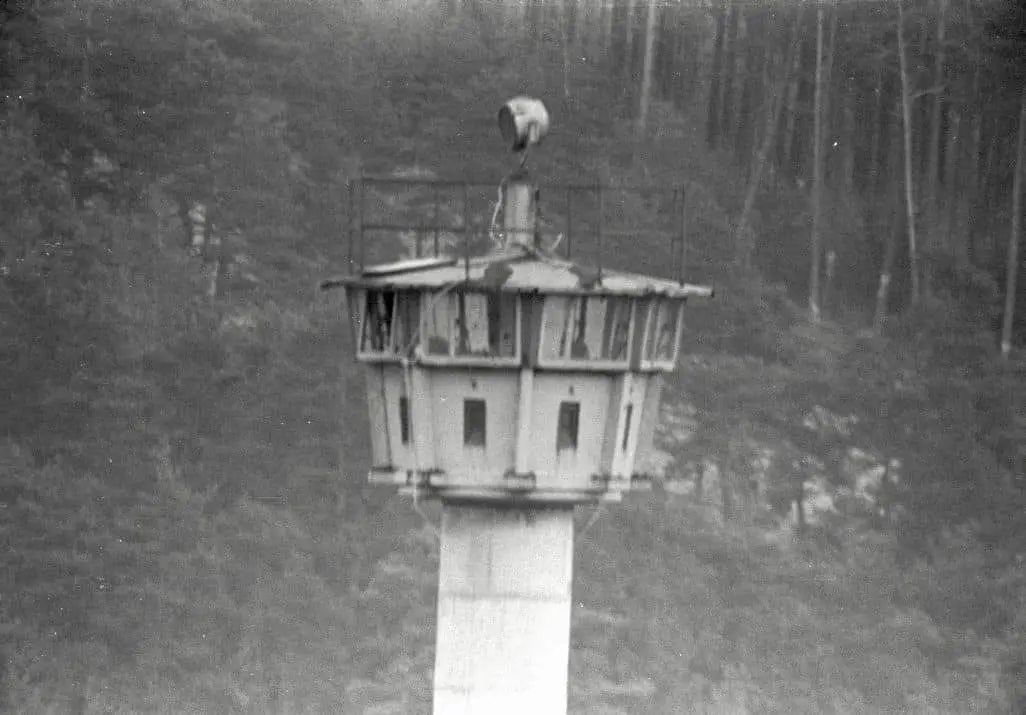
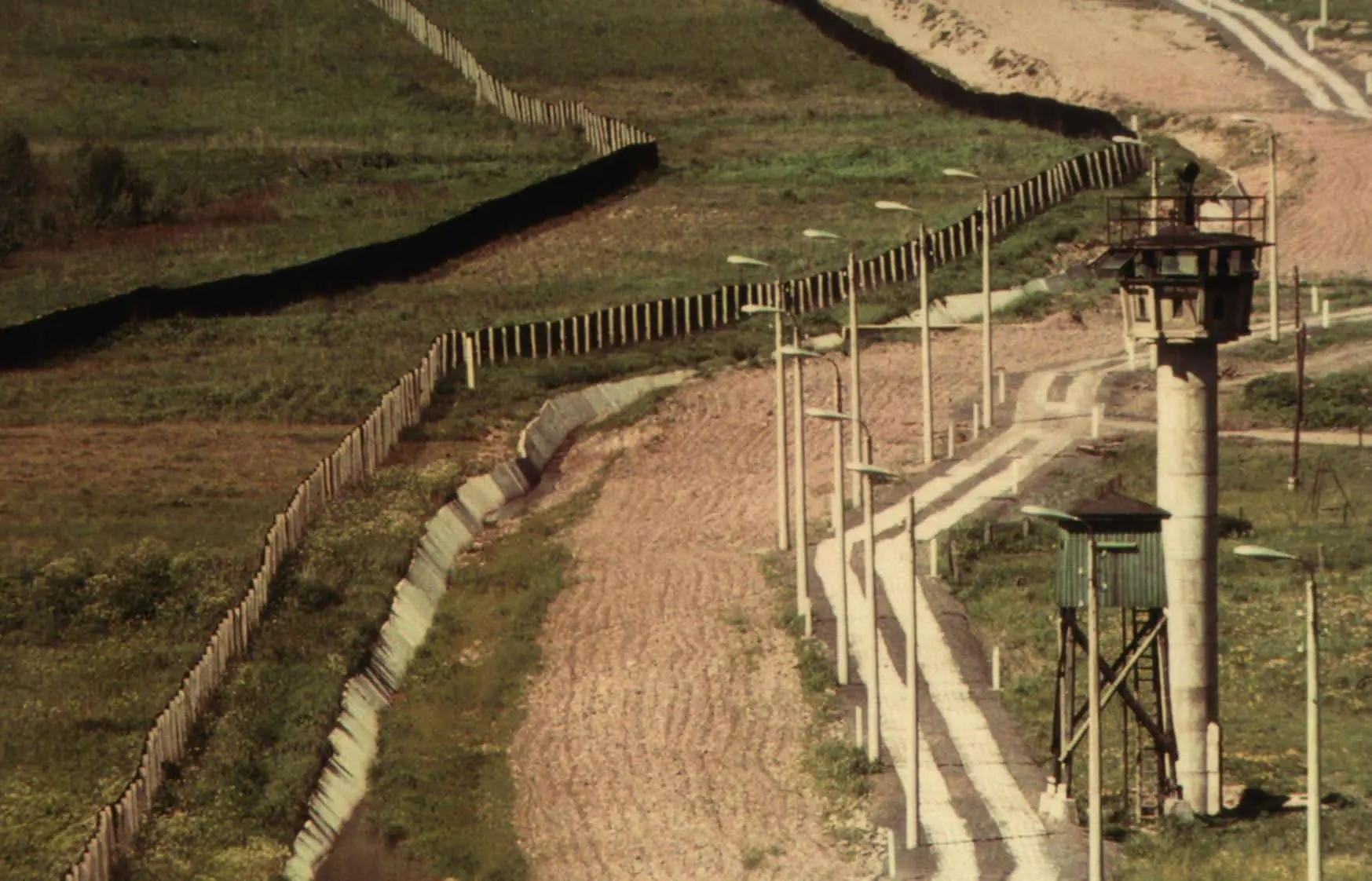
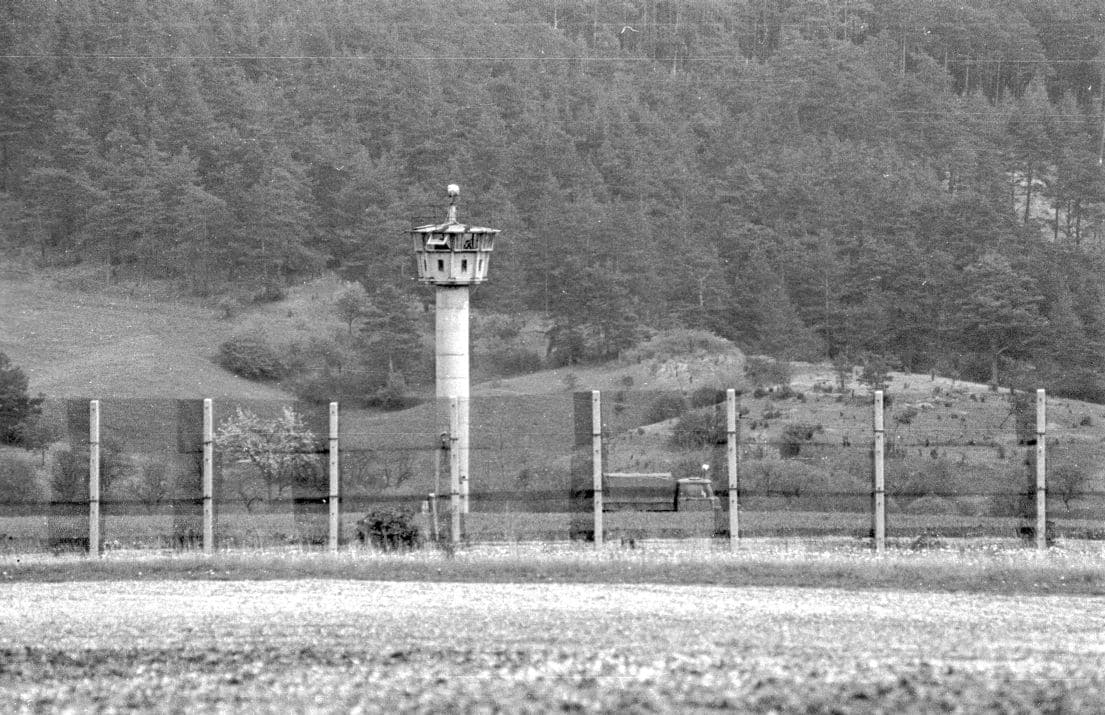
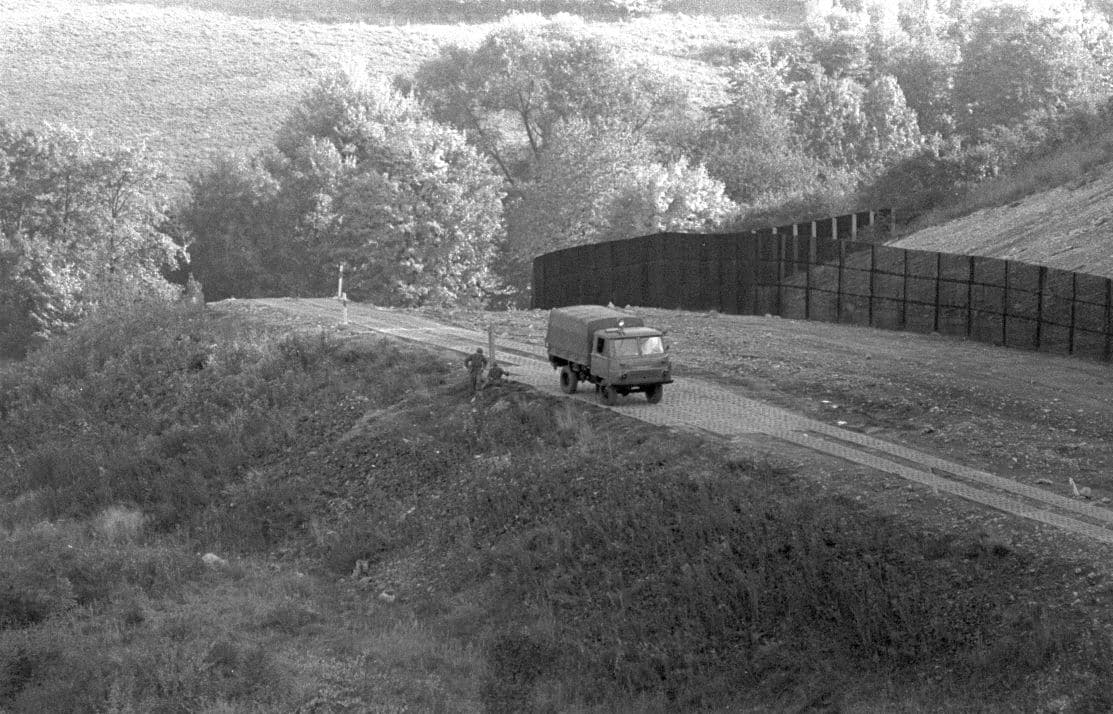
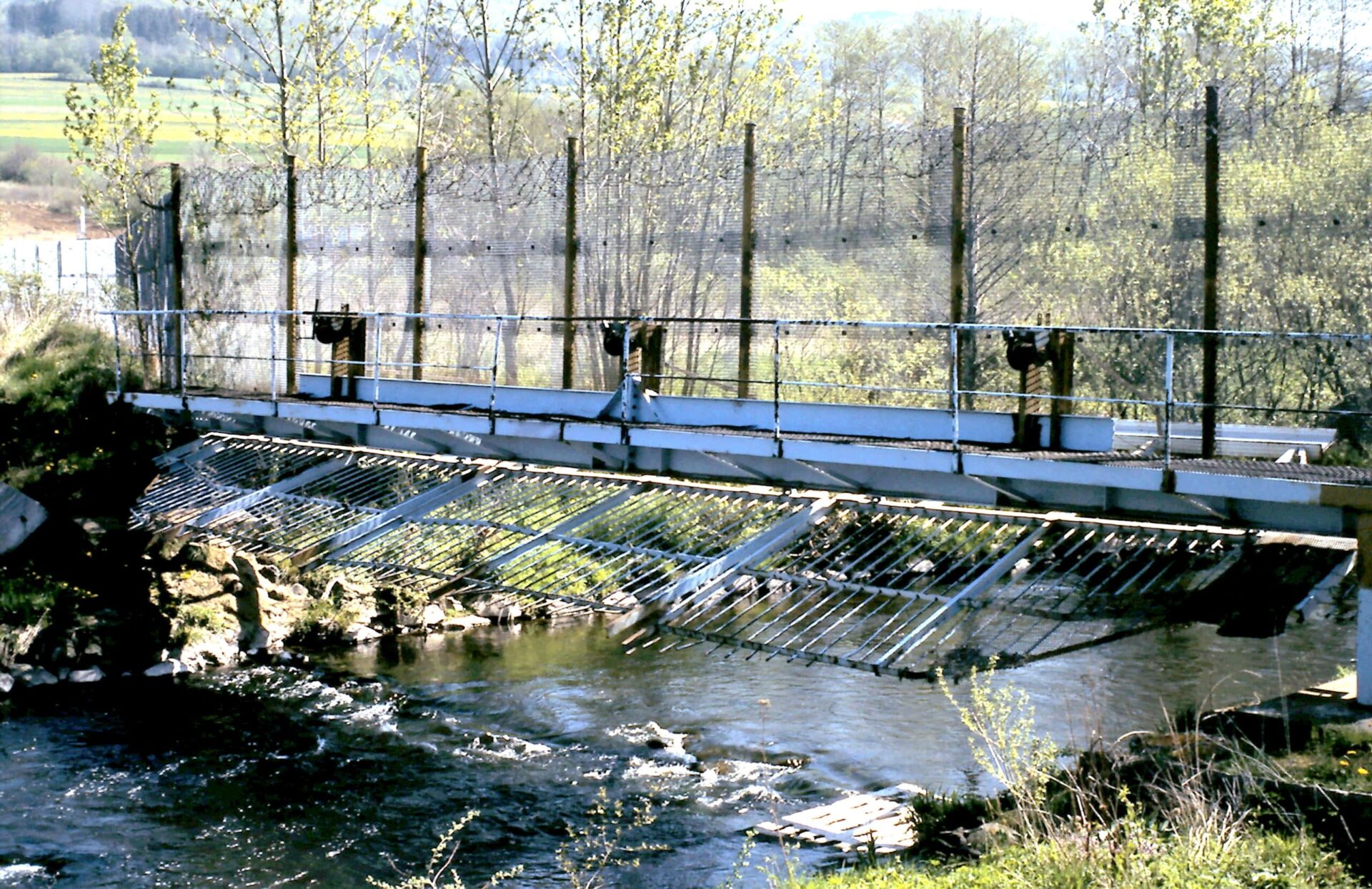
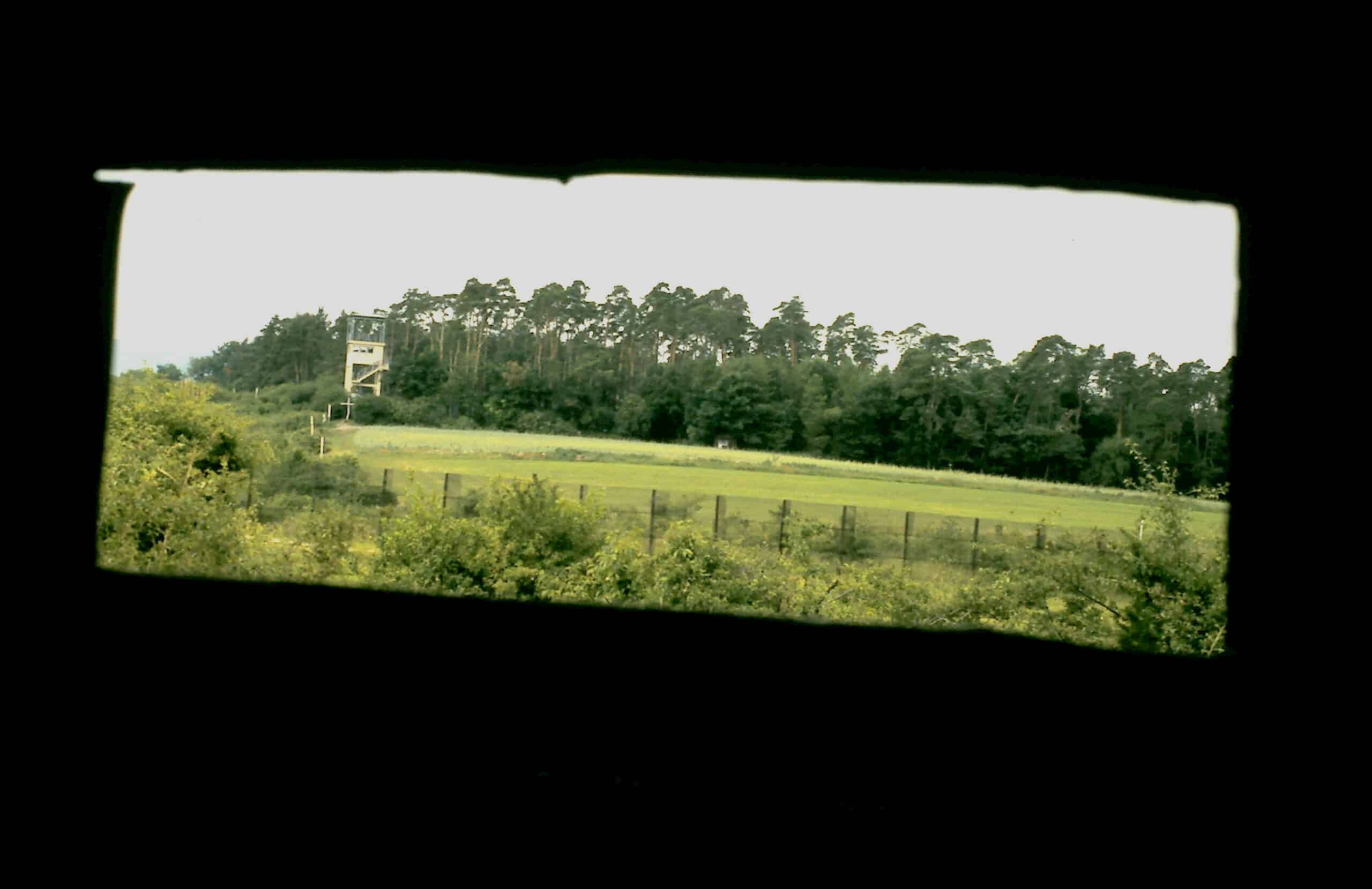
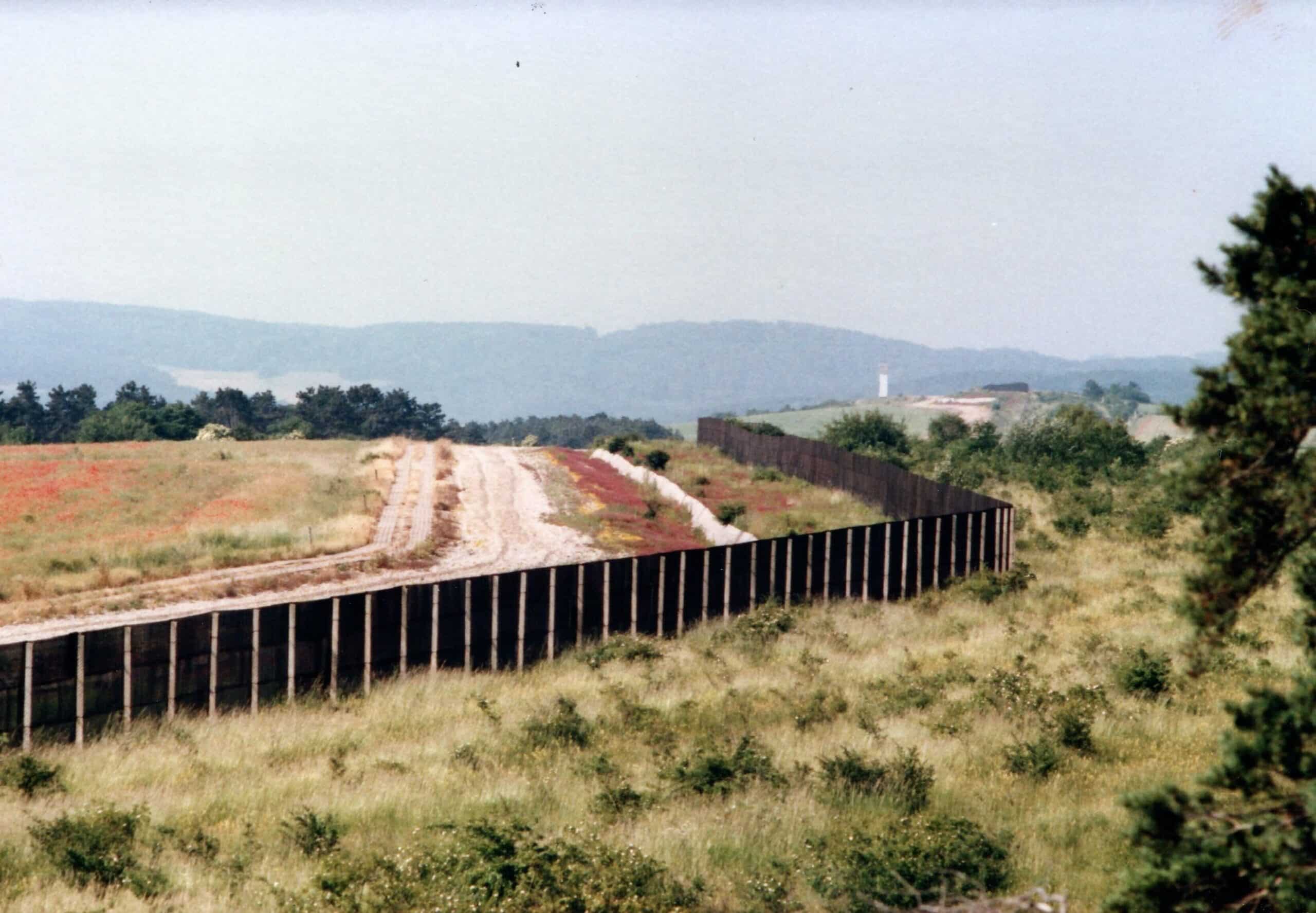
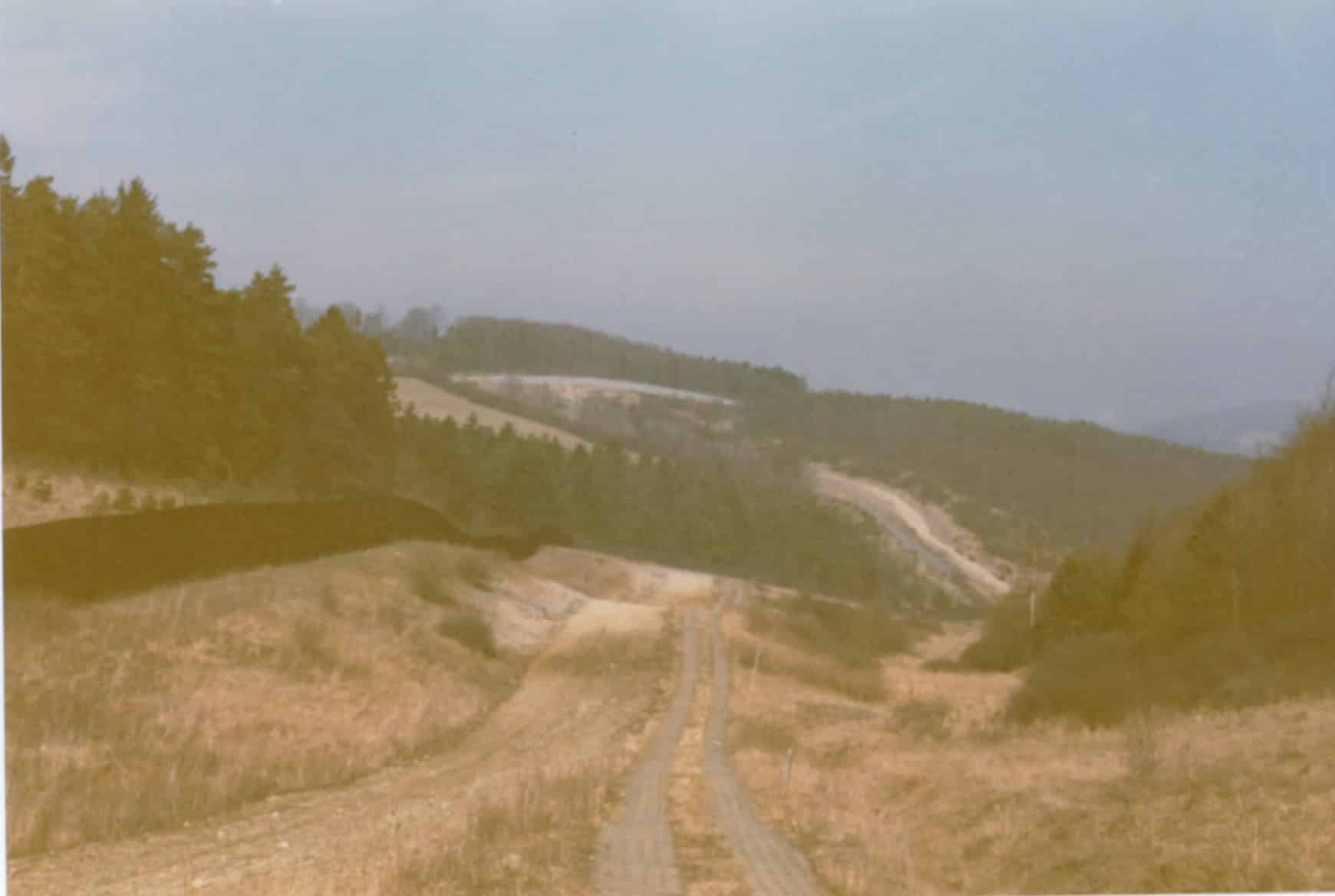
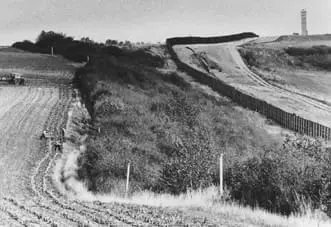
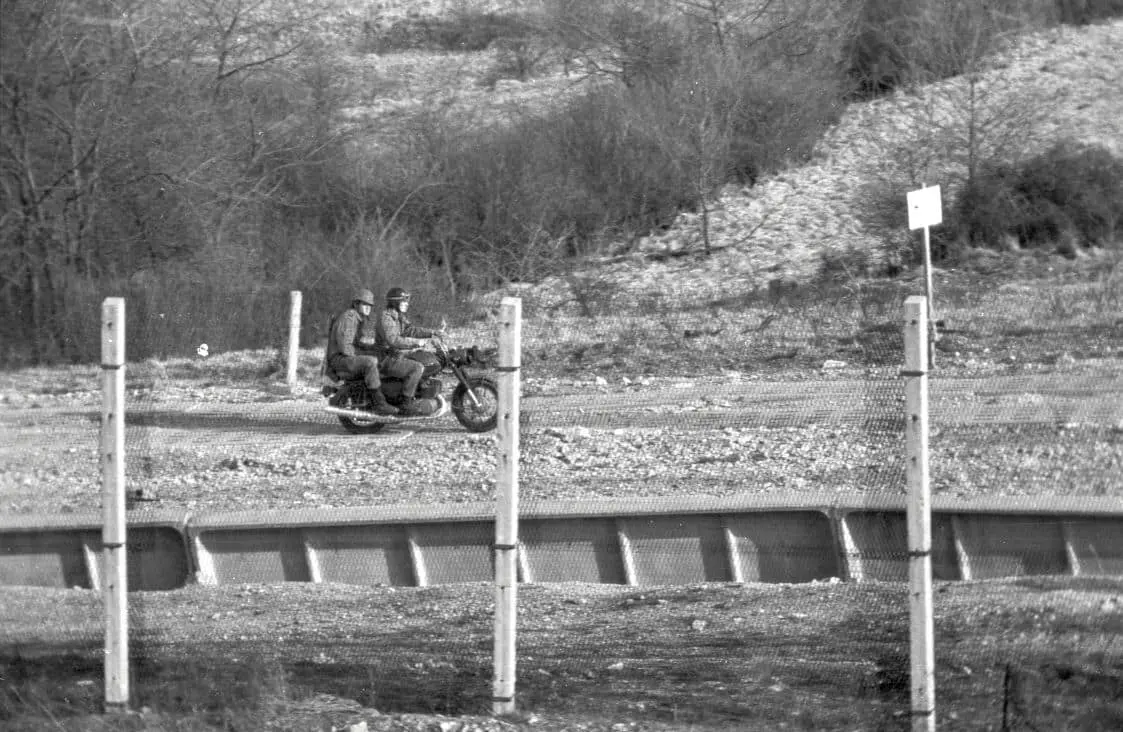
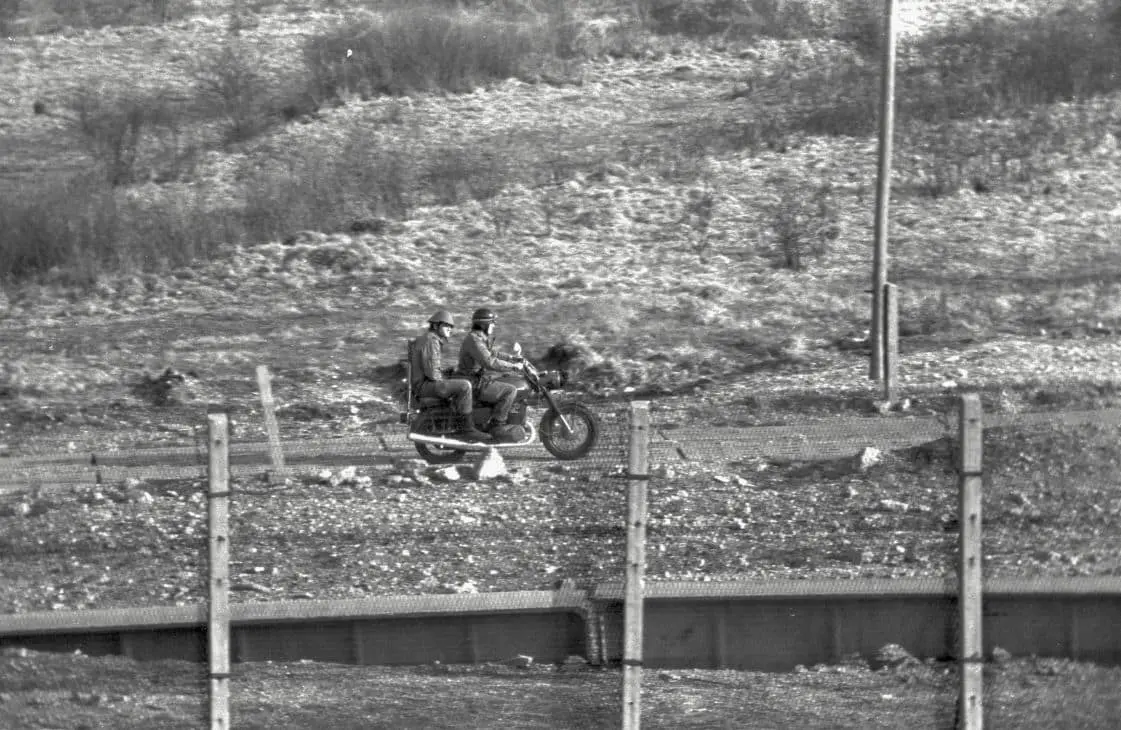
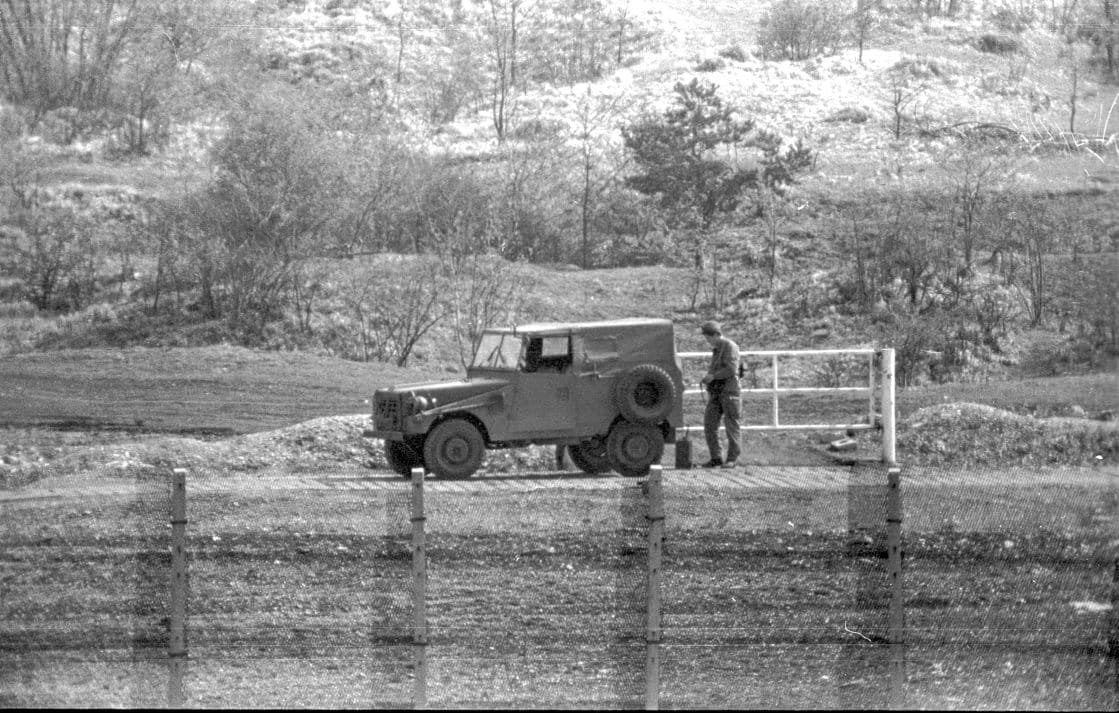
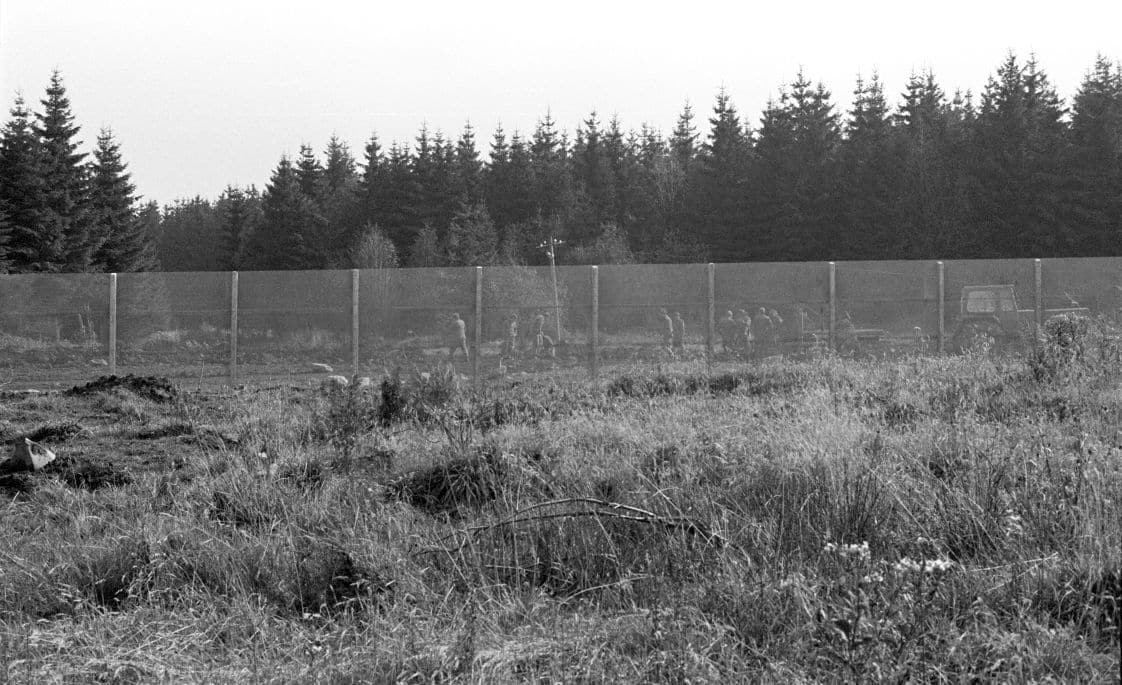
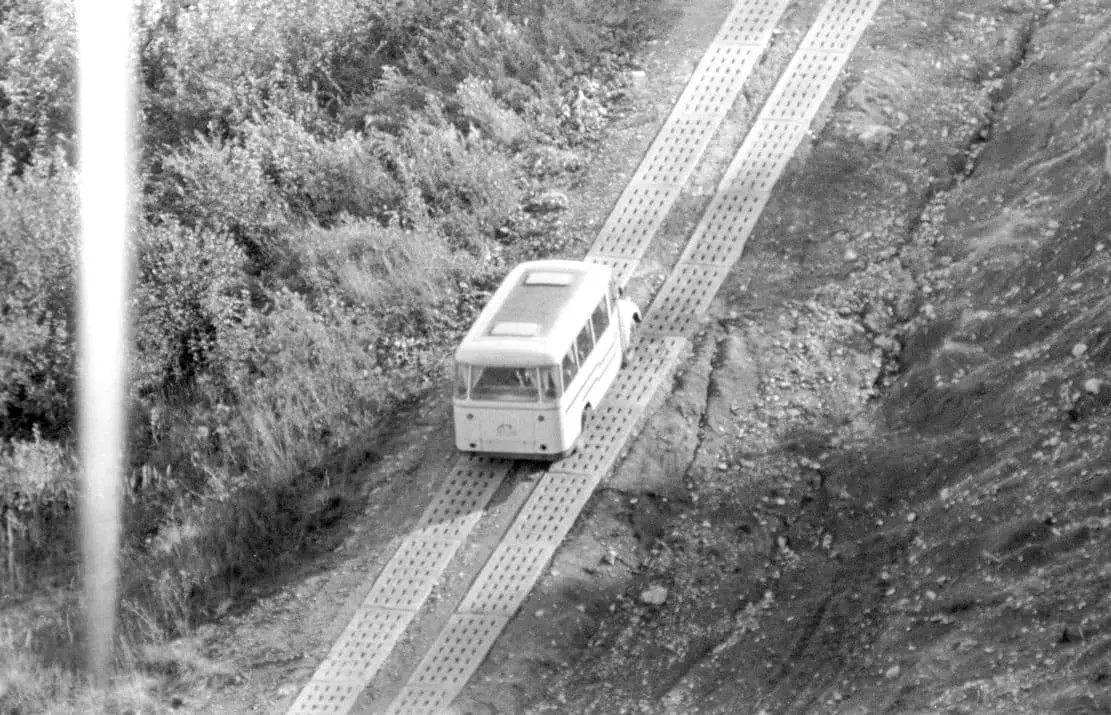
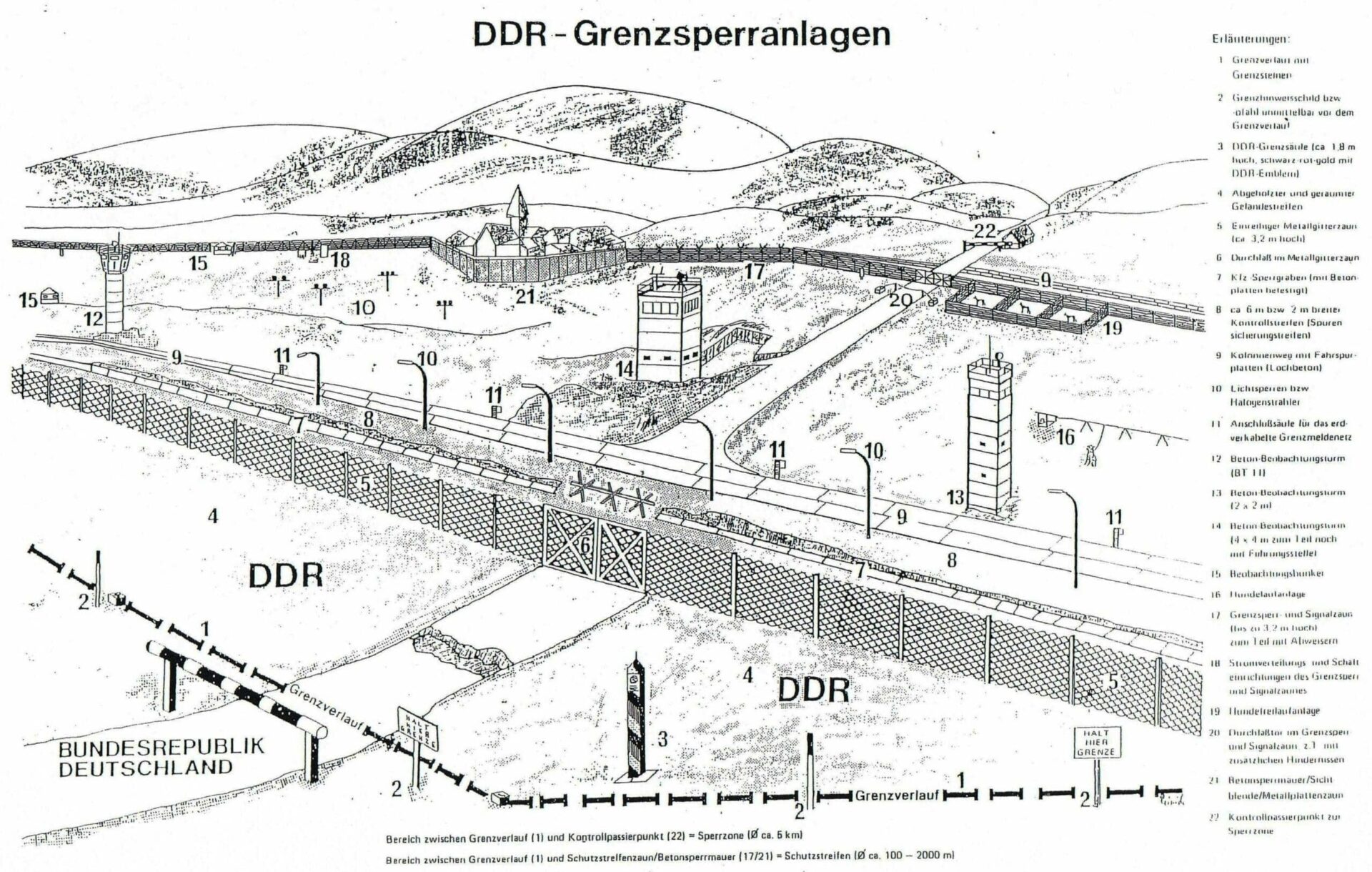
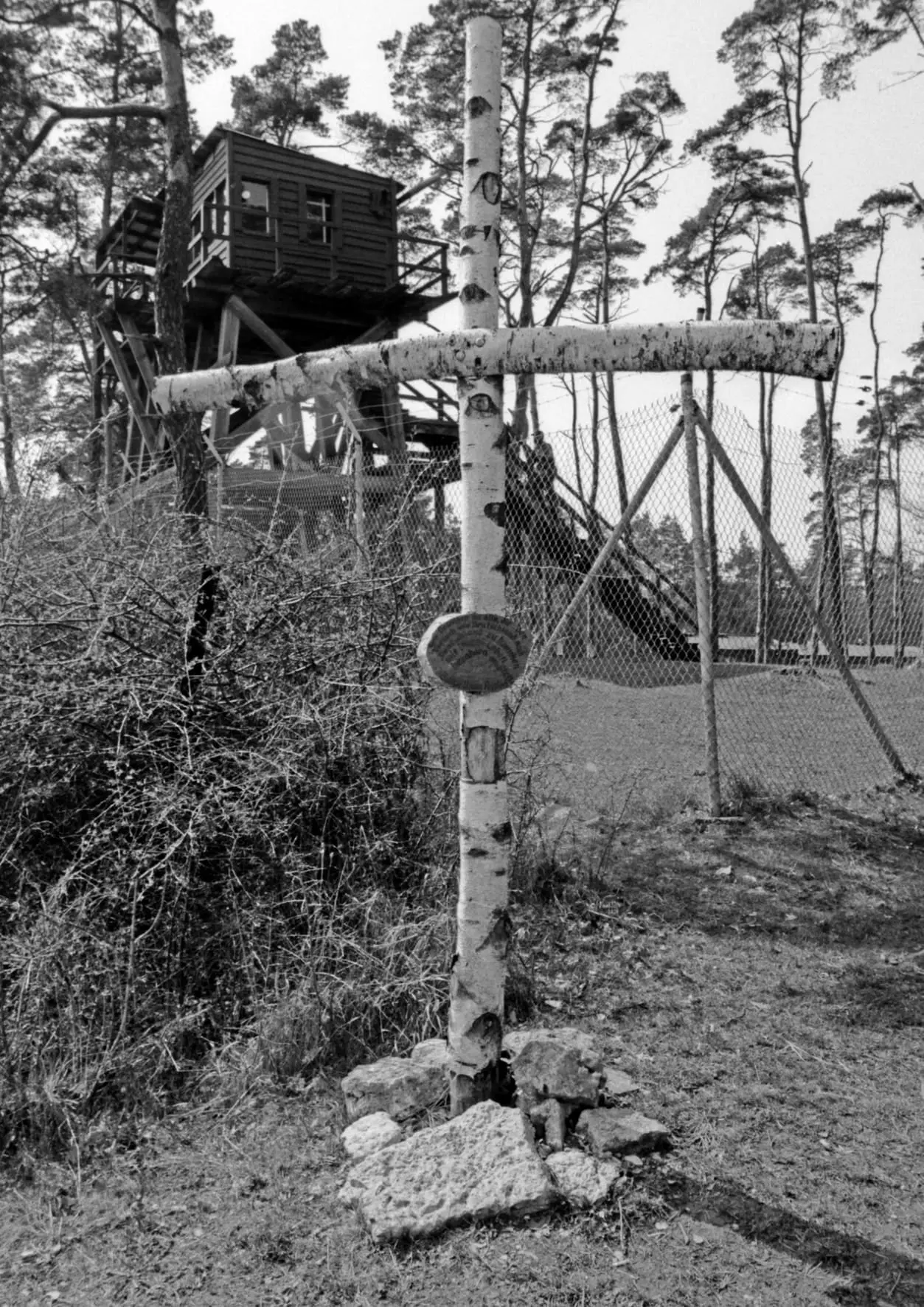
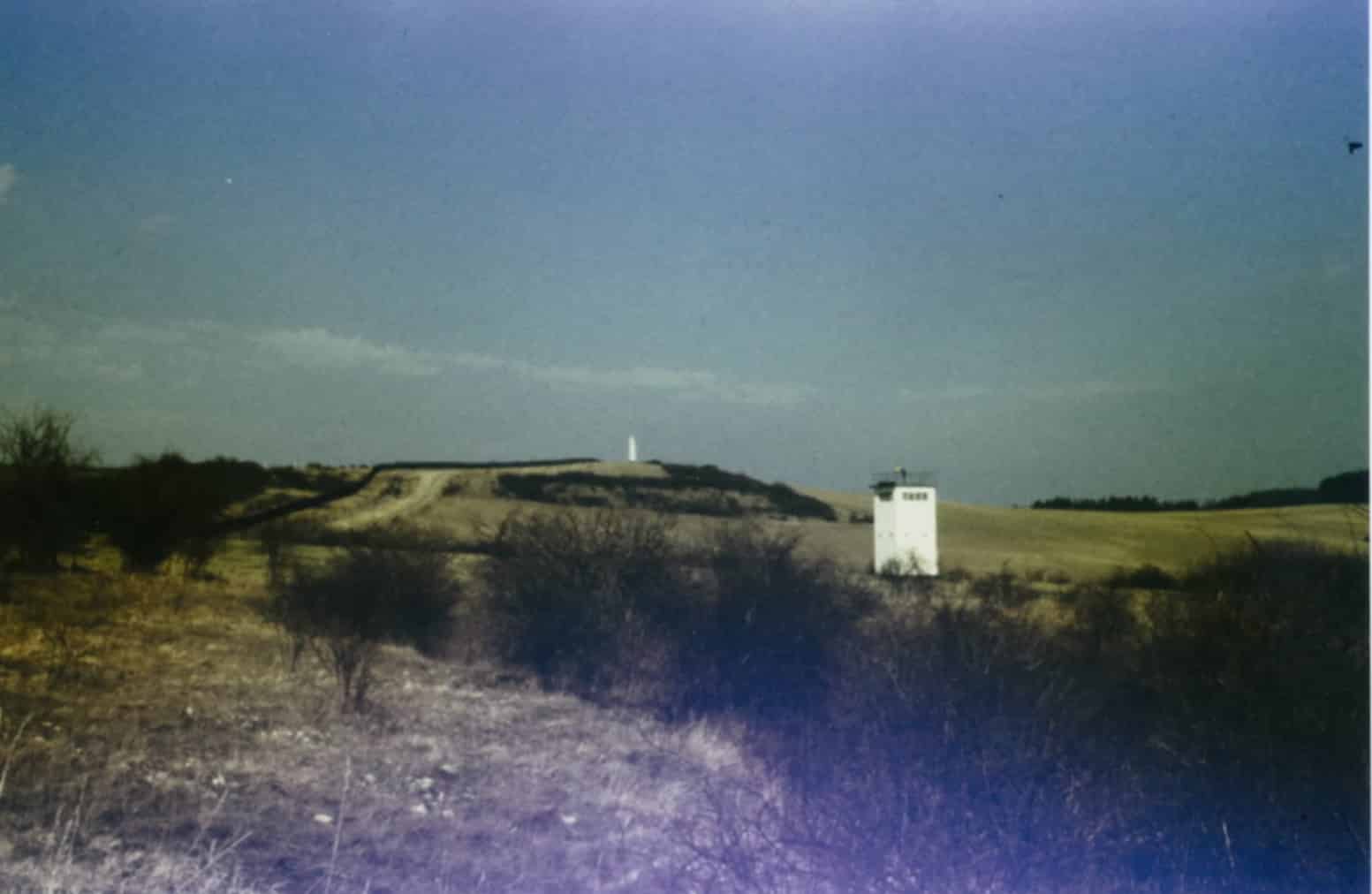
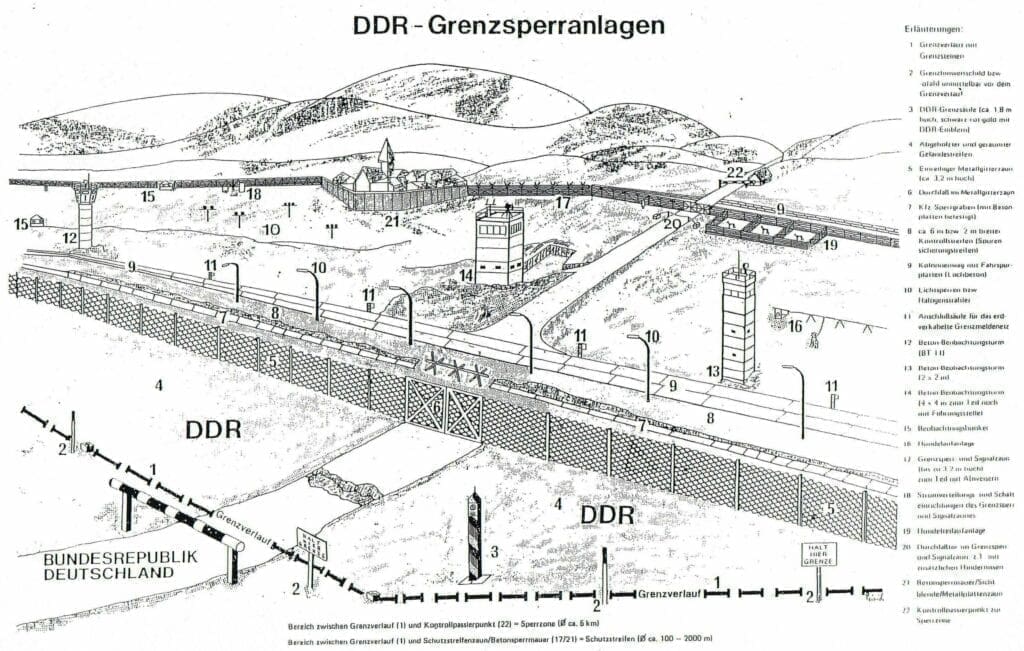
Contrary to the previous public assurances of the then DDR-Staatsratsvorsitzenden (GDR Council of State Chairman) Walter Ulbricht, further tightened regulations for inner-German border security came into force on August 13, 1961. By the 1st of April 1962, the border was systematically fortified in three stages, wired mines, roadblocks as well as observation towers, and over 614 kilometers of minefields.
The Border Remains a Reality - 1971 to 1989
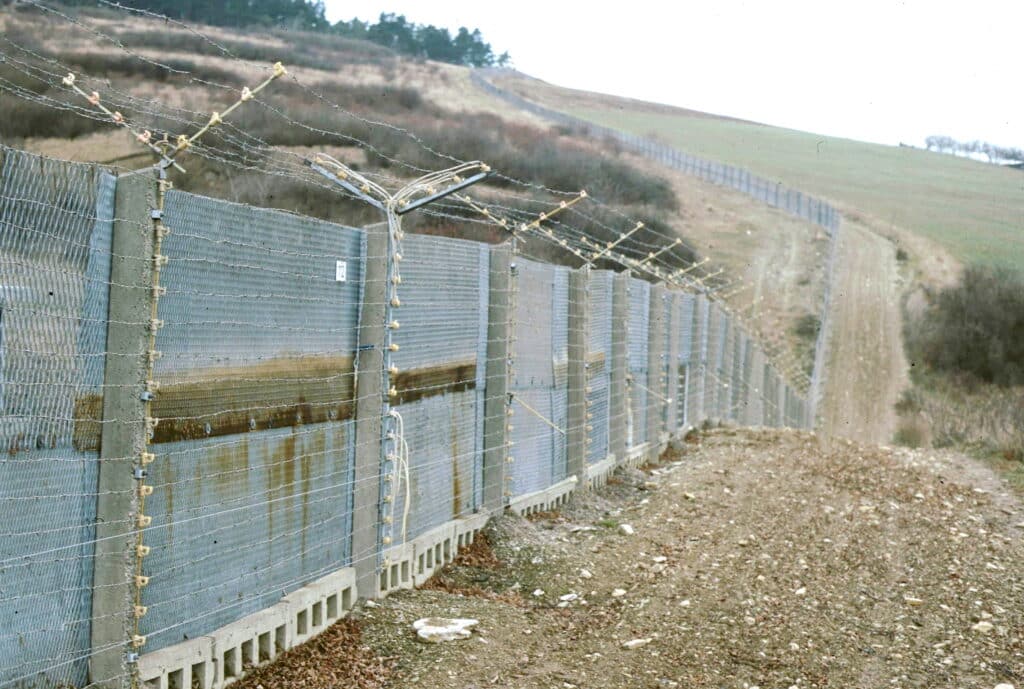
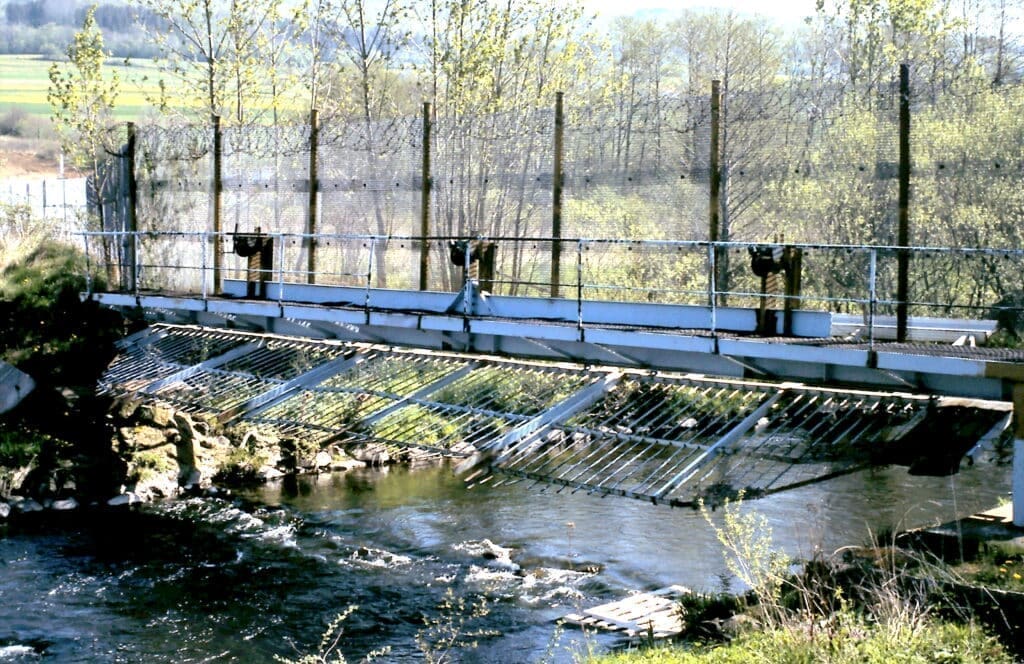
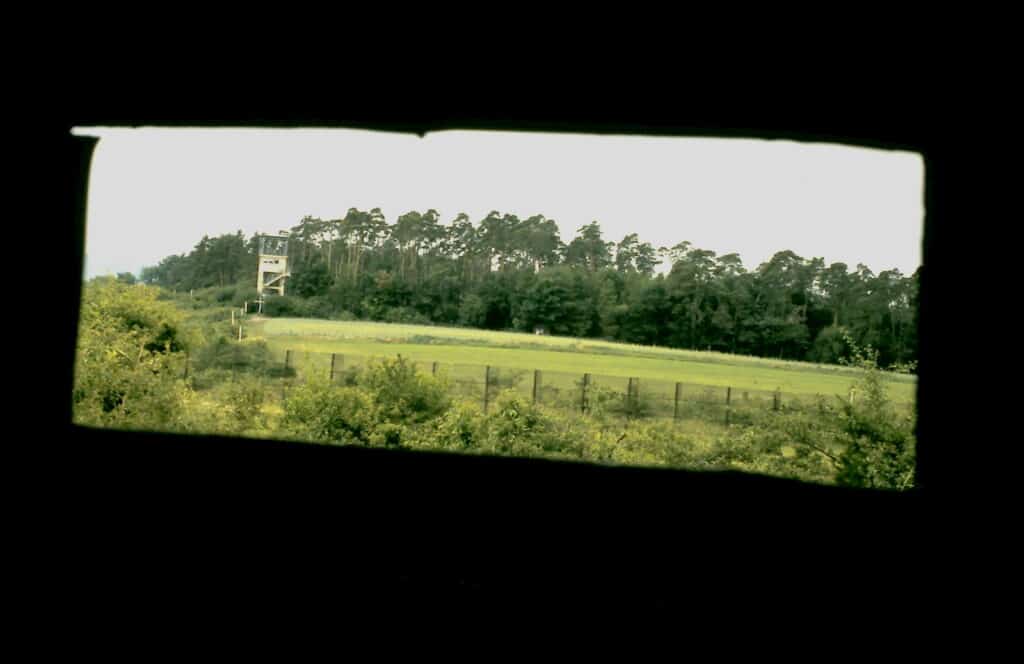
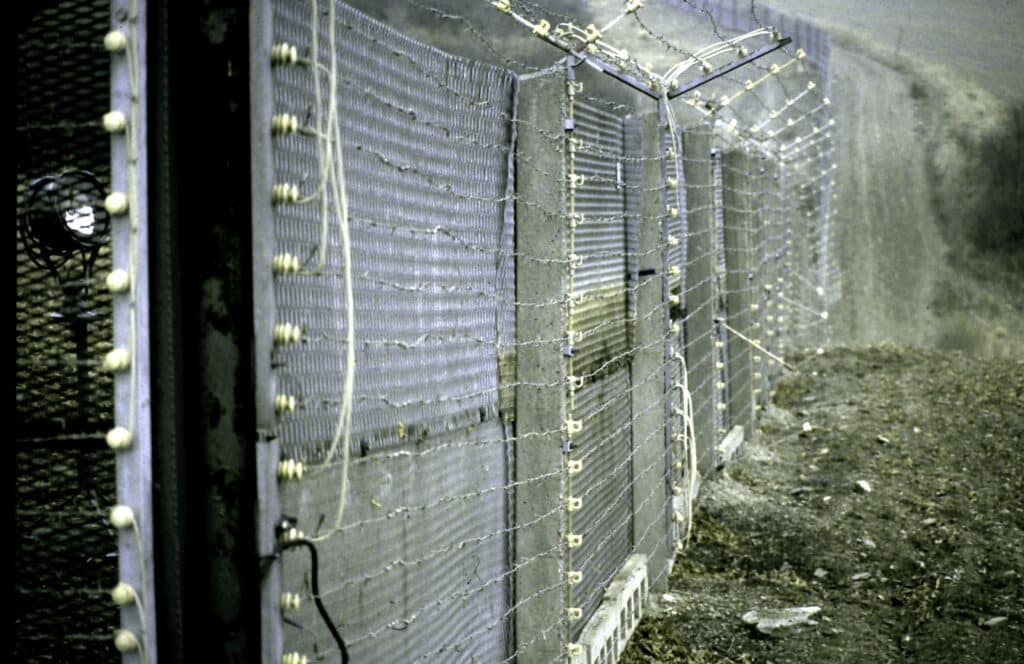
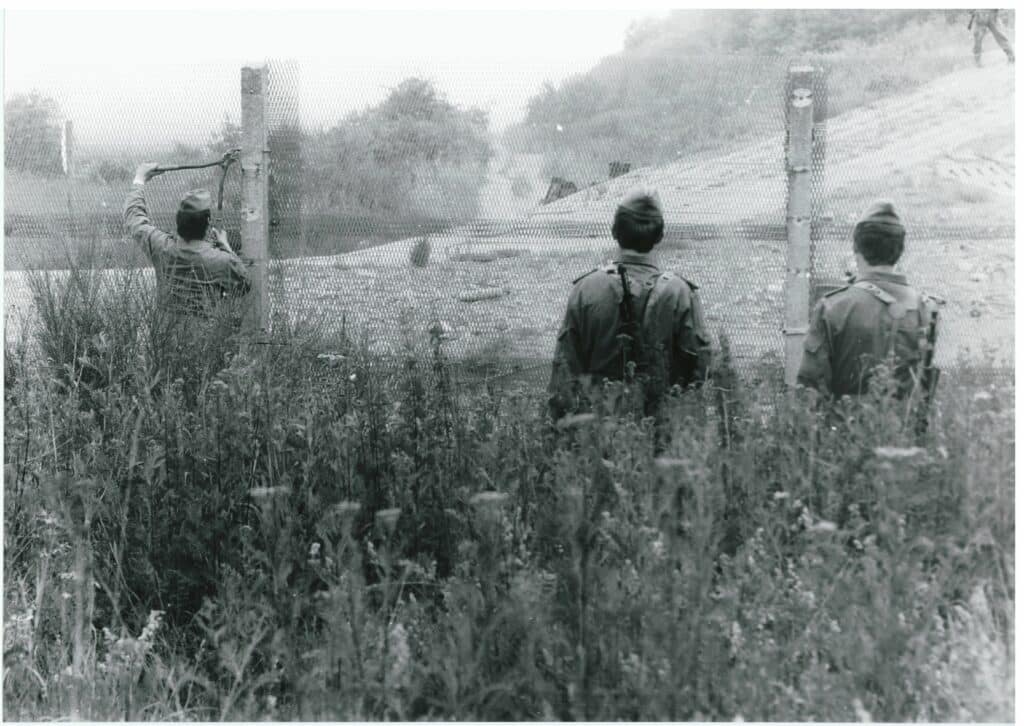
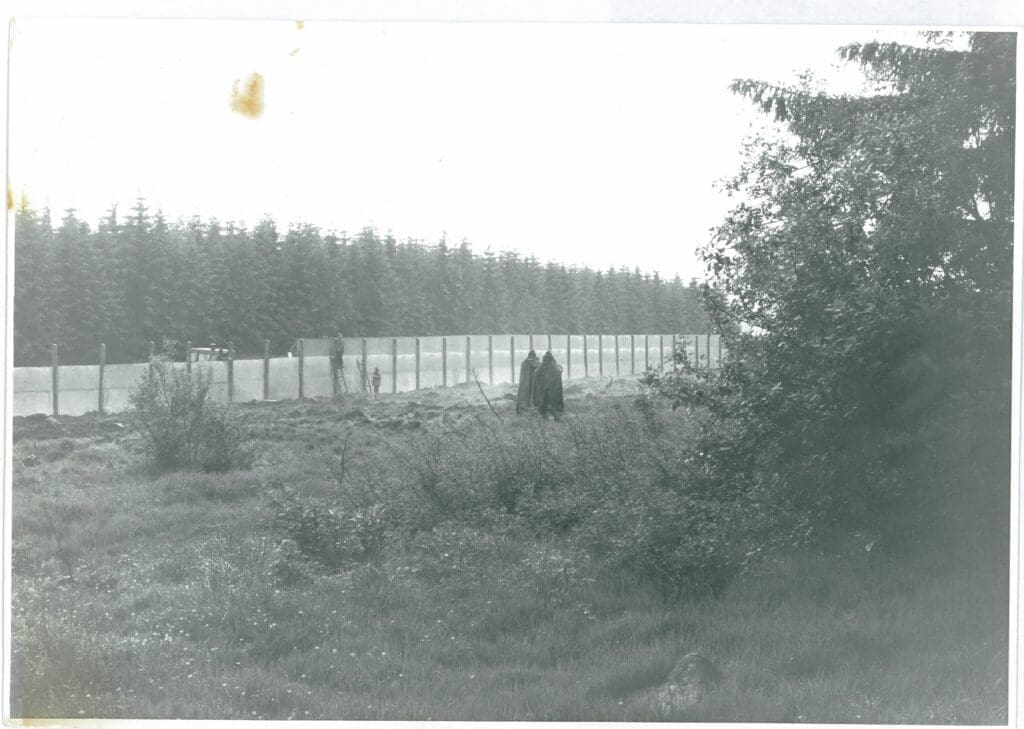
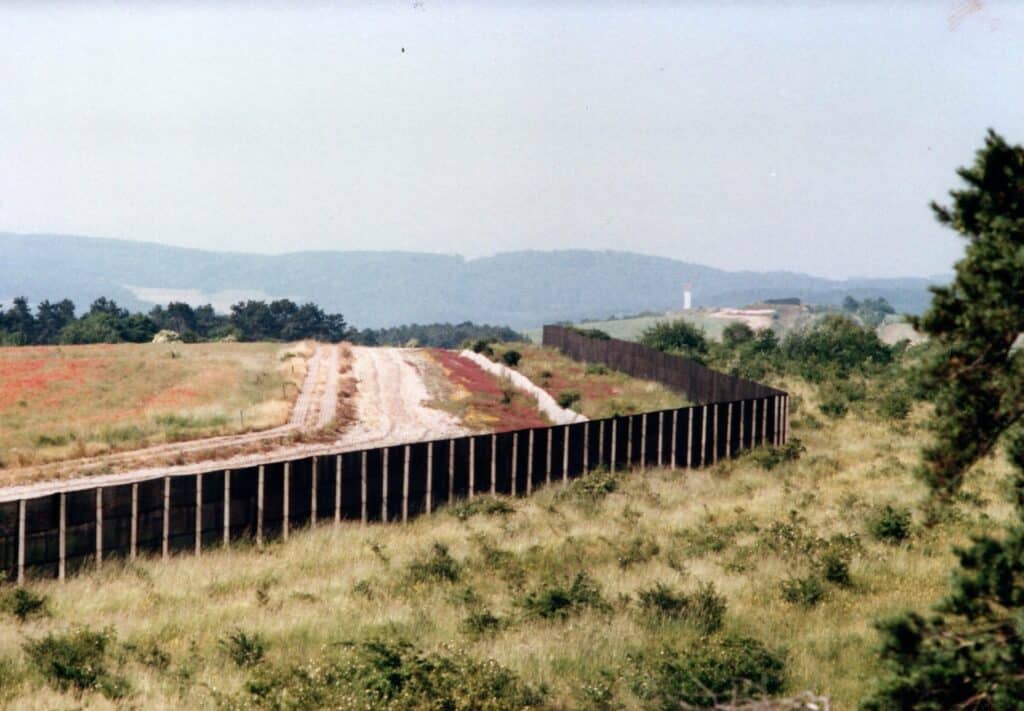
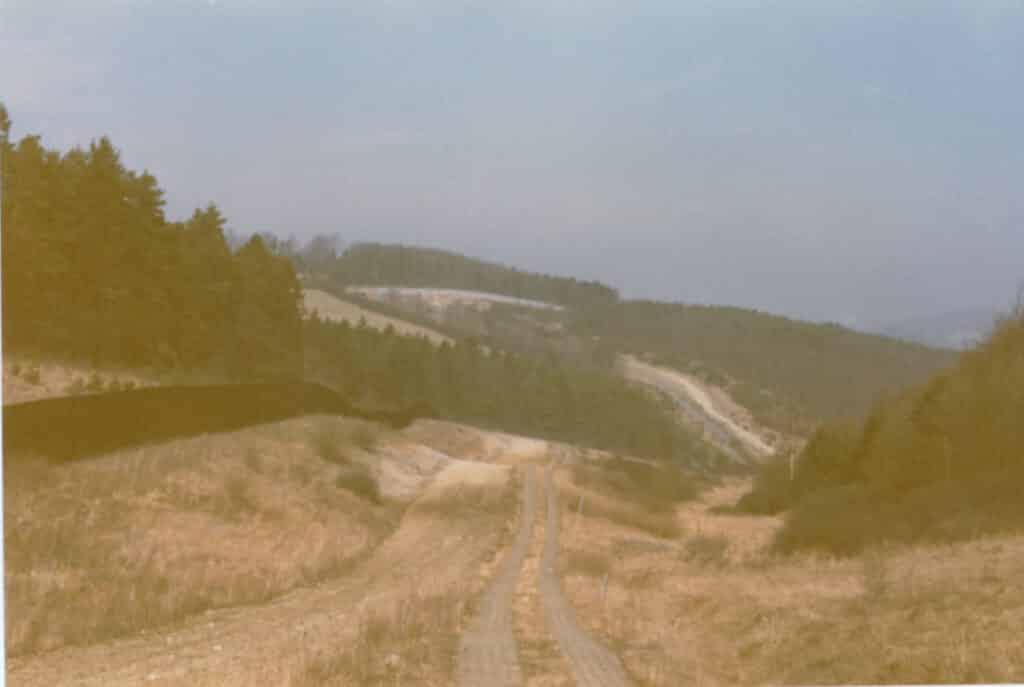
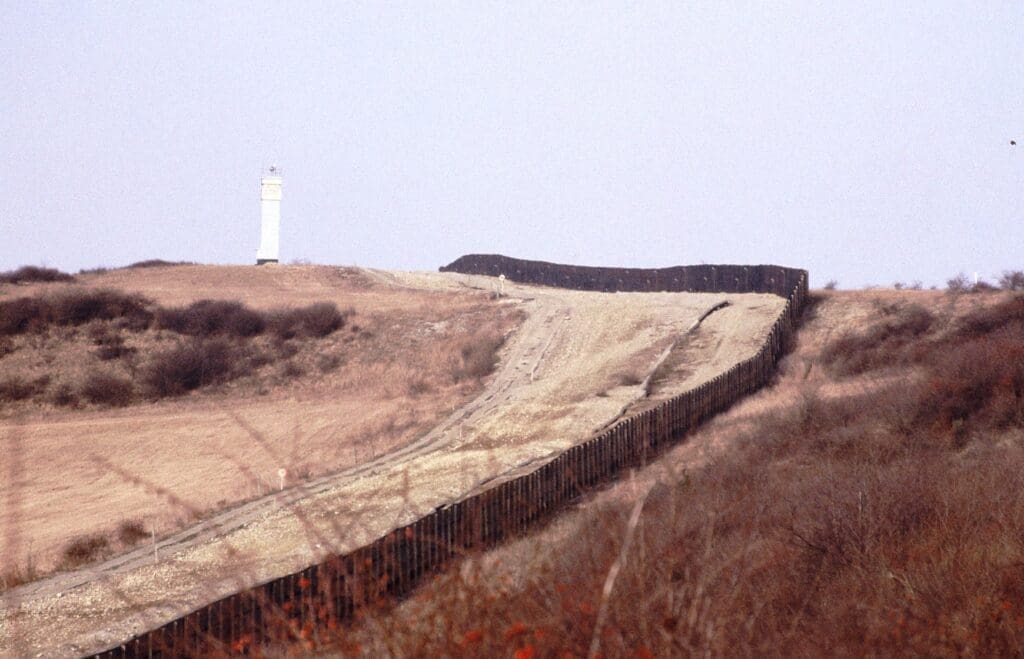
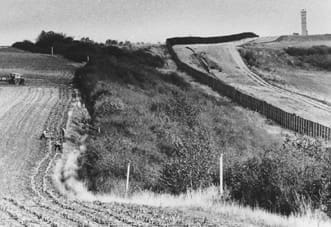
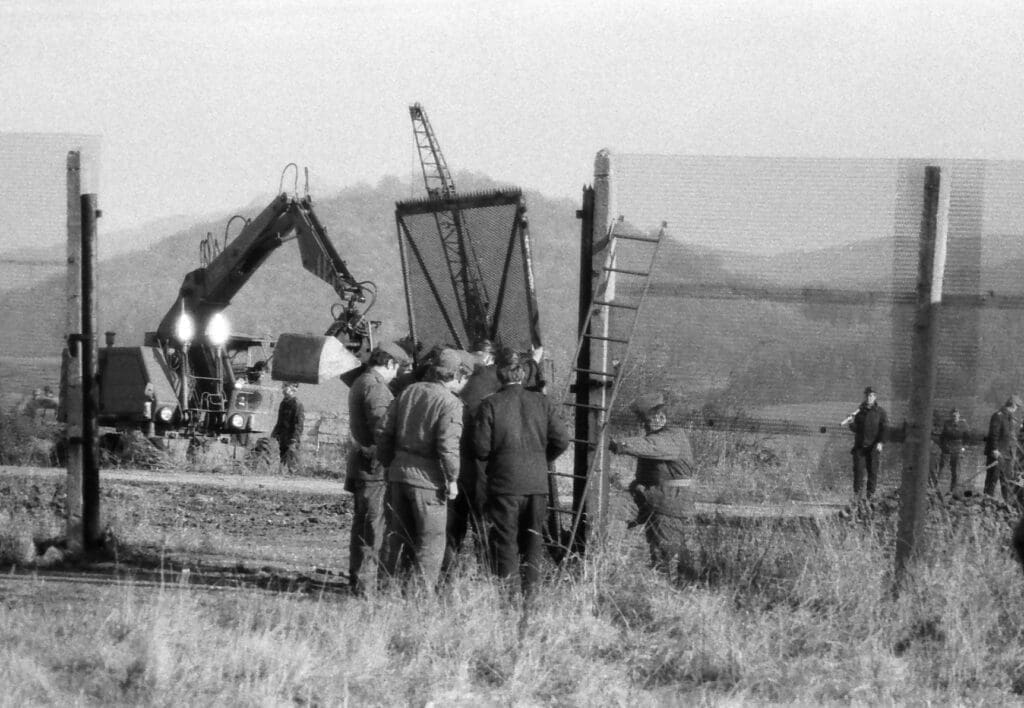
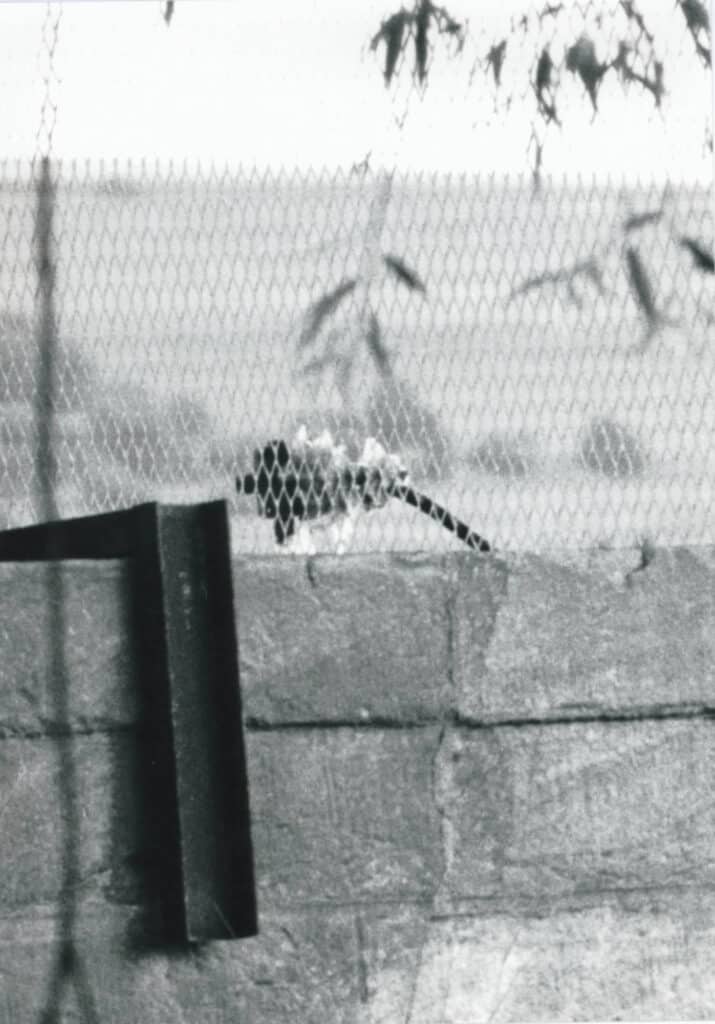
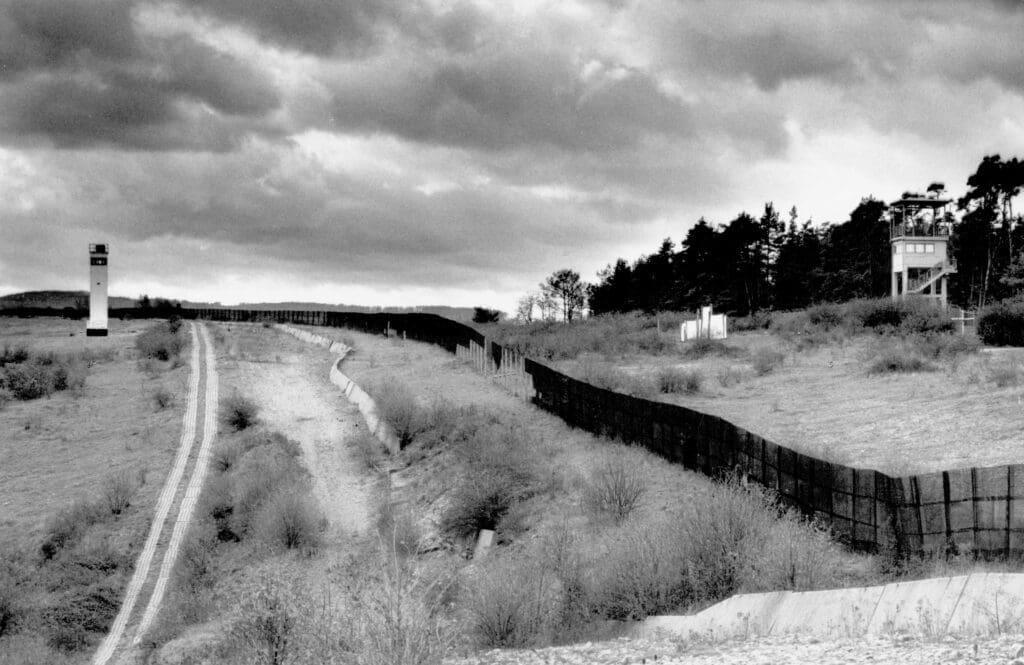
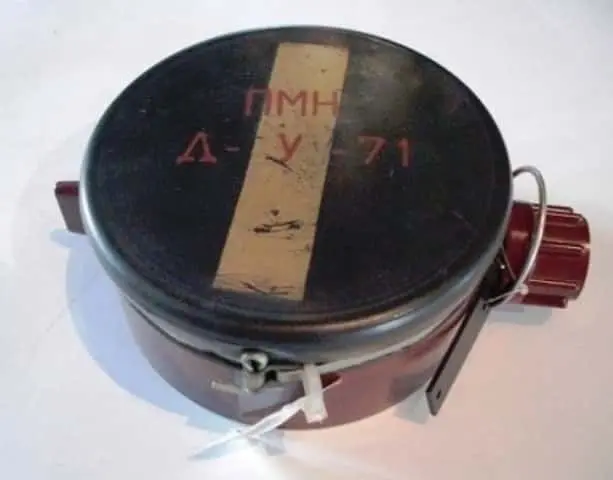
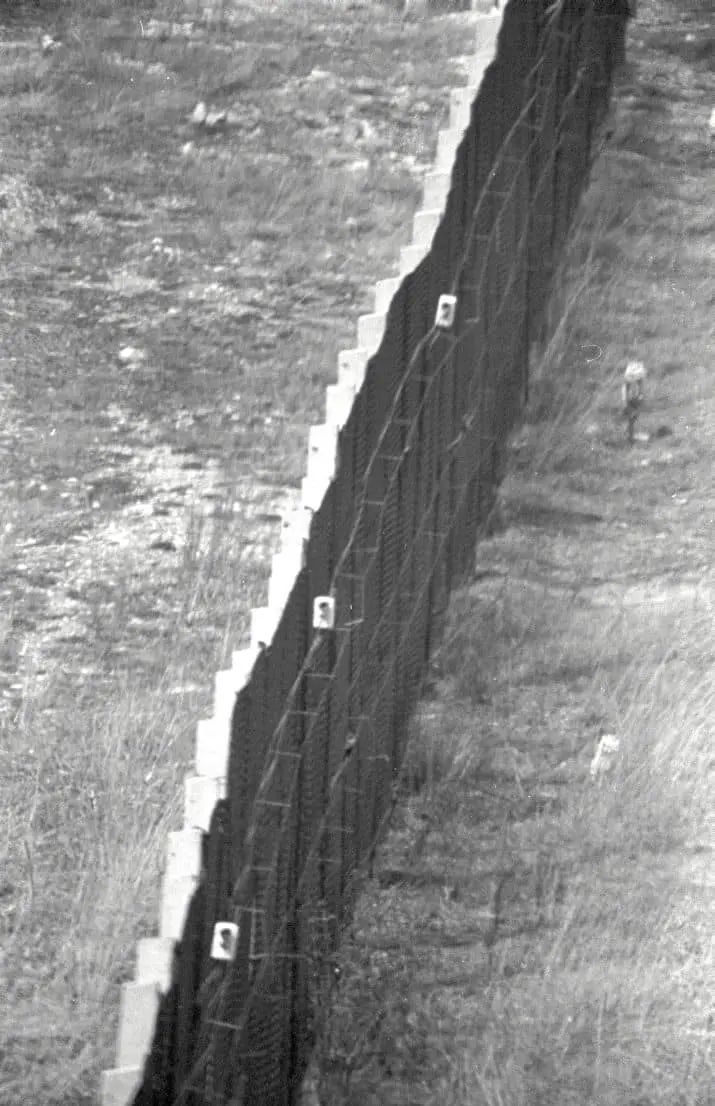
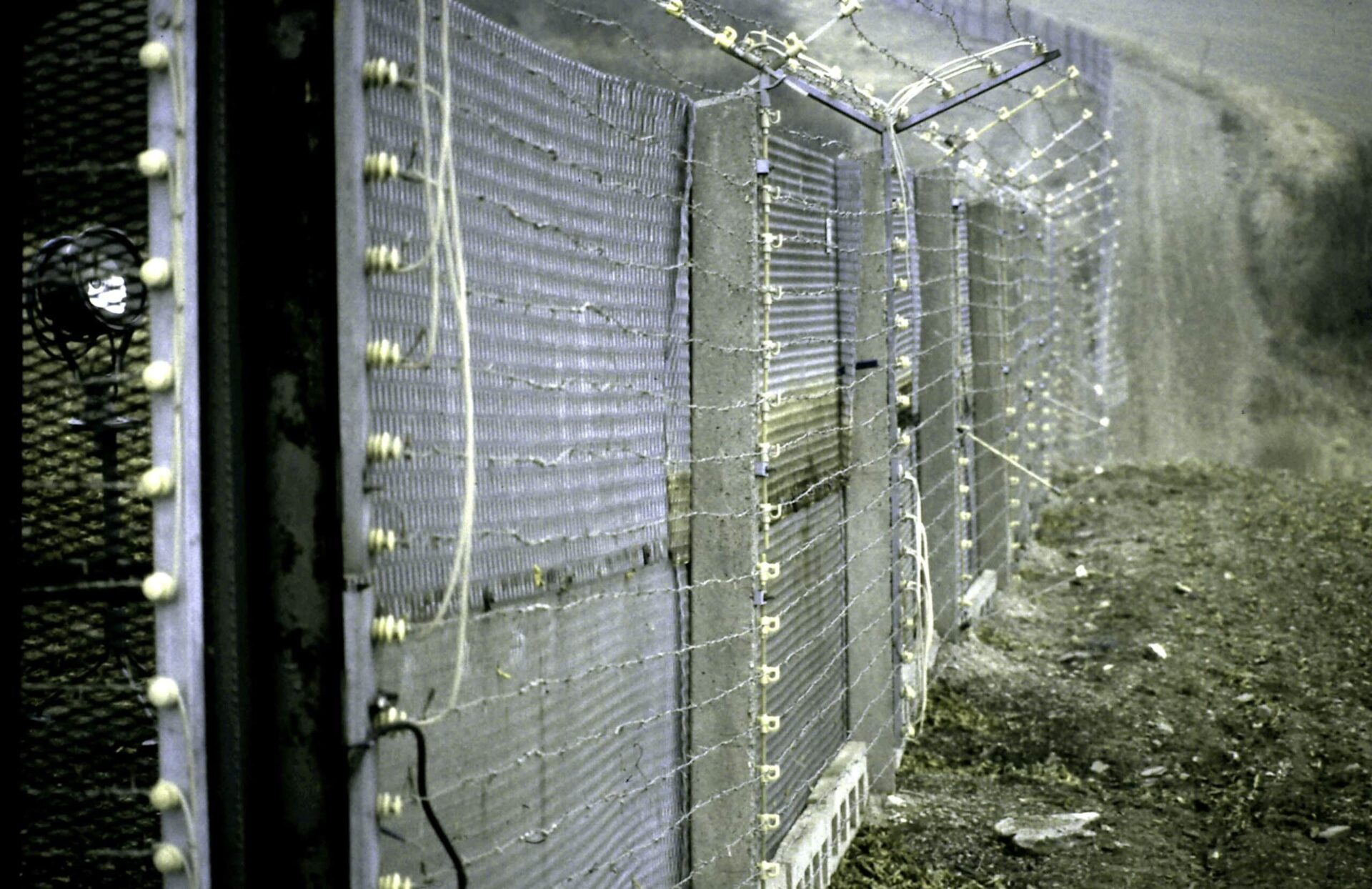
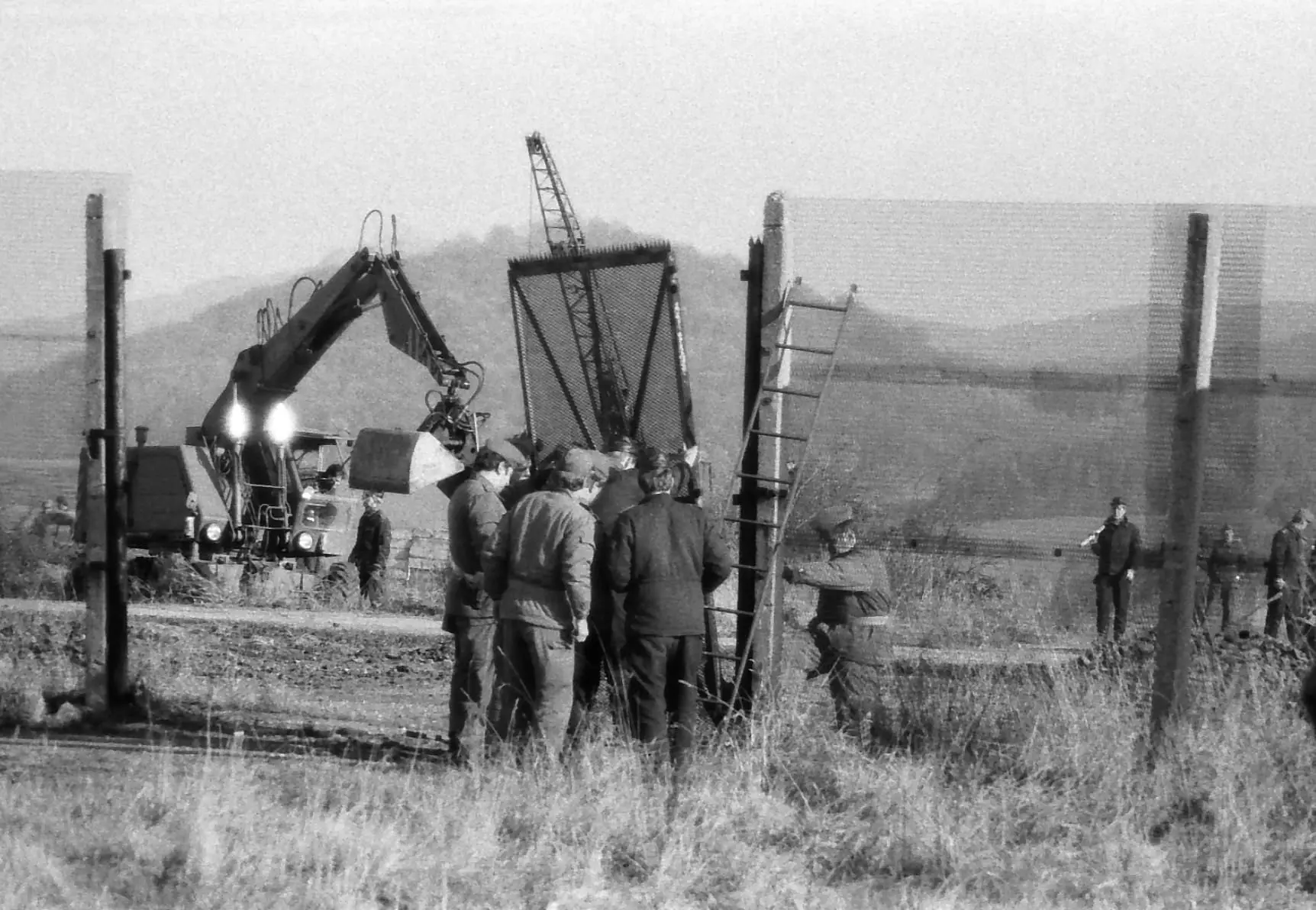
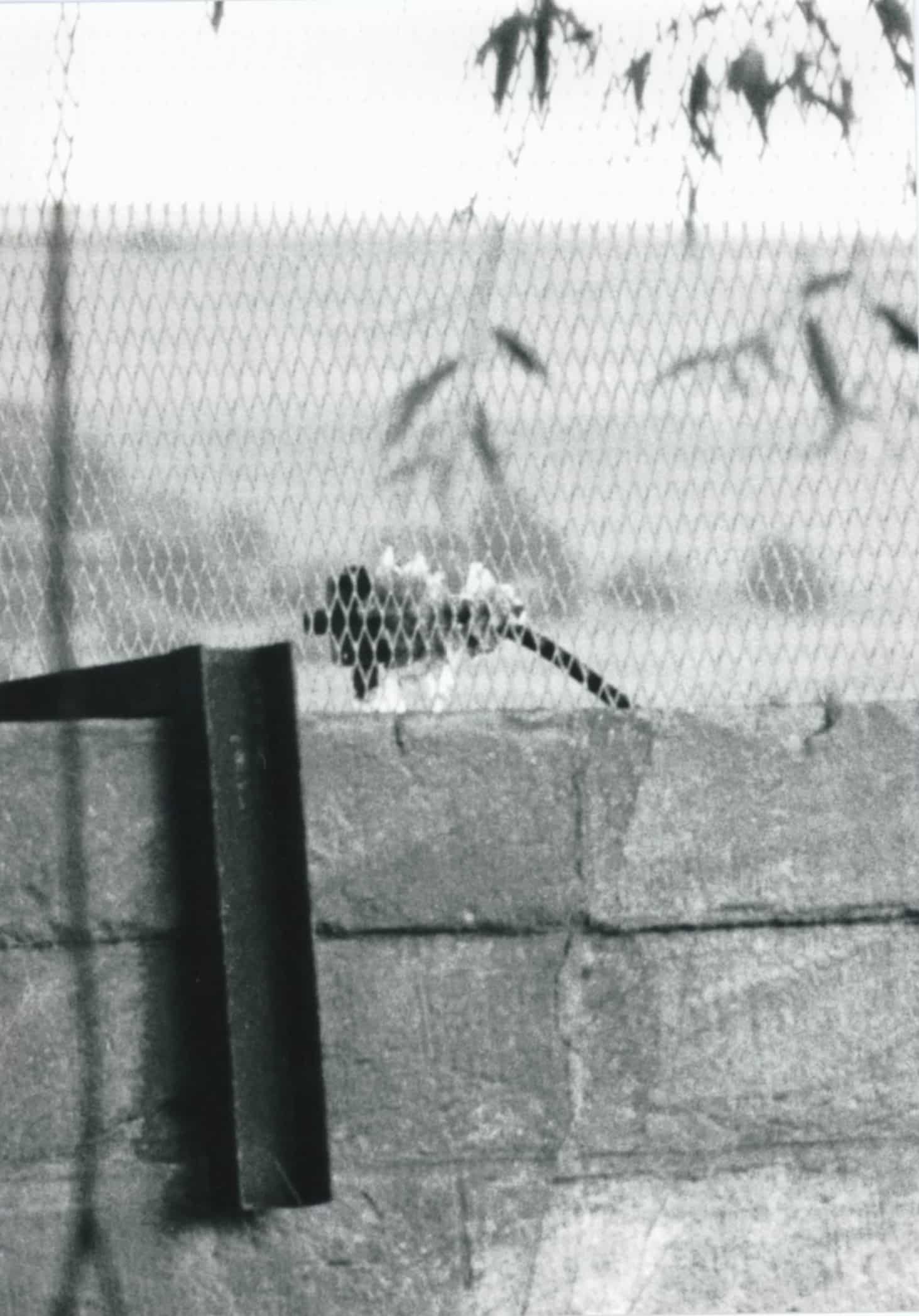
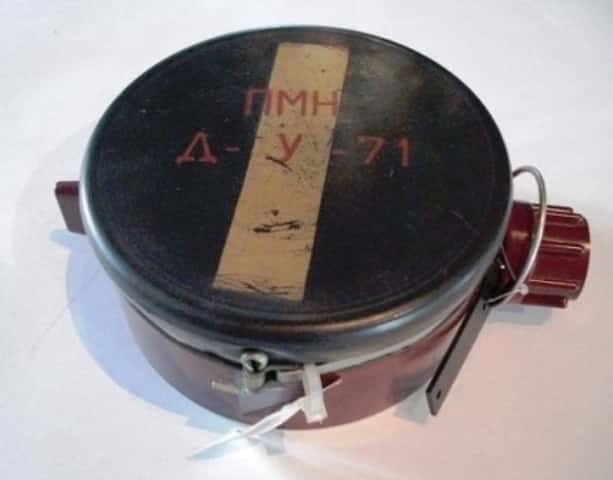
In the early 1970s, measures along the border were tightened once again and fragmentation mines were installed on the expanded metal fence. These “self-firing devices” inflicted the most serious, often fatal injuries on refugees. After the signing of the CSCE Helsinki Final Act, the self-firing devices were dismantled, but a “signal fence” was constructed 500 meters inland to deter and apprehend “border violators”.
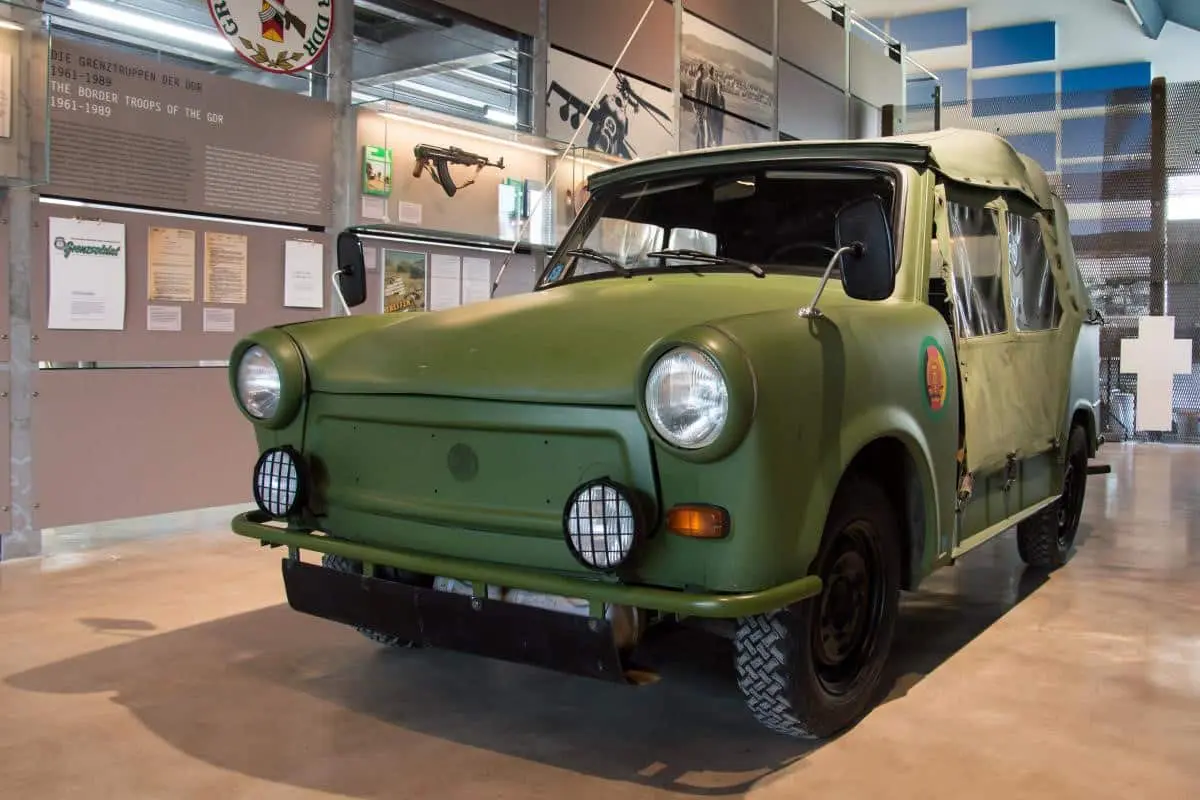
The Border Troops of the GDR
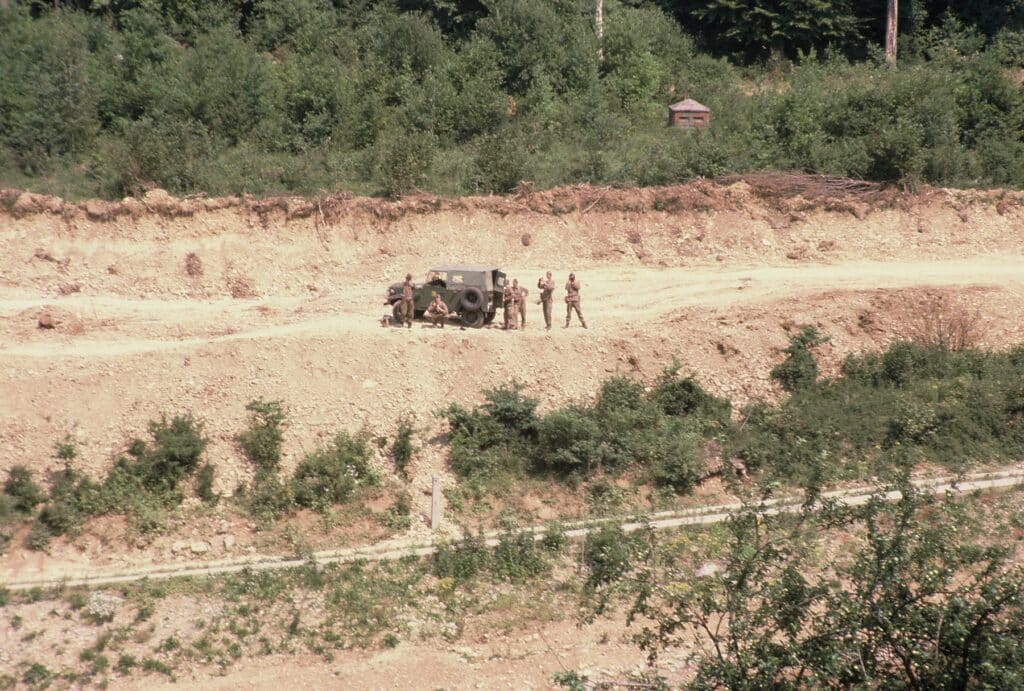
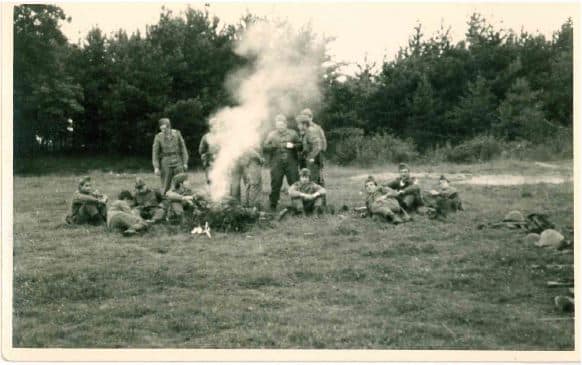
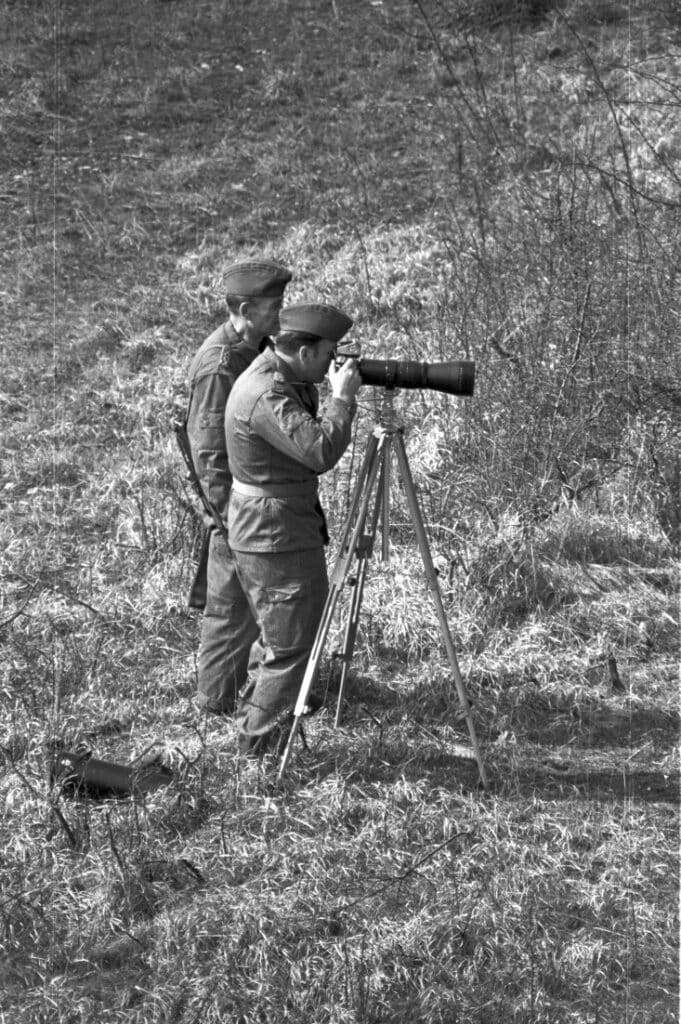
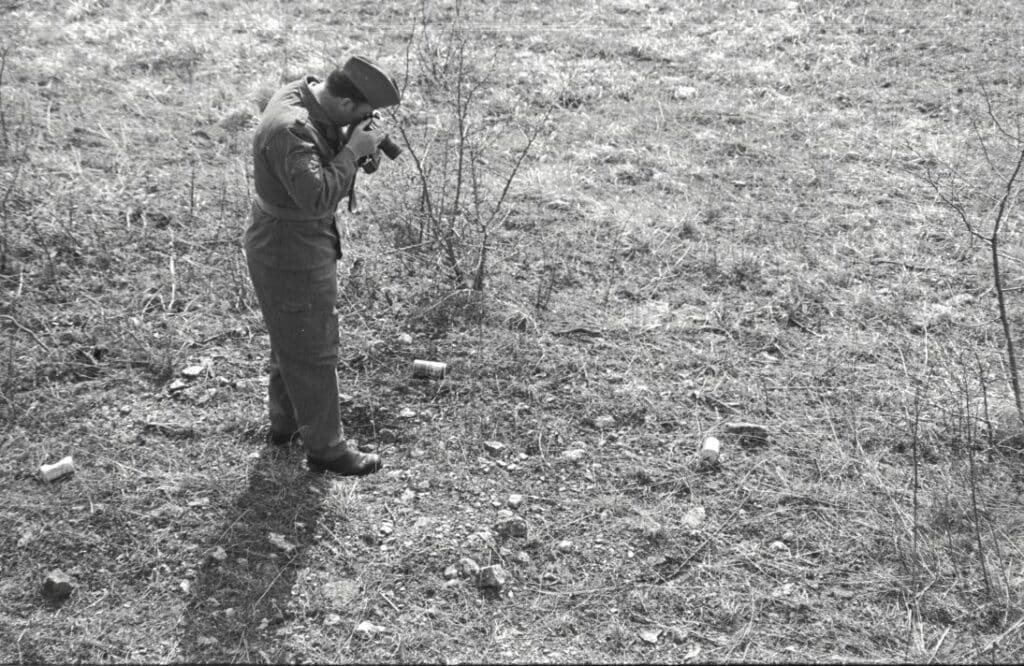
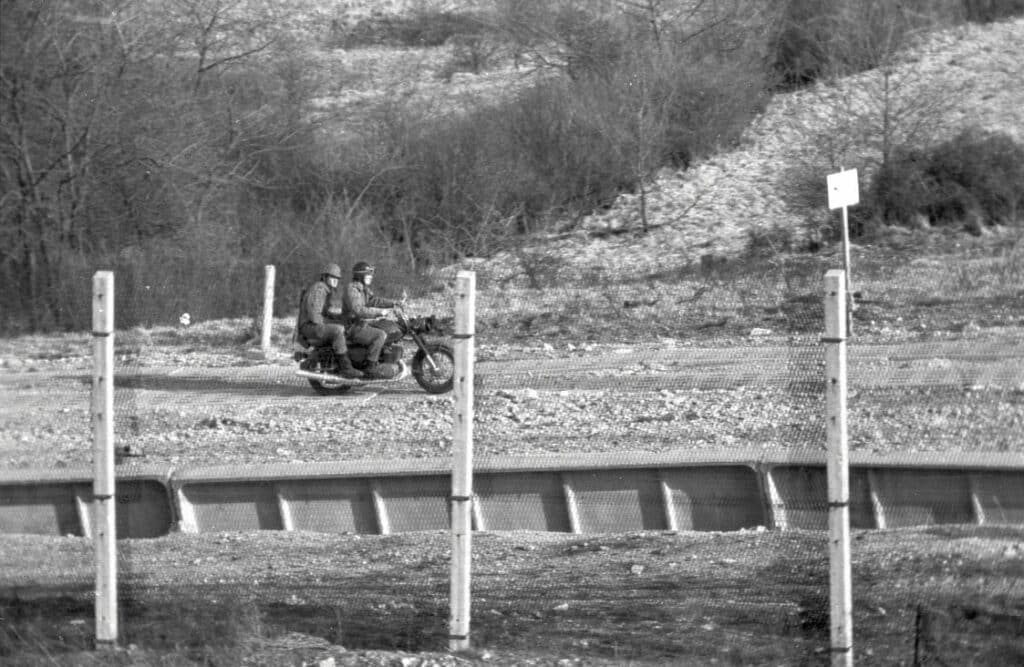
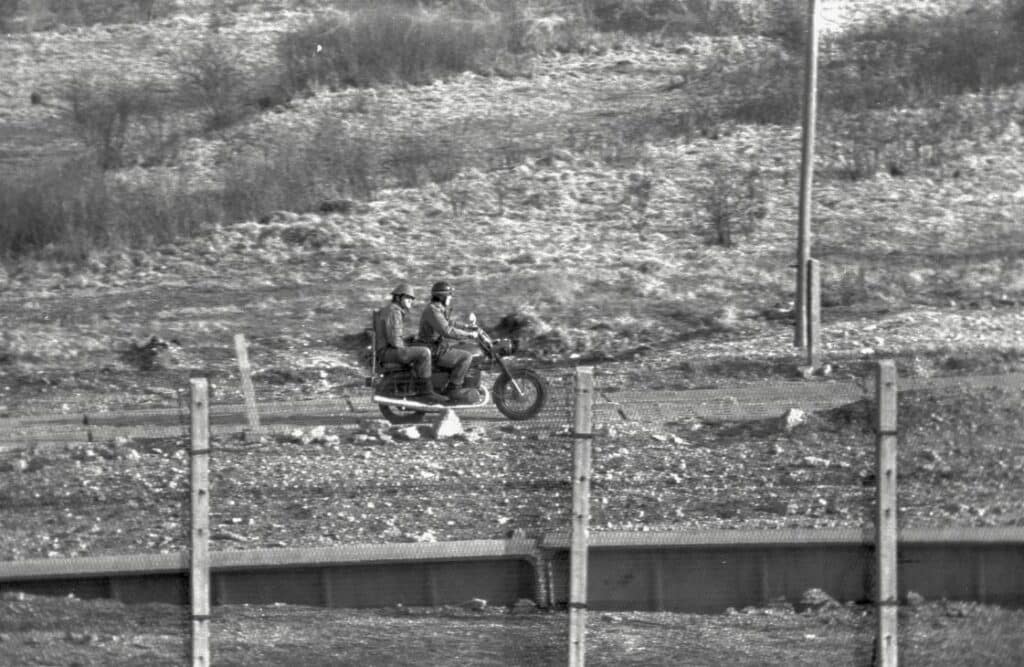
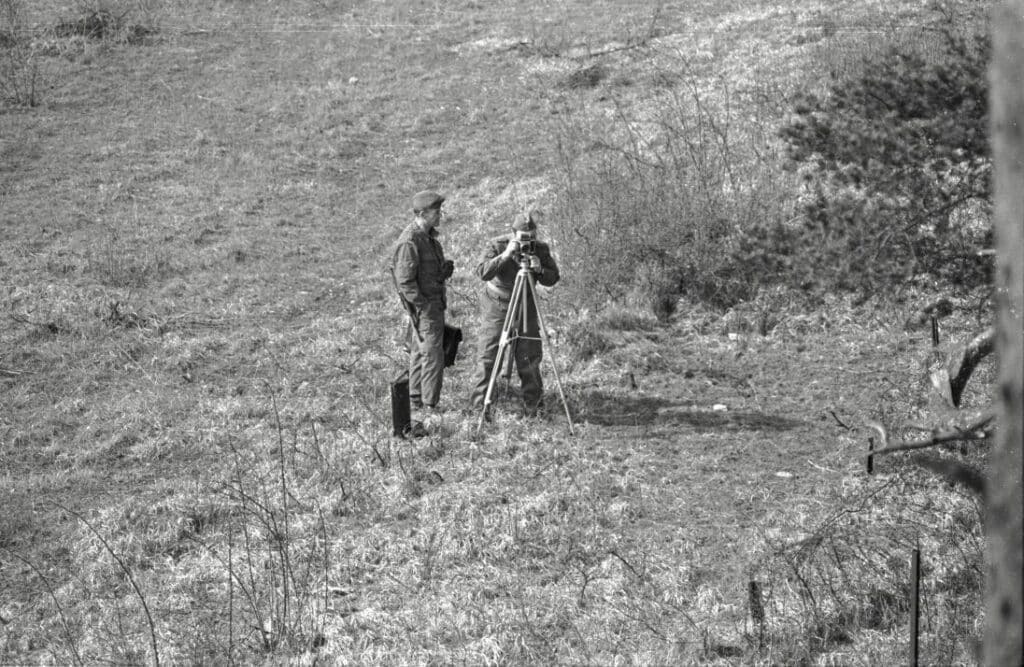
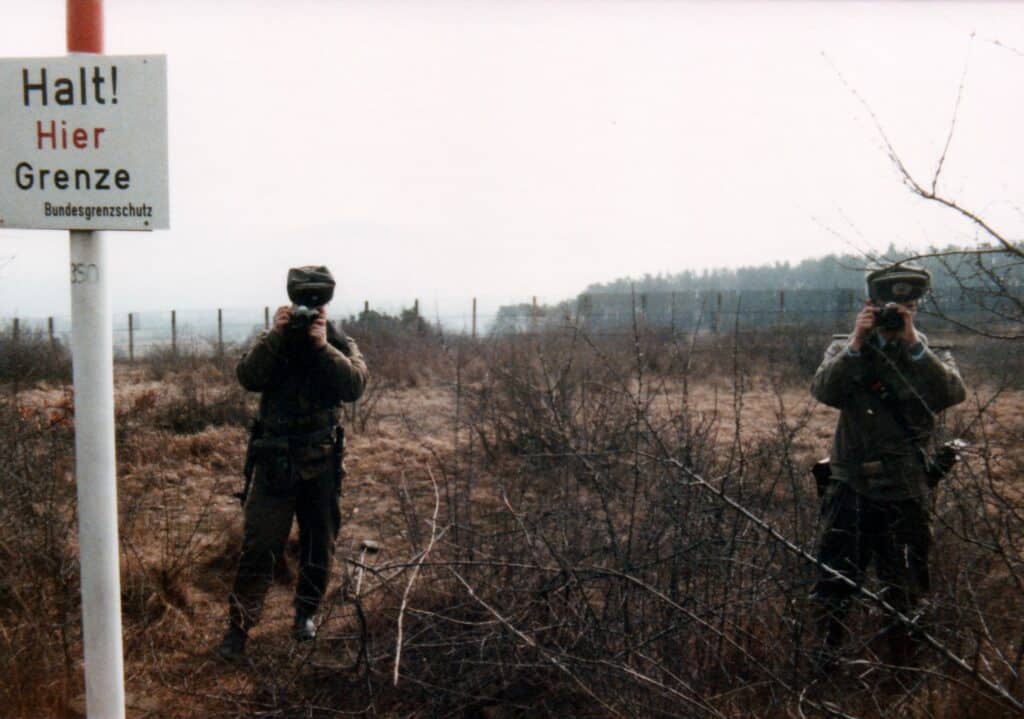
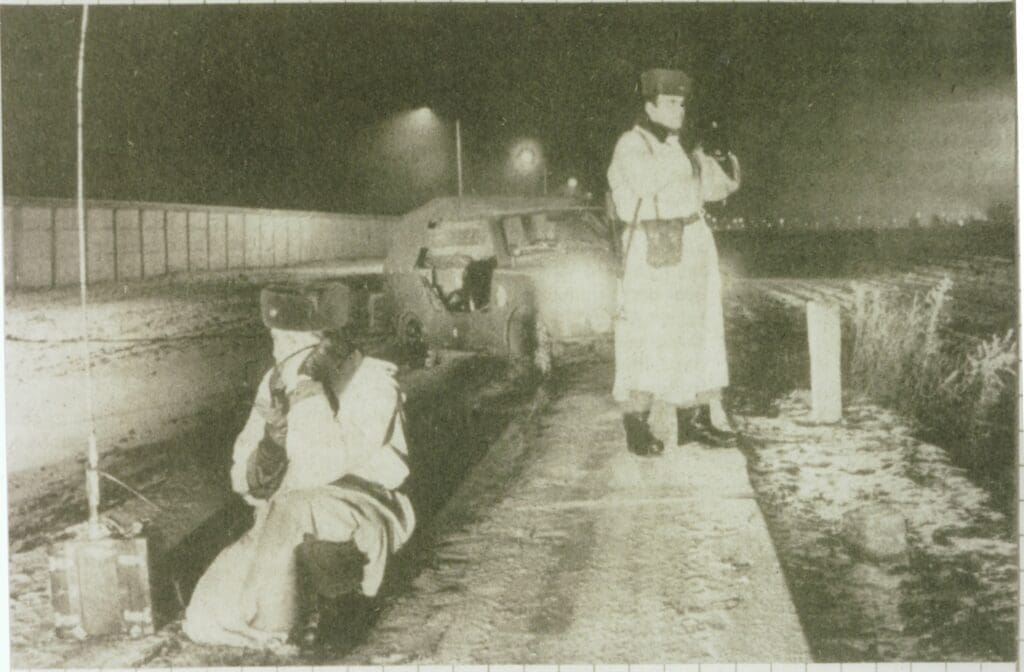
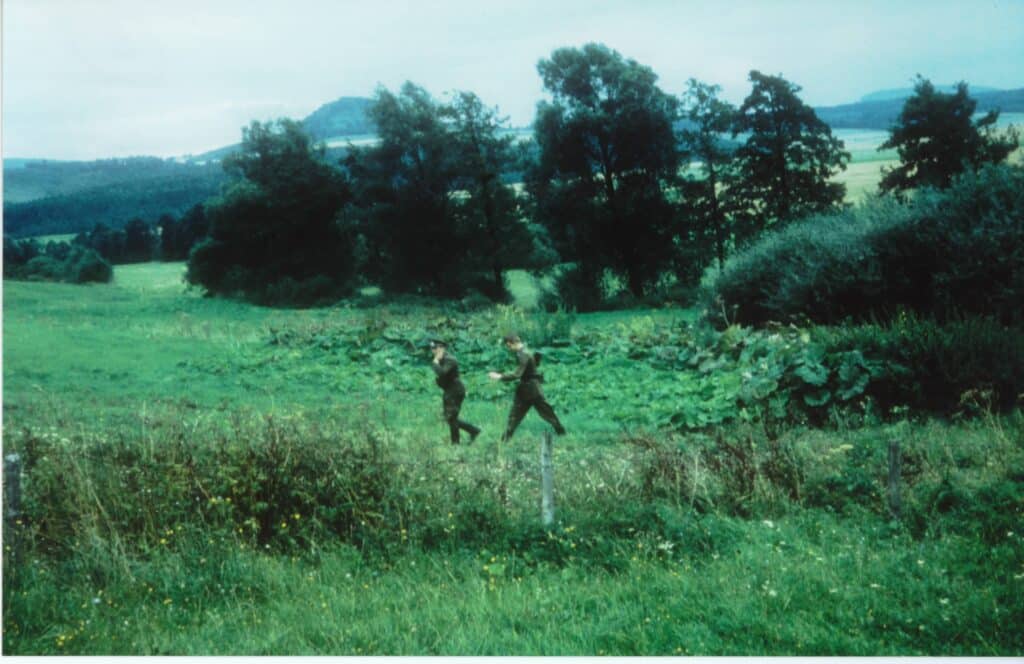
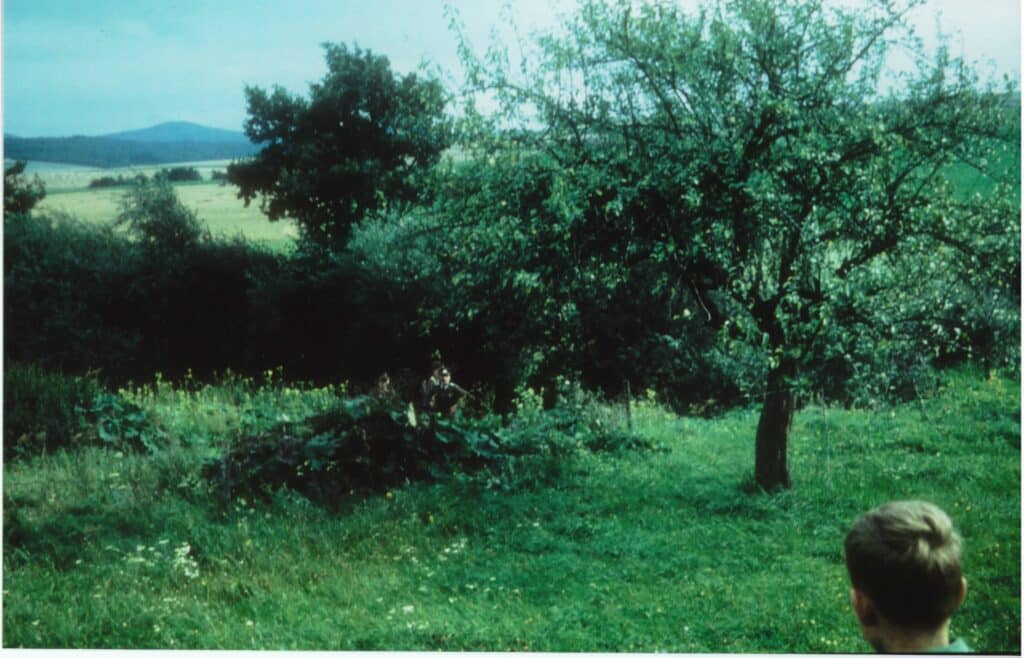
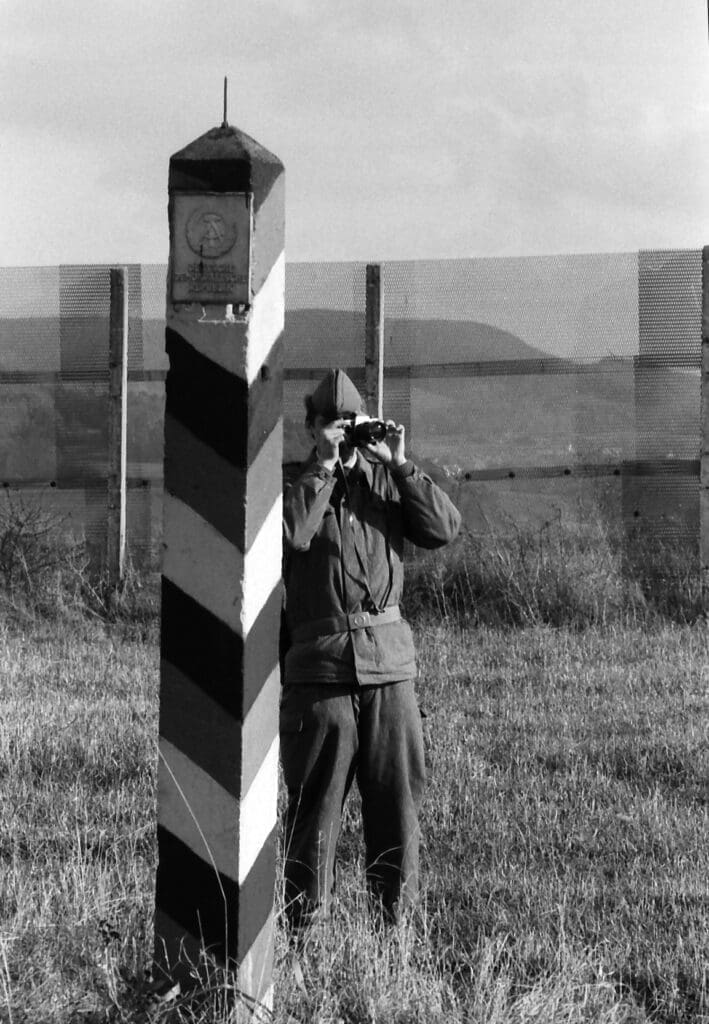
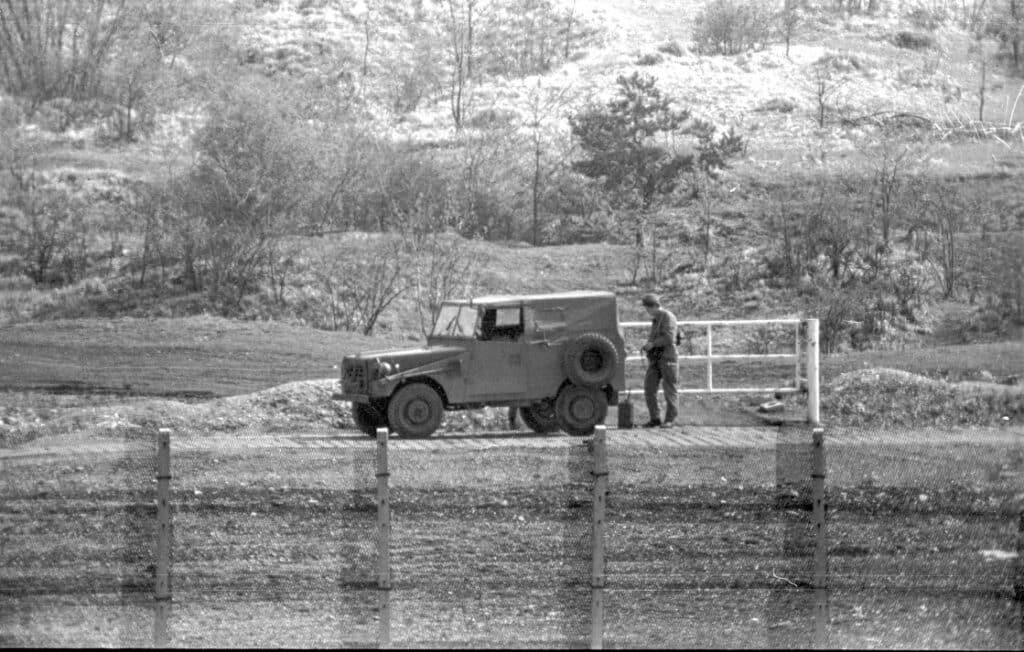
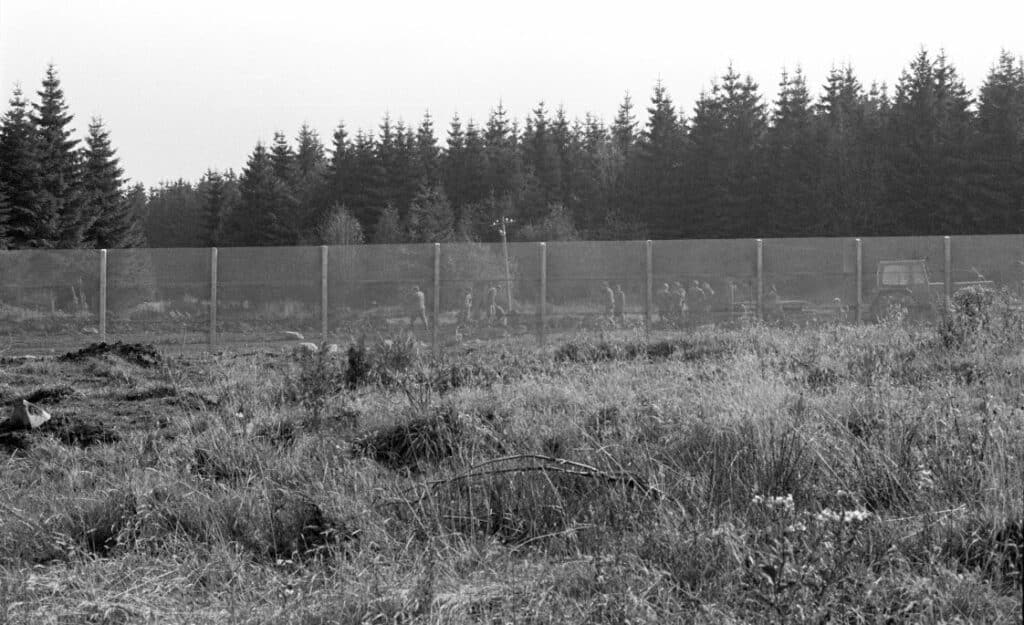
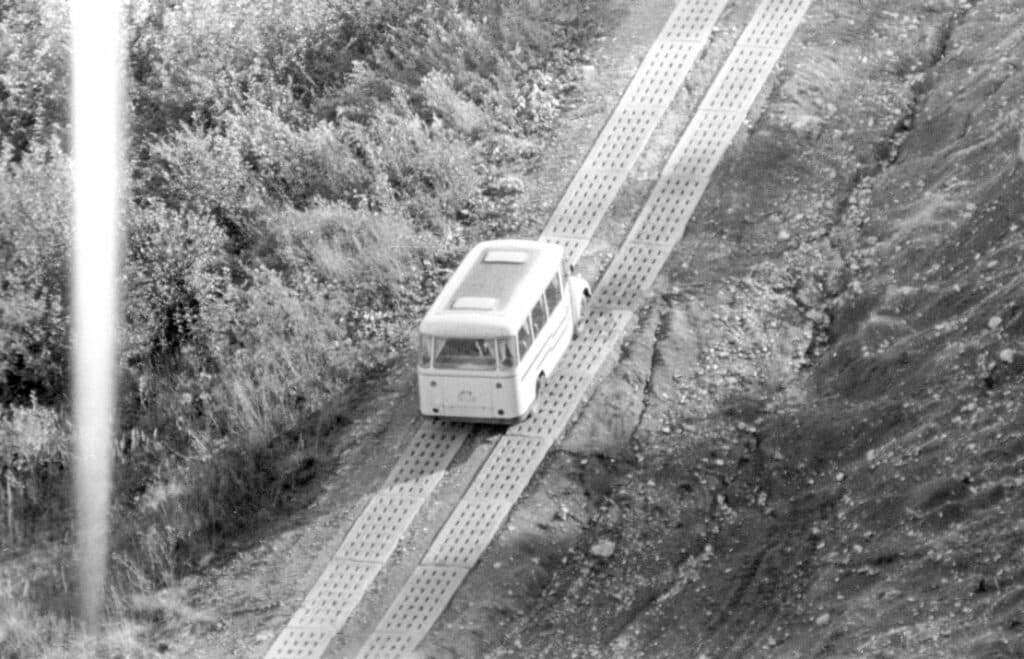
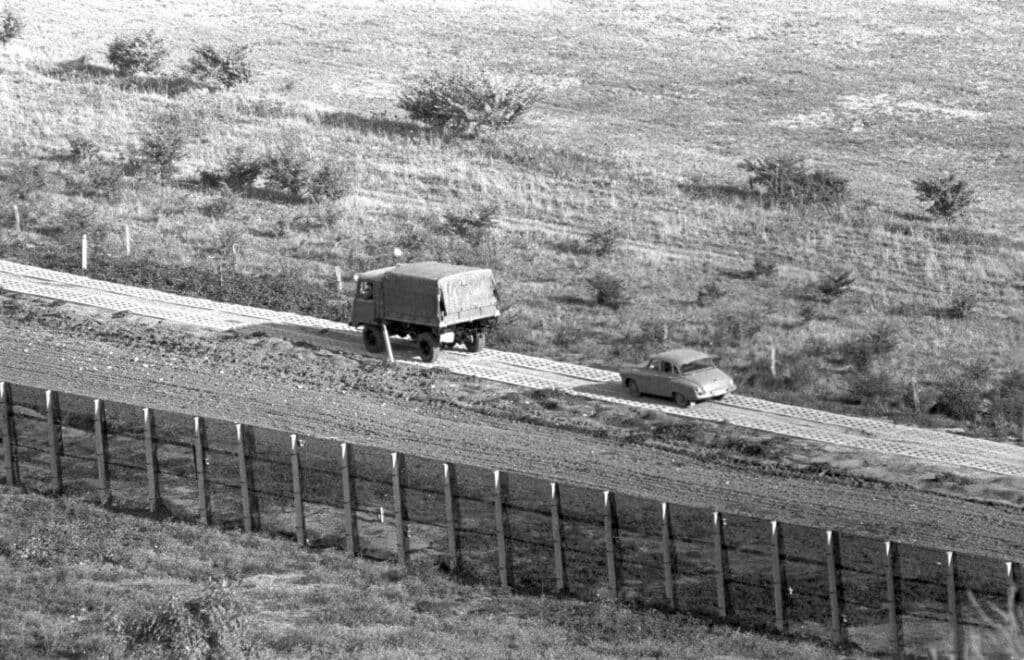
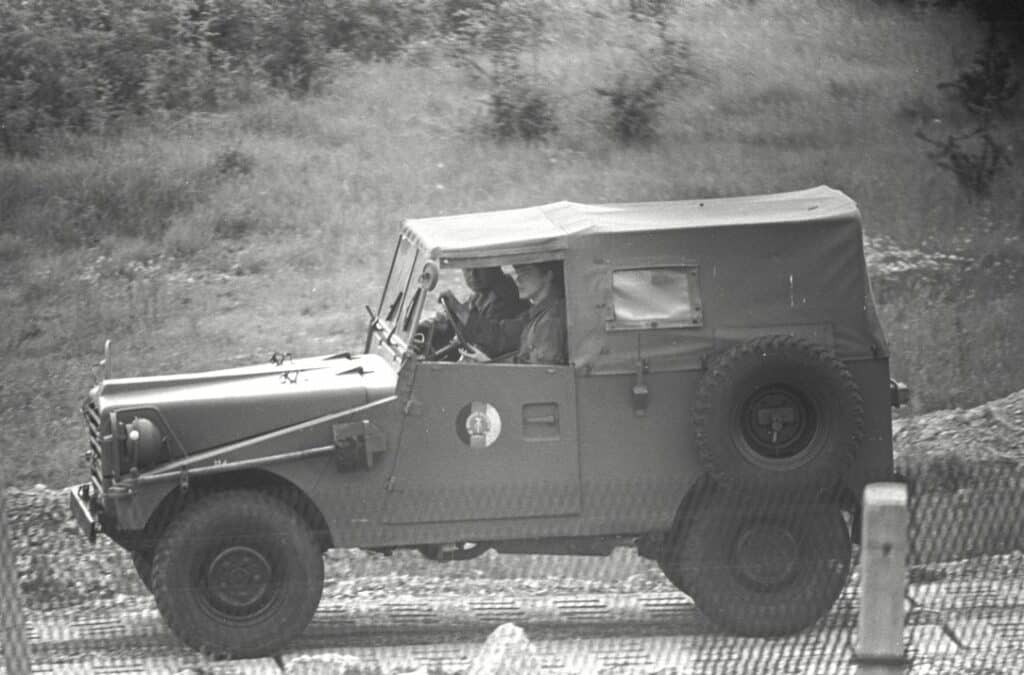
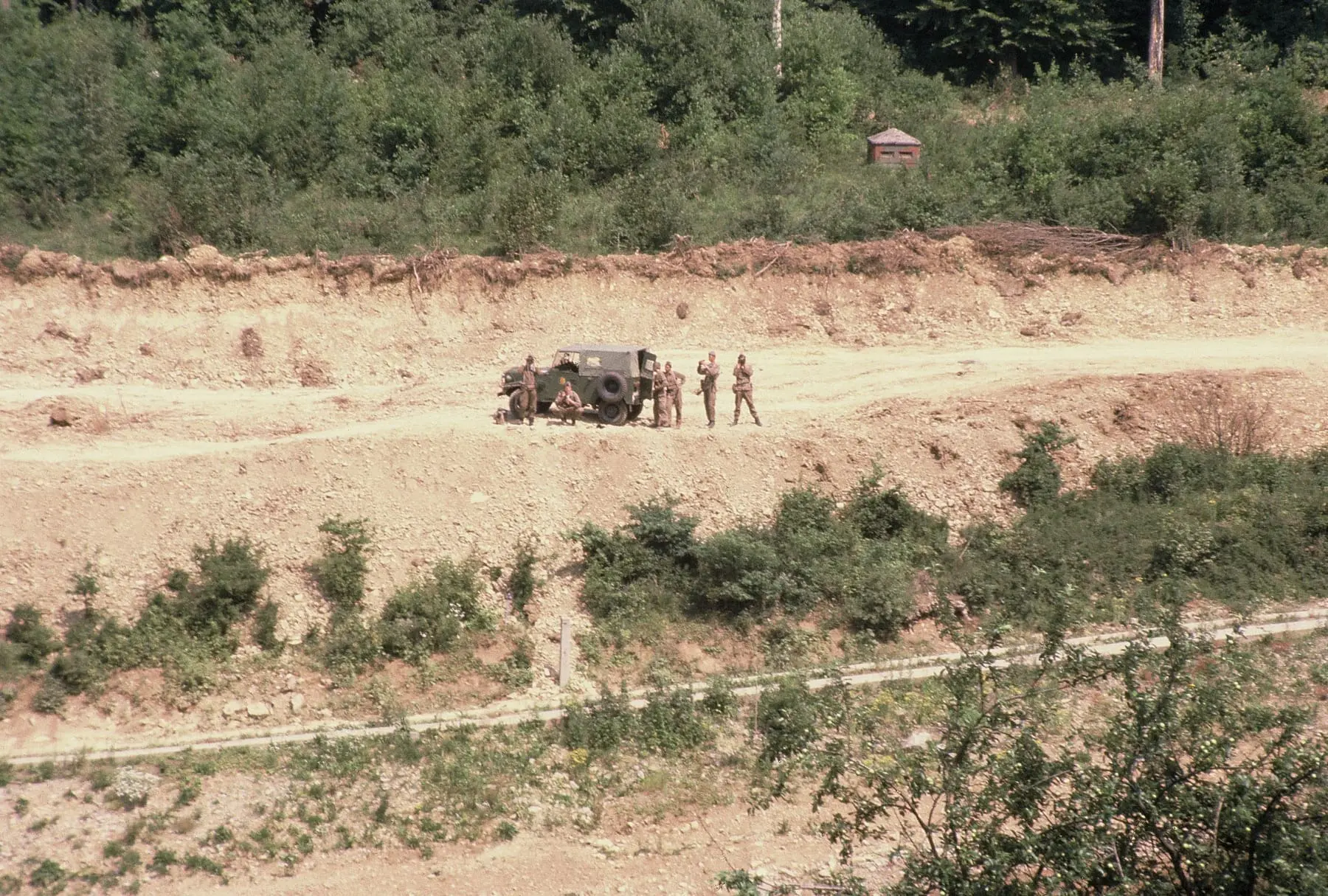
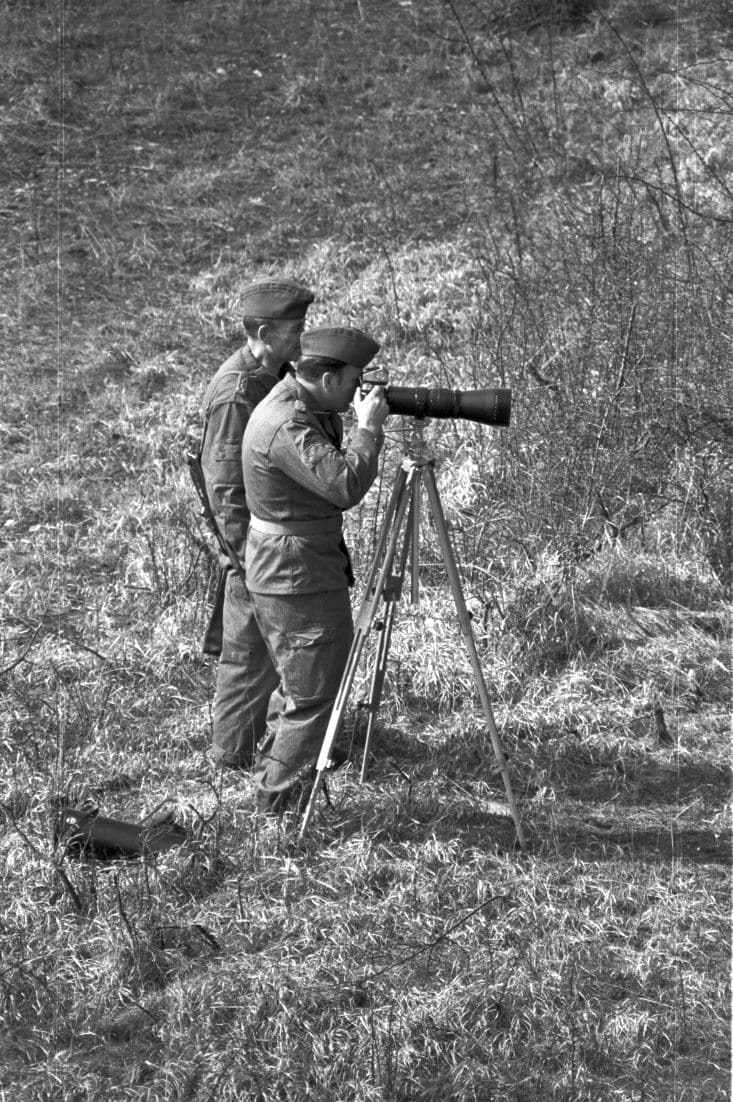
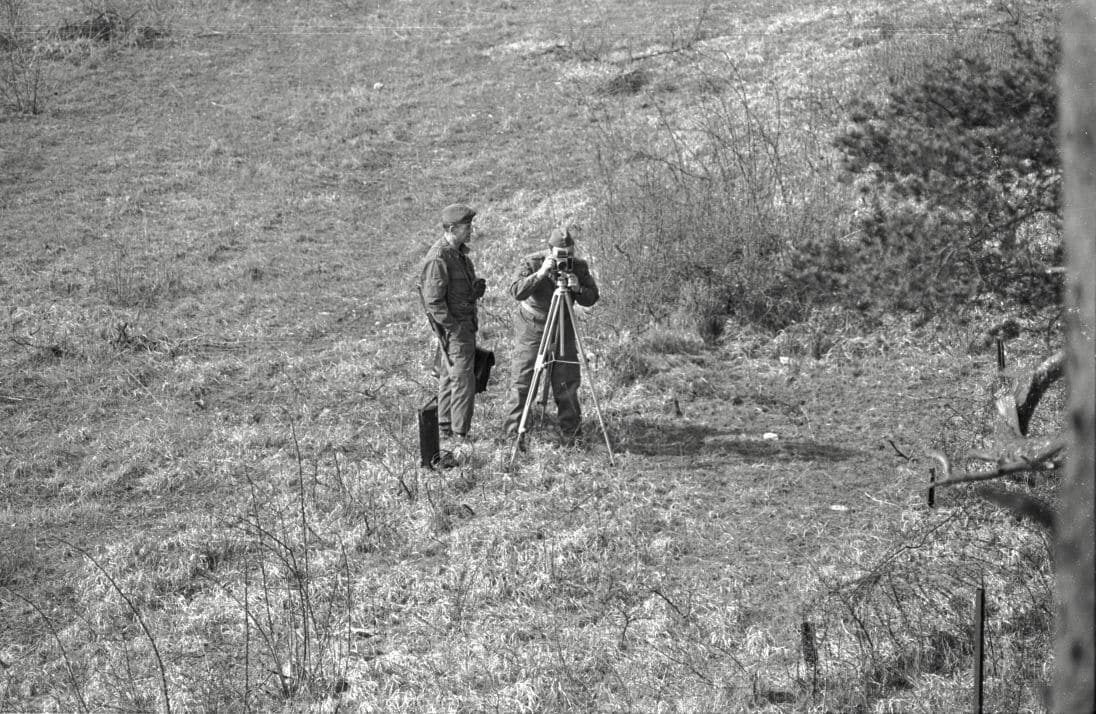
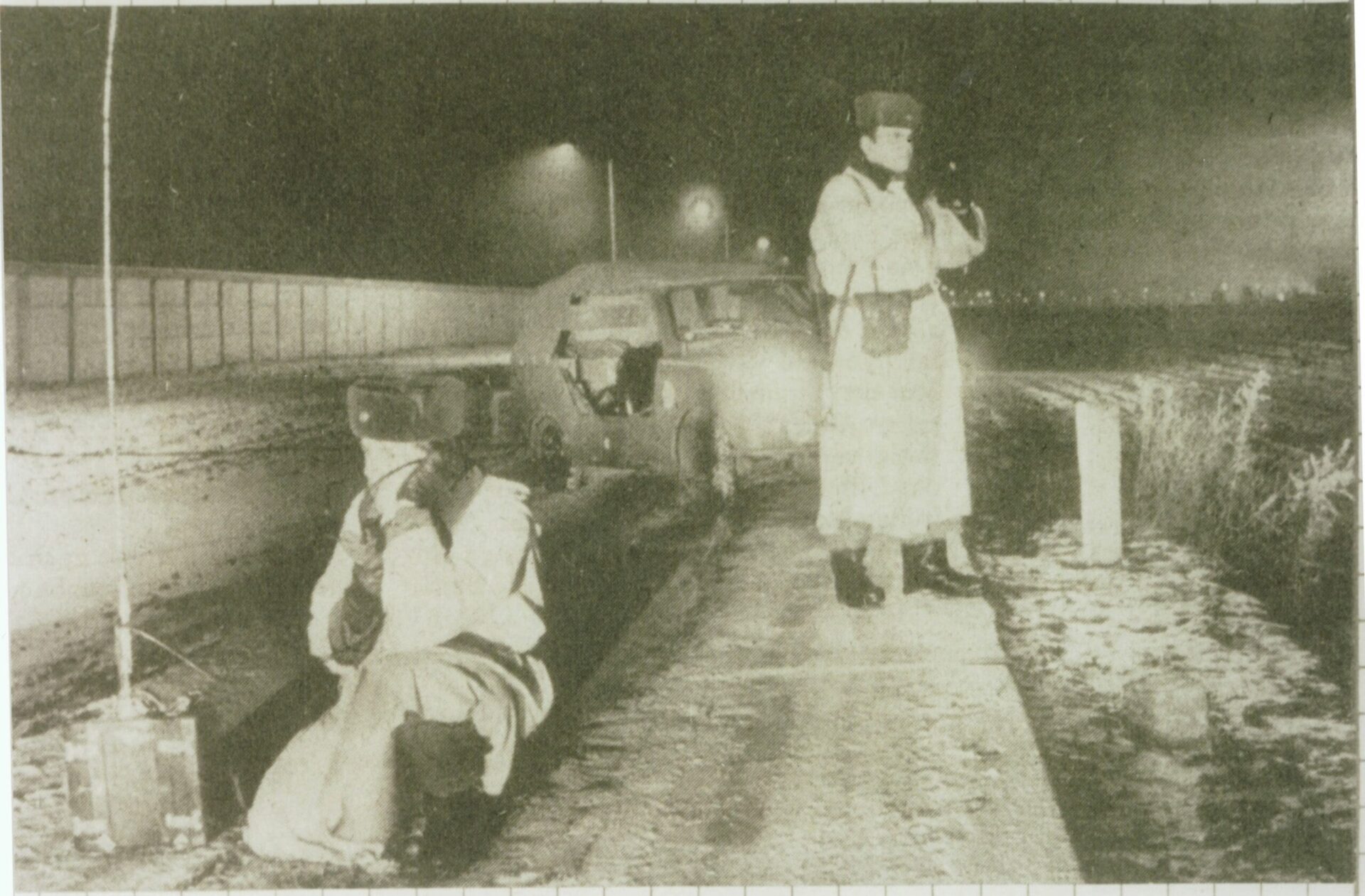
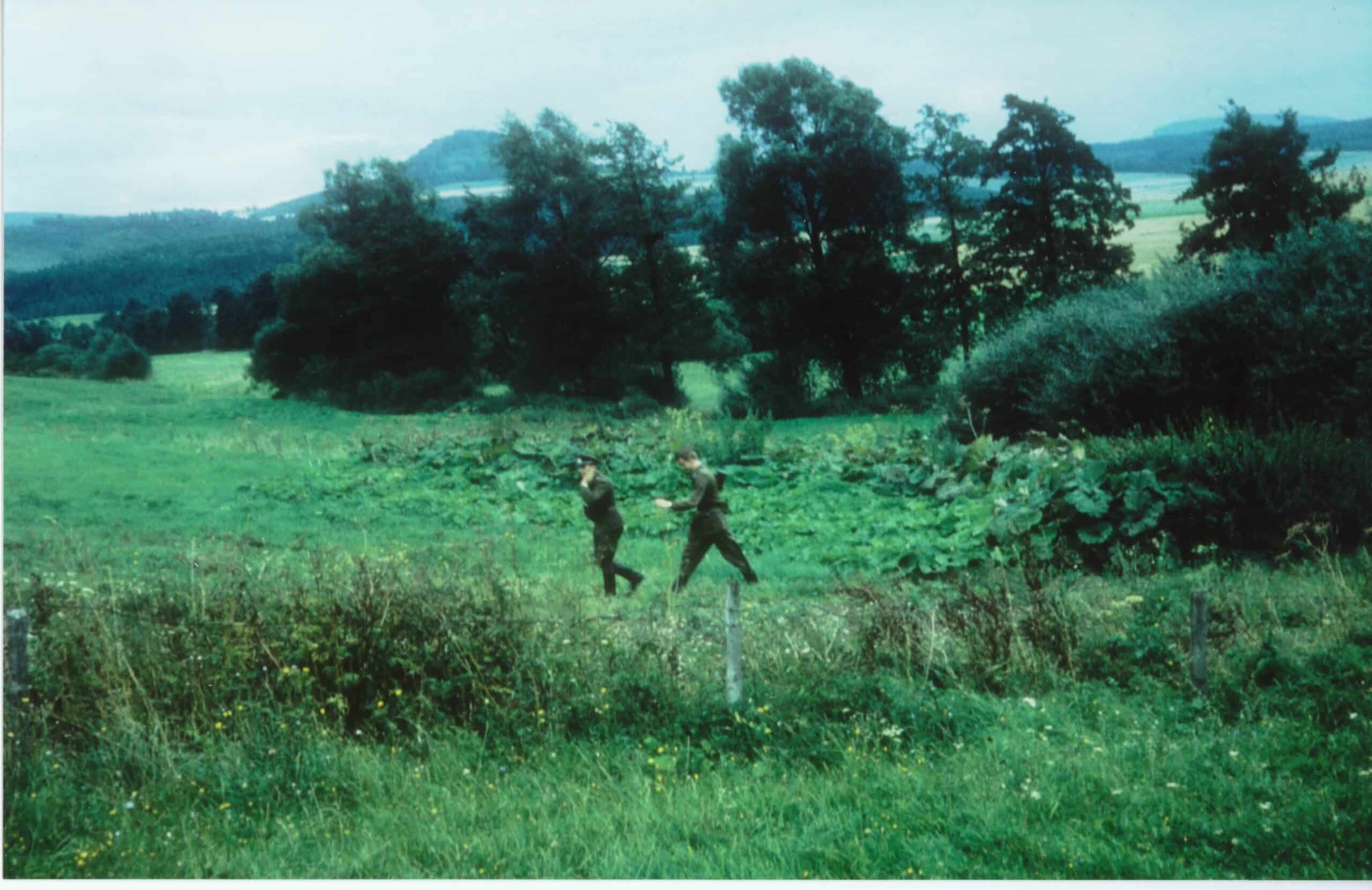
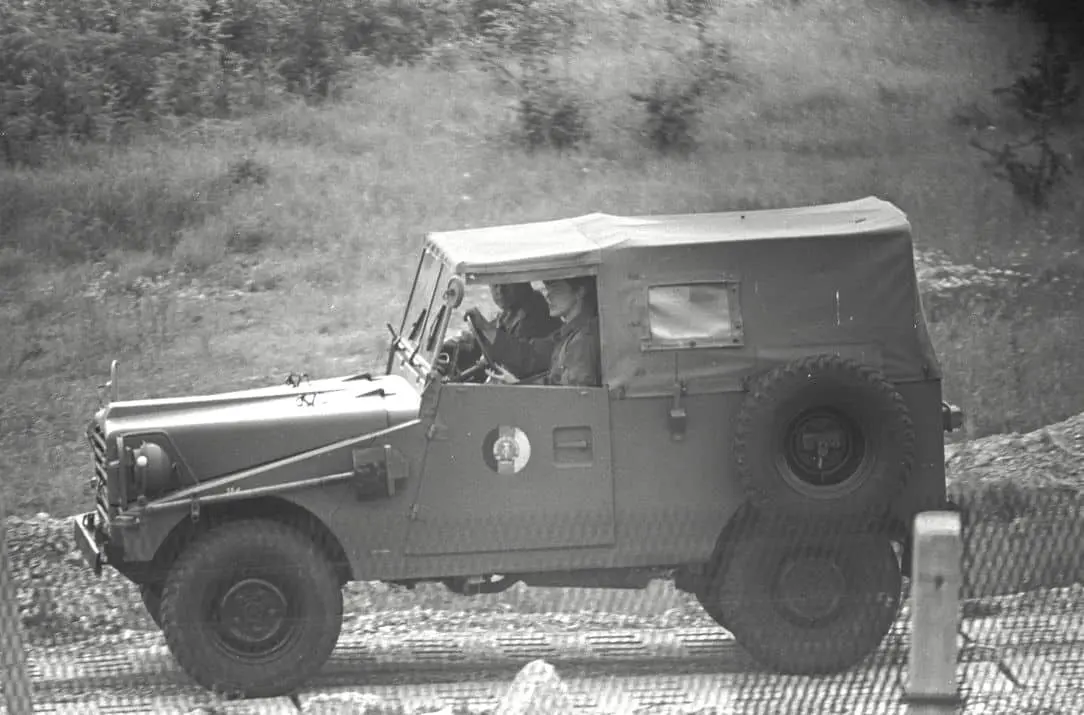
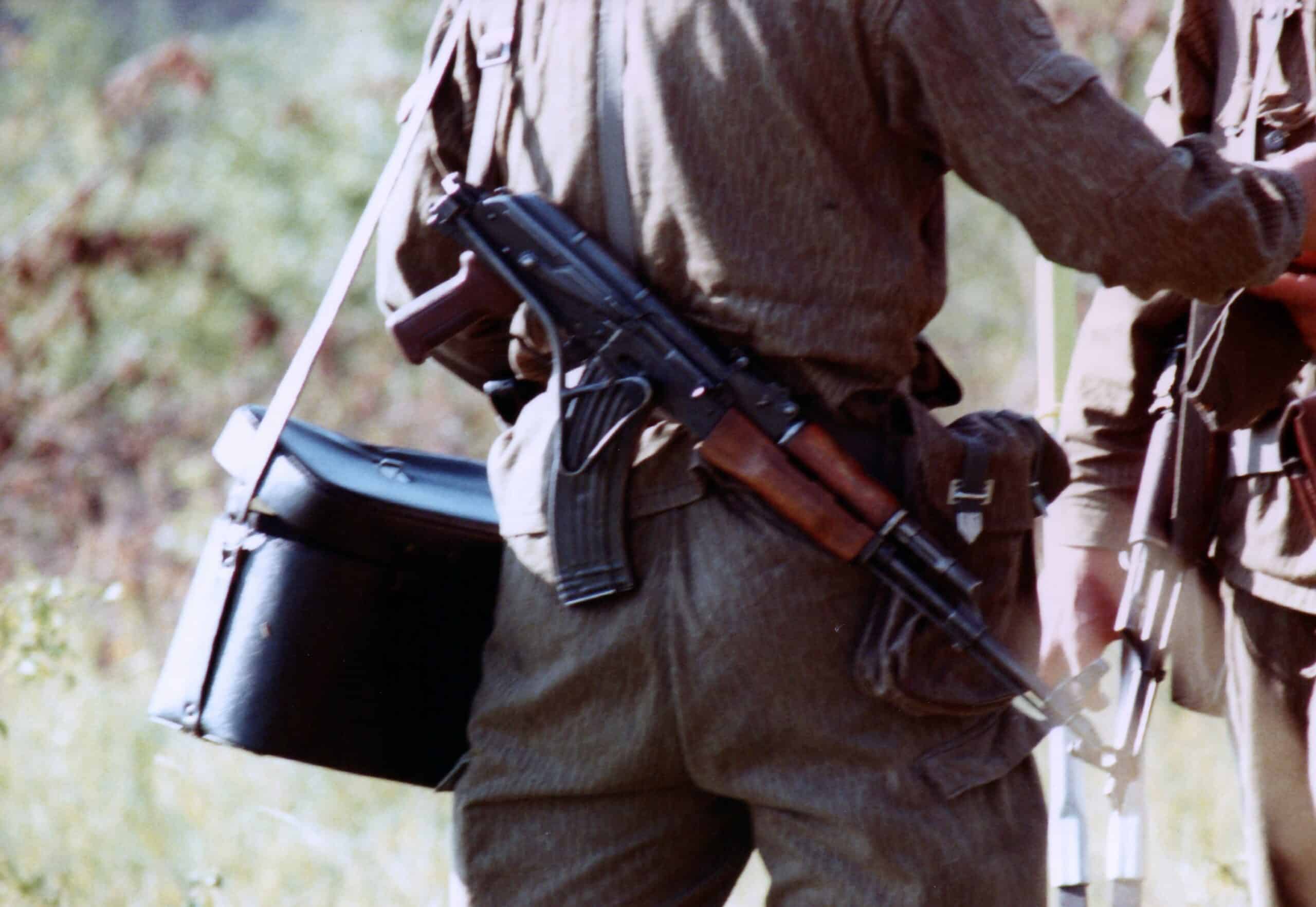
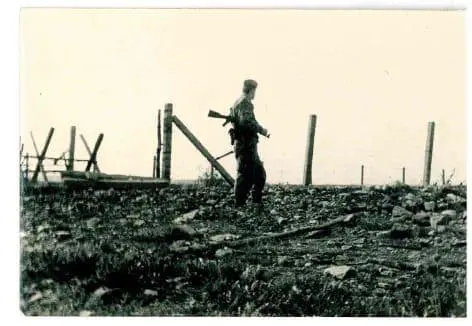
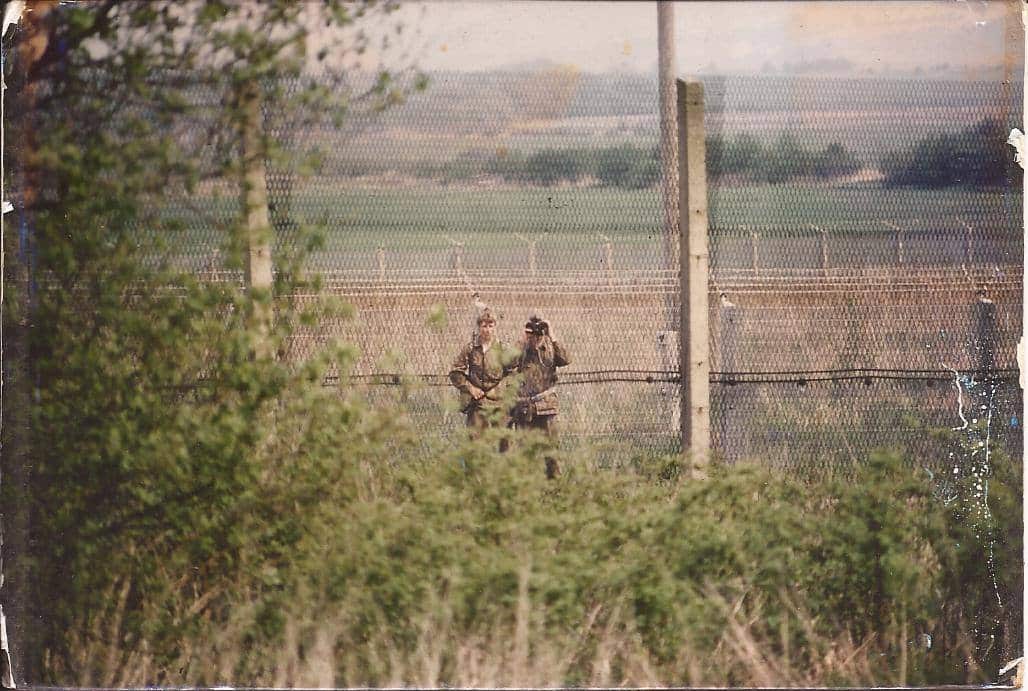
On the 1st of December 1946, the “Deutsche Grenzpolizei” (Border Police) was founded. After the founding of the GDR in 1949, it was placed under the direction of the Ministry of the Interior in 1952, and later the “NVA” (National People’s Army) from 1961 to 1973. In 1974, they were independently established as the „Grenztruppen der DDR” (Border Troops of the GDR). The border regiment “Florian Geyer”, at Mount Rasdorf was responsible for monitoring the sensitive area “Thuringian Balcony” a point where the territory of the GDR extended furthest into West German territory.
The Firing Order
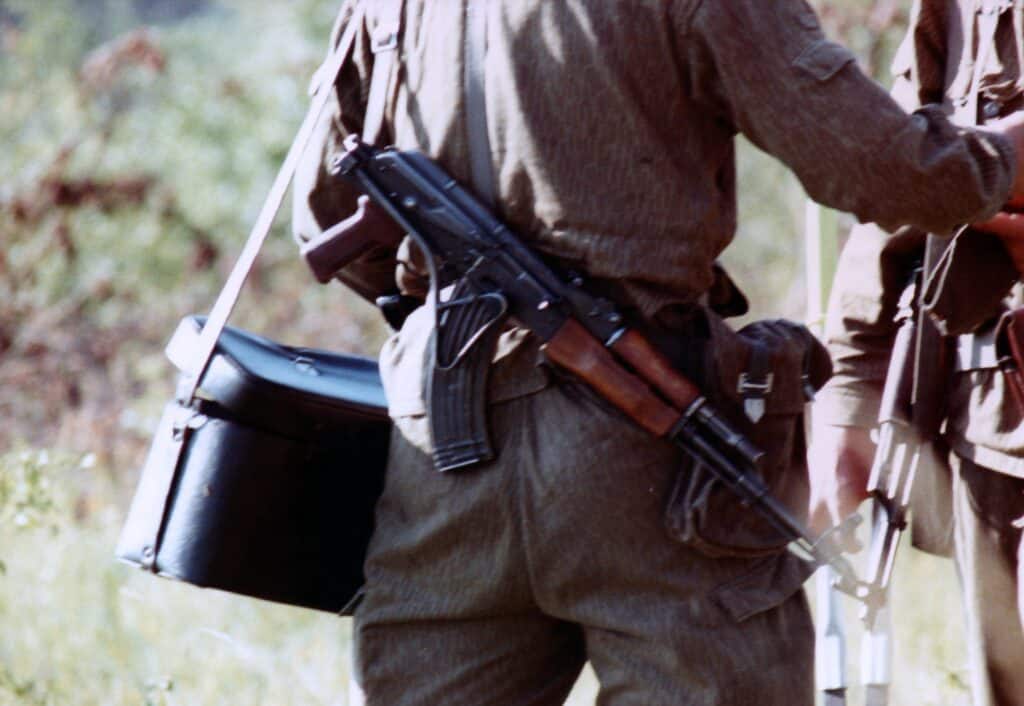
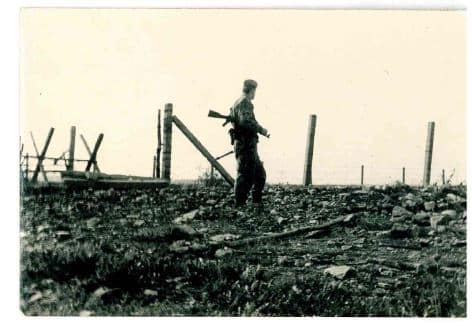
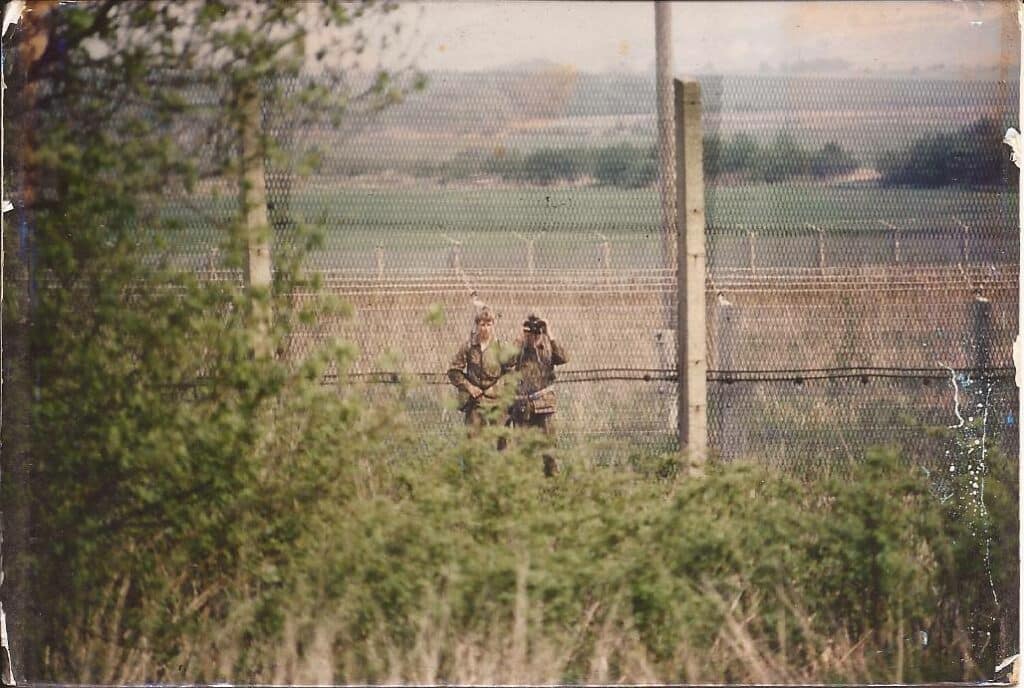
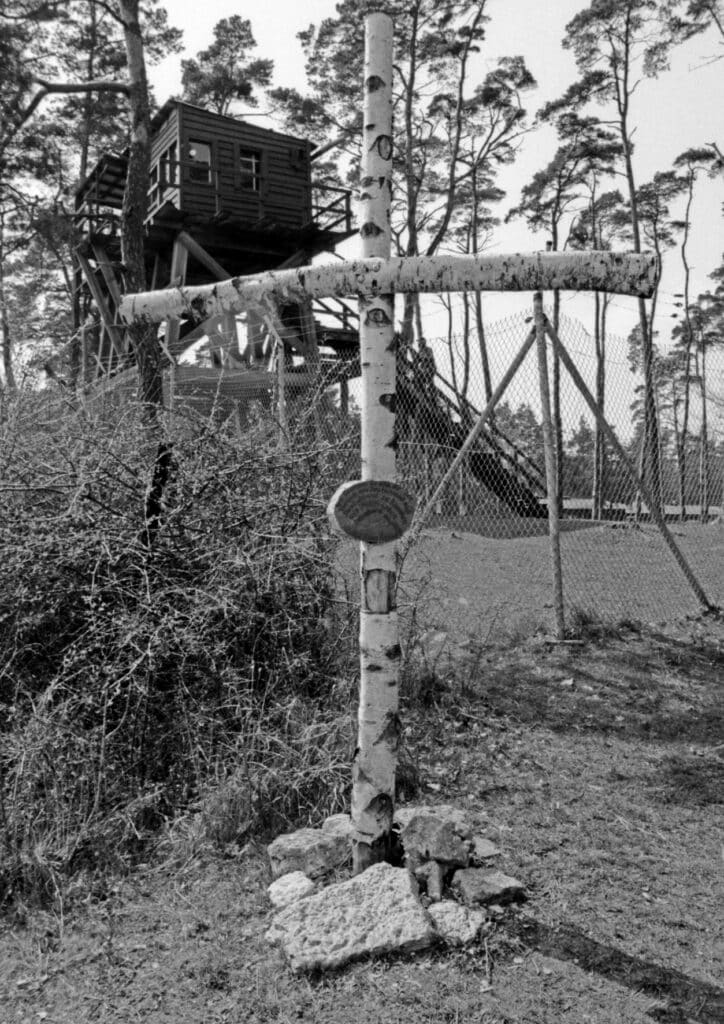
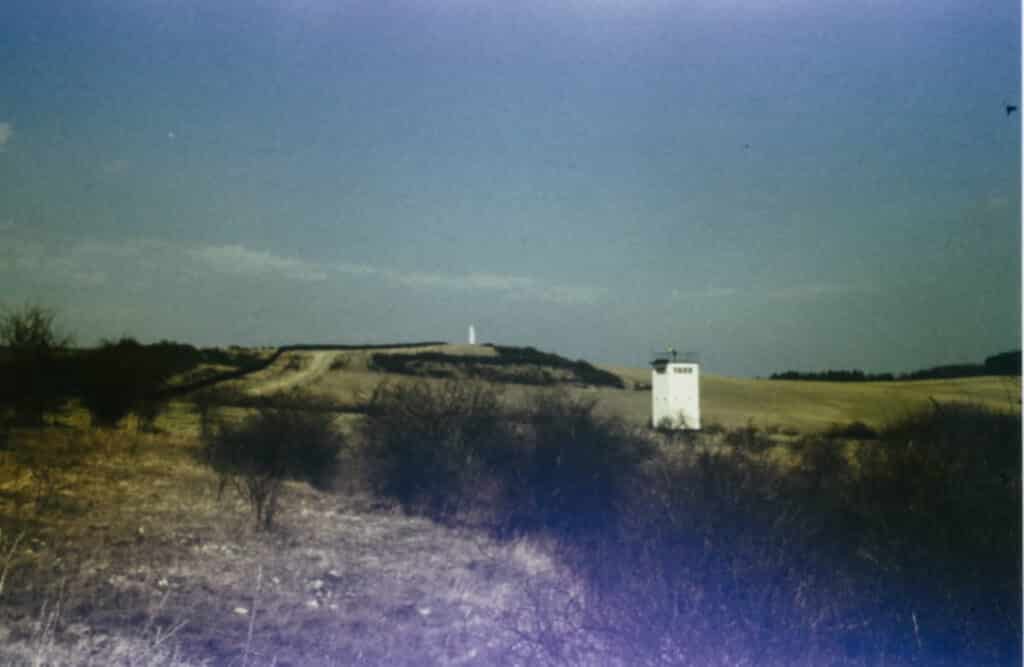
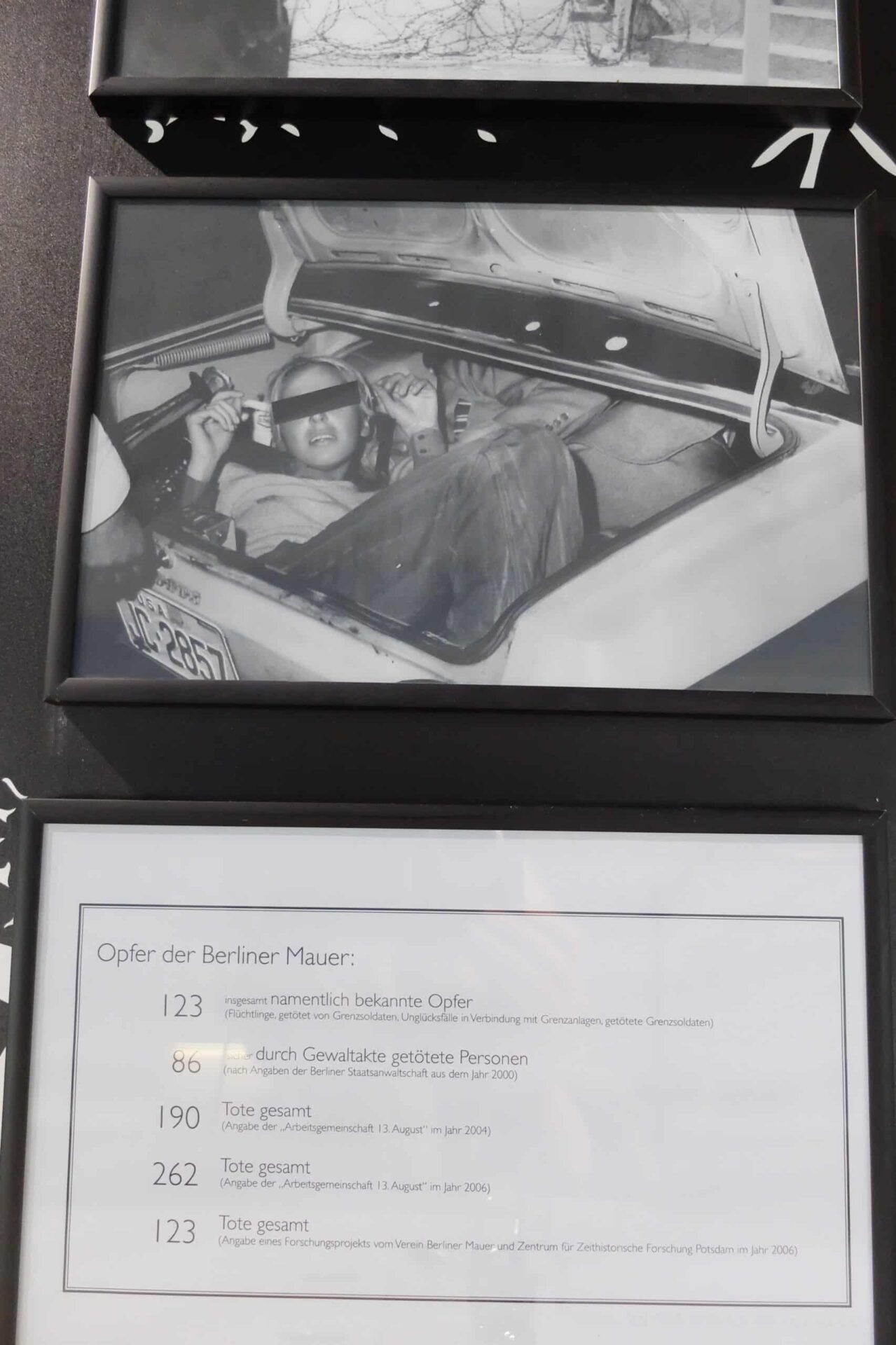
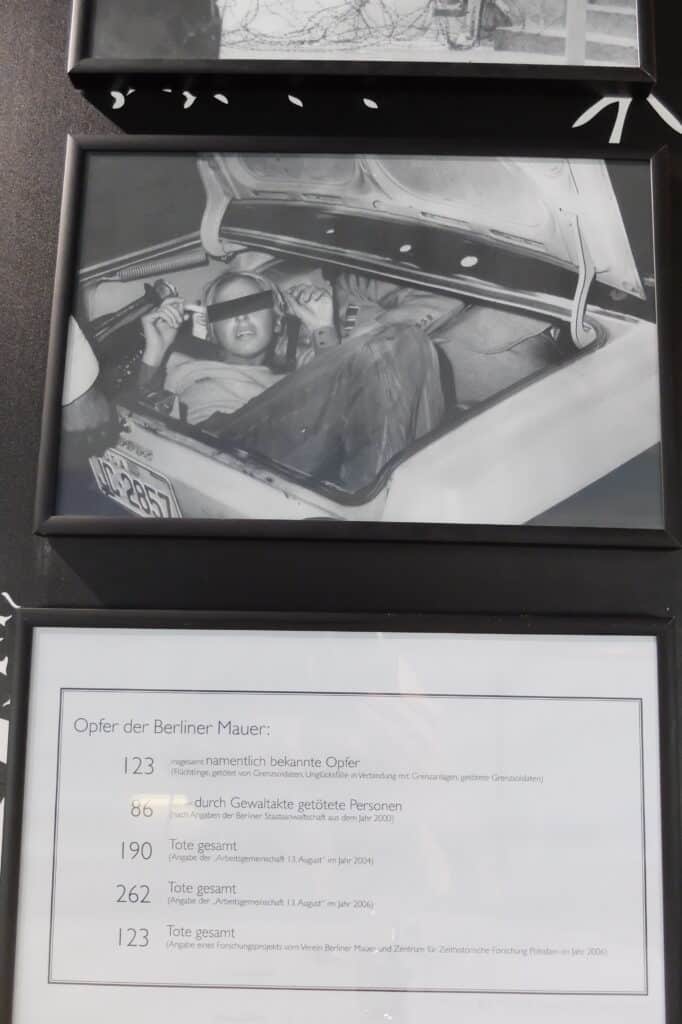
Initially, there was no uniformly regulated order for the GDR Border Troops to use armed force at the border. In 1982, the GDR People’s Chamber passed the so-called “Schießbefehl” (order to shoot), this being the use of weapons to prevent crimes, which included unauthorized border crossings. With 233,000 researched escape attempts, it is assumed today that several hundred deaths occurred at the Berlin Wall as well as the inner-German border.
More Exhibitions
"Freiheiten! - Freedoms!"
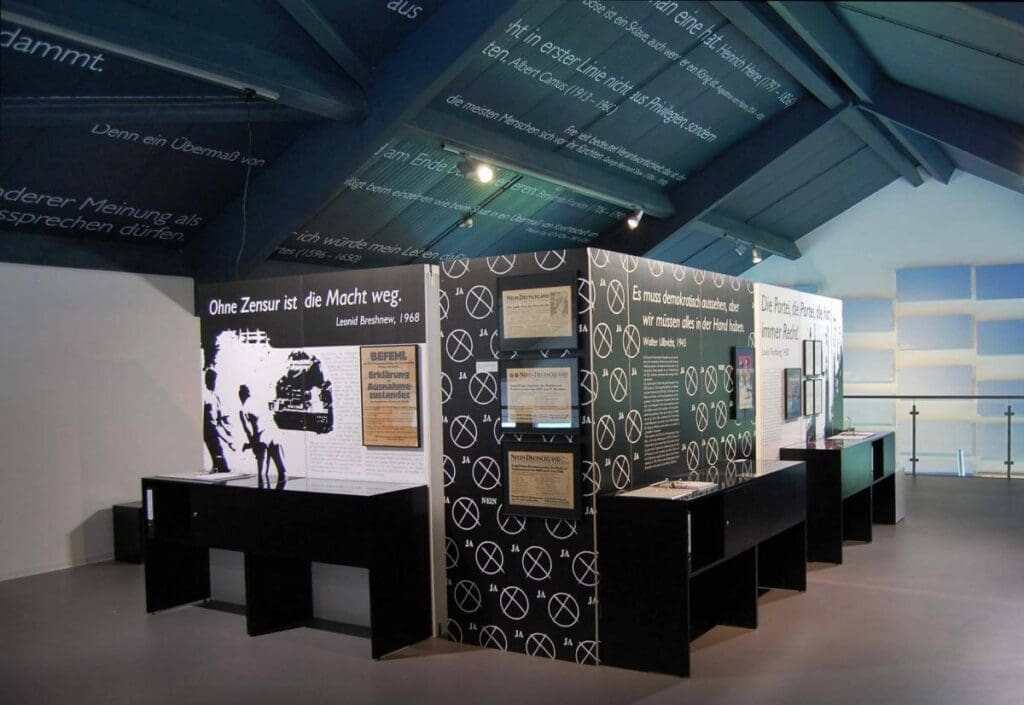
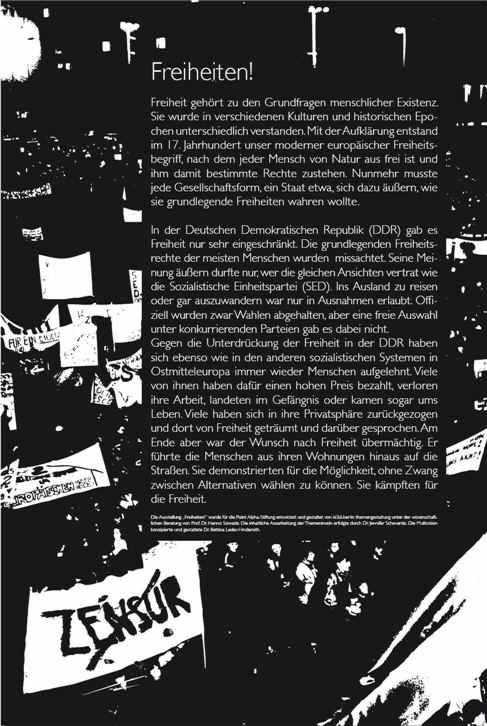
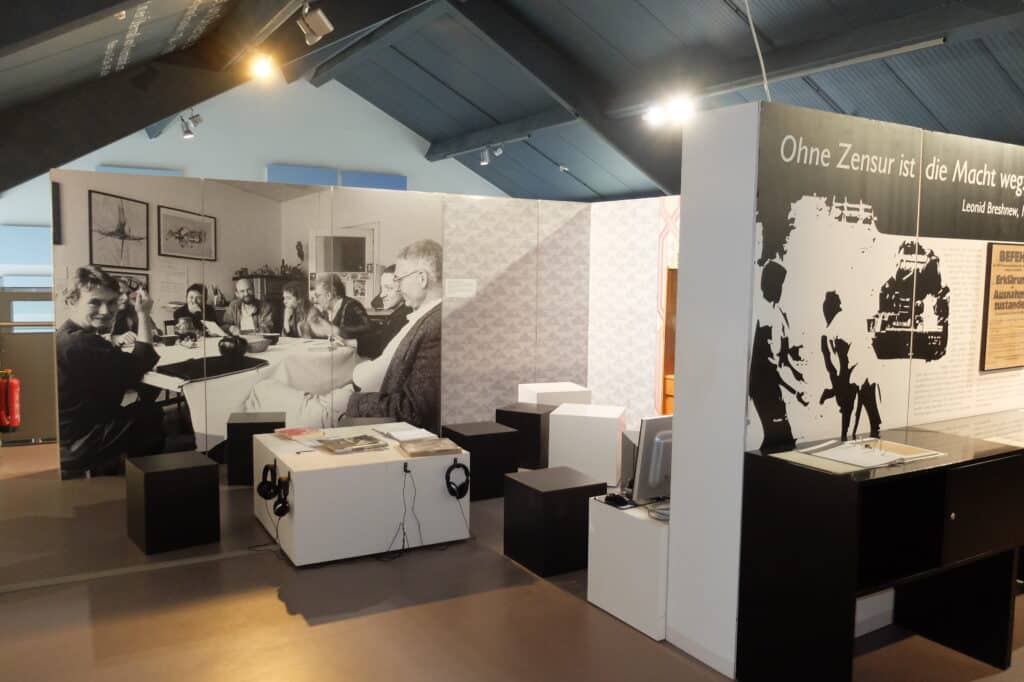
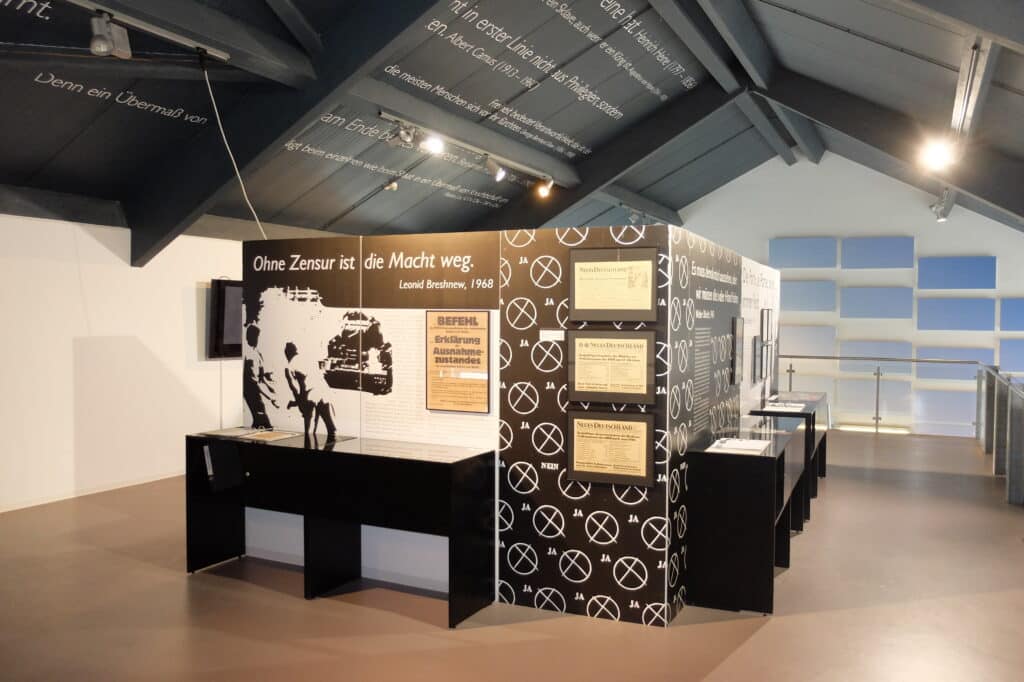
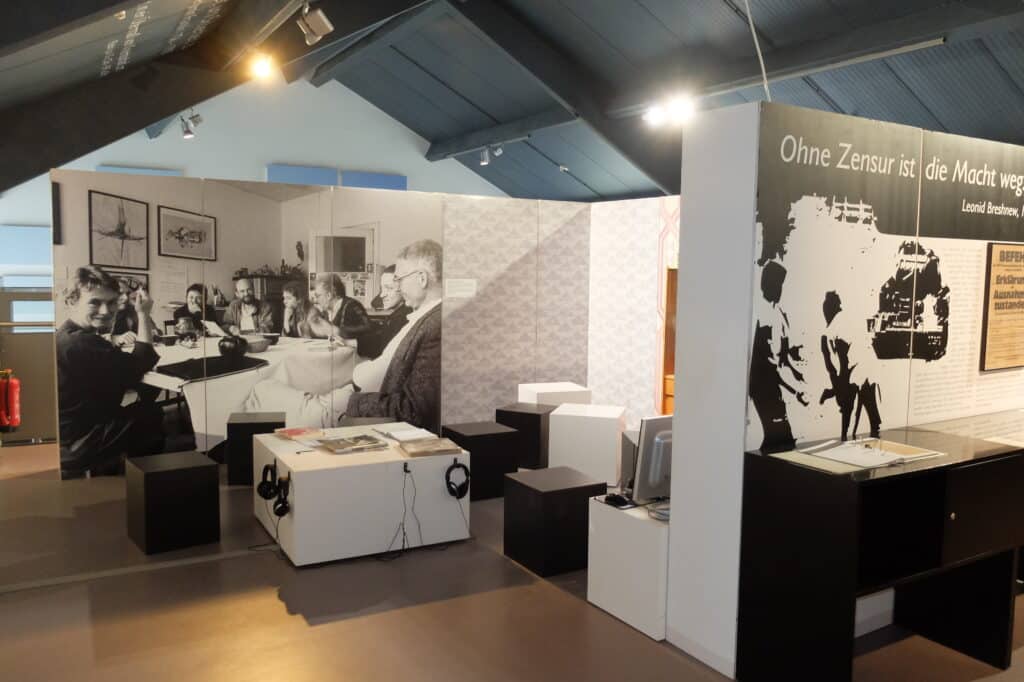
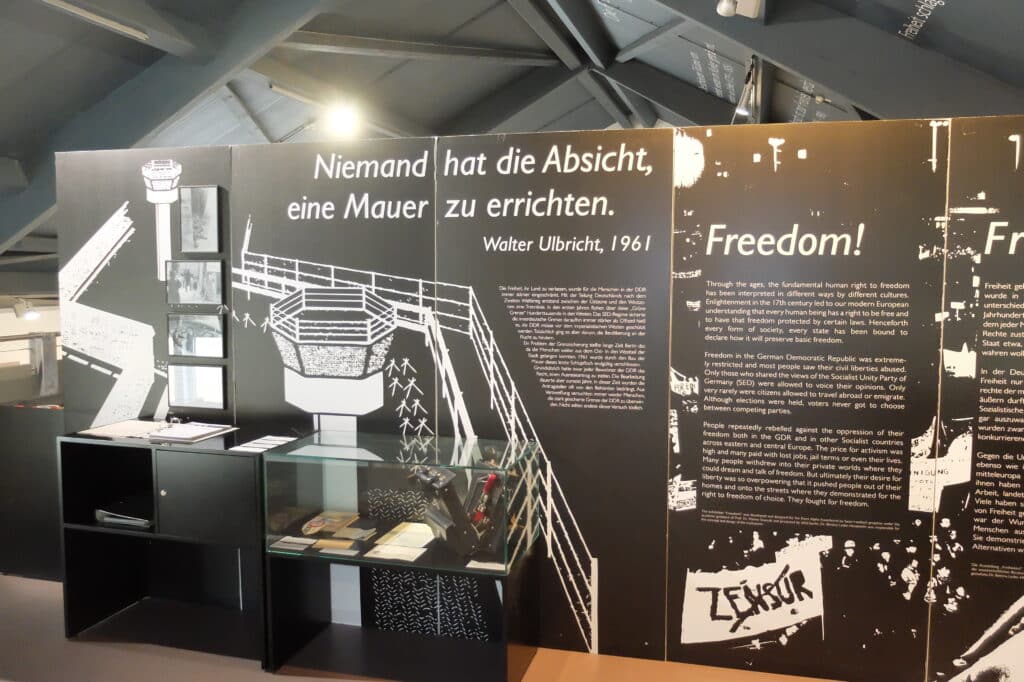
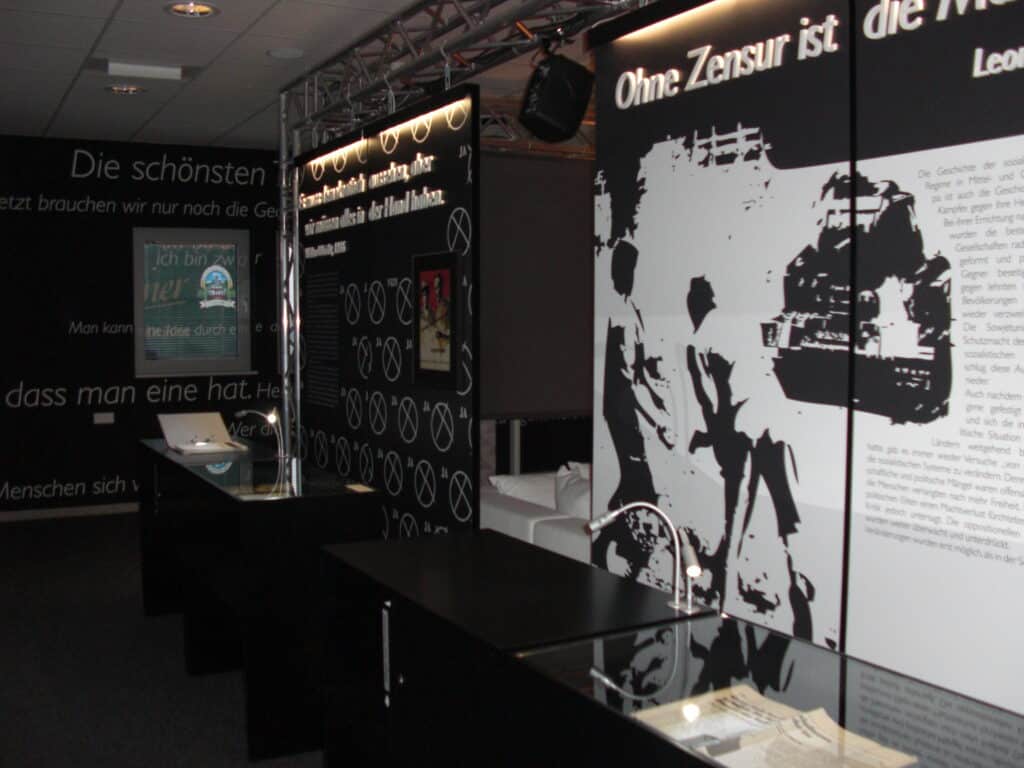
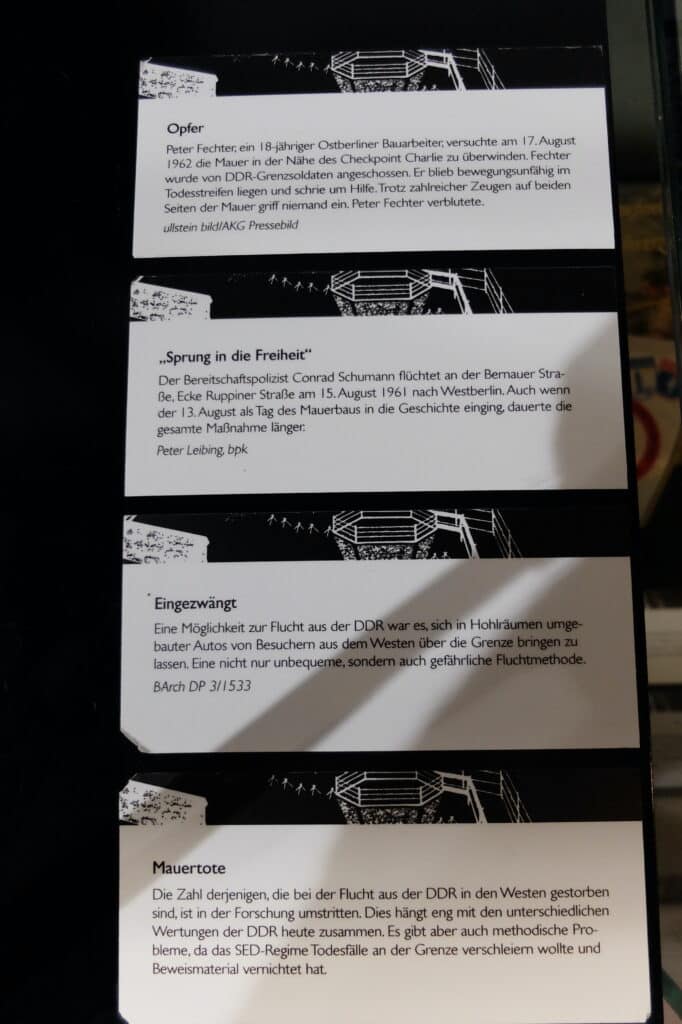
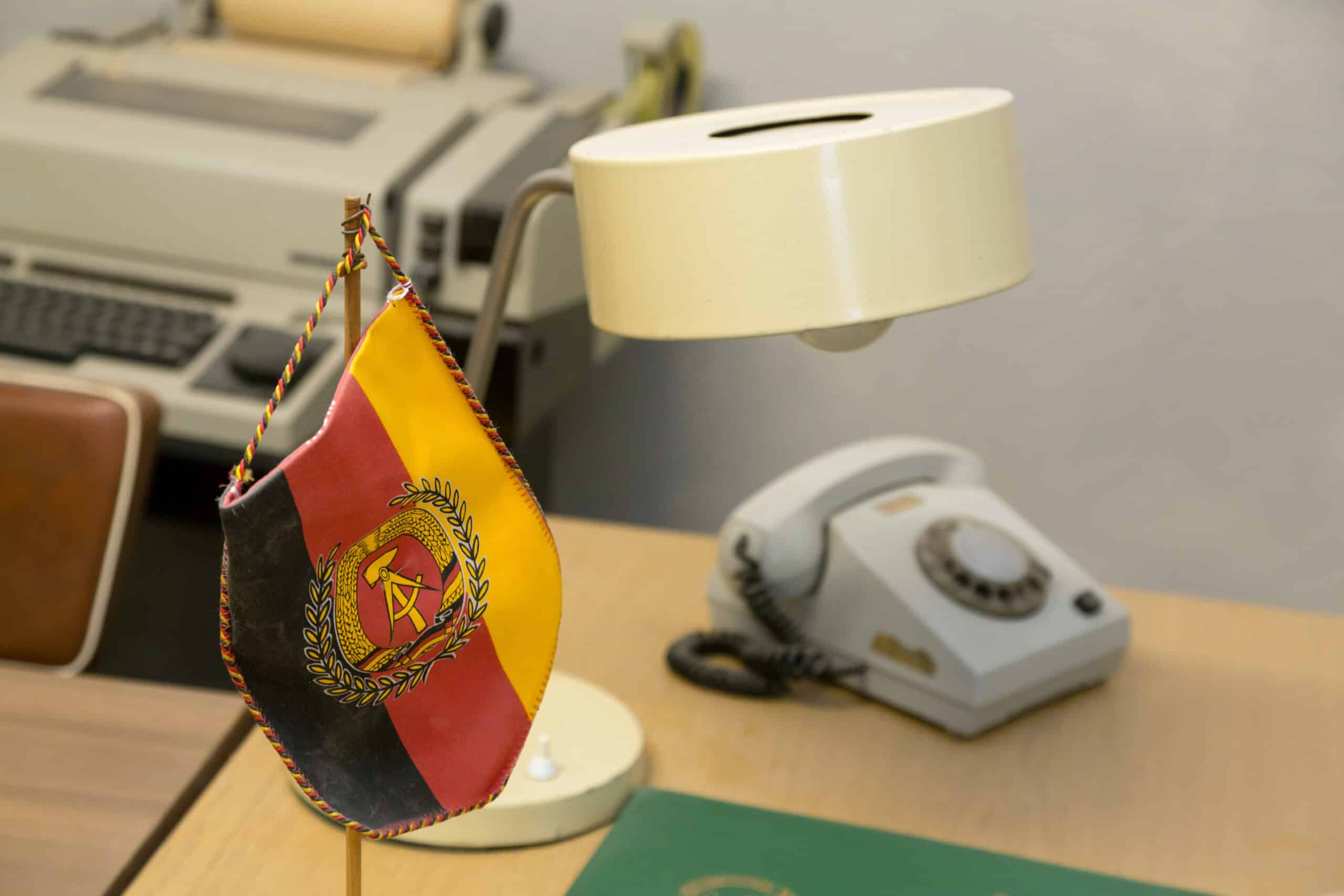
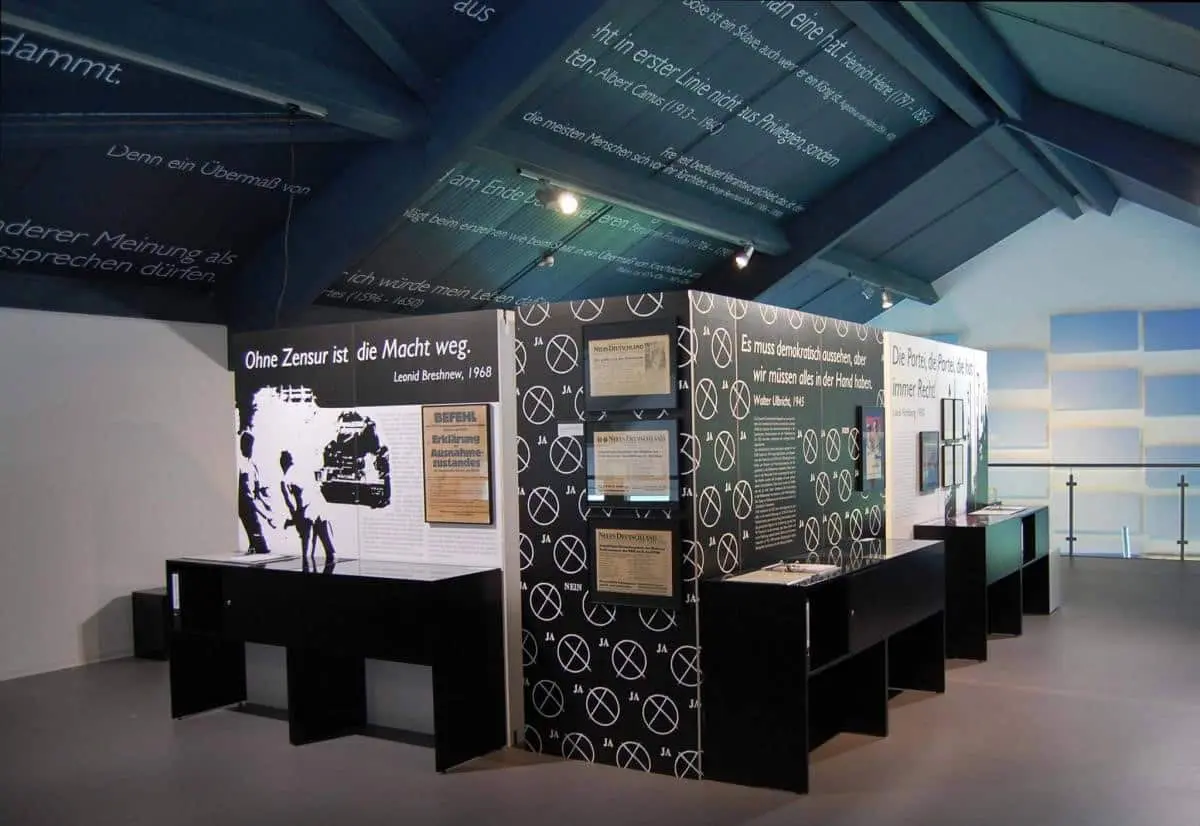
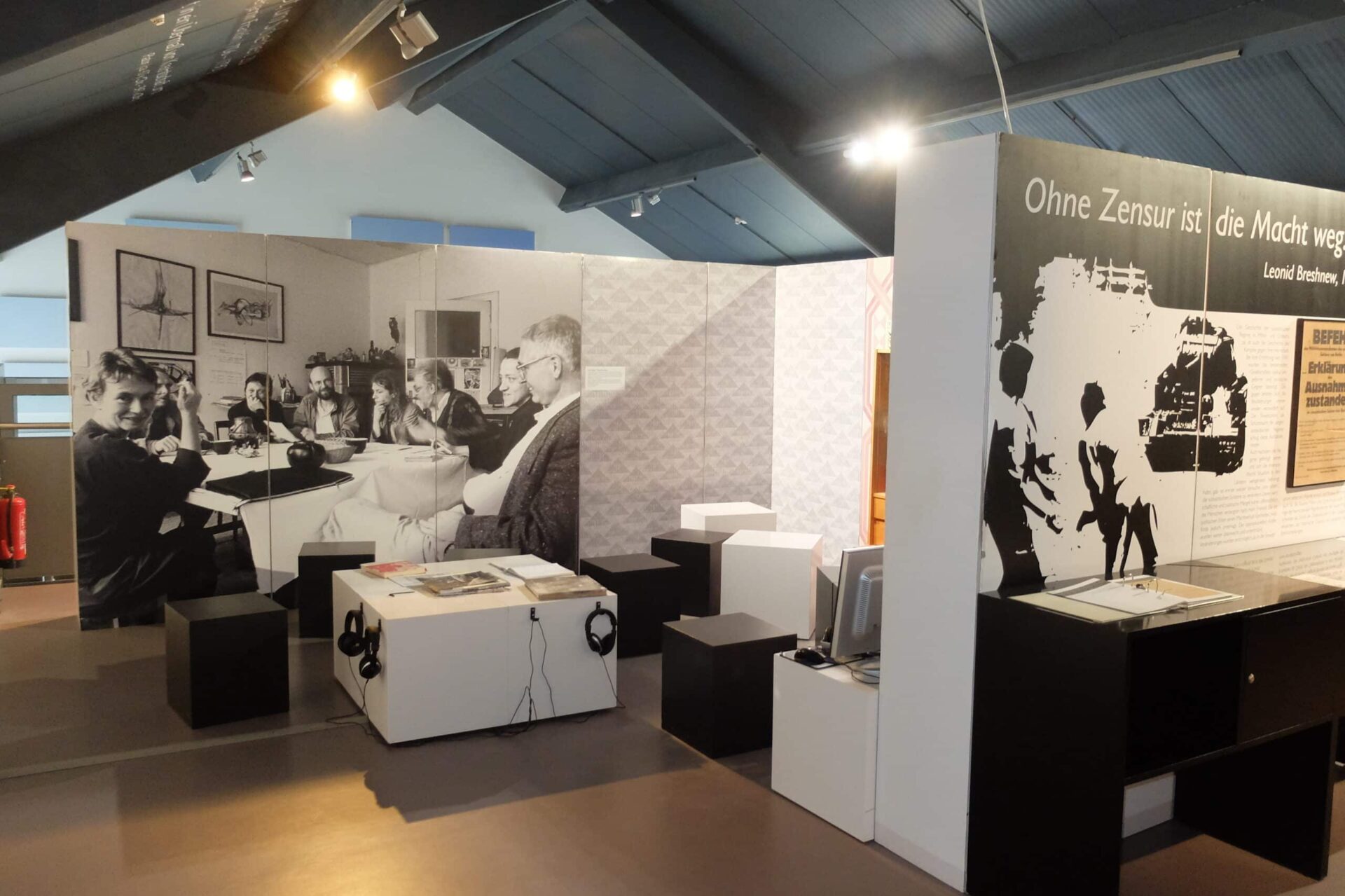
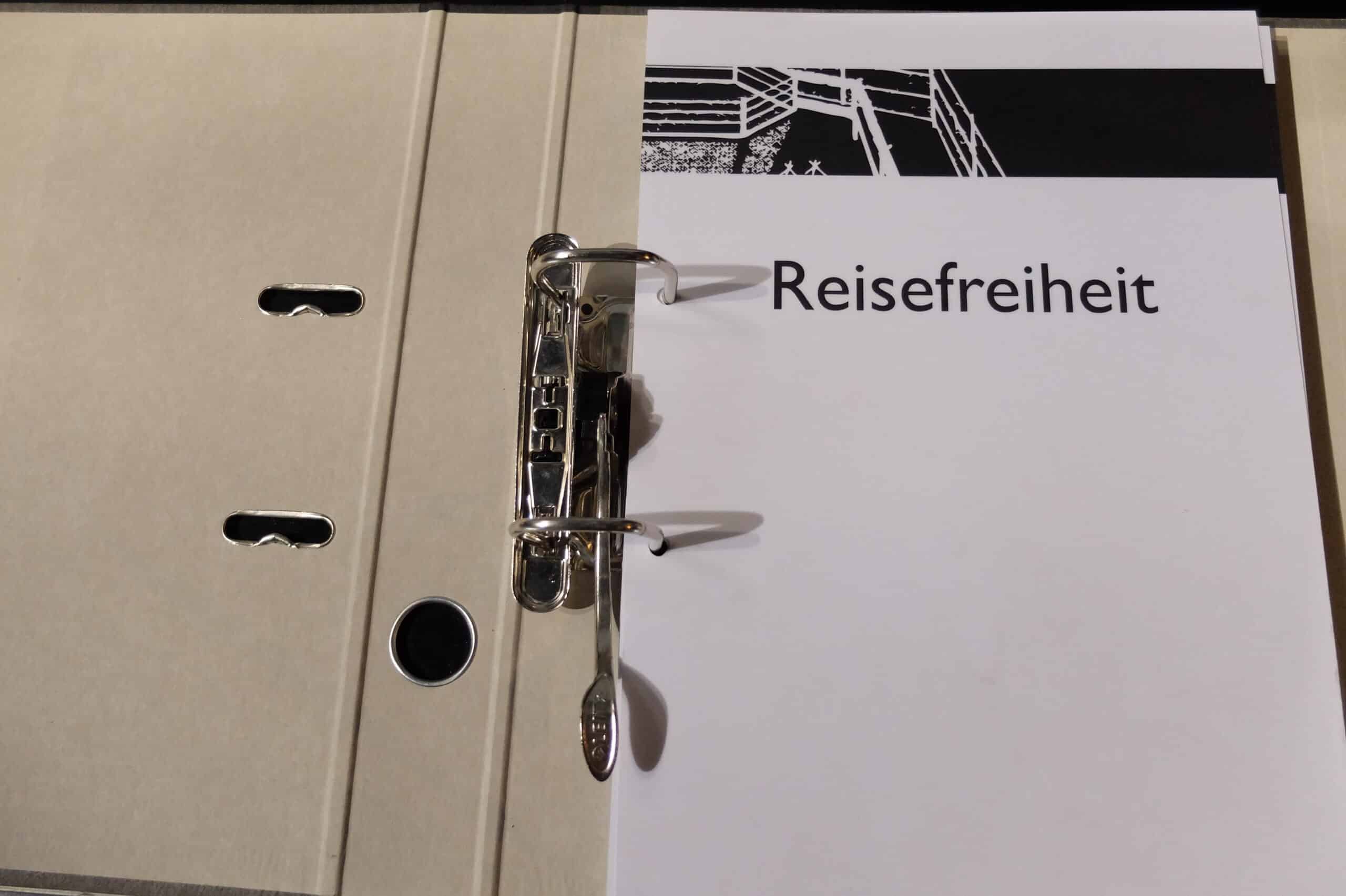
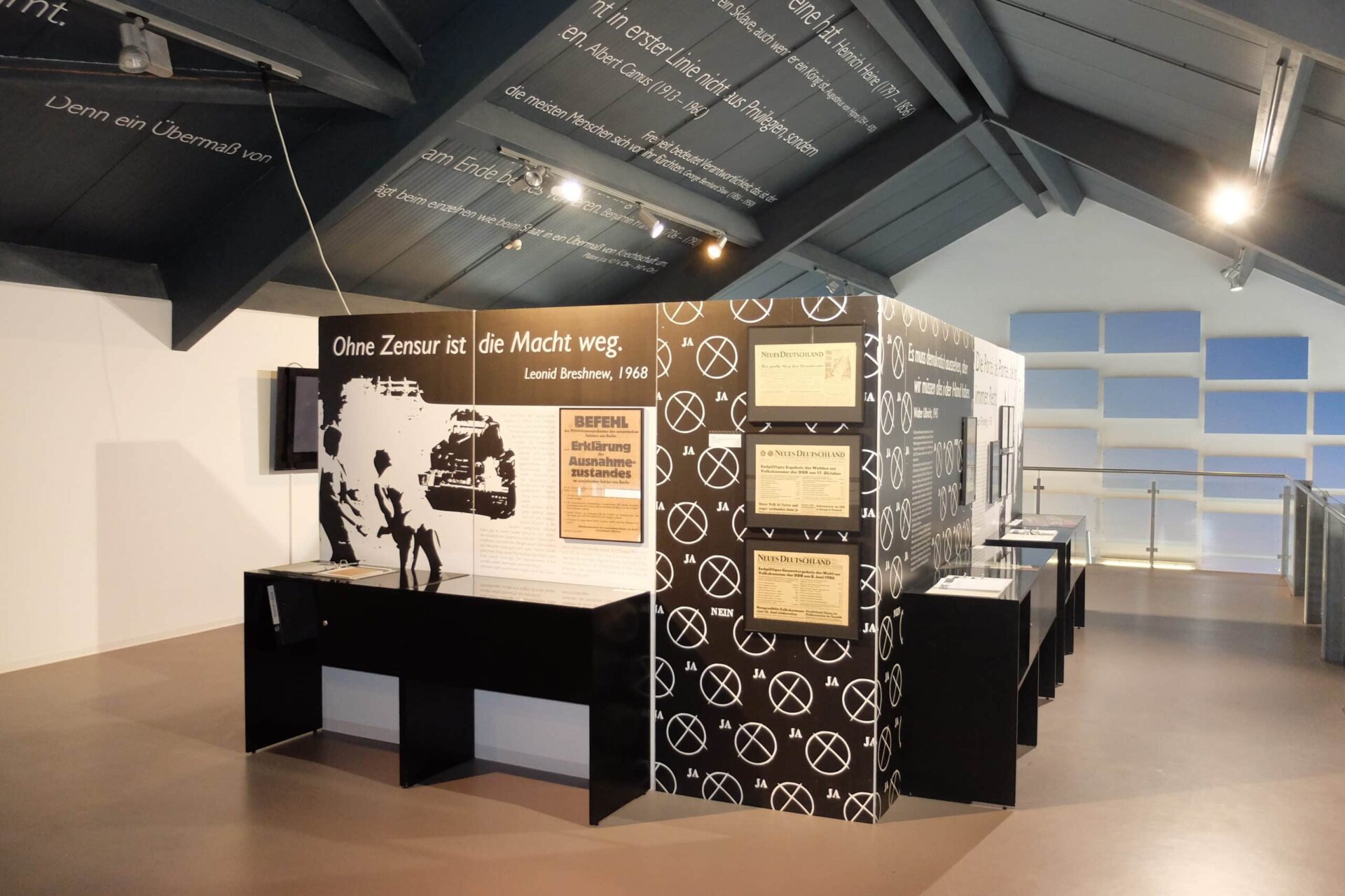
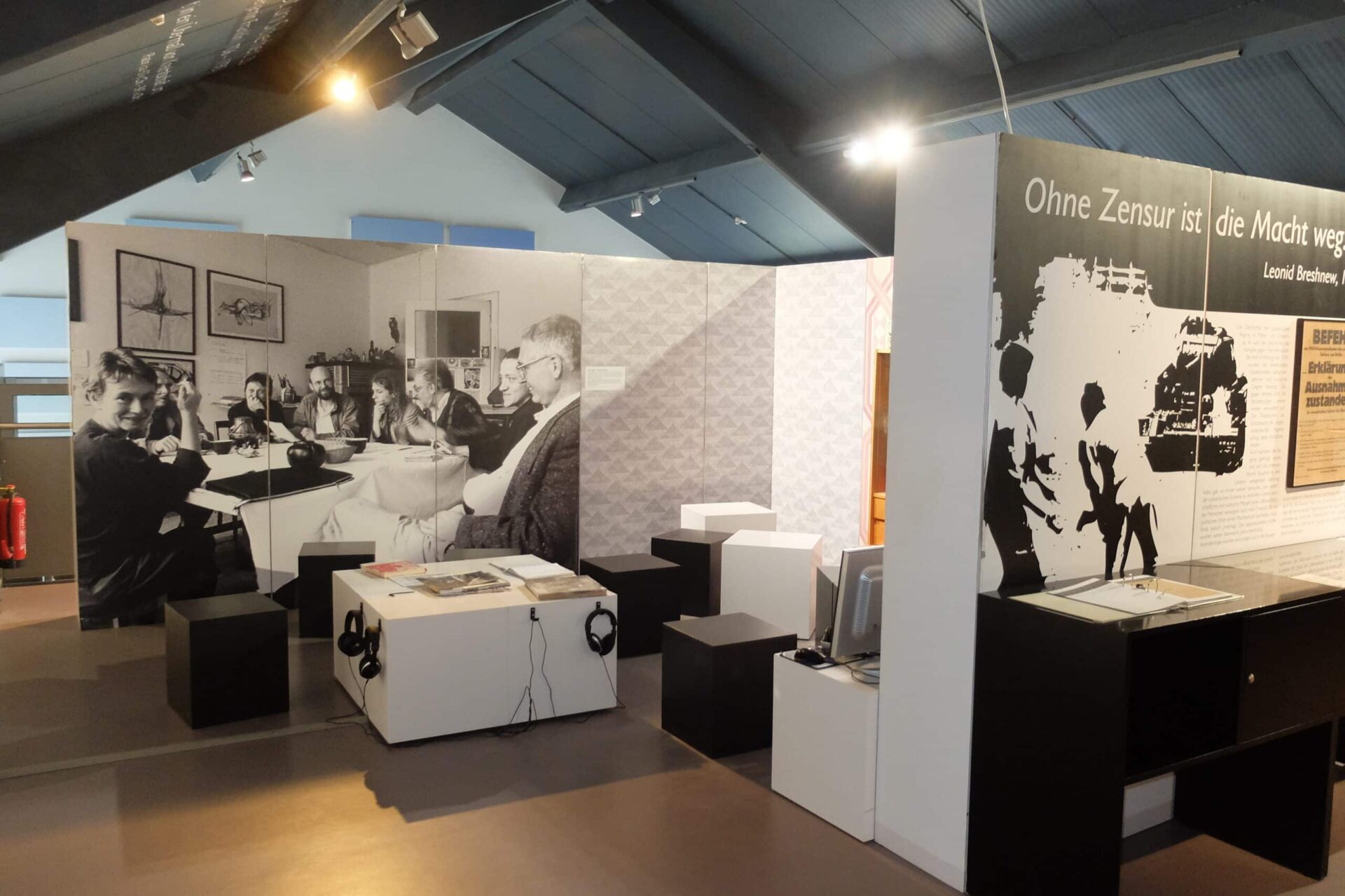
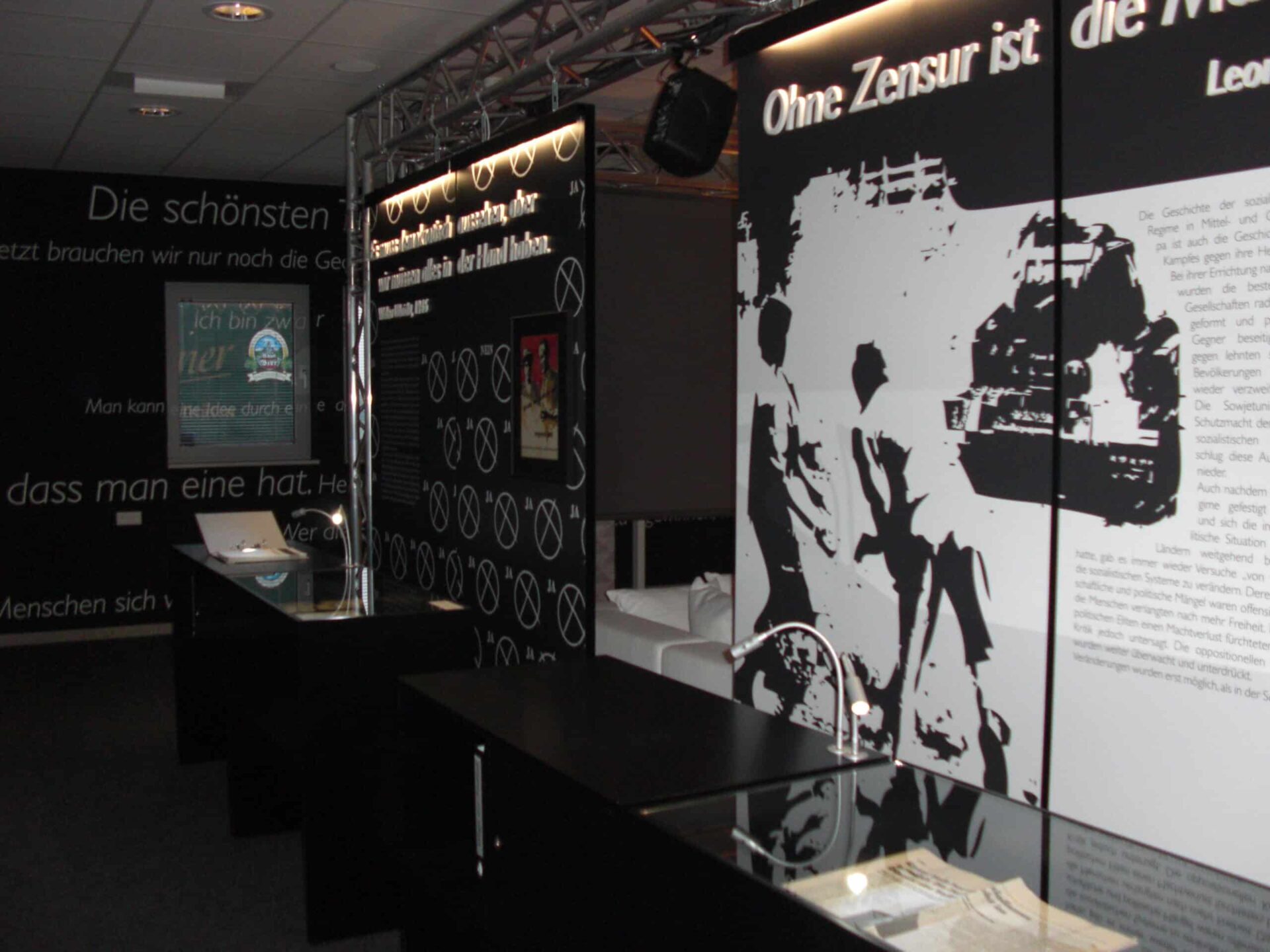
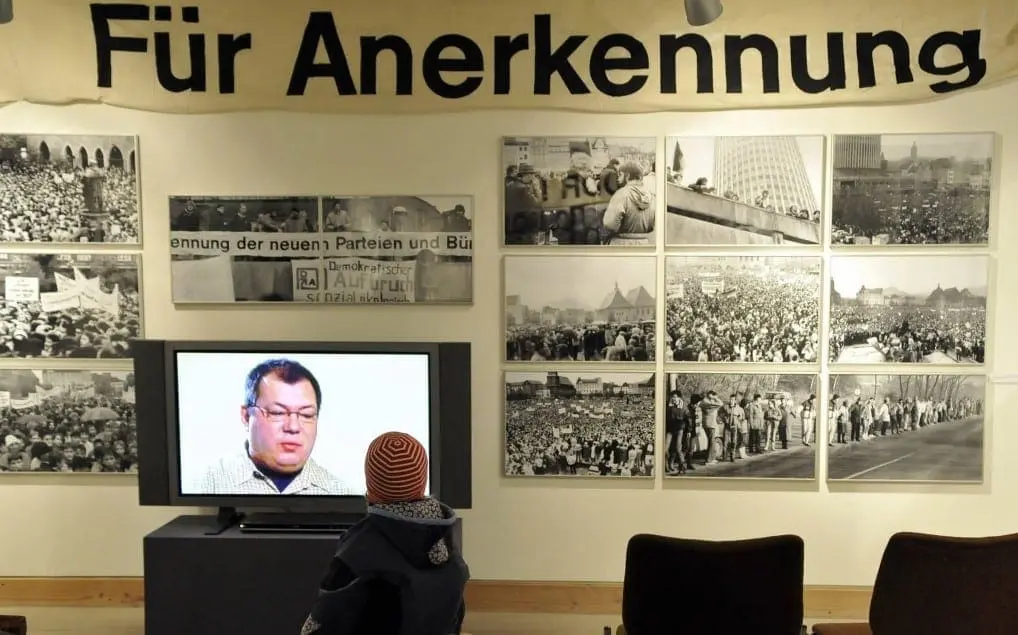
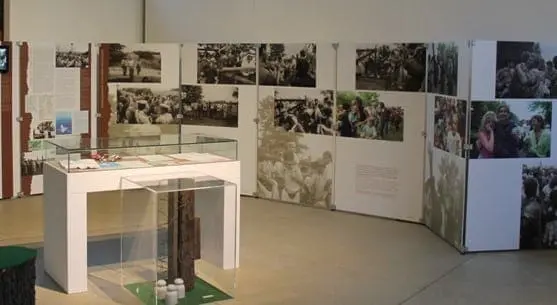
People in the GDR took to the streets in 1989 for “freedoms” – for very personal, individual, and social freedoms. The exhibition “Freedoms!” in the House on the Border is dedicated to this. The center of the exhibition deliberately plays with private moments, and with the significance of people’s private living space. This is where the counter-movements began, not only in the GDR, but throughout Eastern Europe, which then contributed to the 1989 protestor filled streets and the fall of dictatorships. This is where people met to discuss the paths to freedom and ultimately bring about the peaceful democratic “Wende” (change). The exhibition is an interactive meeting place and communicative discussion space – for contemporary witnesses who experienced the eventful years 1989/90, but also for future generations for whom dictatorship and the fall of the Wall are already part of history.
"Vom Todesstreifen zur Lebenslinie - From Death Strip to Lifeline"
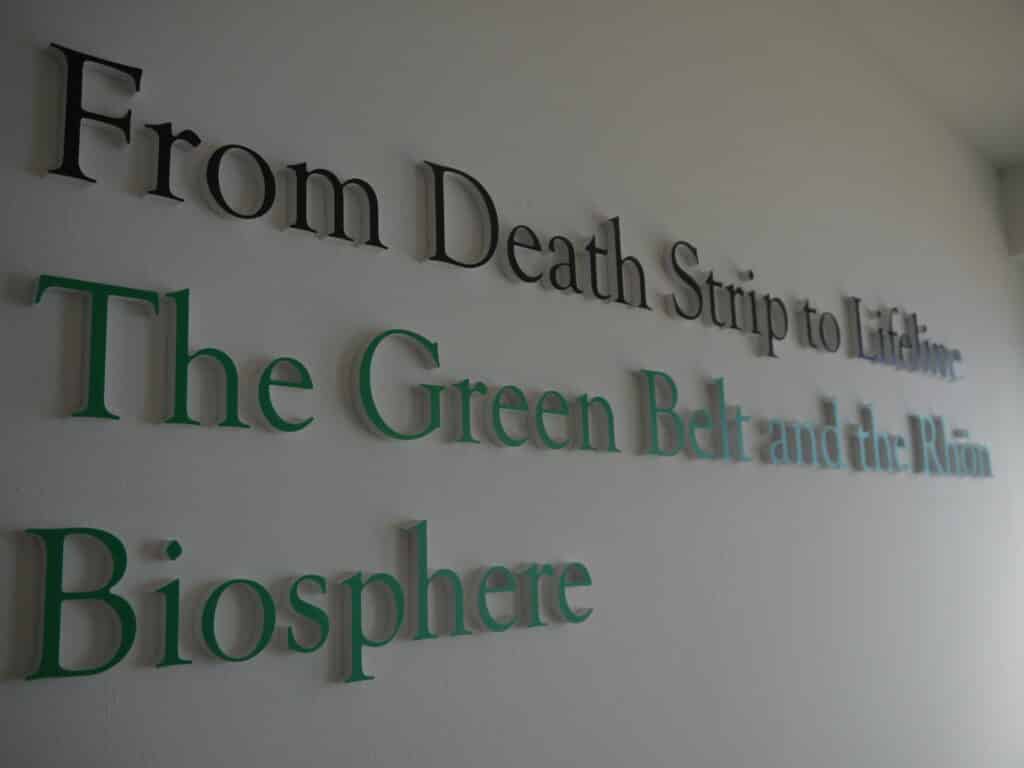
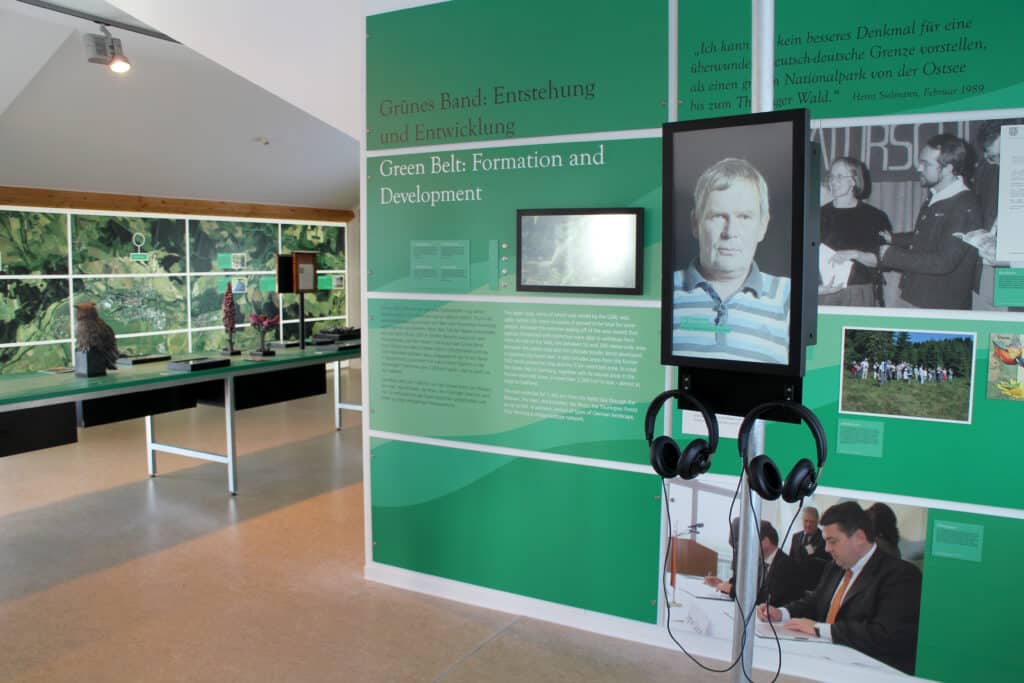
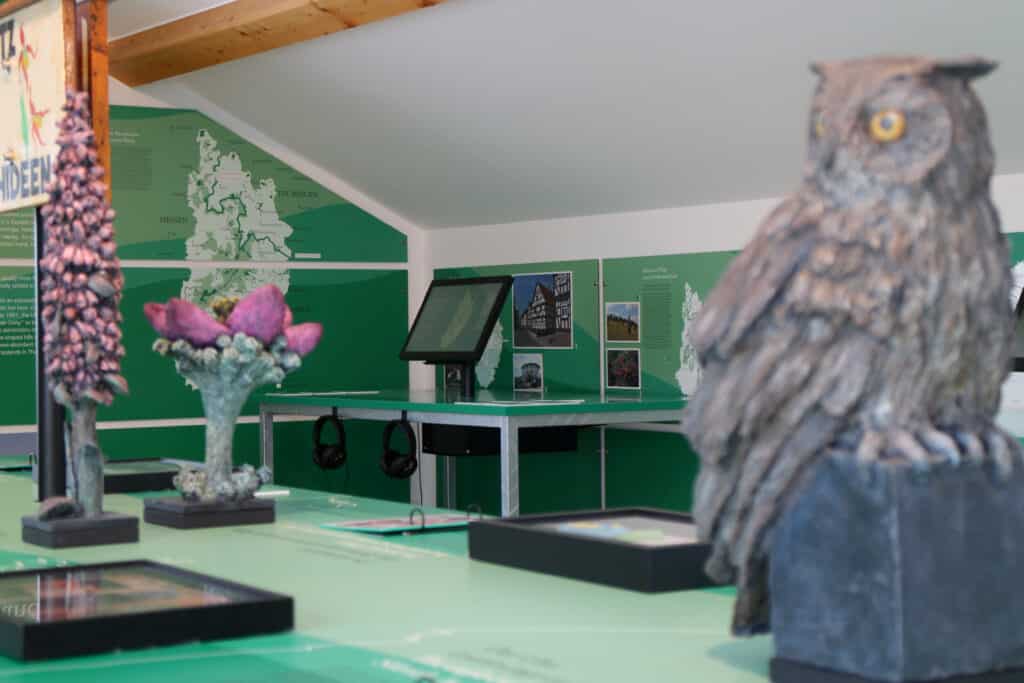
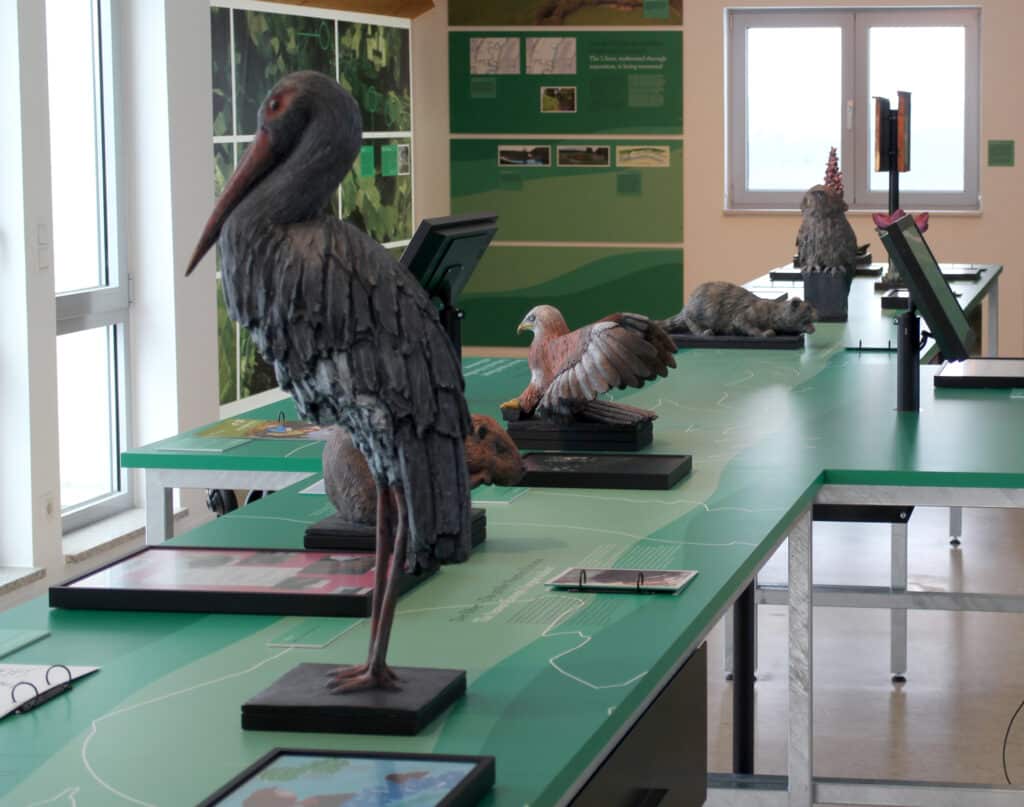
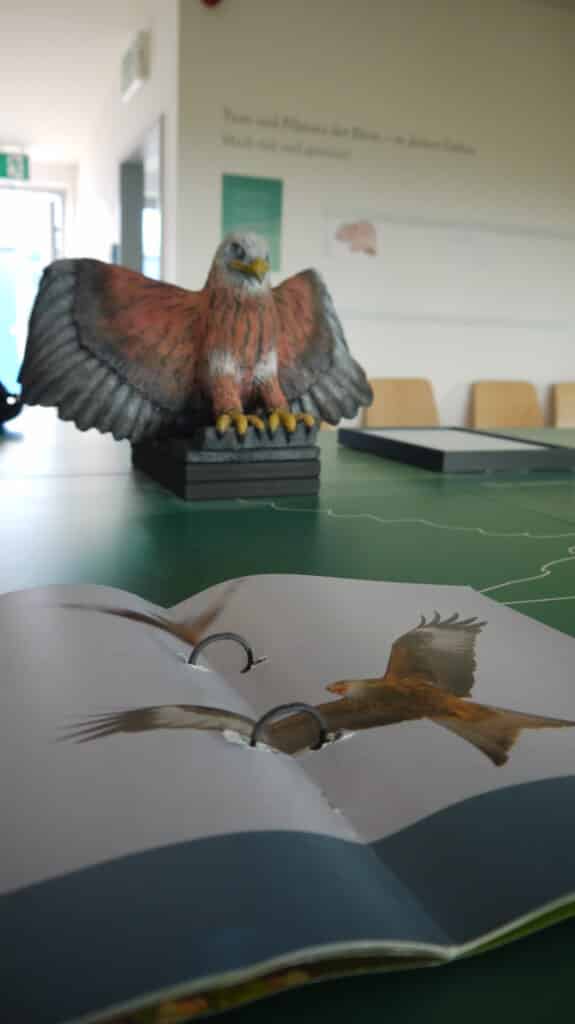
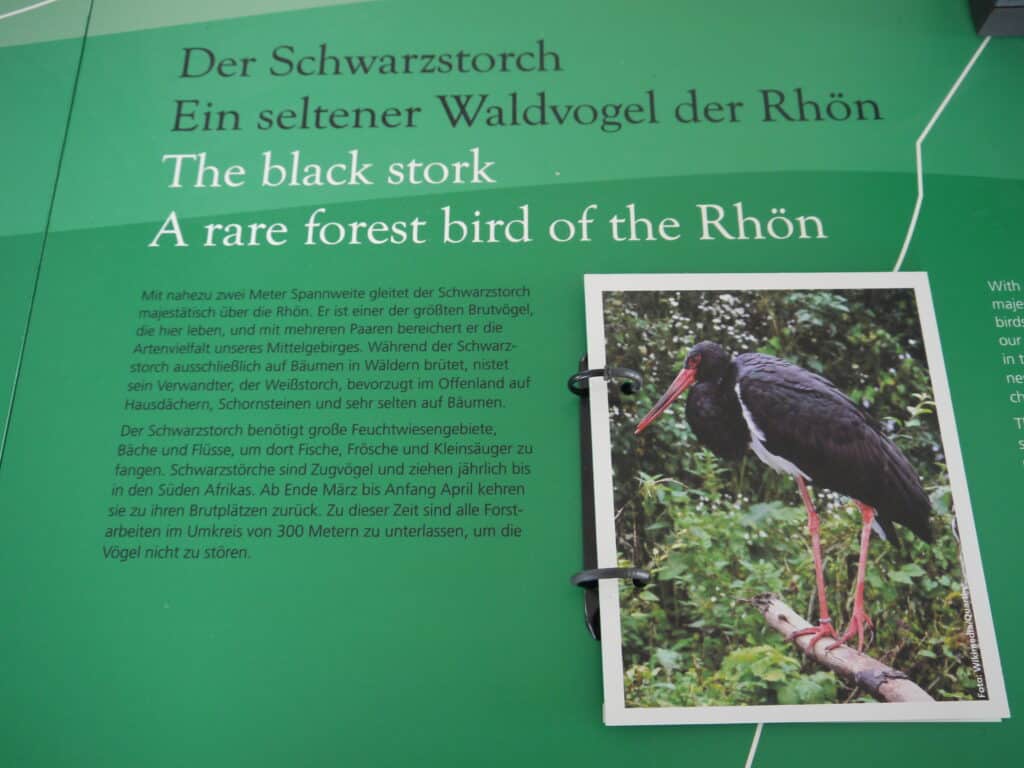
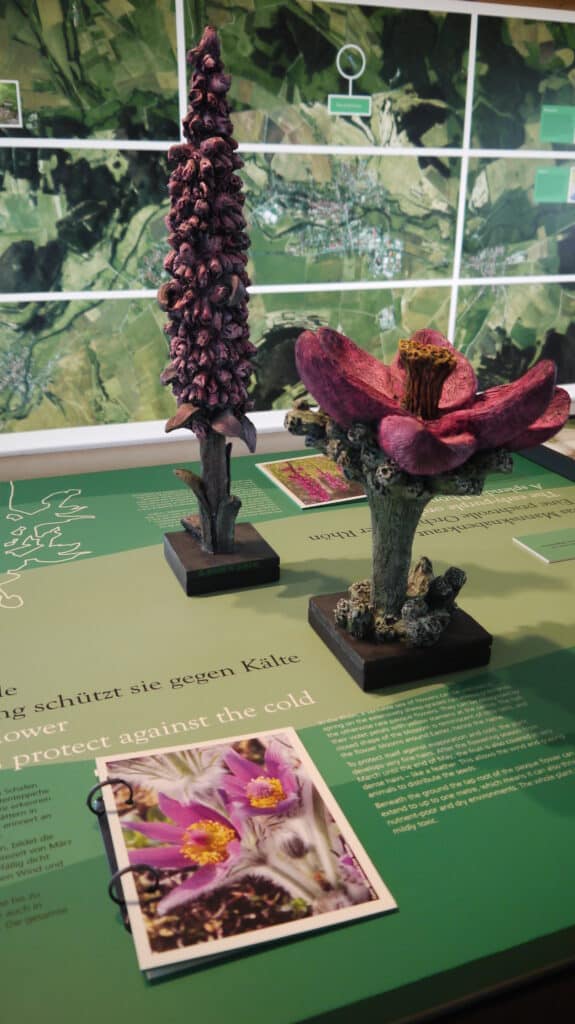
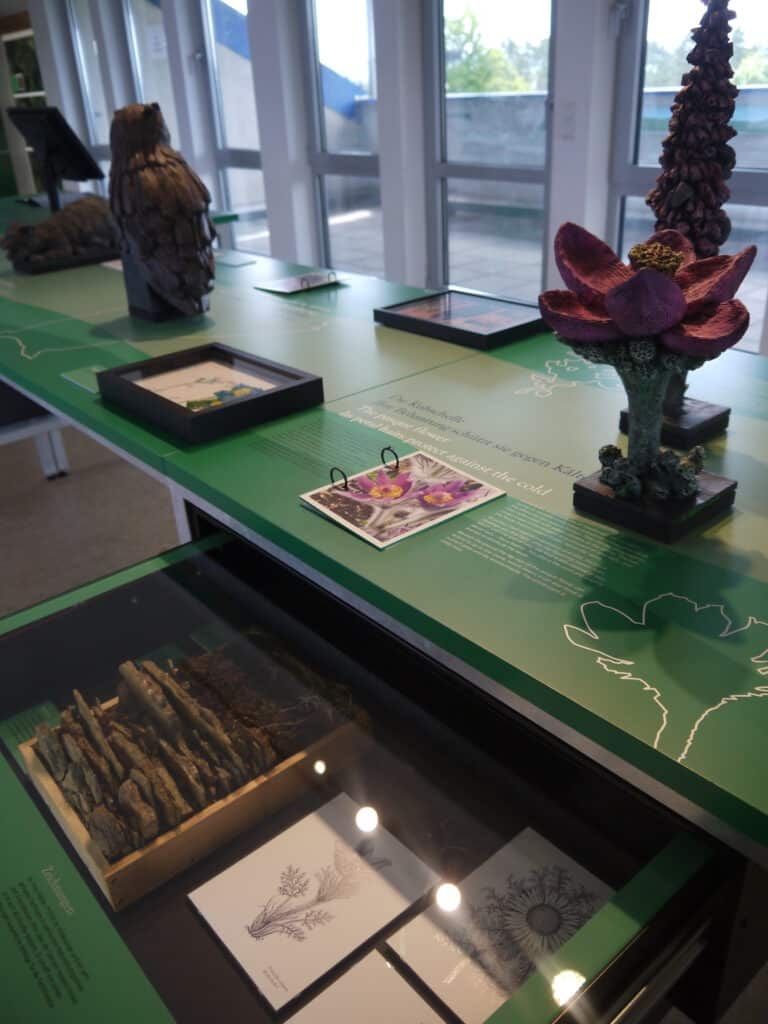
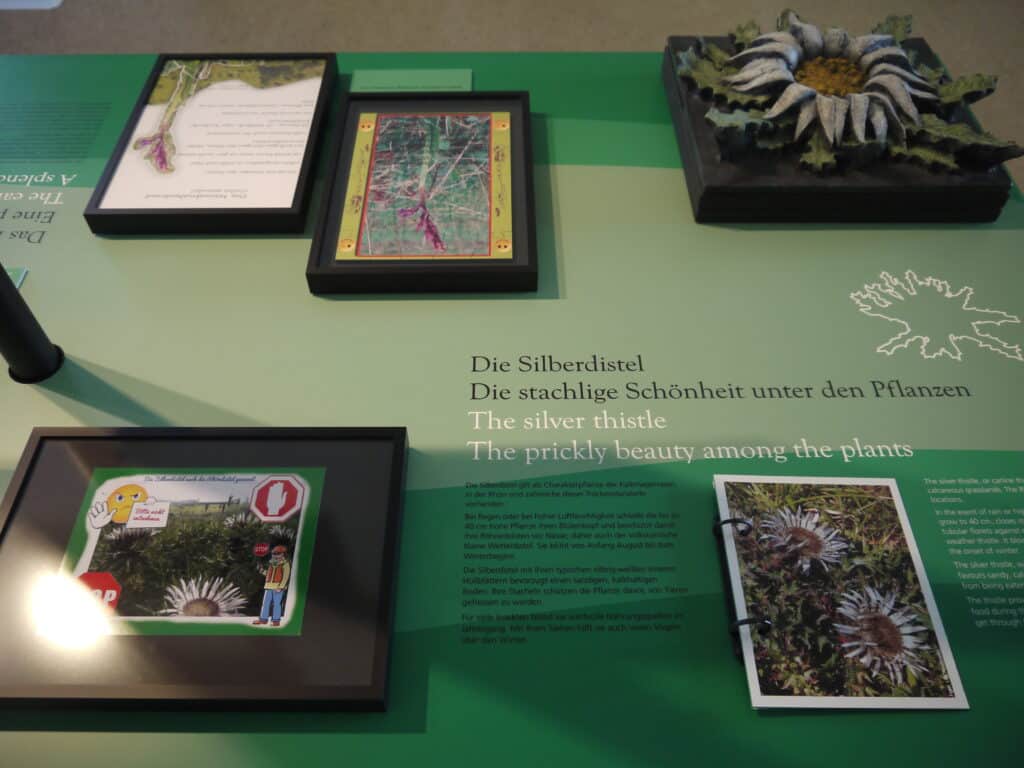
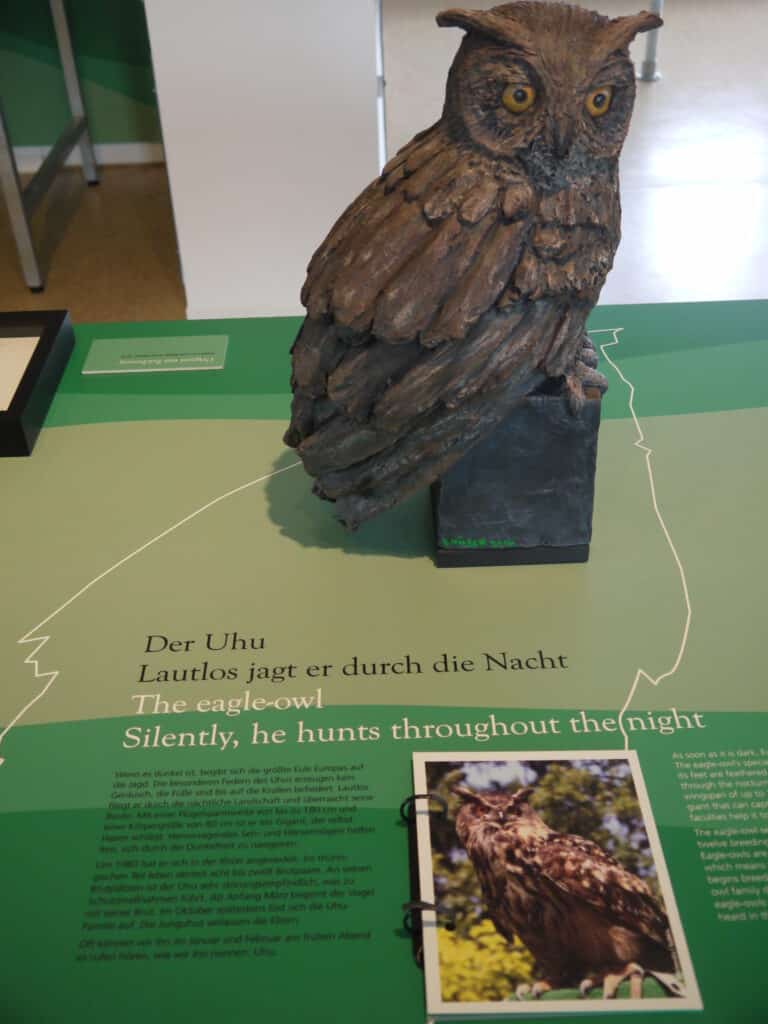
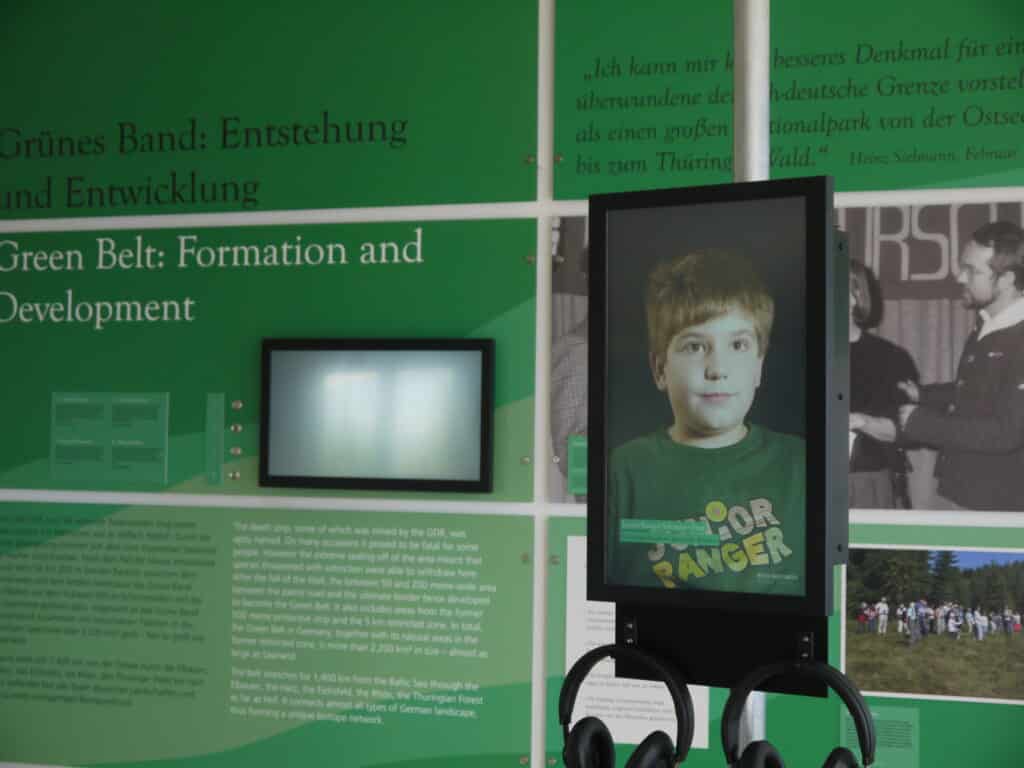
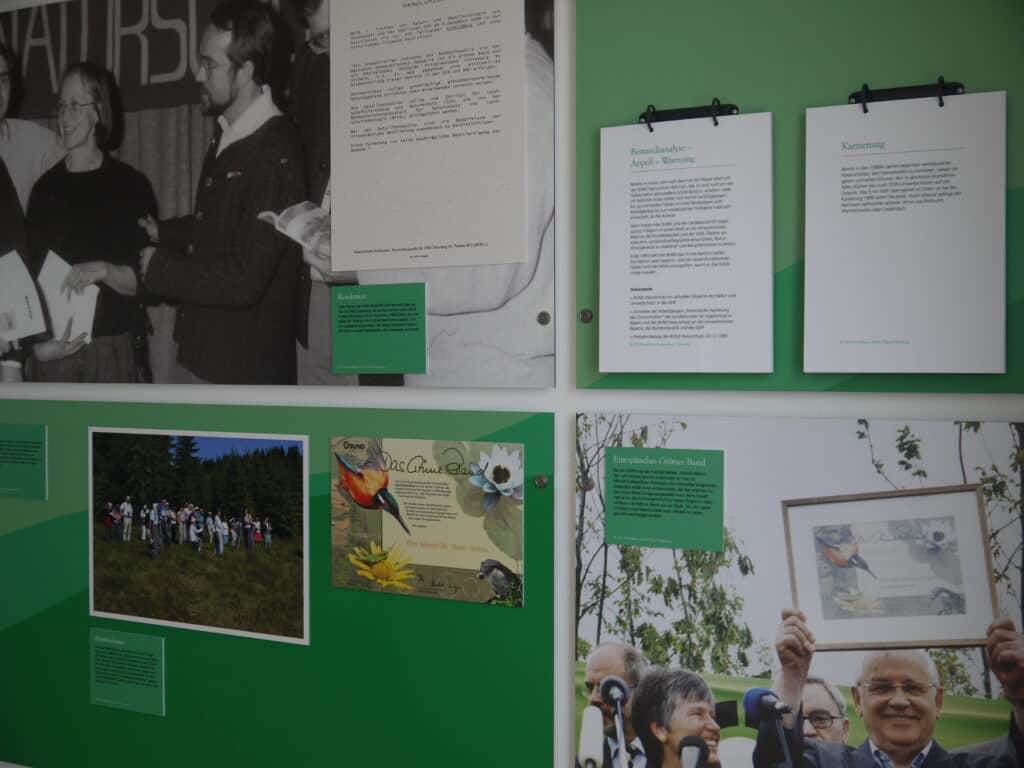
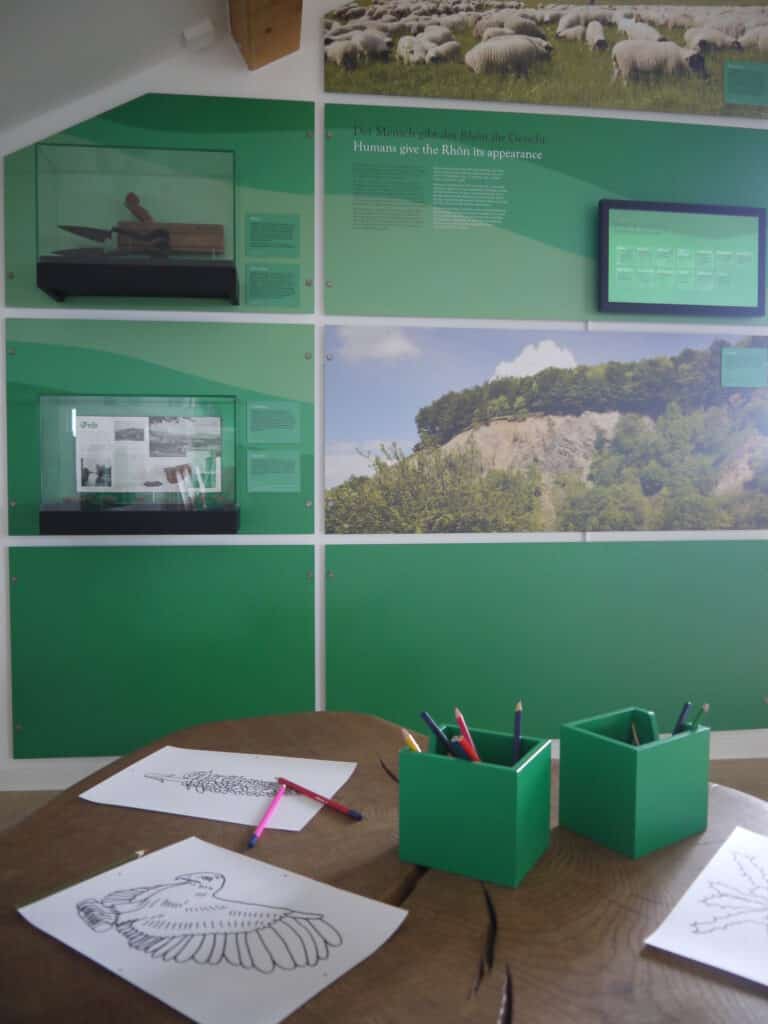
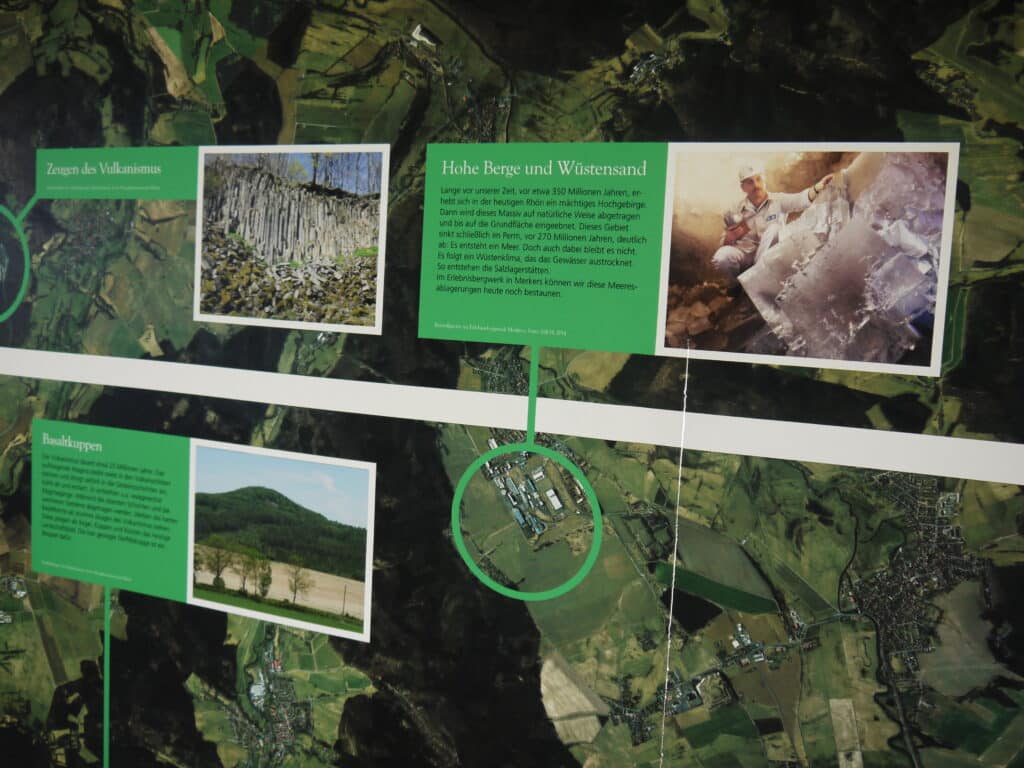
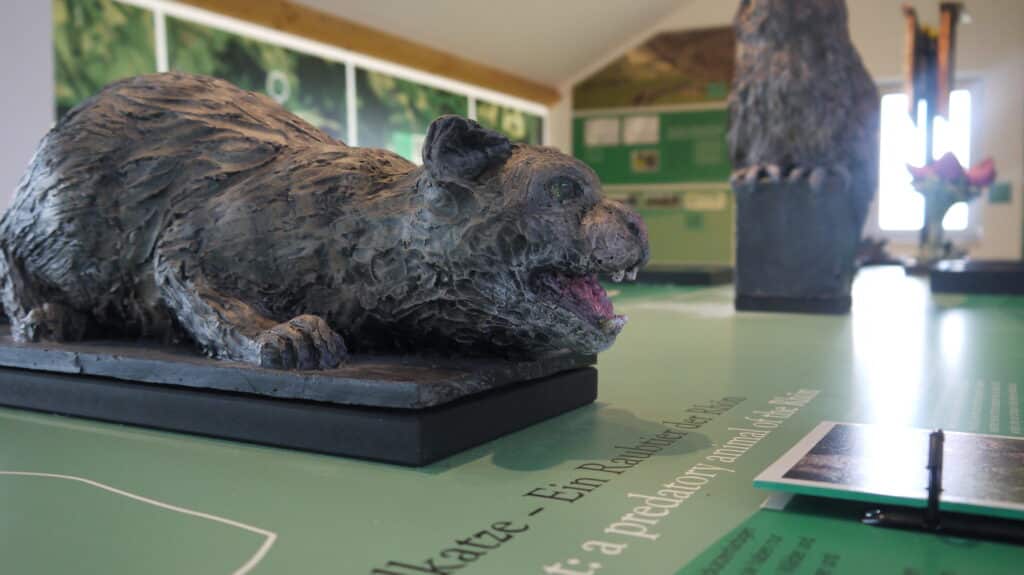
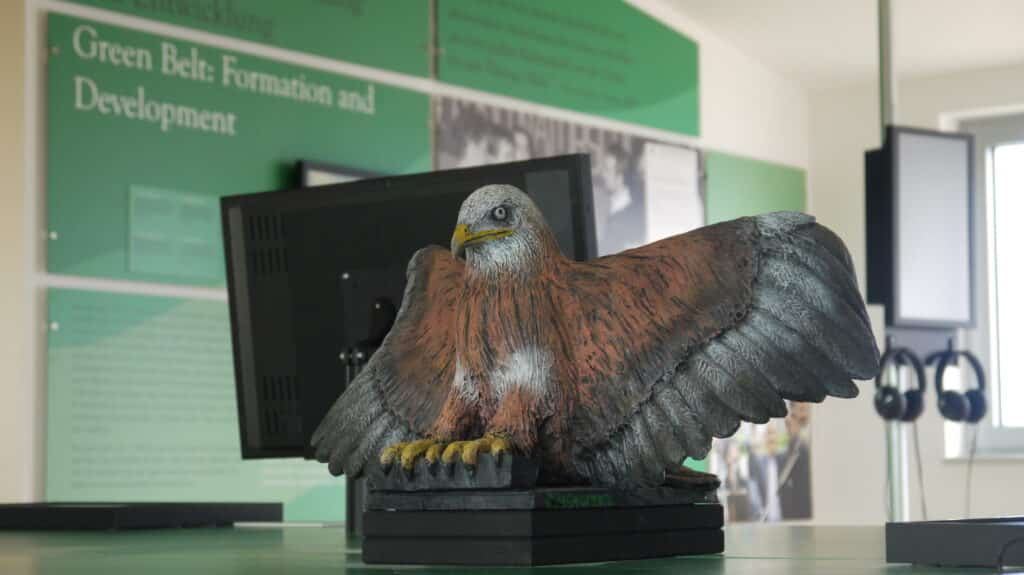
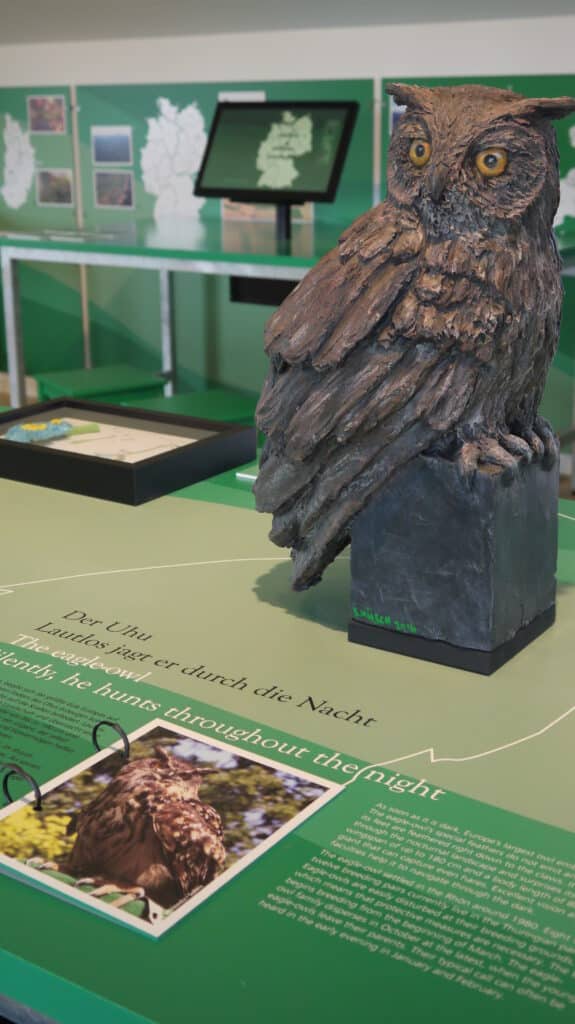
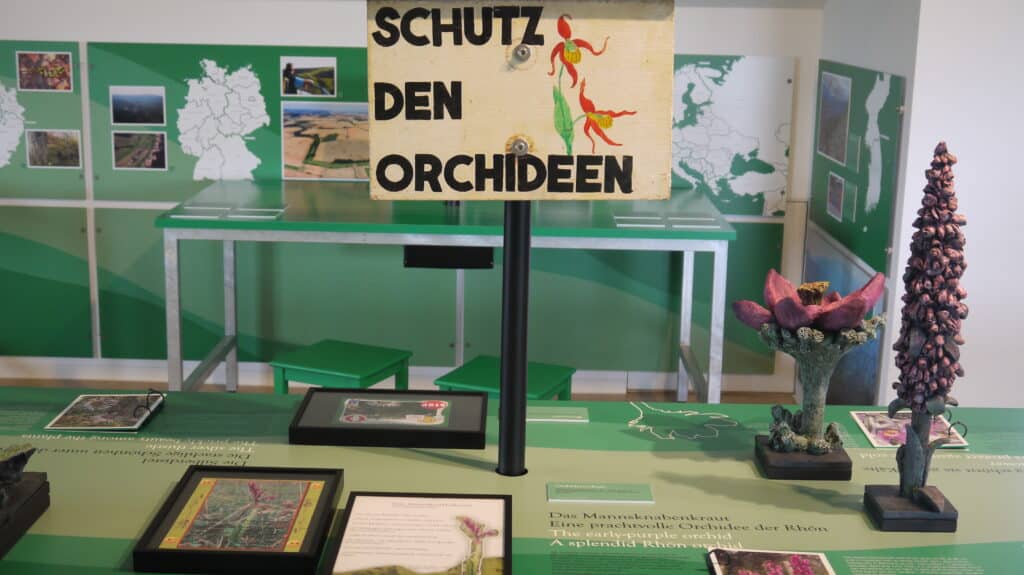
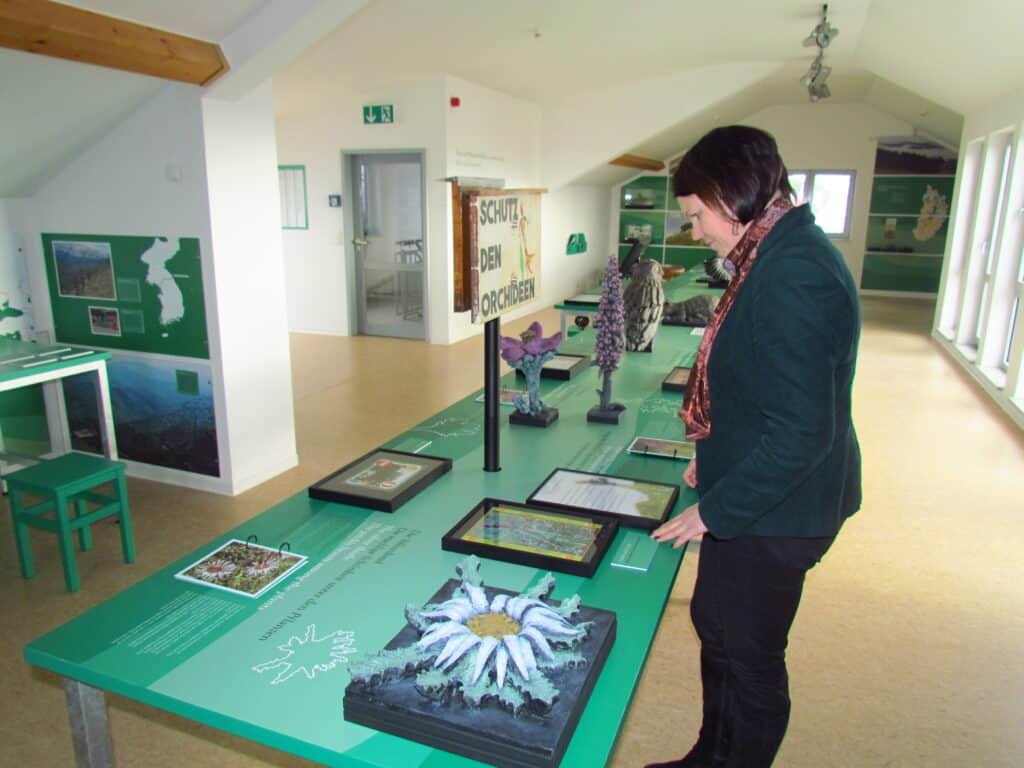
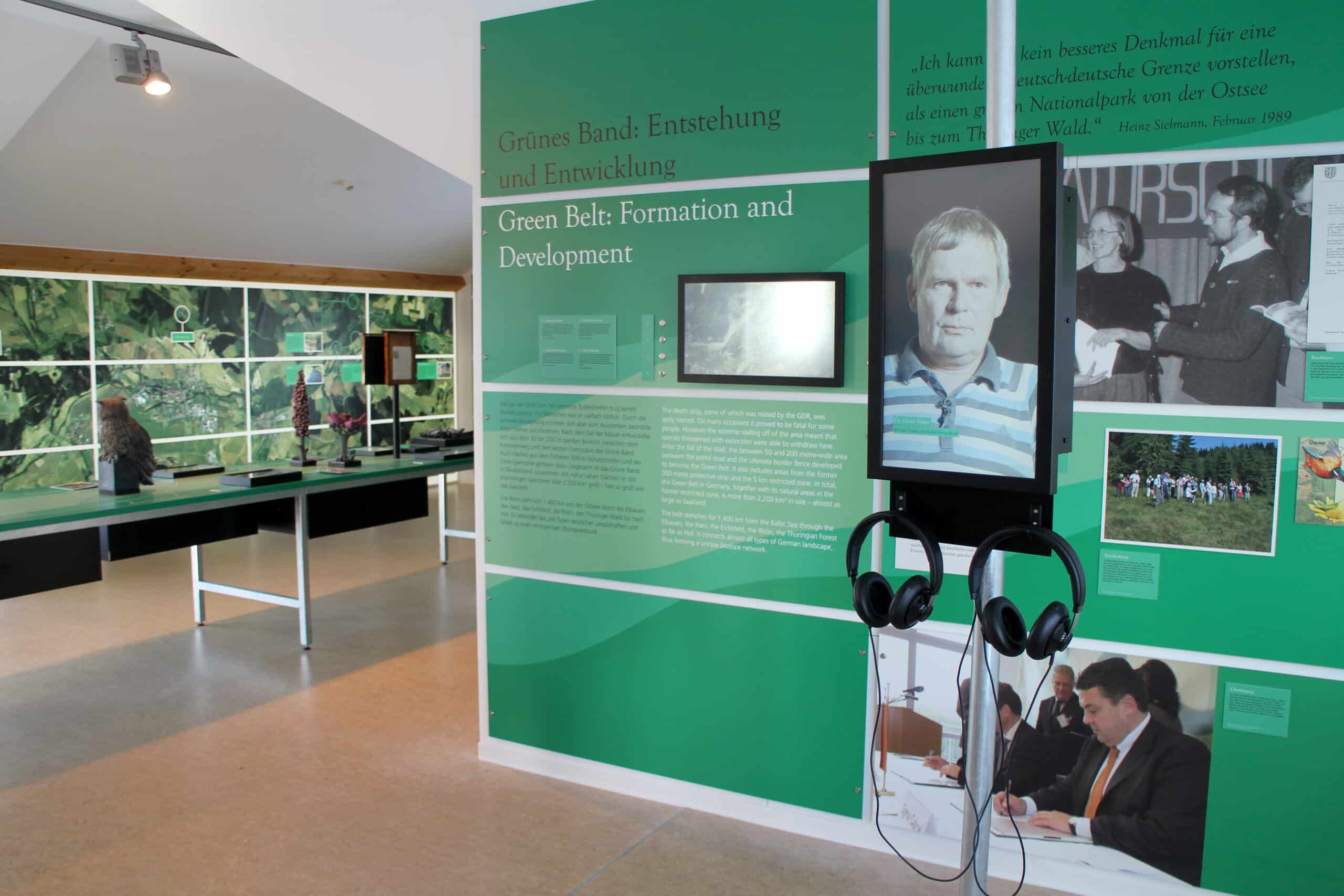
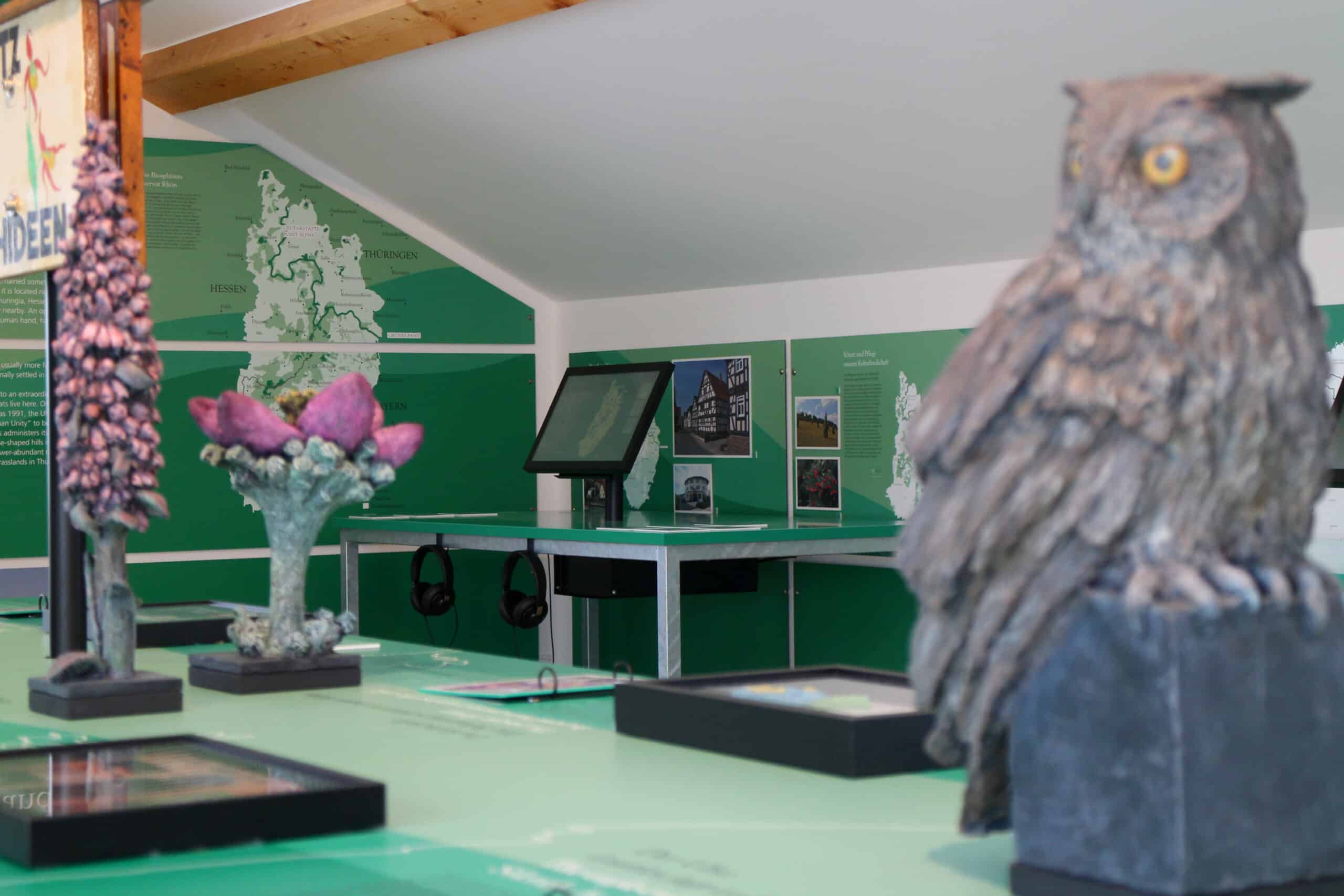
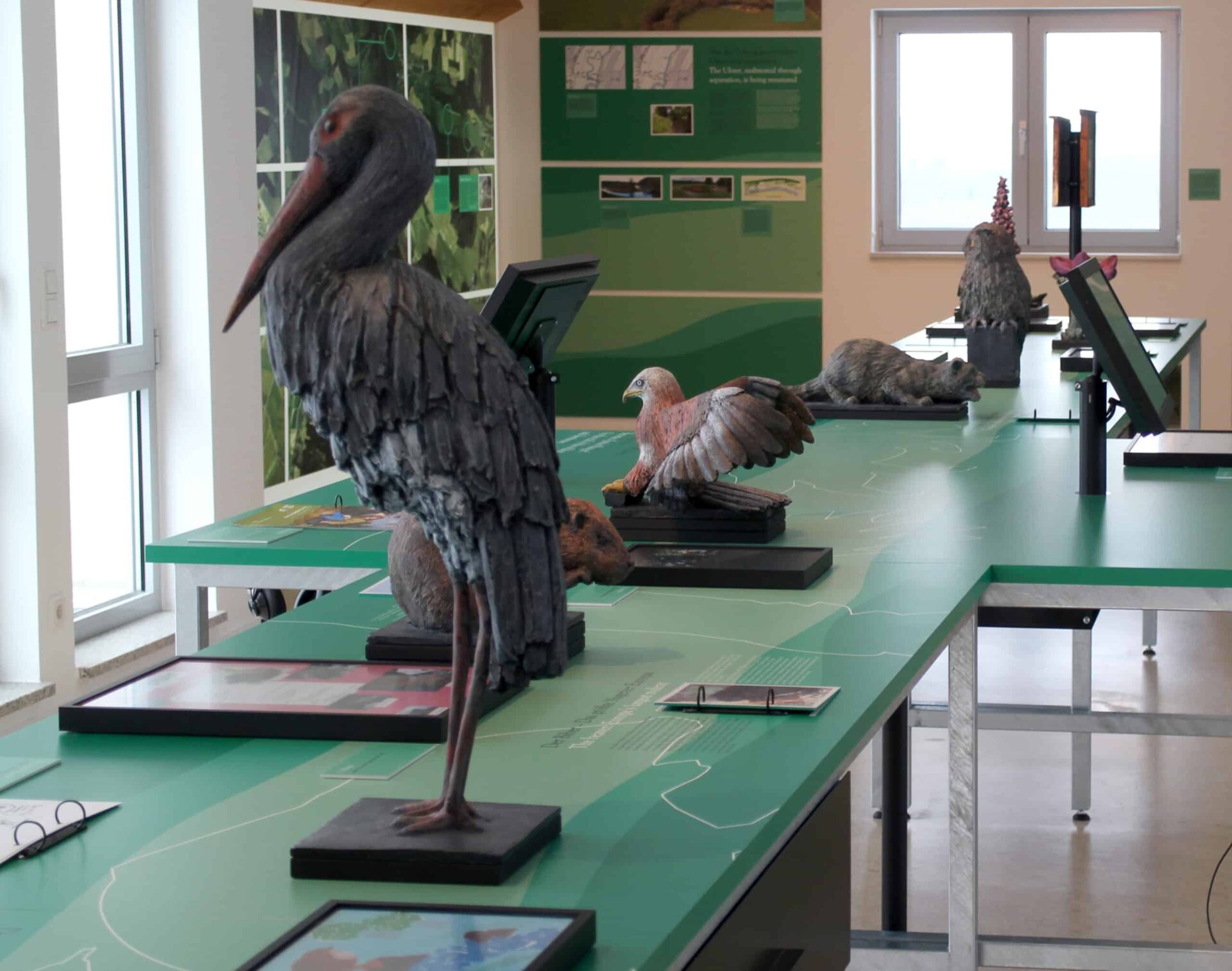
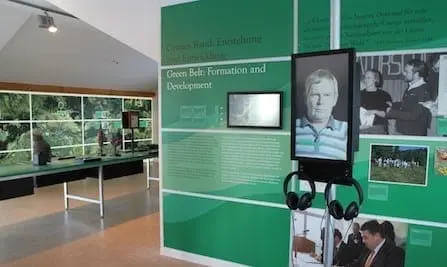
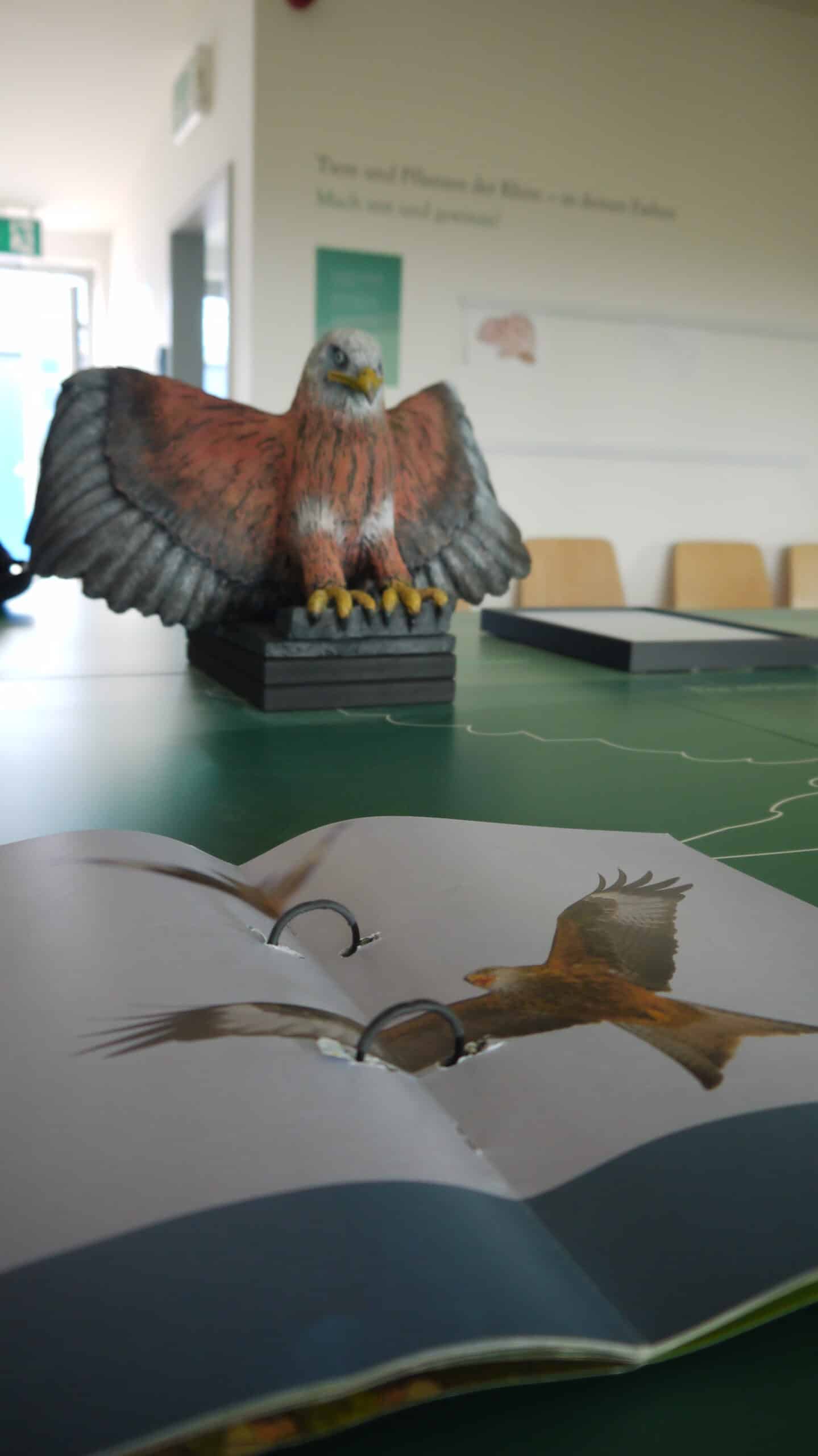
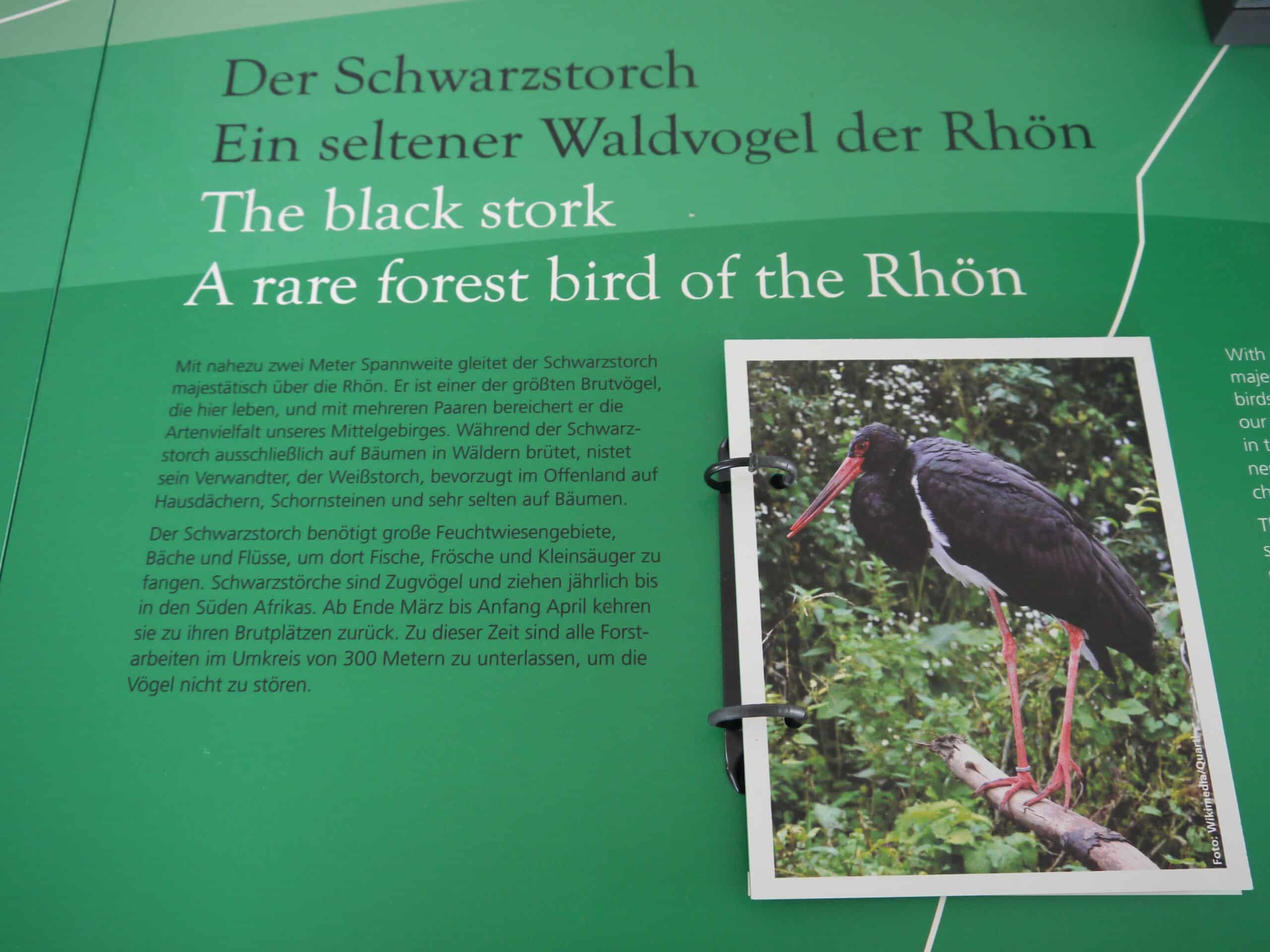
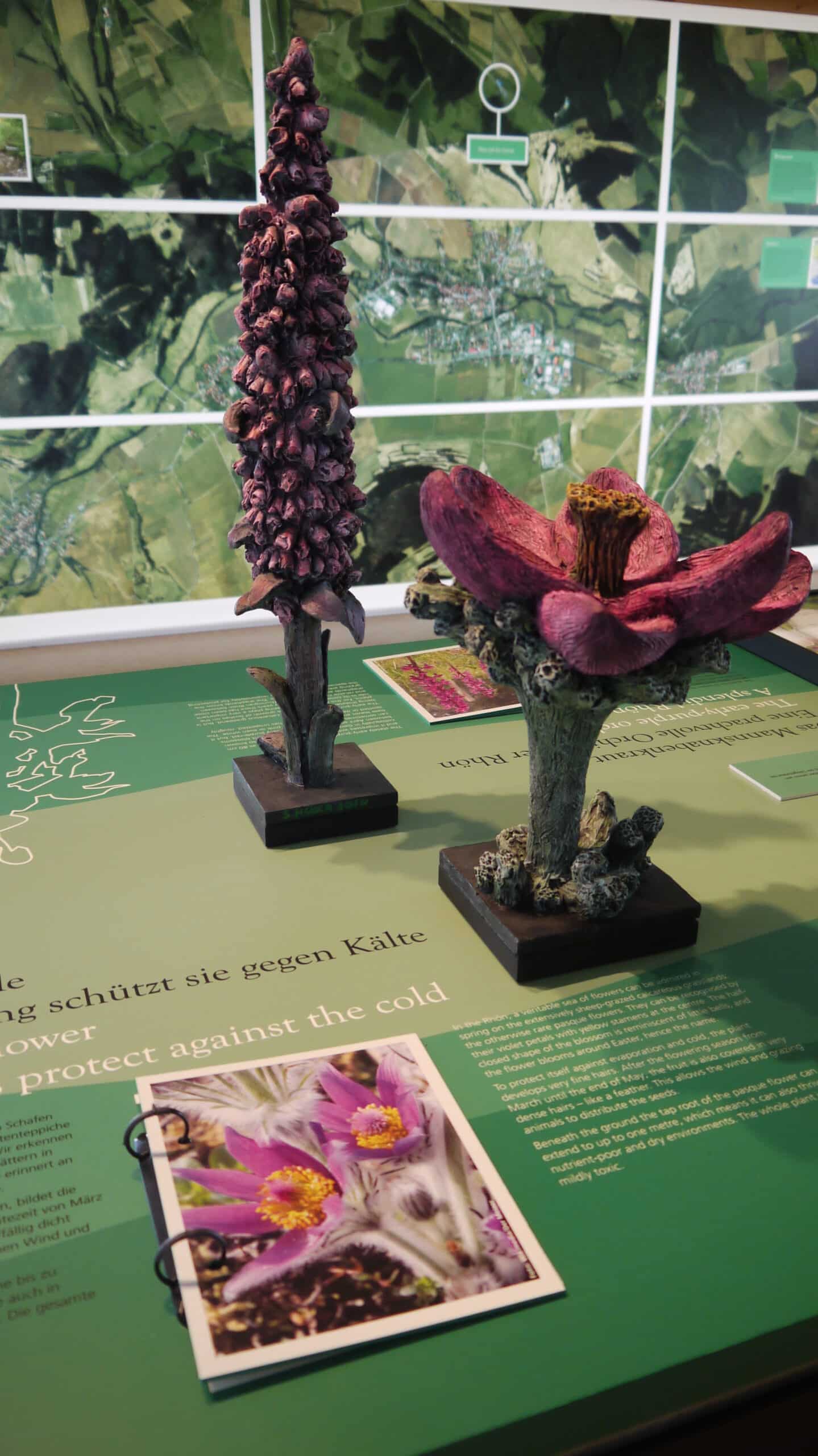
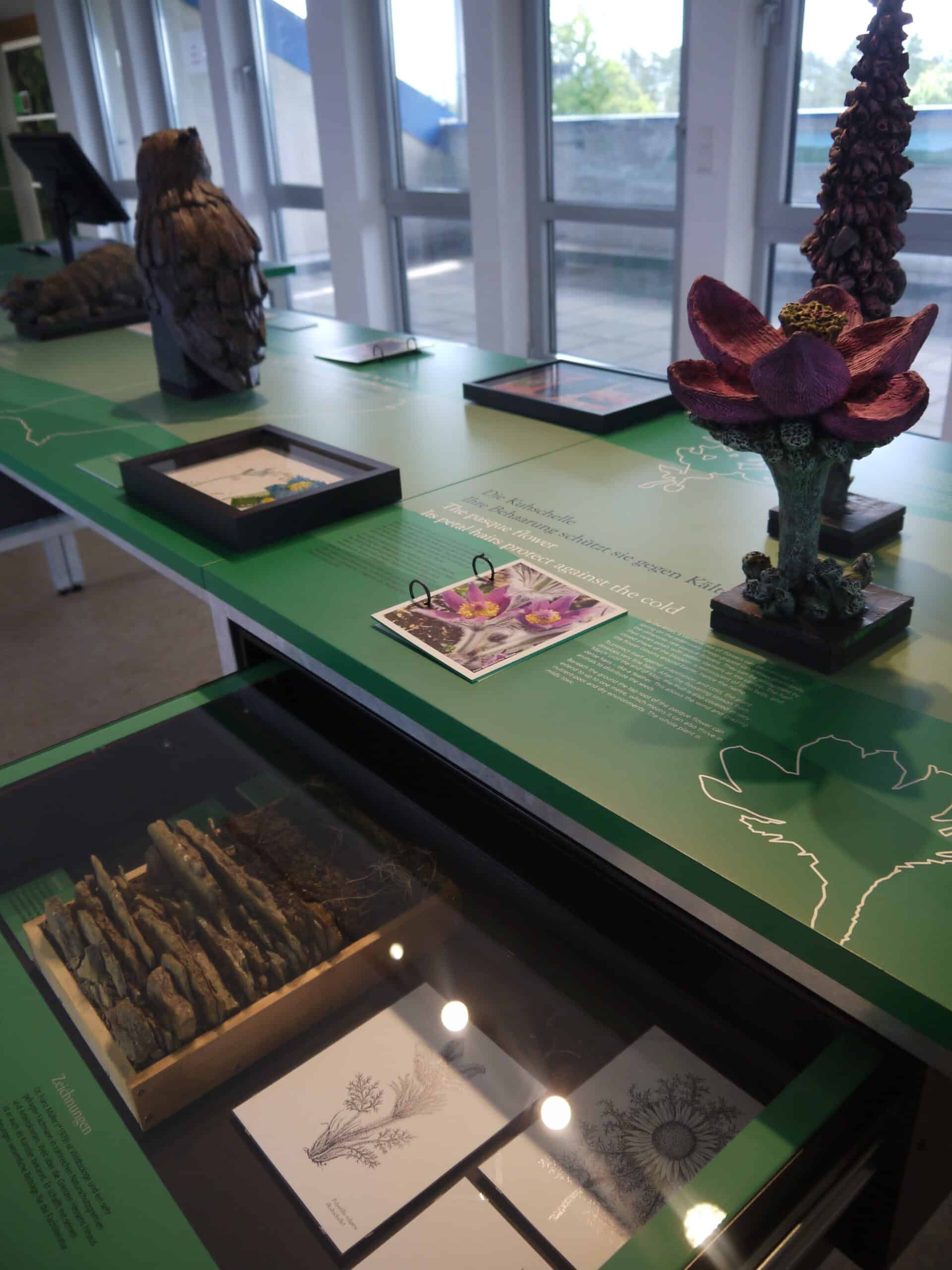
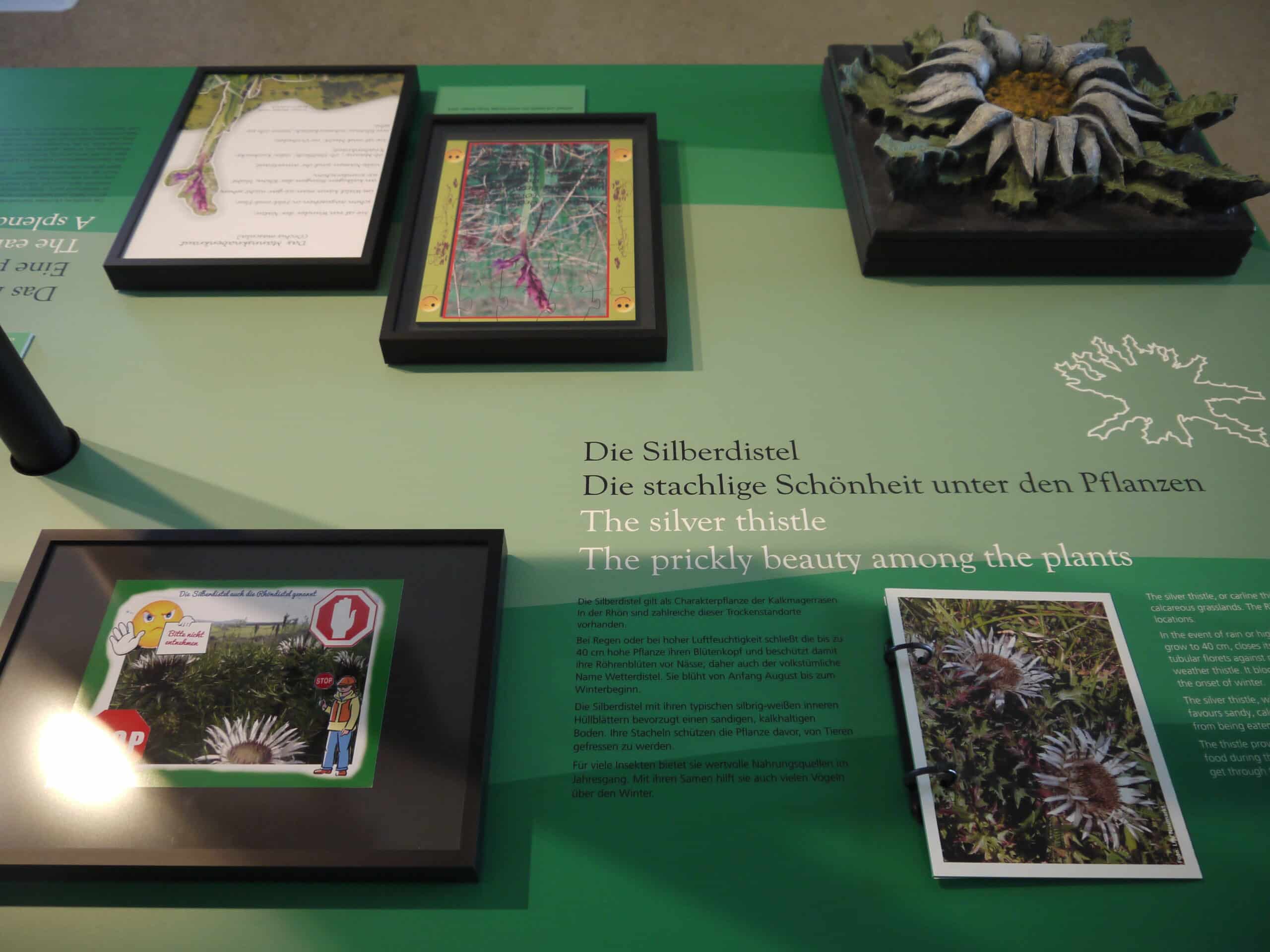
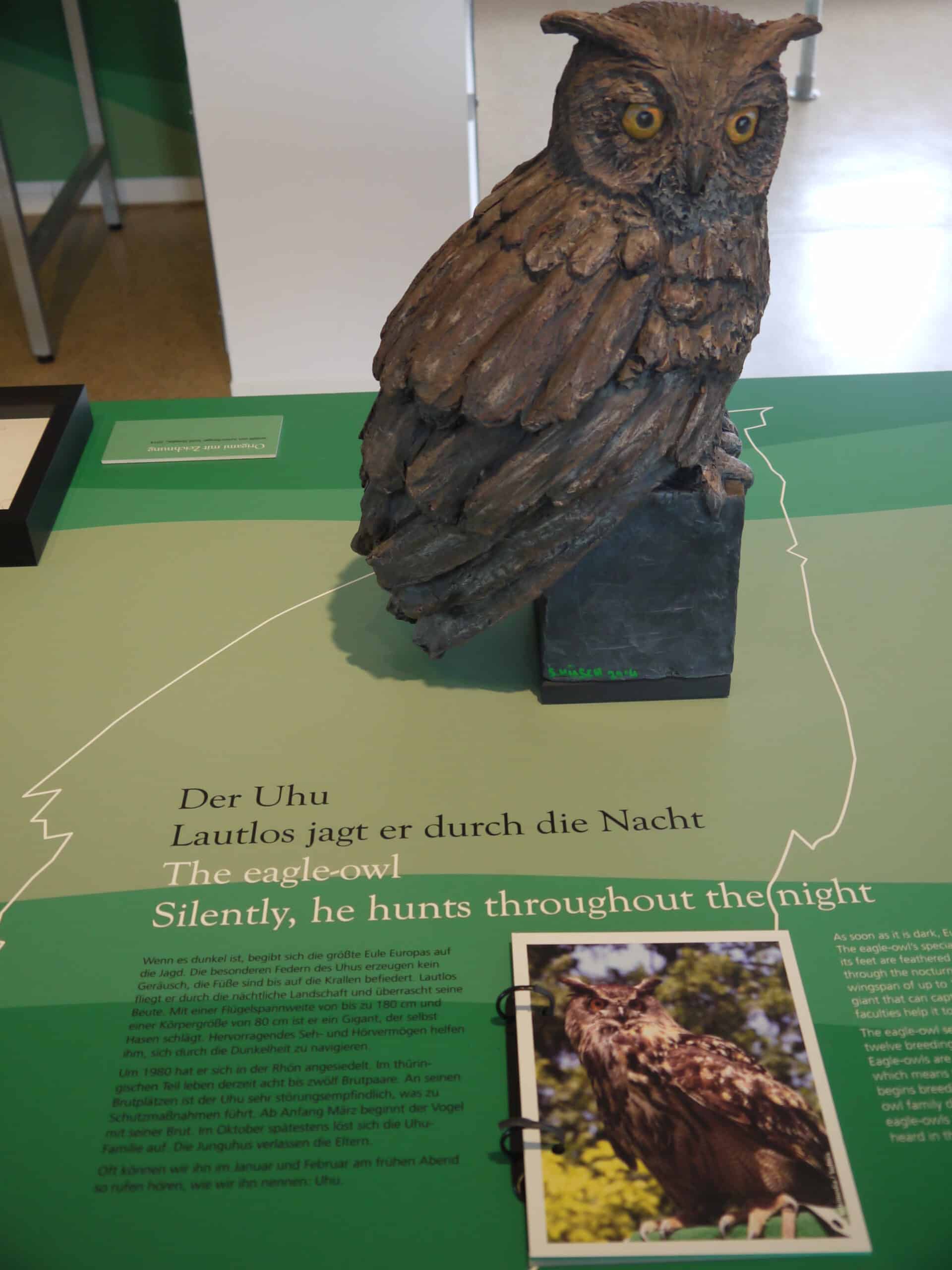
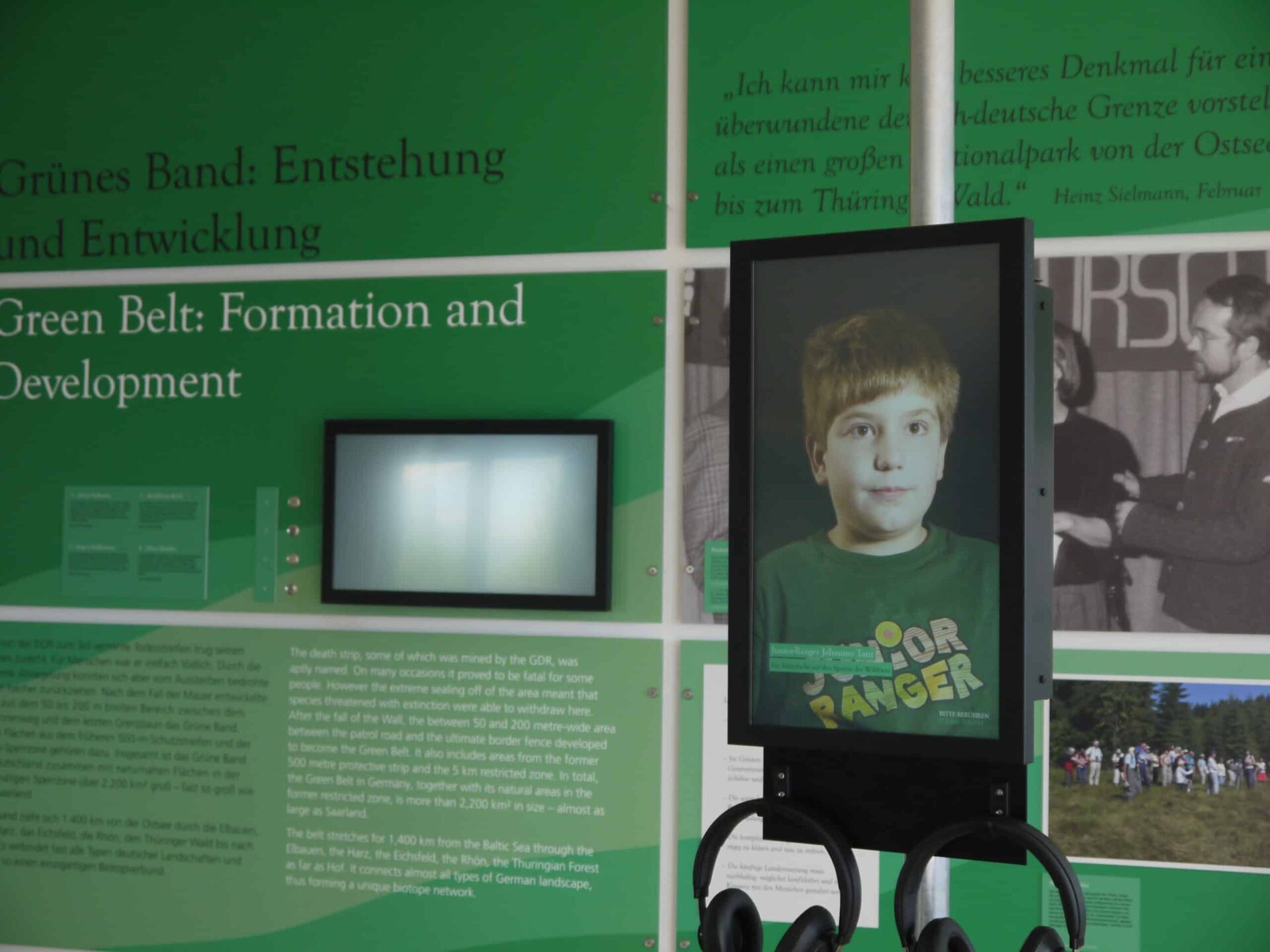
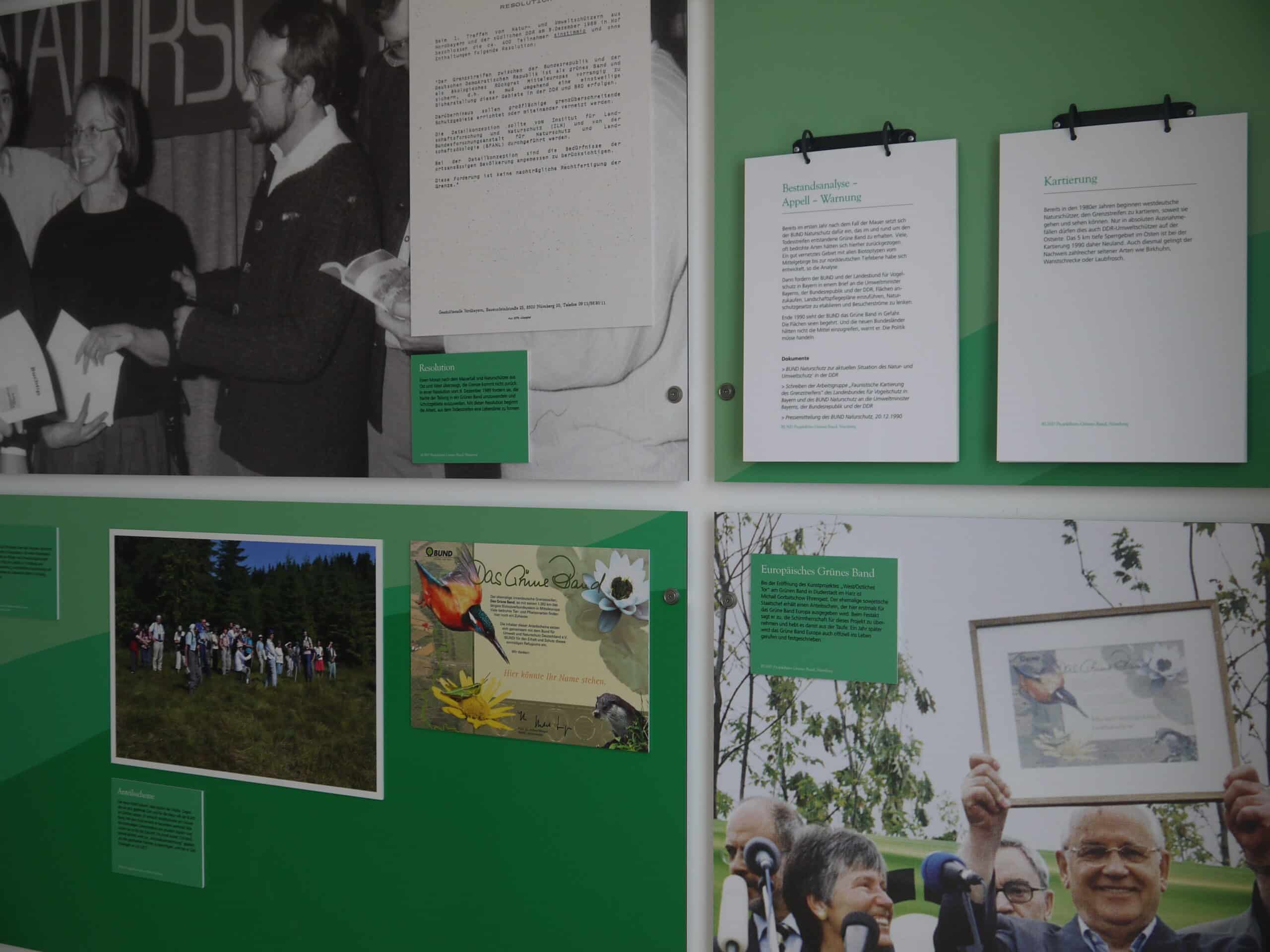
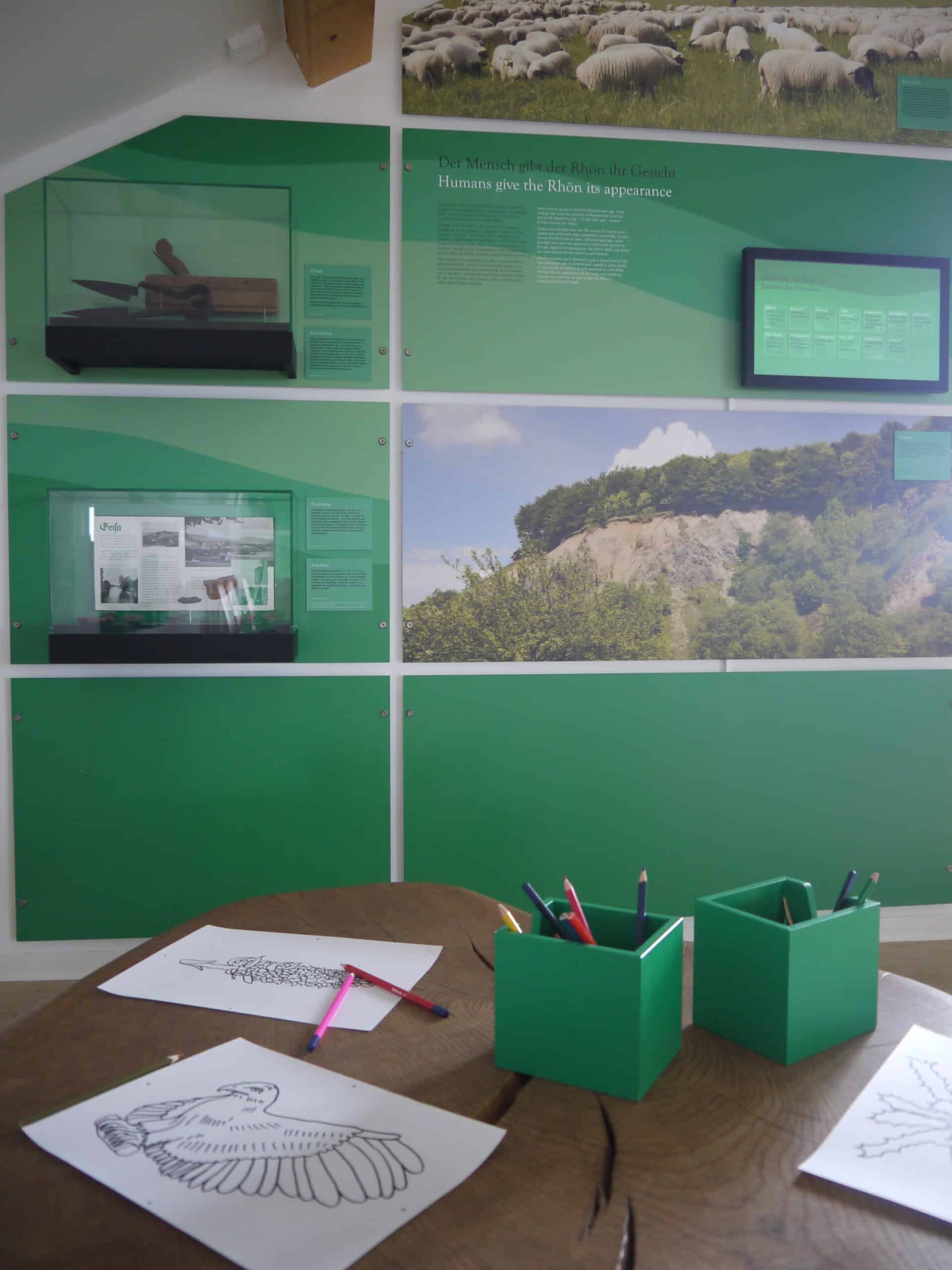
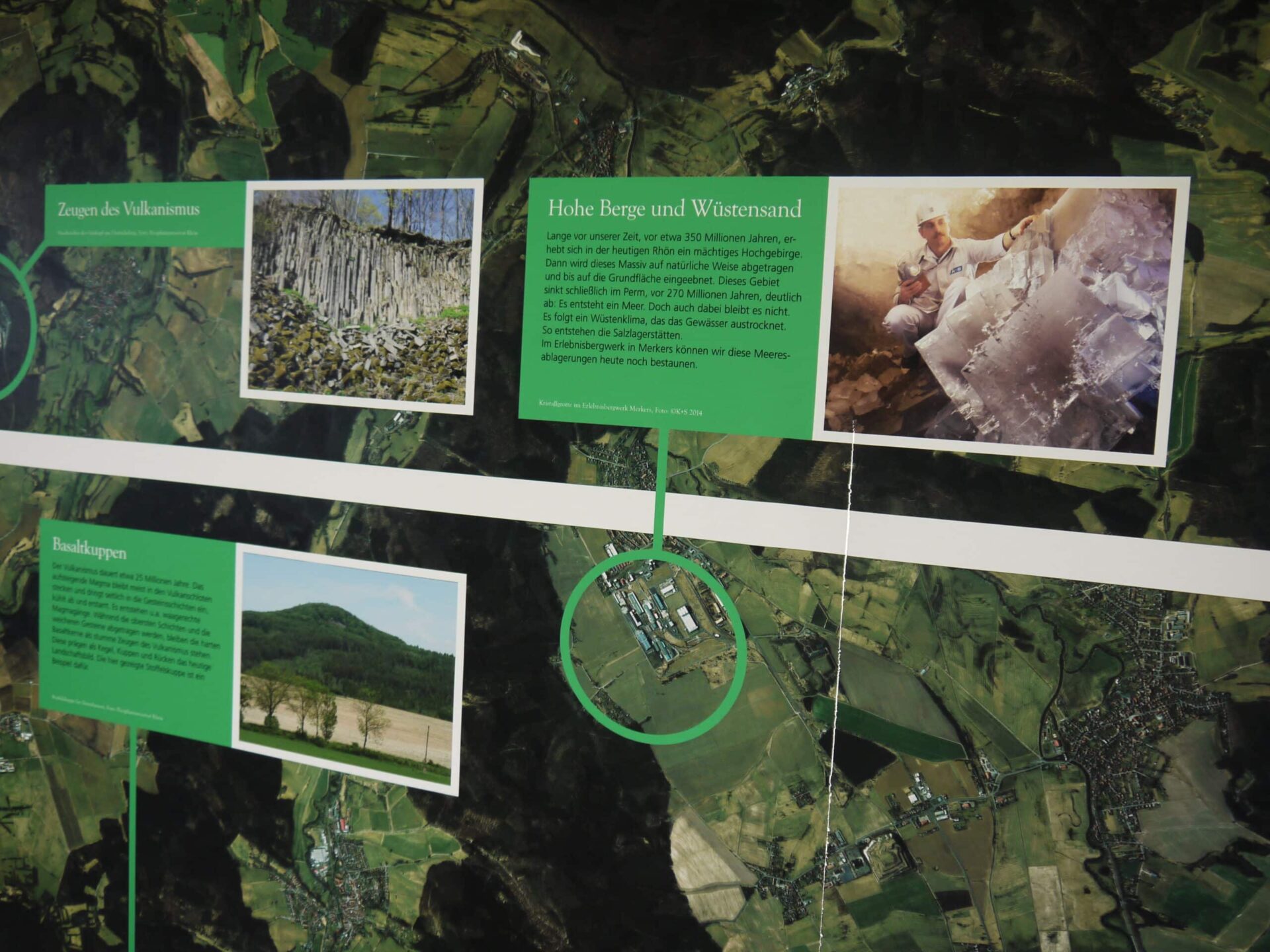
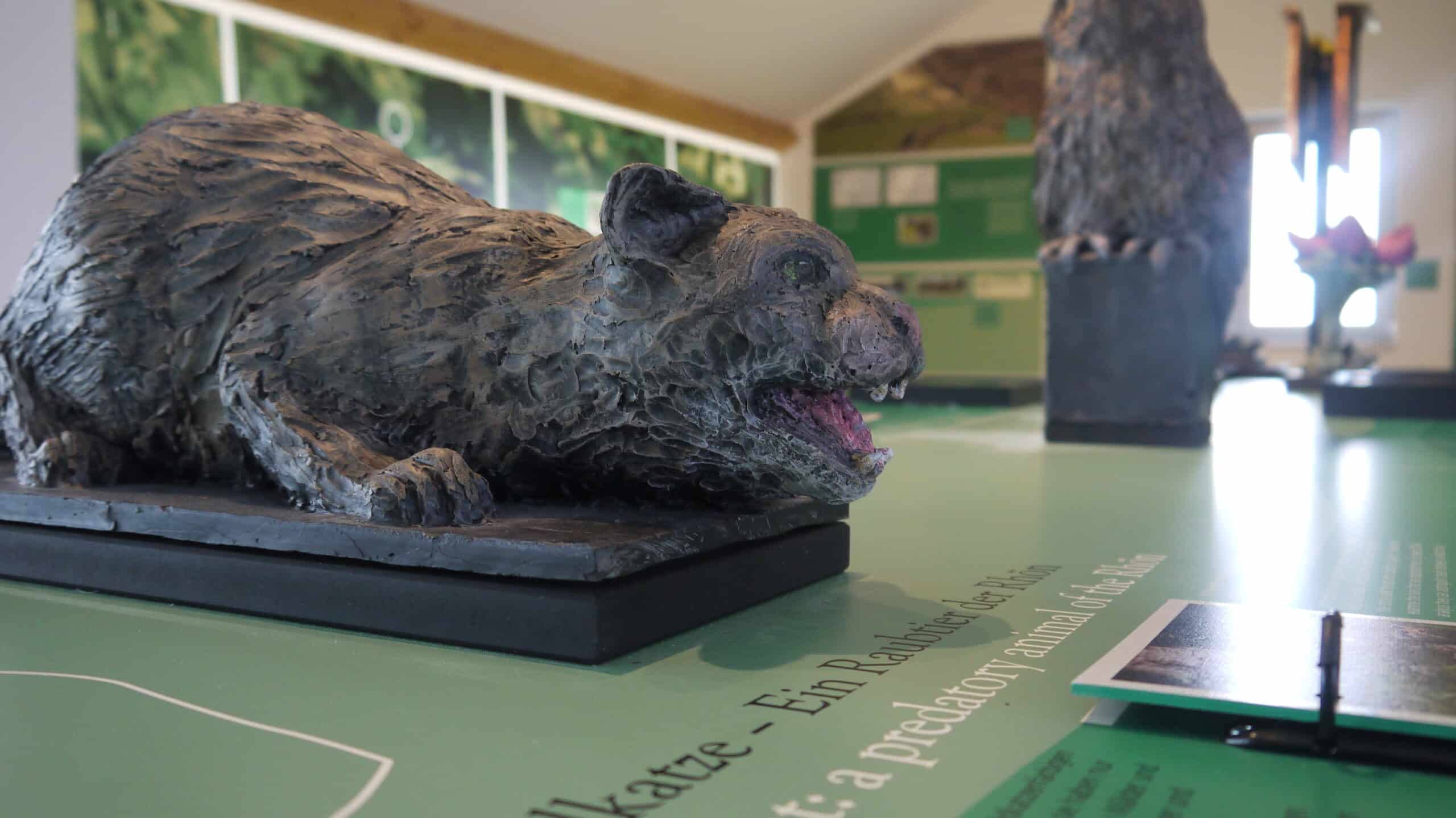
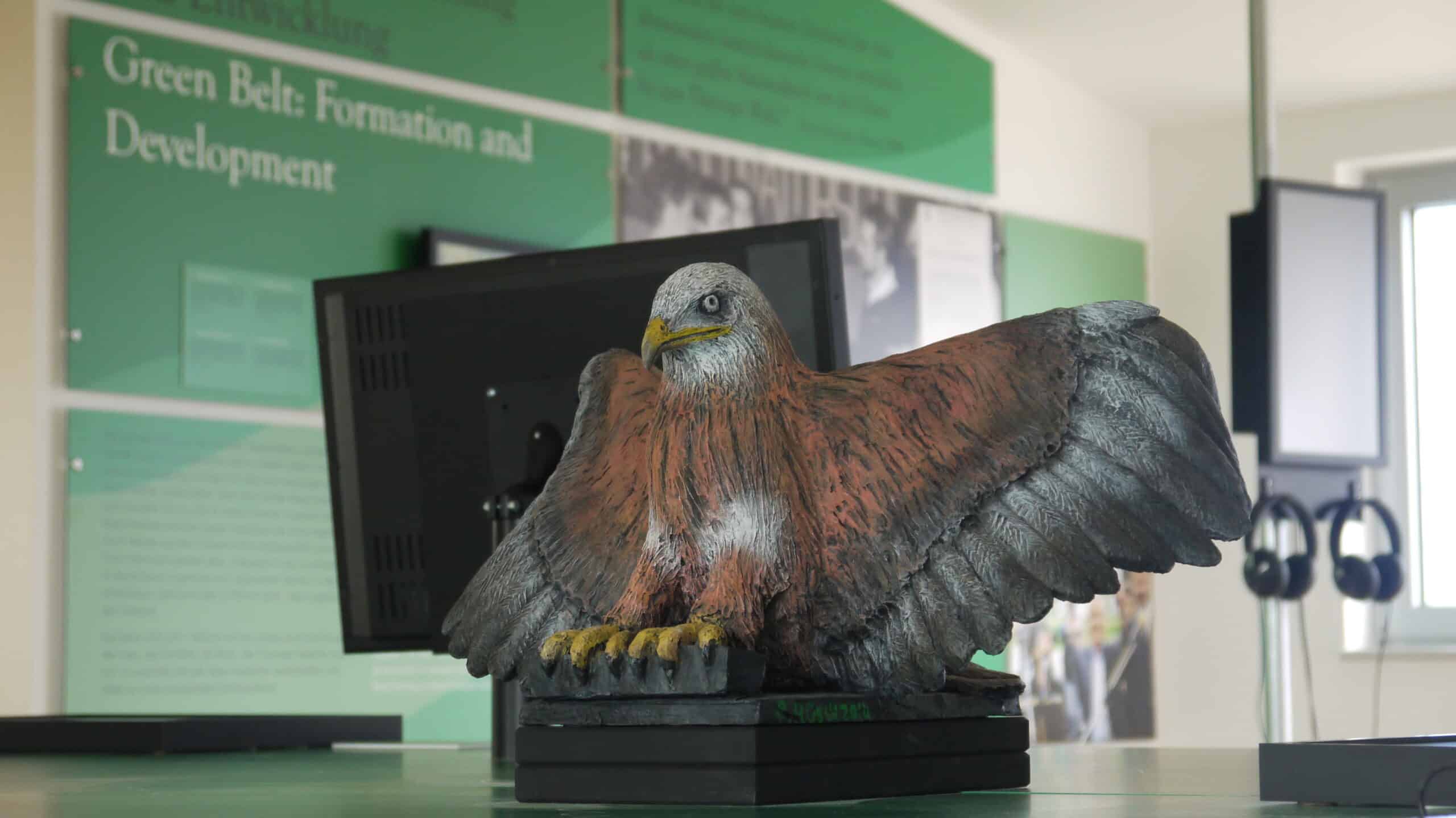
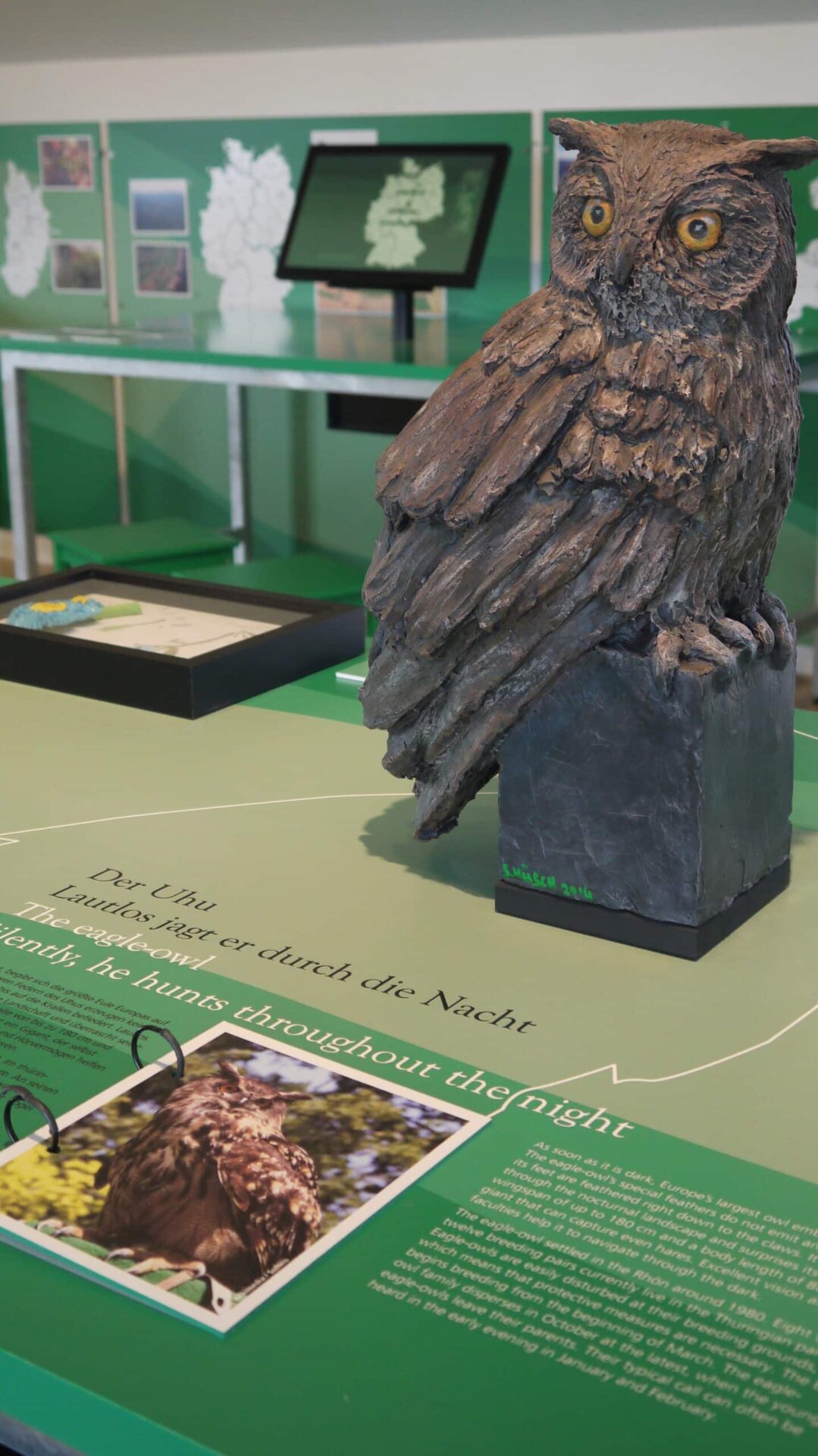
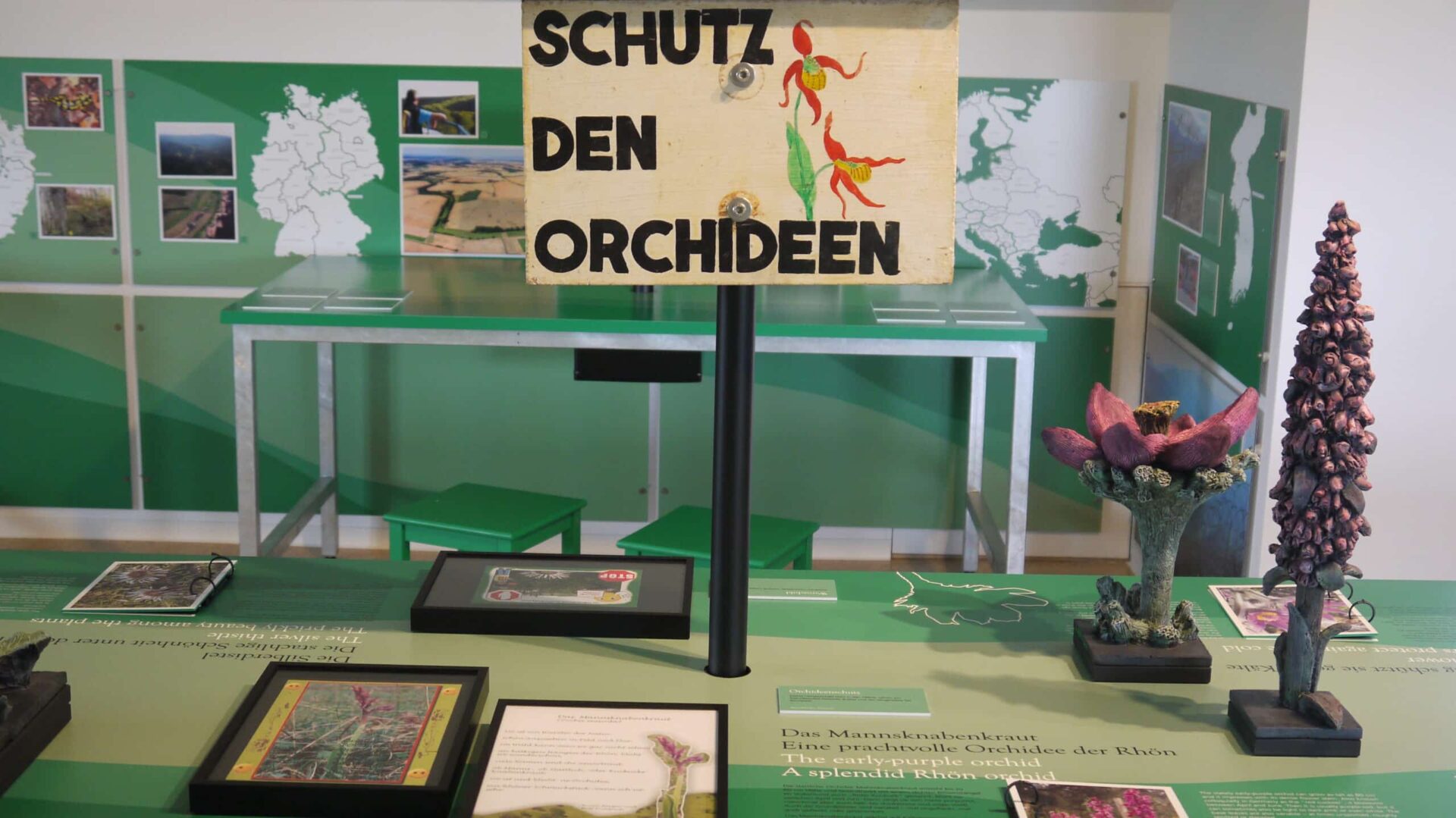
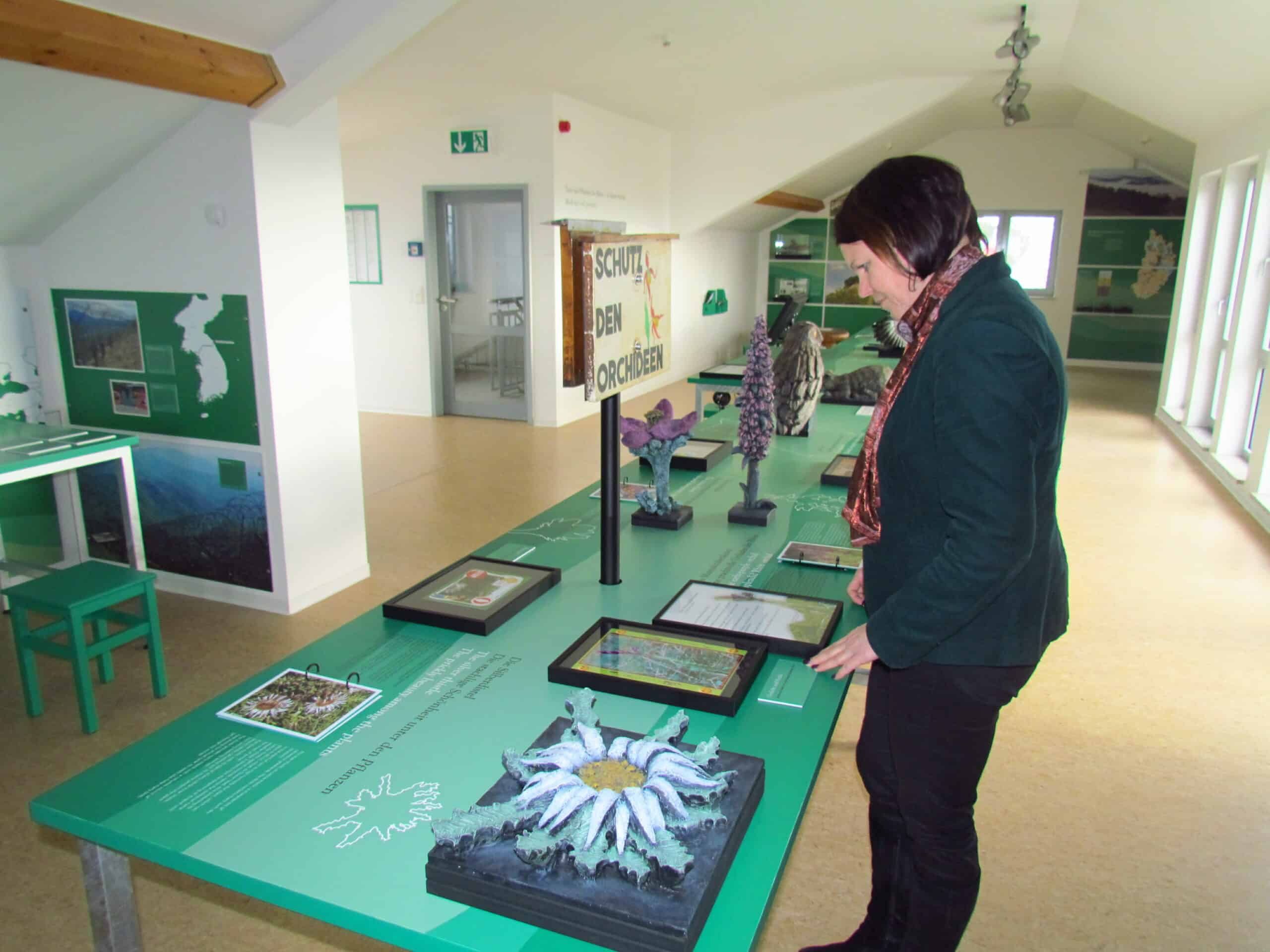
The end of The Wall also offered nature a unique opportunity, one that this exhibition “From Death Strip to Lifeline” shows. Nature conservationists quickly recognized the potential of the former border strip after it’s opening, here flora and fauna had conquered an almost untouched habitat over the period of German division. Calcareous grasslands, striking conical mountains, high moors, deciduous forests, and species-rich meadows are just a few of these habitats. Long before minefields and restricted areas cut through the landscape, volcanoes had created the Rhön, this “Land of Open Distances” shaped by nature and cultivated by man. With the fall of the Iron Curtain began the protection of this special landscape, one which continues to this day. The “Green Belt” stretches along the former patrol road through Germany. The UNESCO Biosphere Reserve Rhön is one of 150 nature reserves along the stretch.
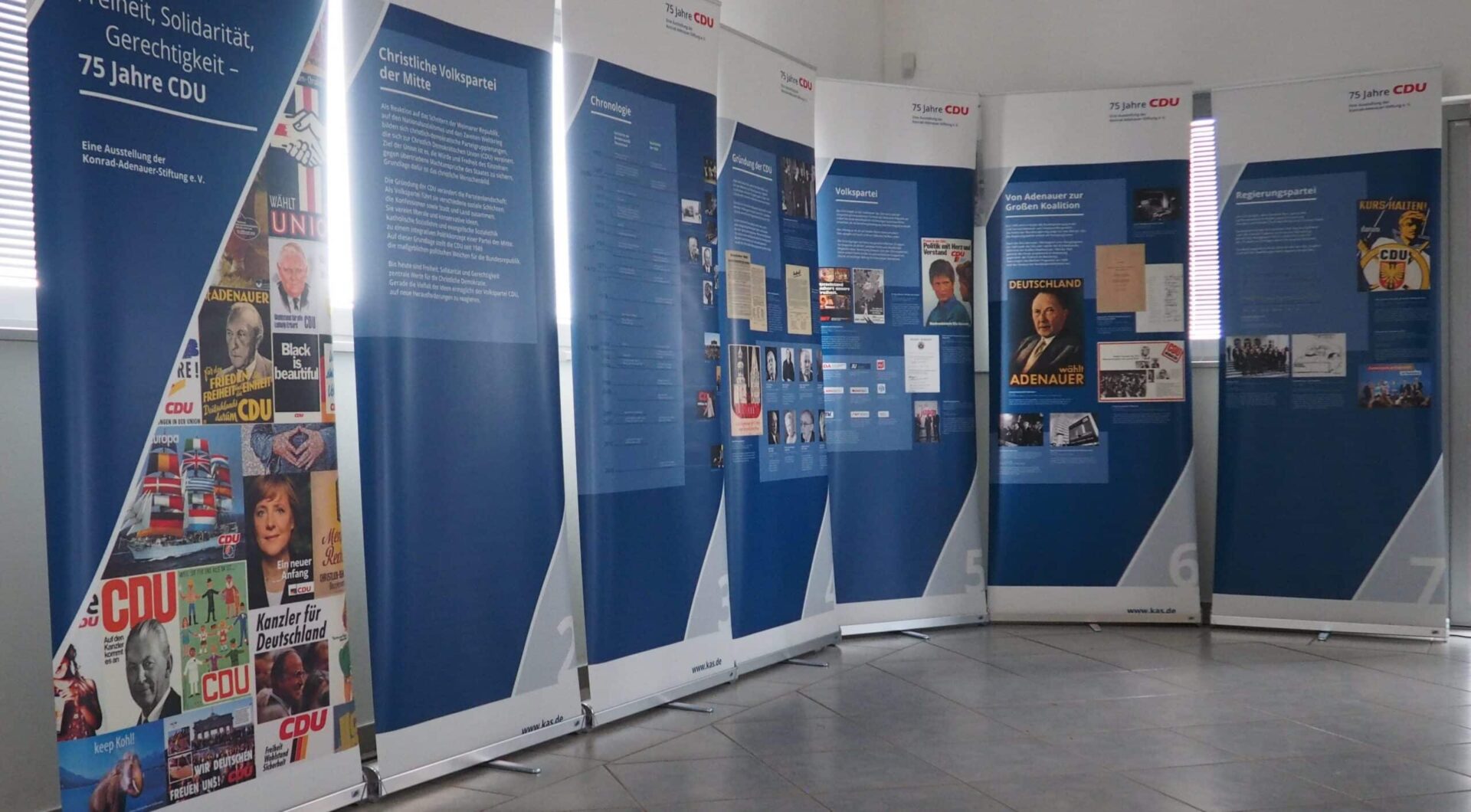
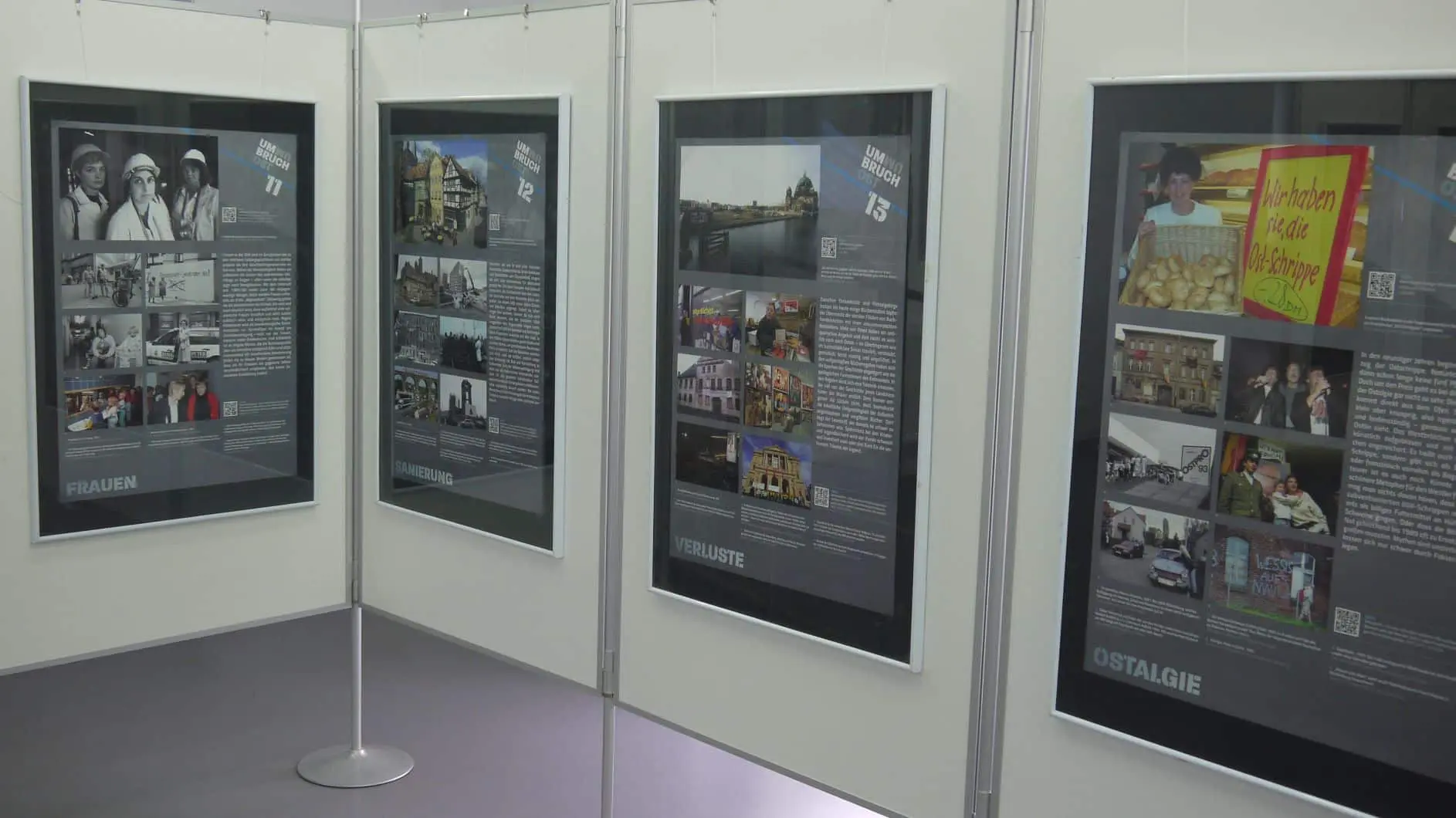
Temporary and Traveling Exhibitions
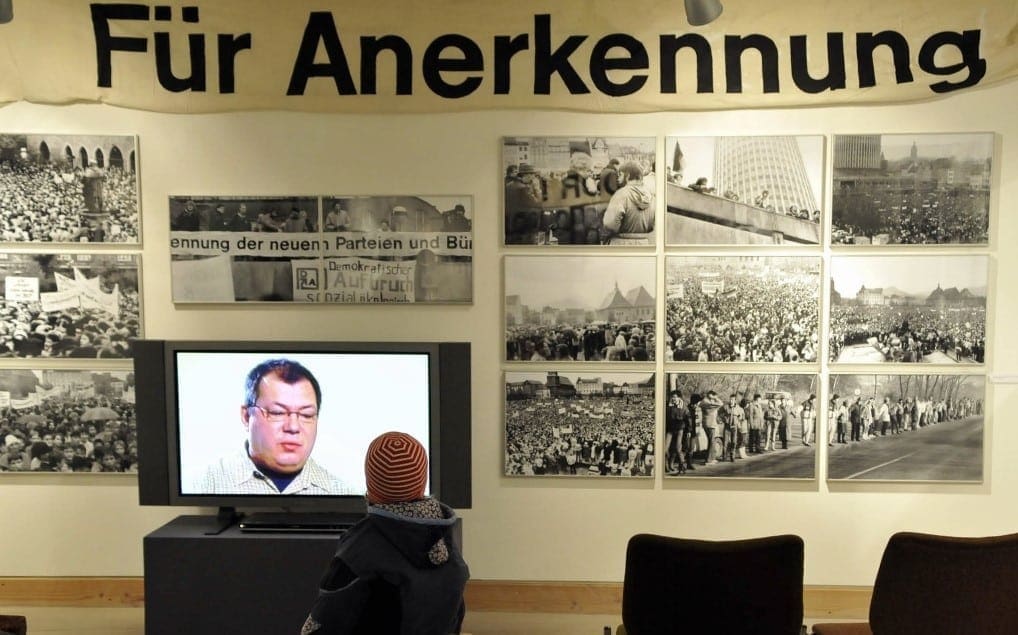
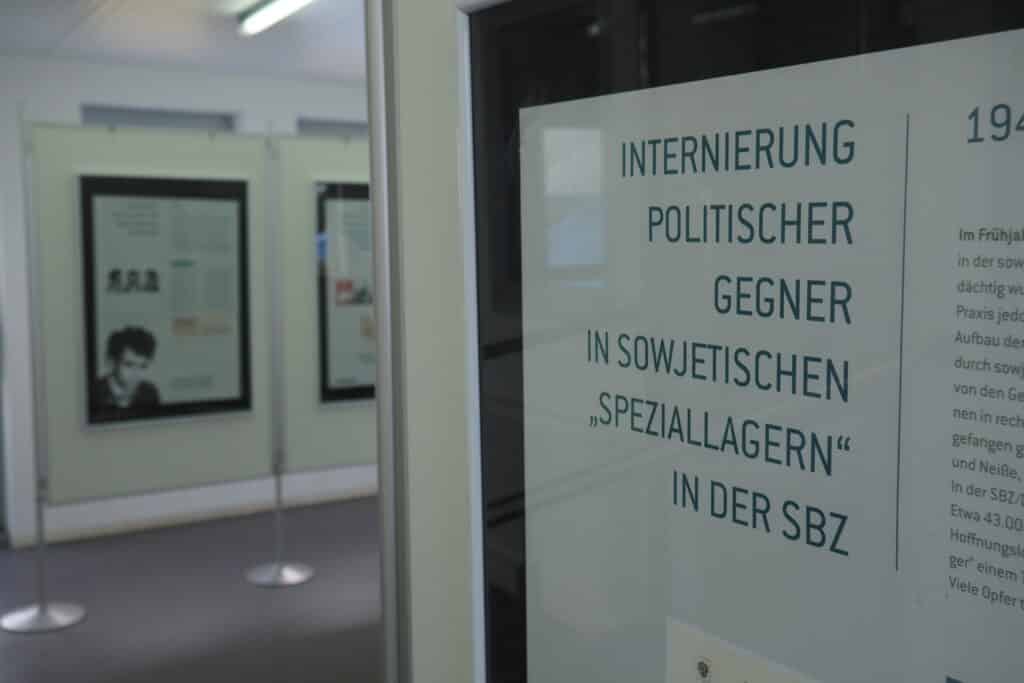
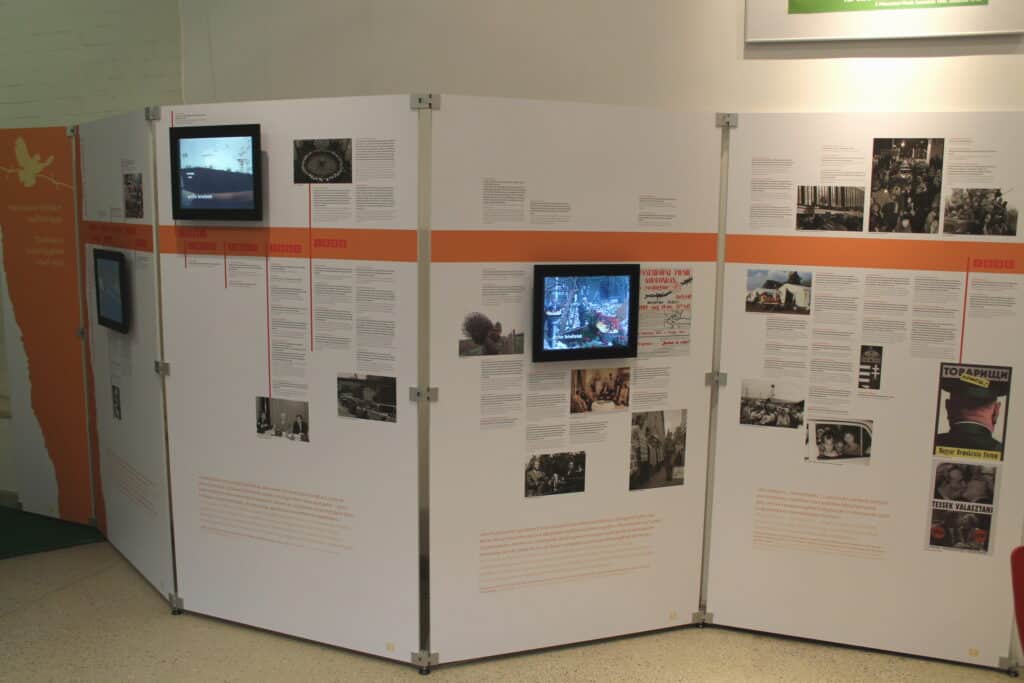
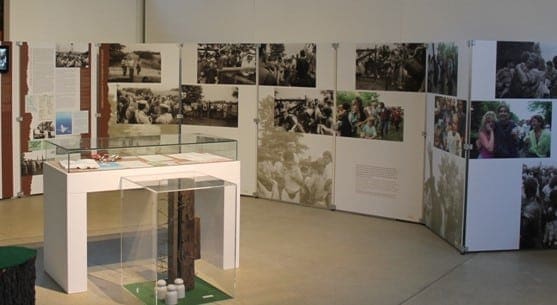
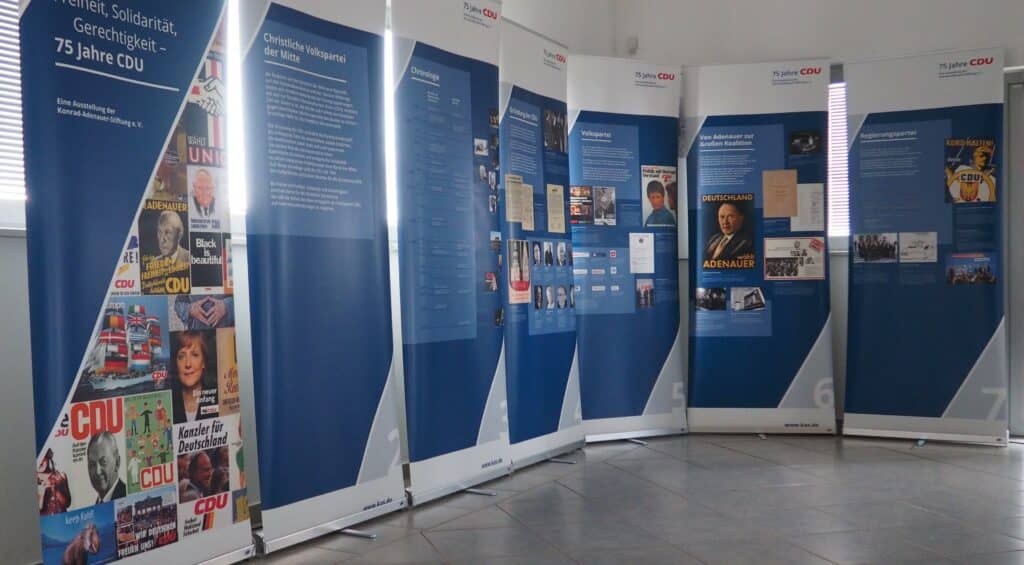
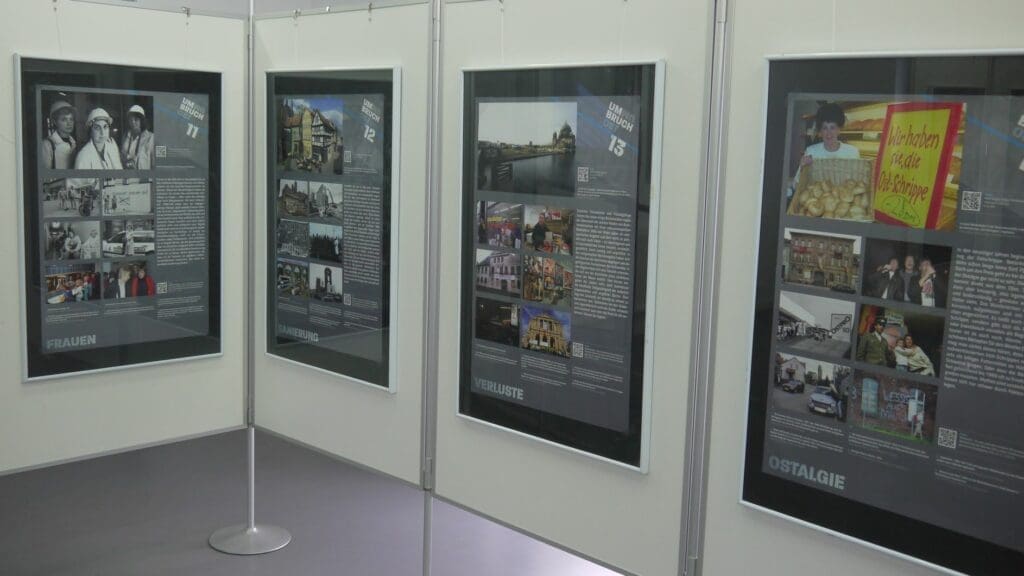
The following exhibitions have been presented in the past as part of regularly offered temporary and traveling exhibitions:
- Mobile Learning Lab Anne Frank Educational Center “Mensch Du hast Rechte” (You have Human Rights)
- Touring Exhibition of the Deutschen Bundestag (German Parliment Tour)
- Photo Exhibition “Voll der Osten. Leben in der DDR” (Life in the GDR).
- Special Exhibition “Liebe und Zorn. Jung sein in der Diktatur” (Love and Anger. Being Young in the Dictatorship)
- Touring exhibition “Nationale Naturlandschaften Thüringens“ (National Natural Landscapes of Thuringia).
- Results presentation of the photography workshop “Grenze bei Nacht” (Border by Night).