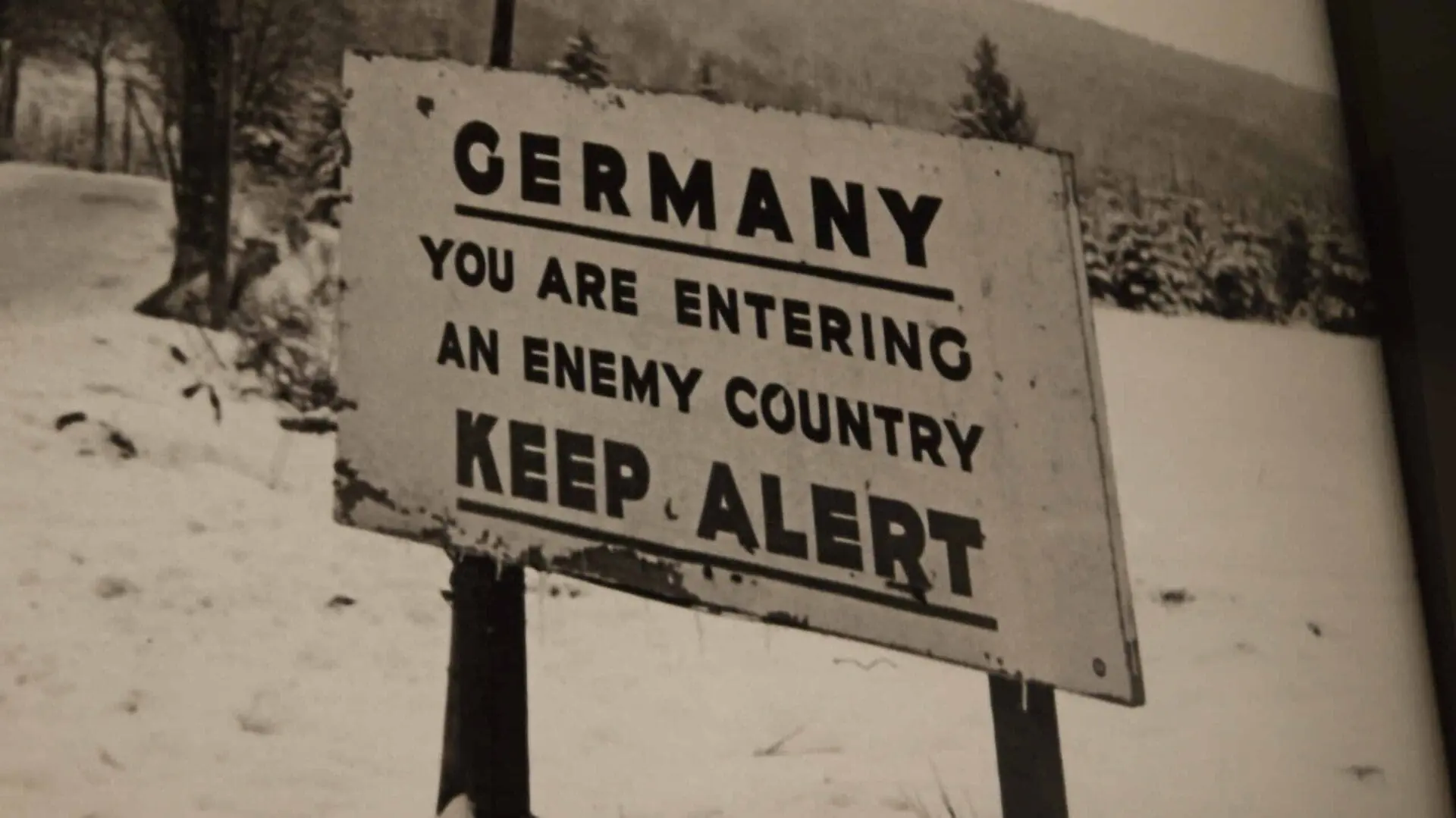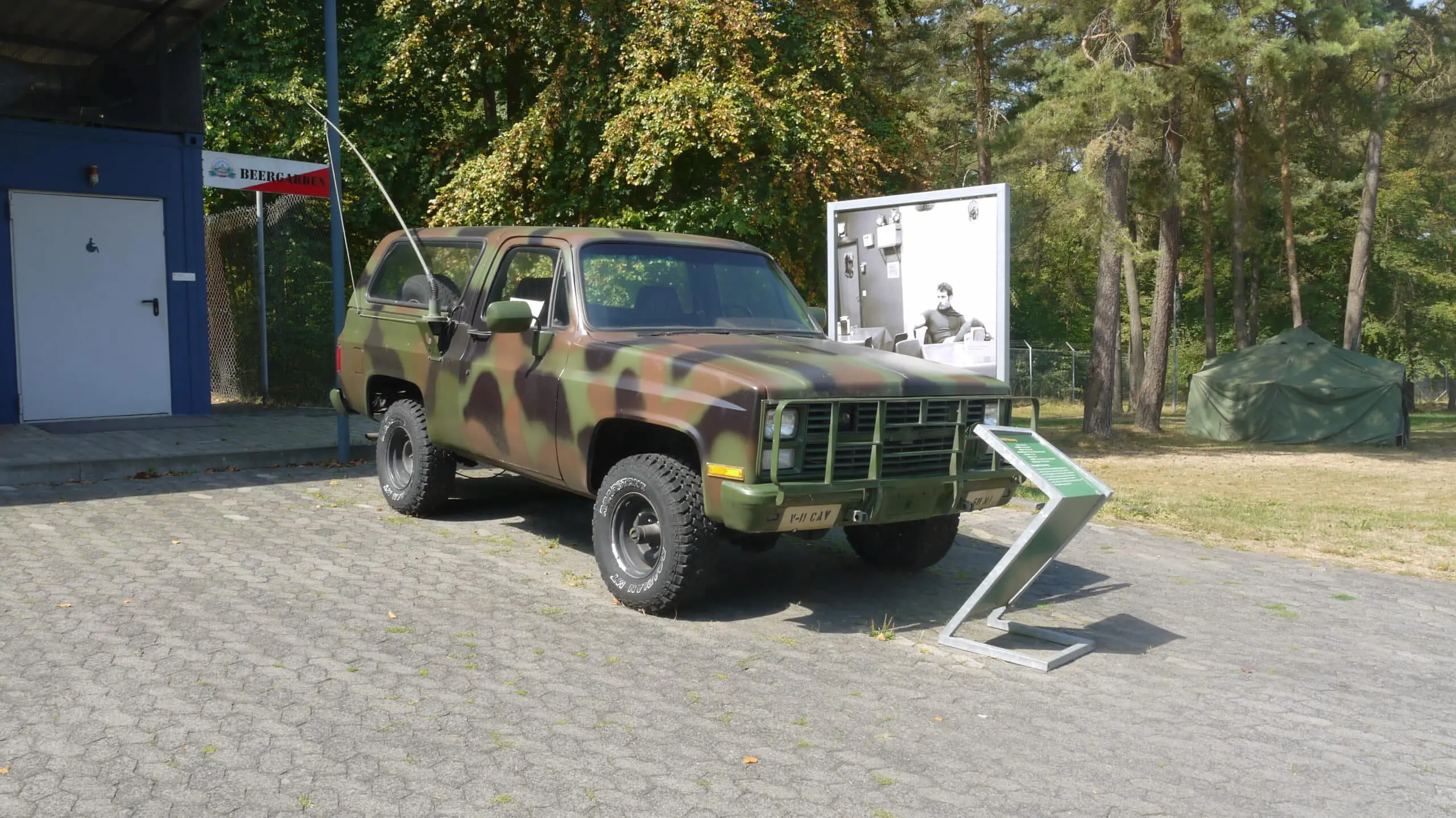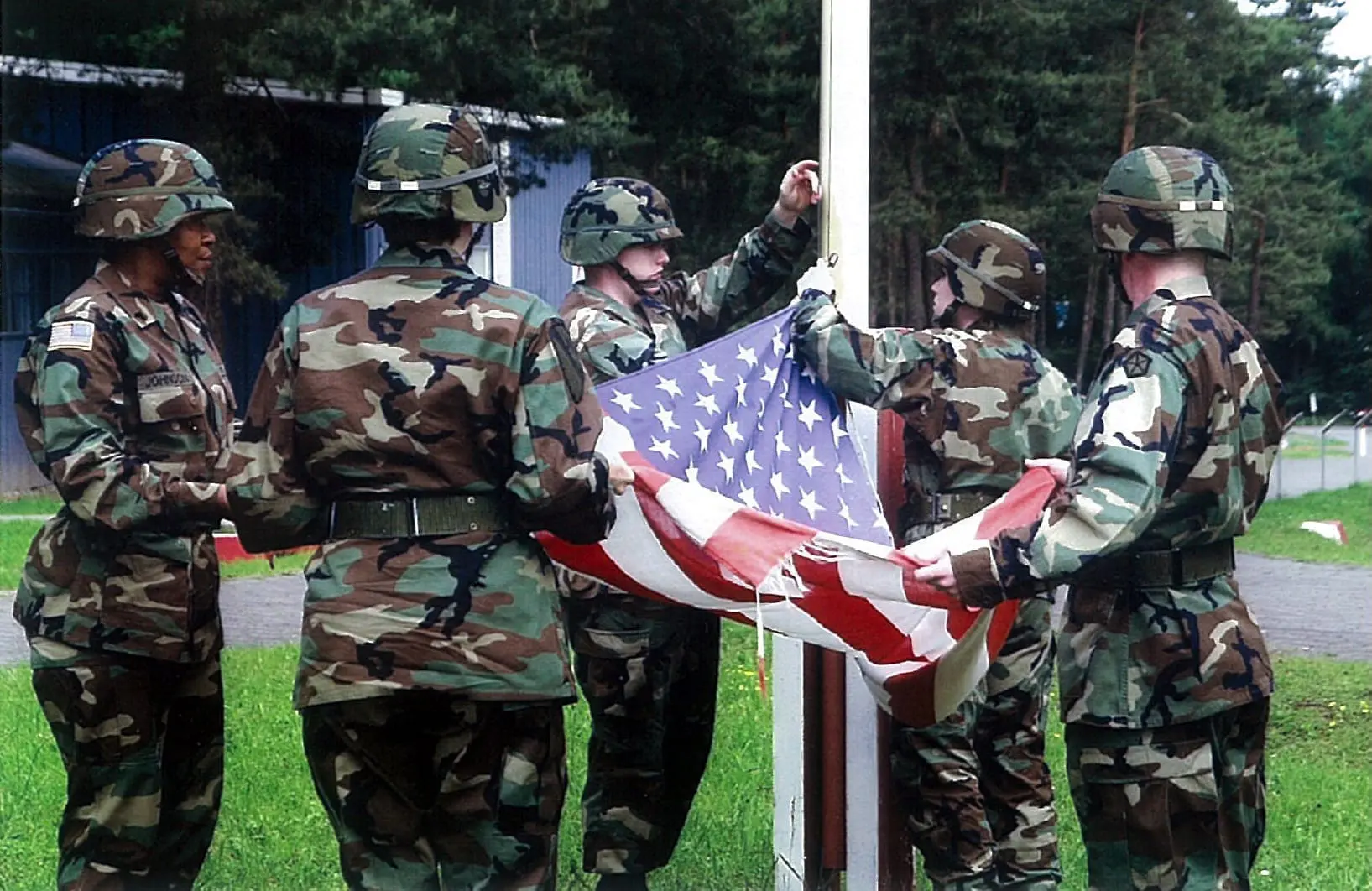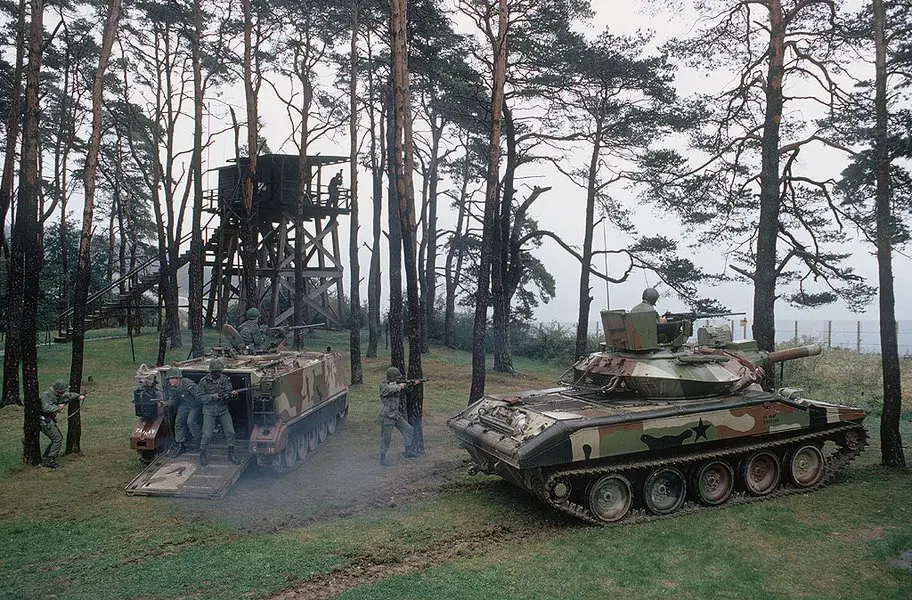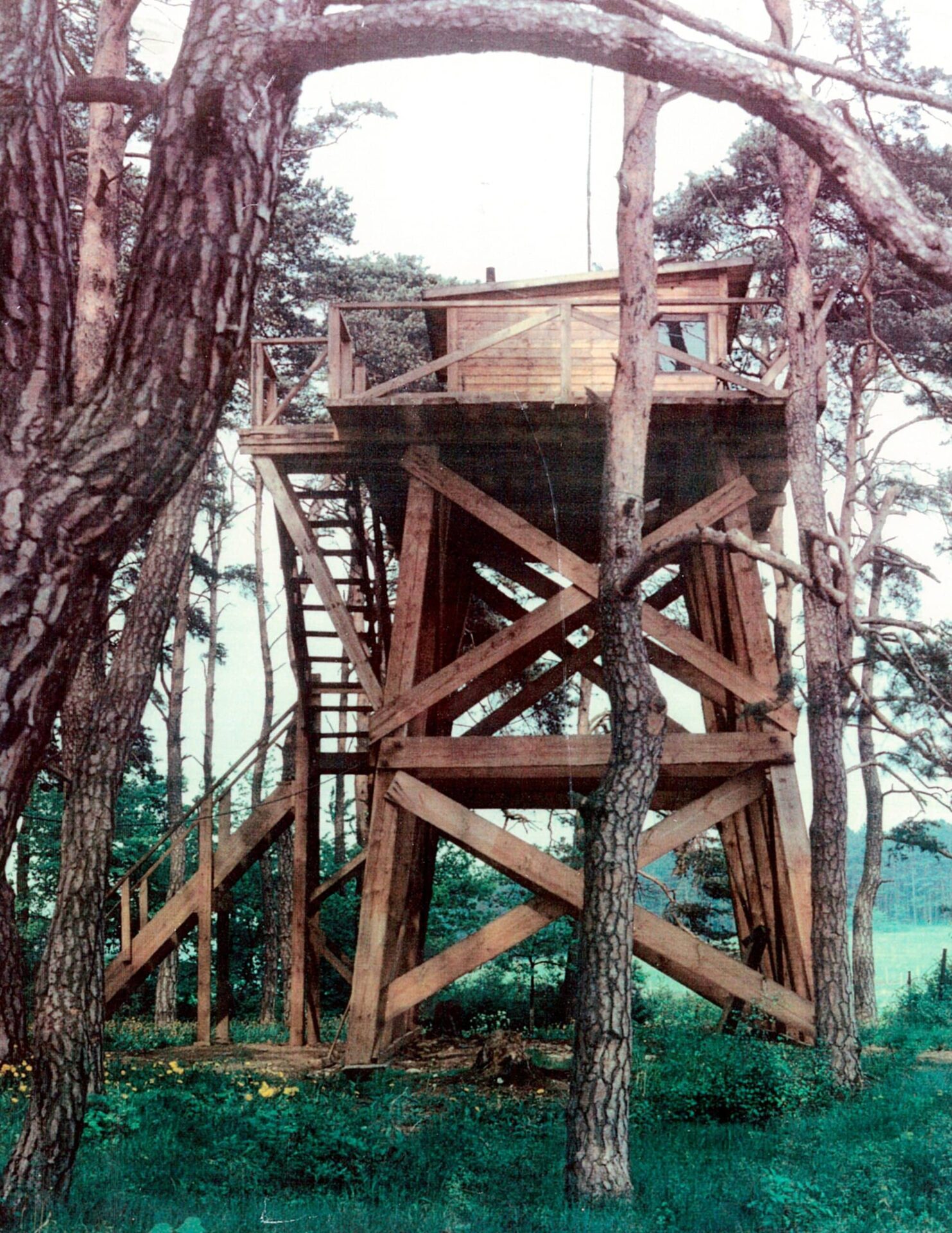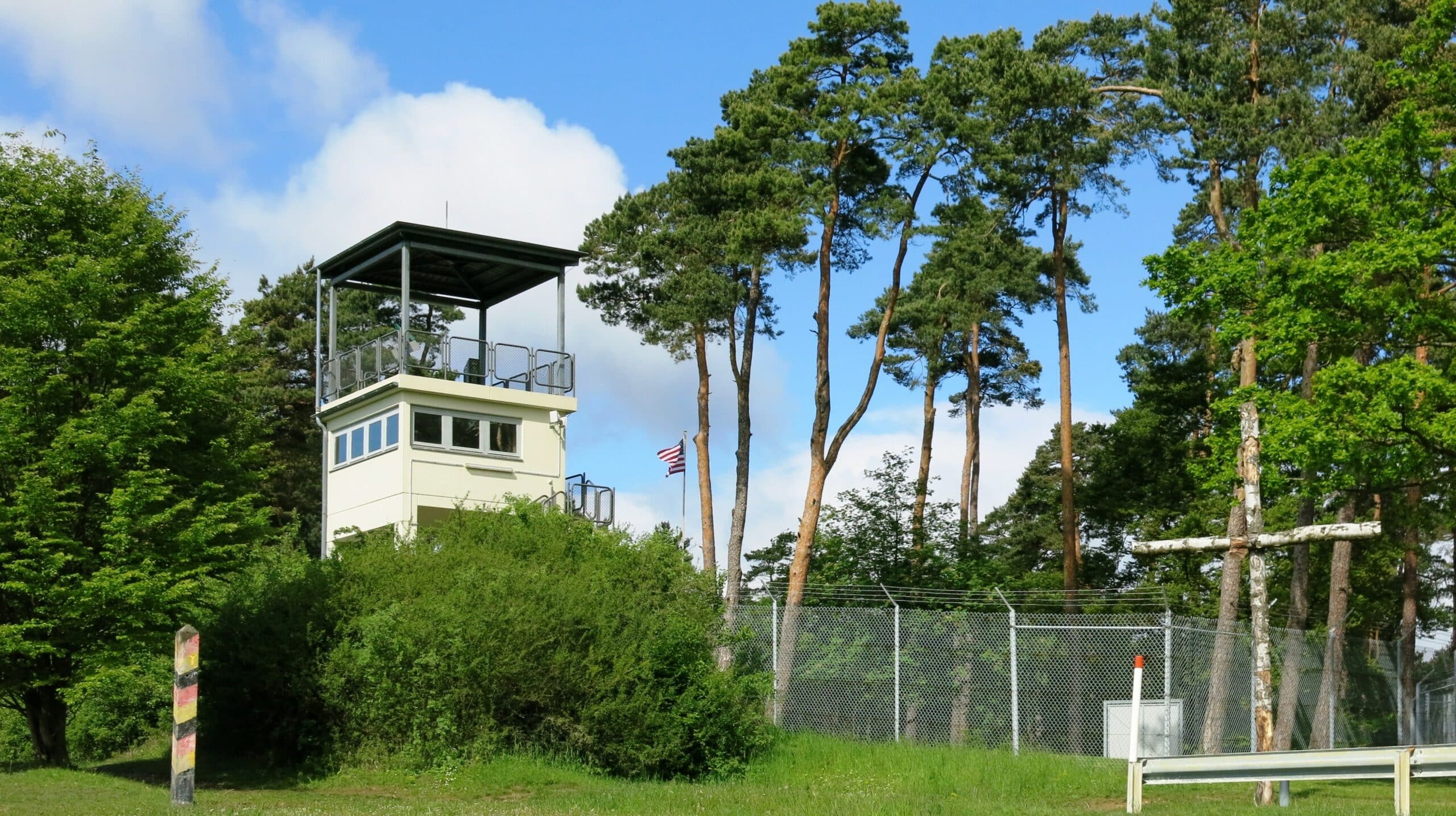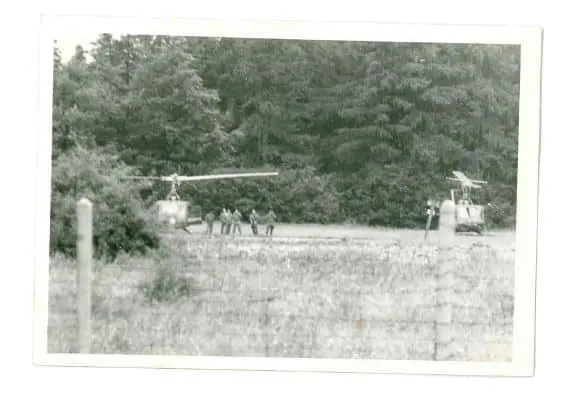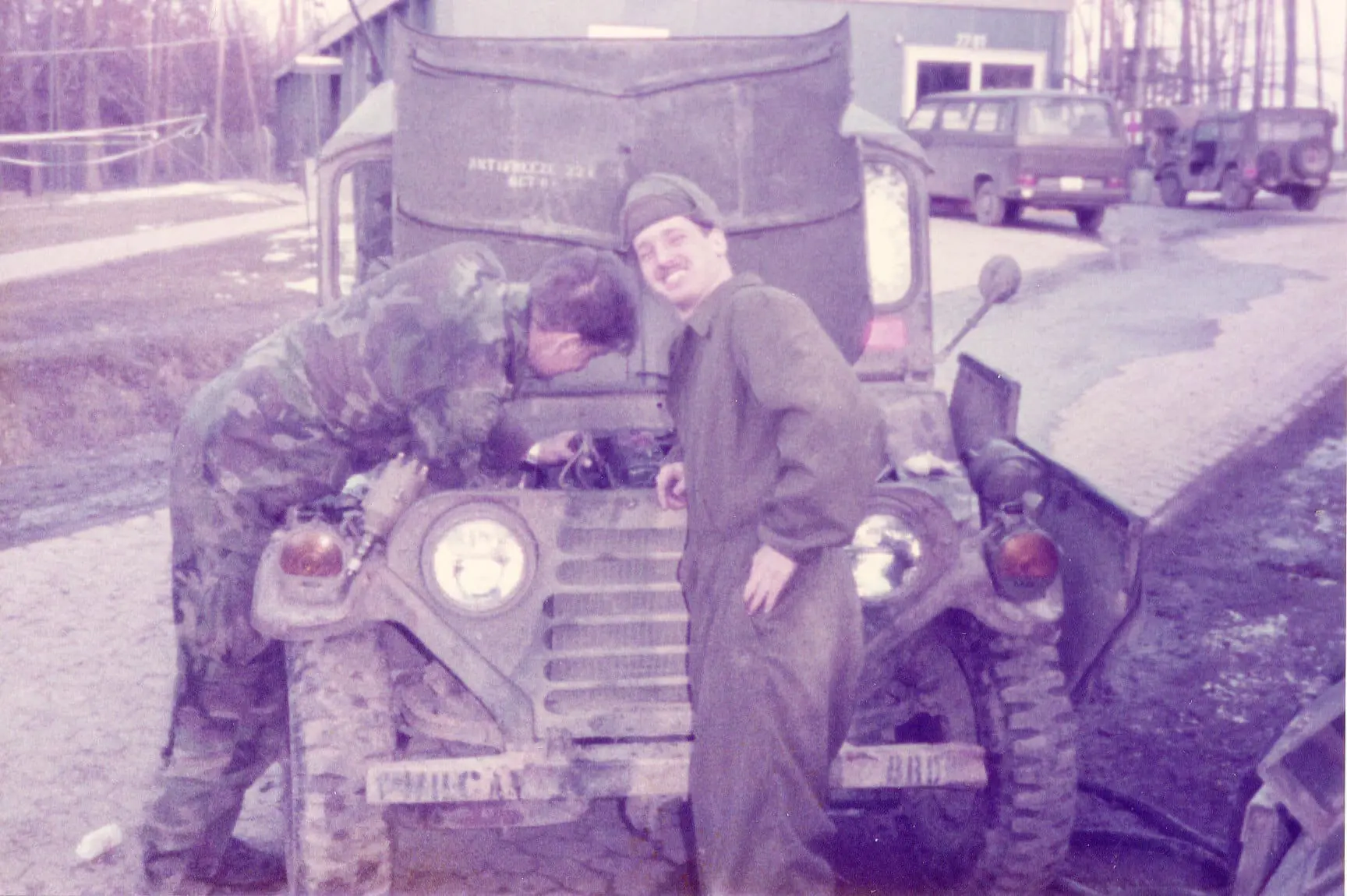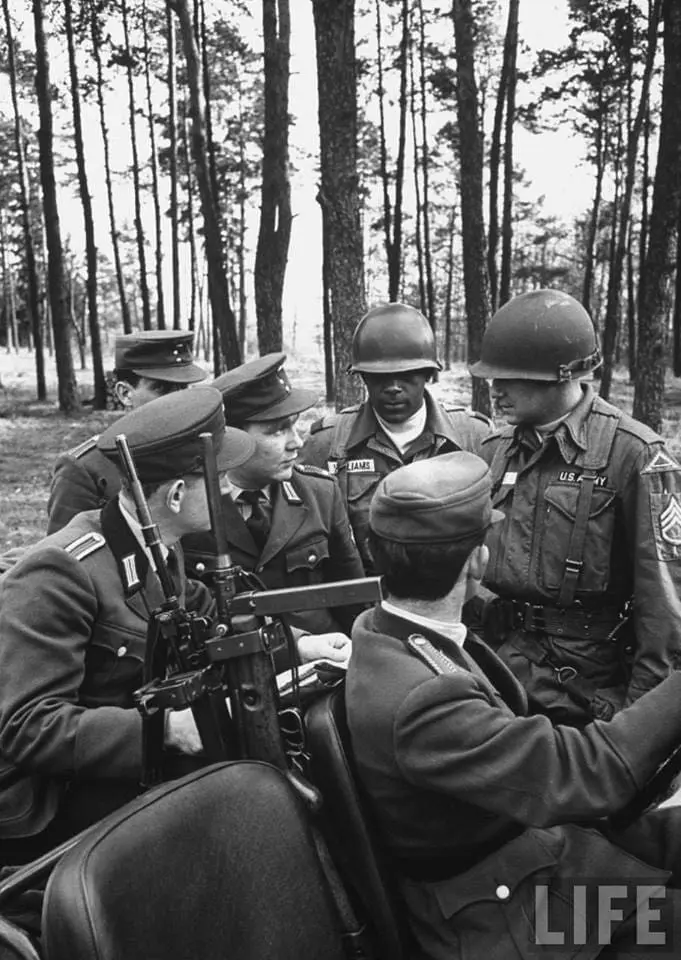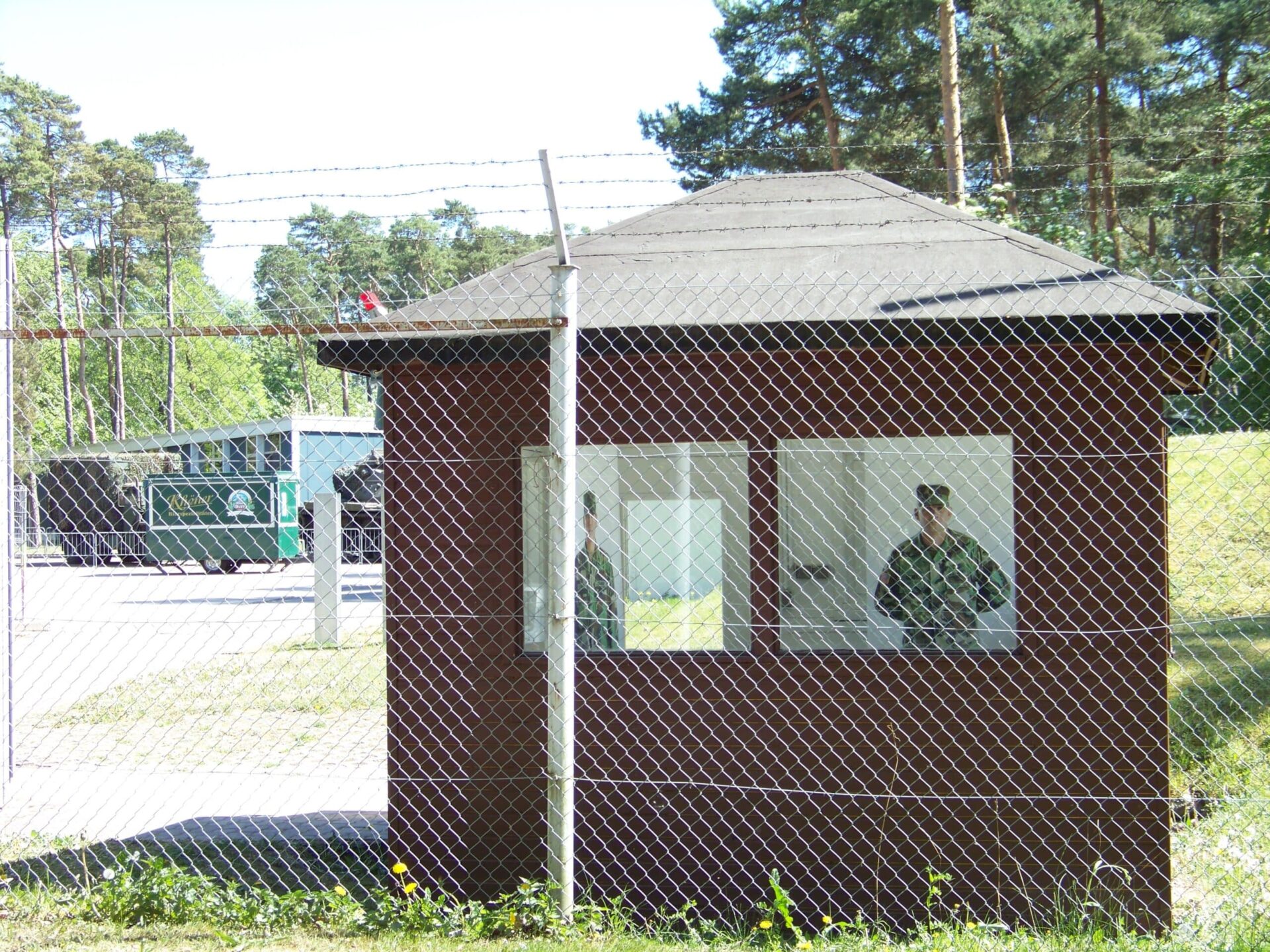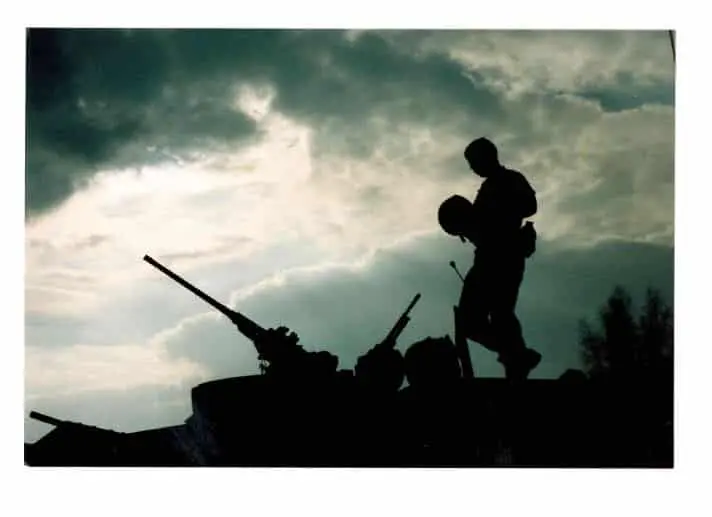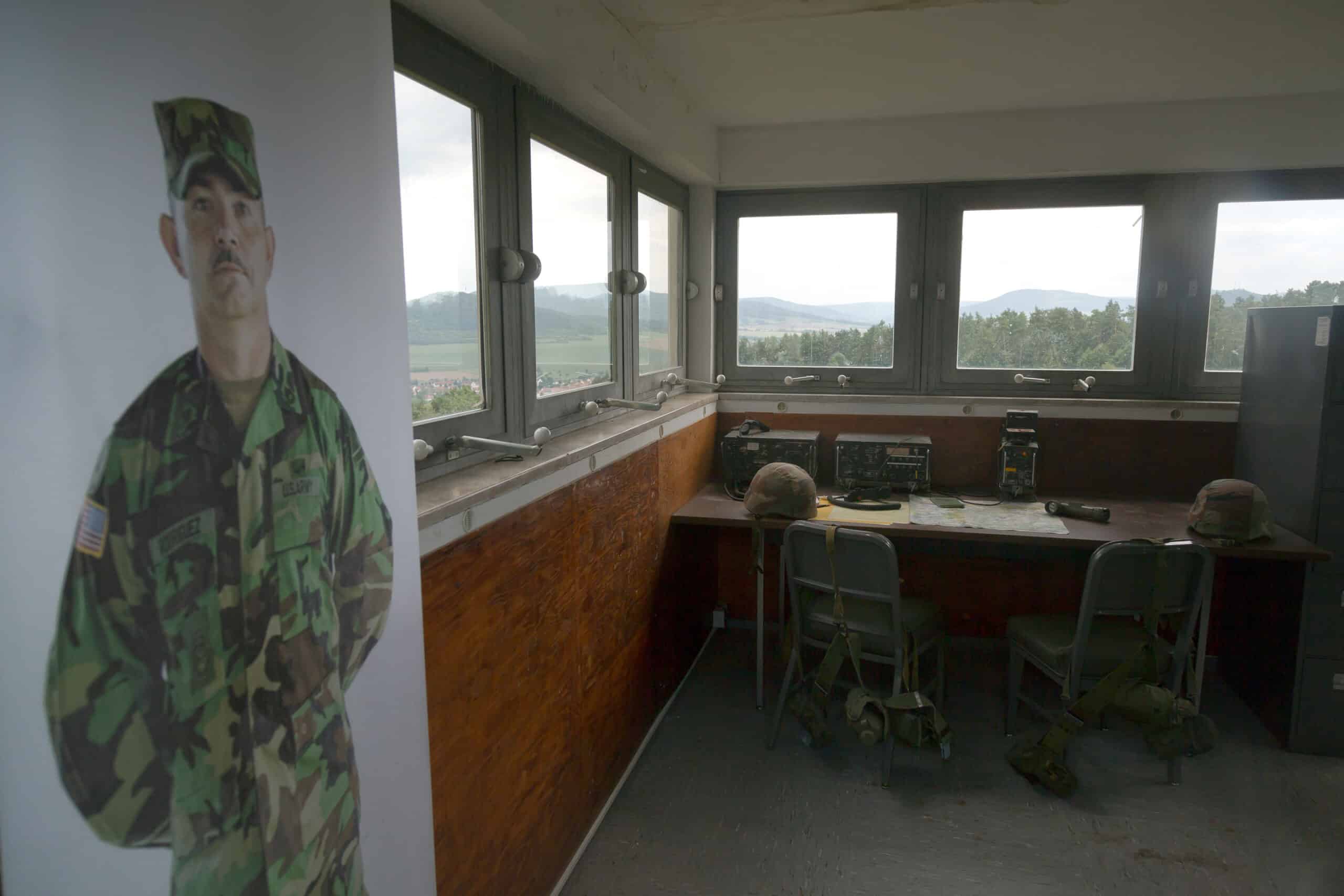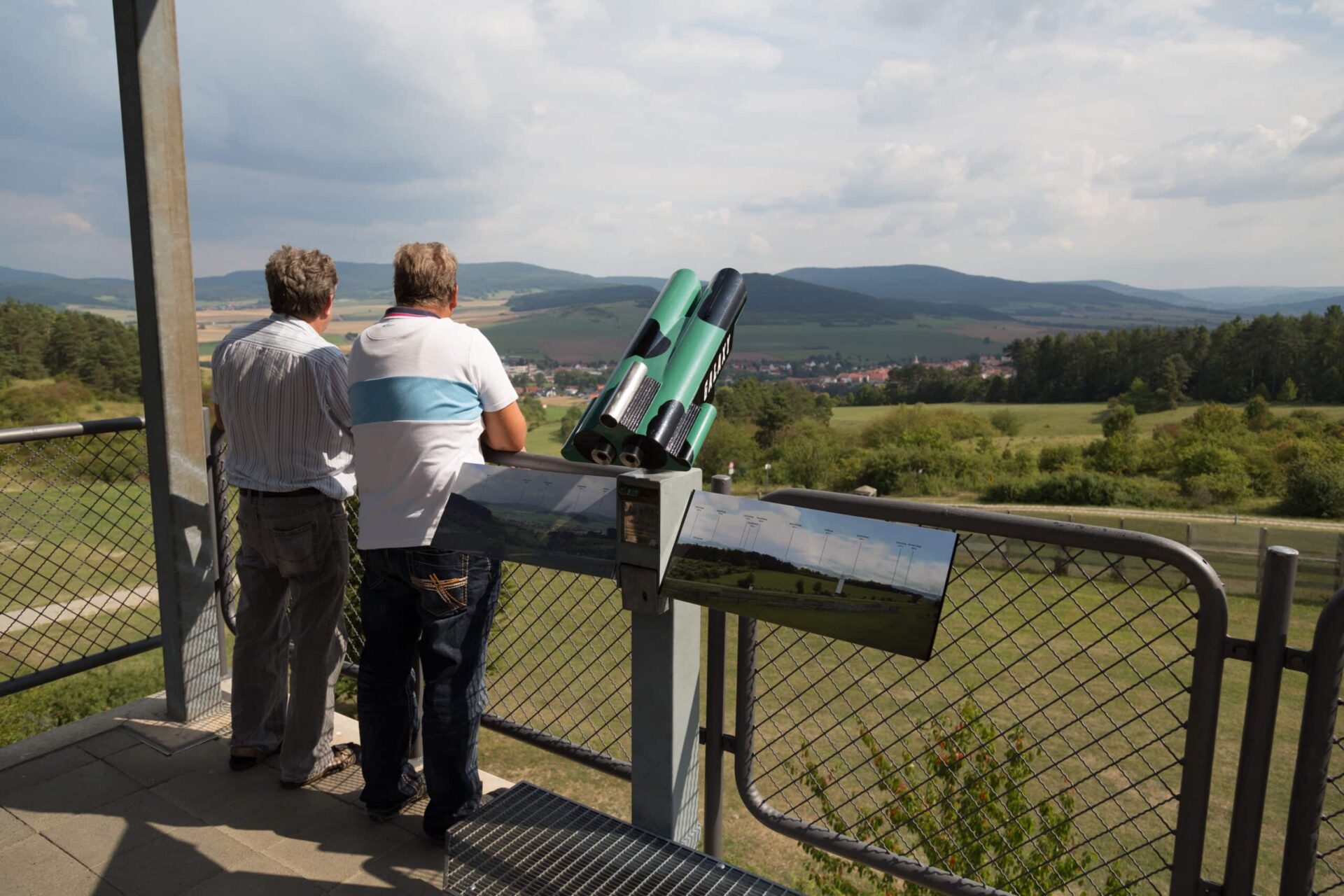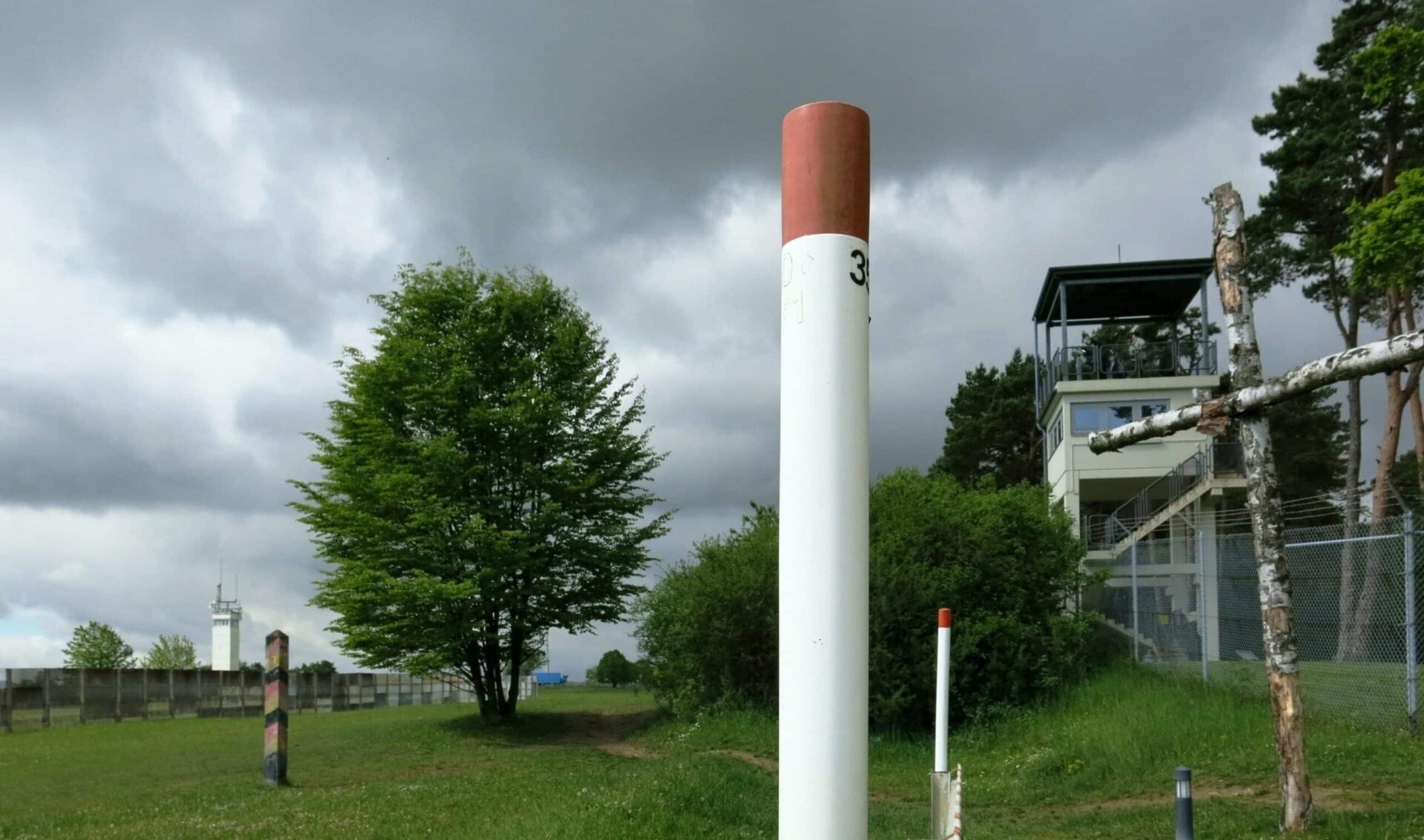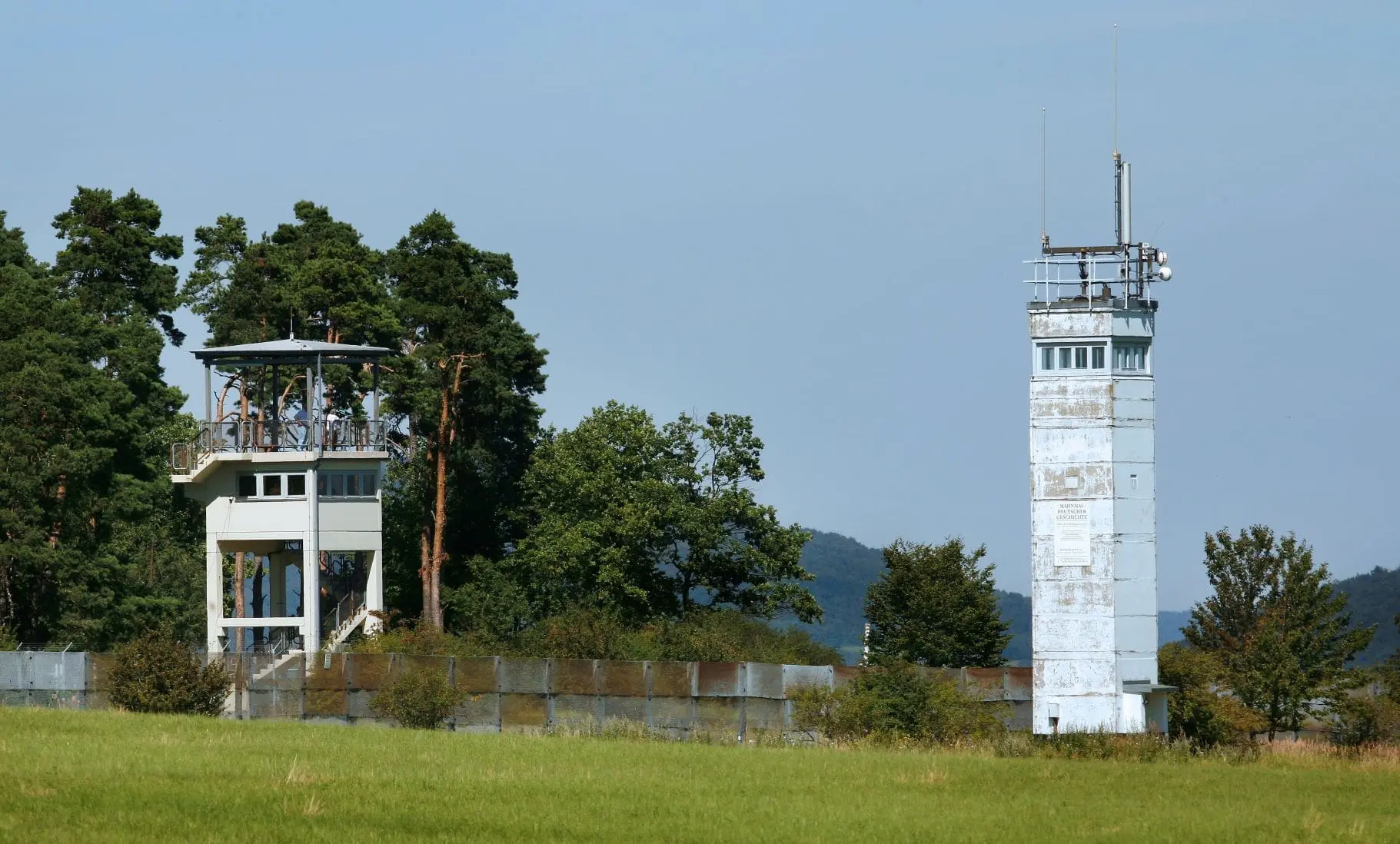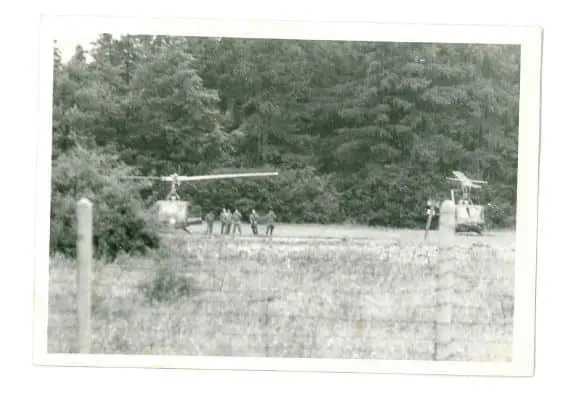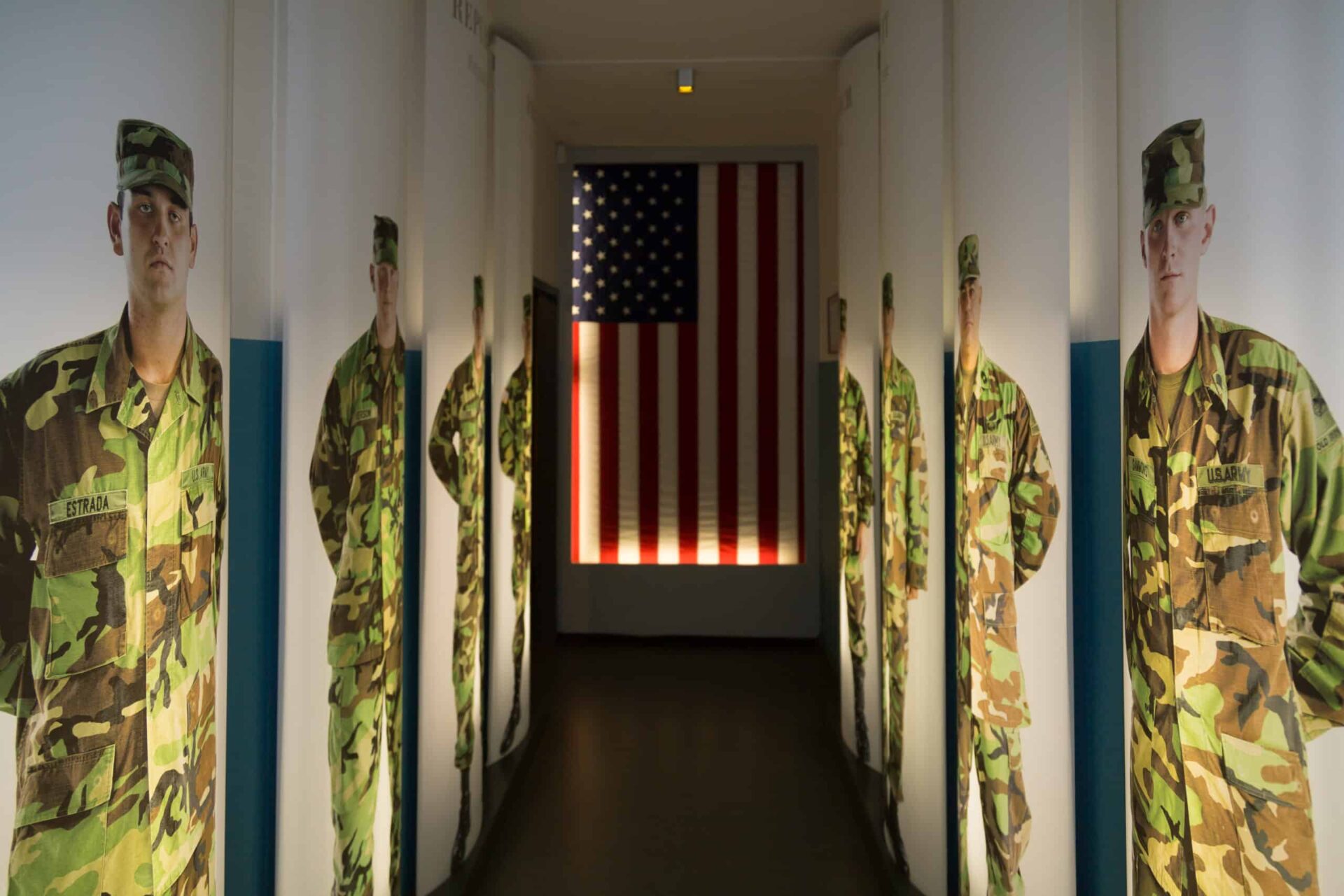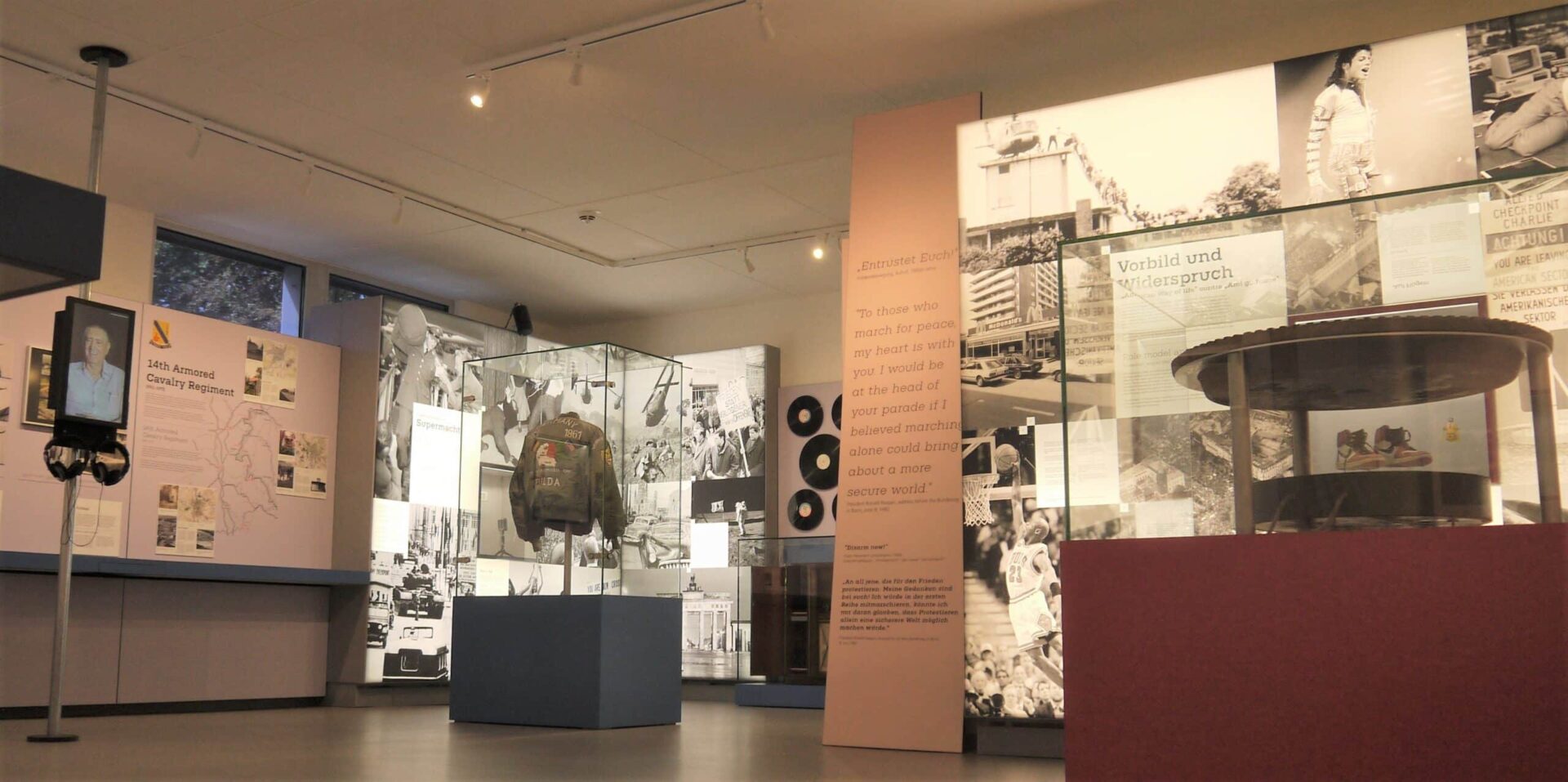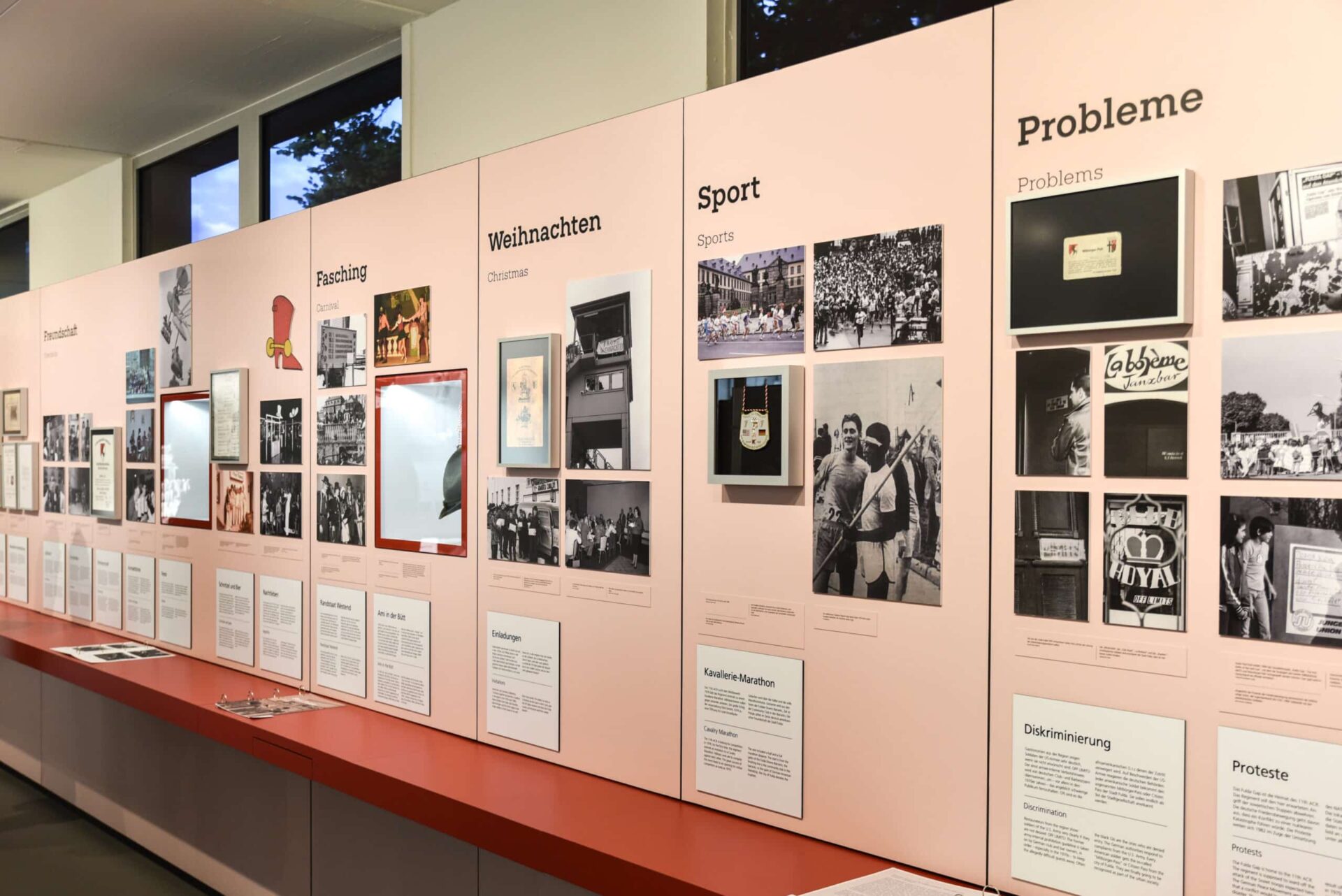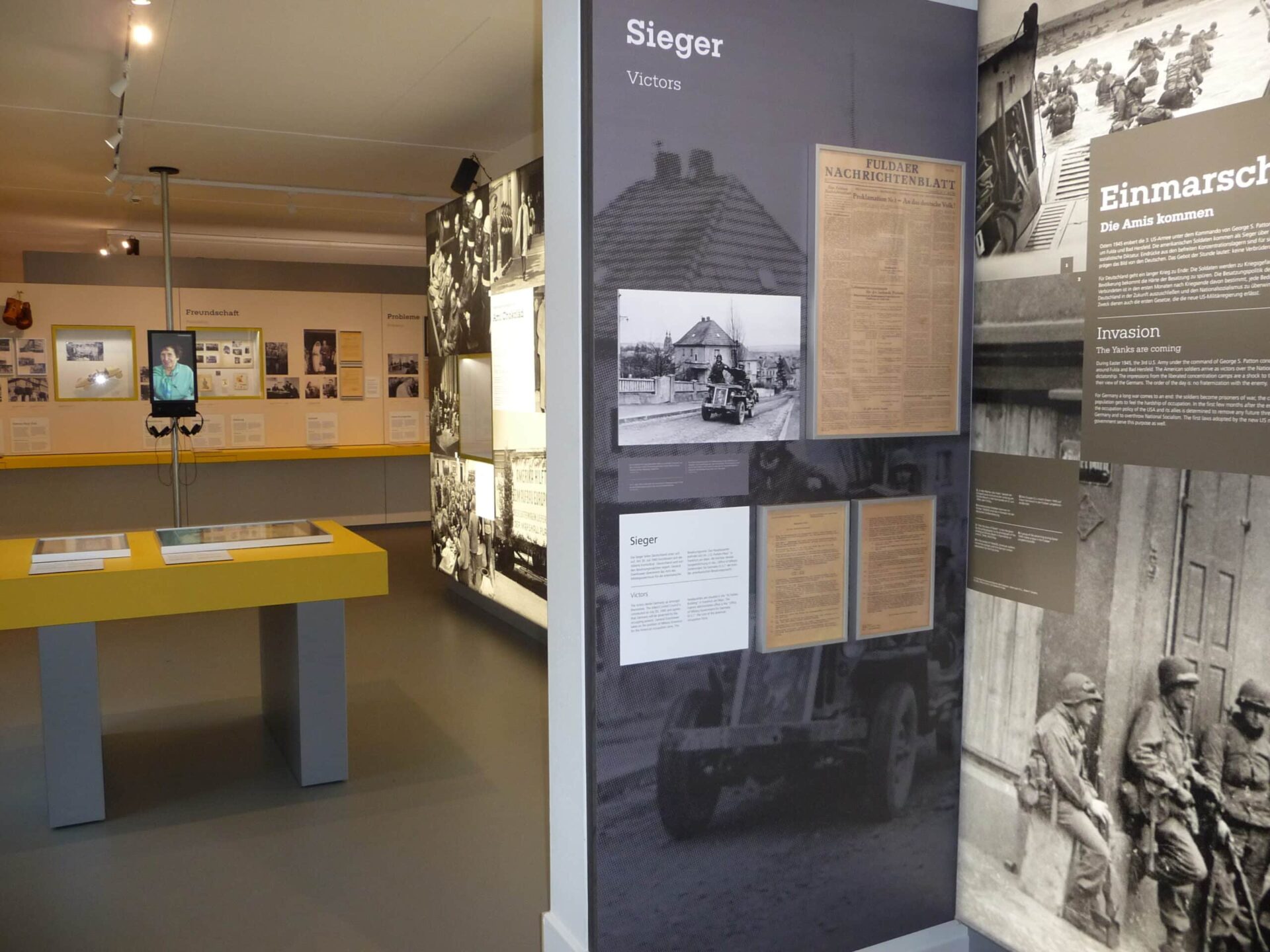
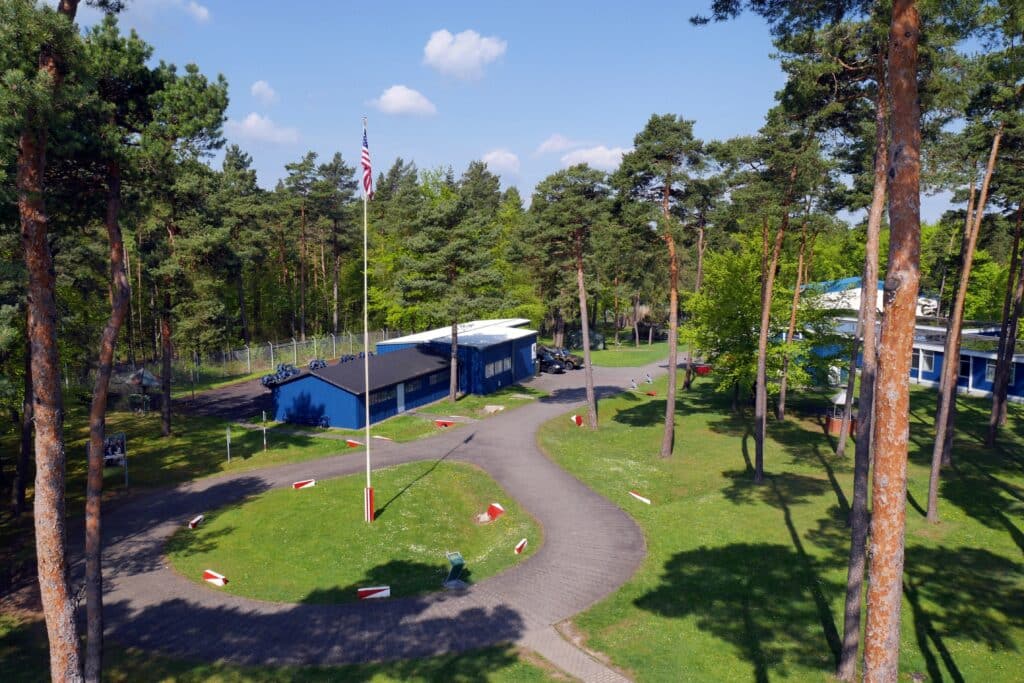

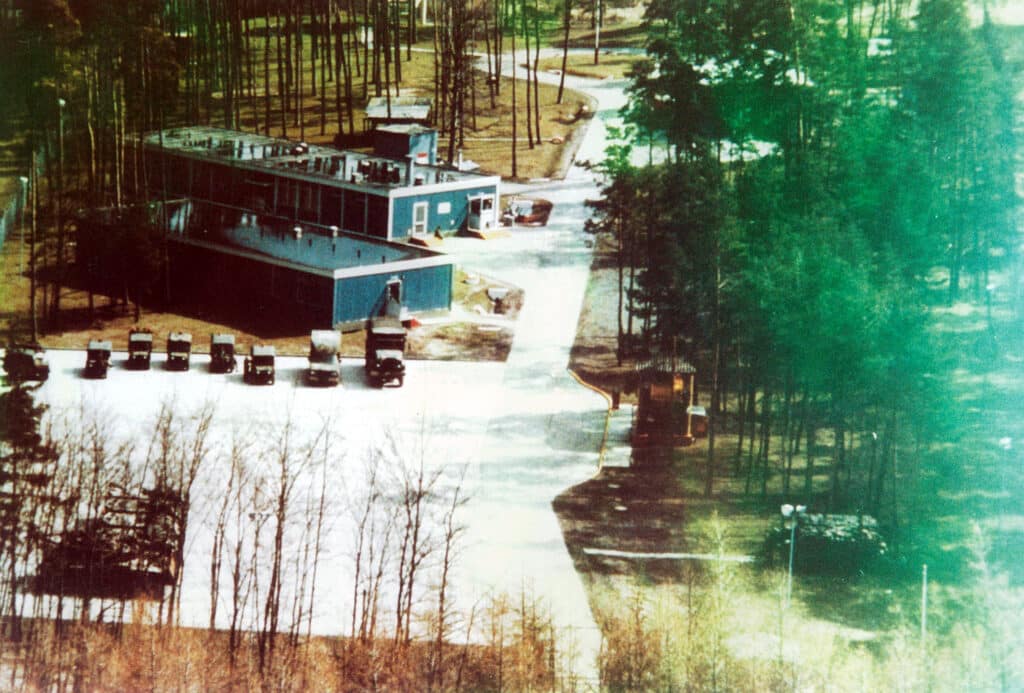

U.S. Camp Here is where the Americans awaited the invasion of the enemy. An exhibition provides extensive information.
U.S. Camp
History Brought to Life at an Original Location
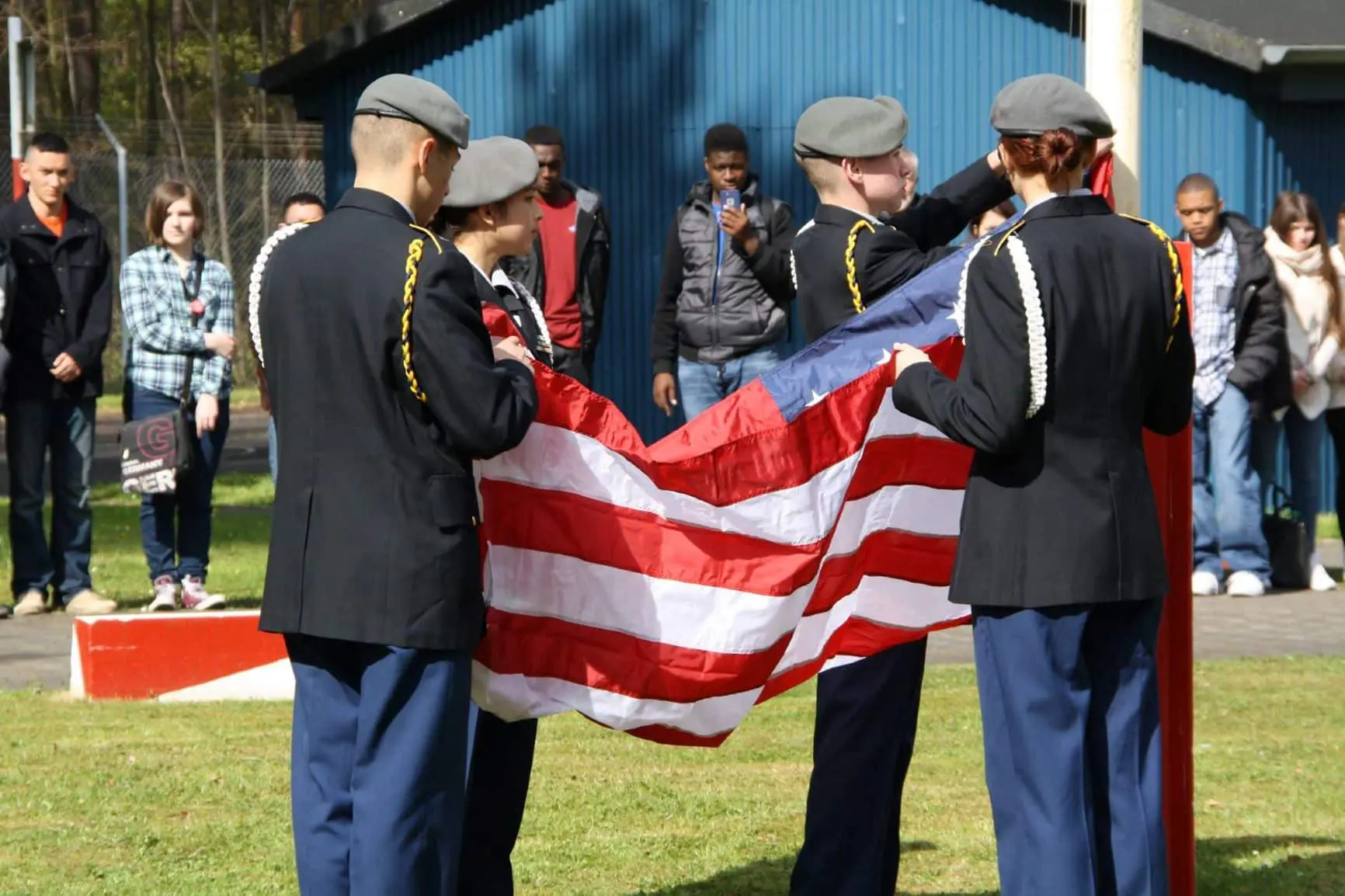
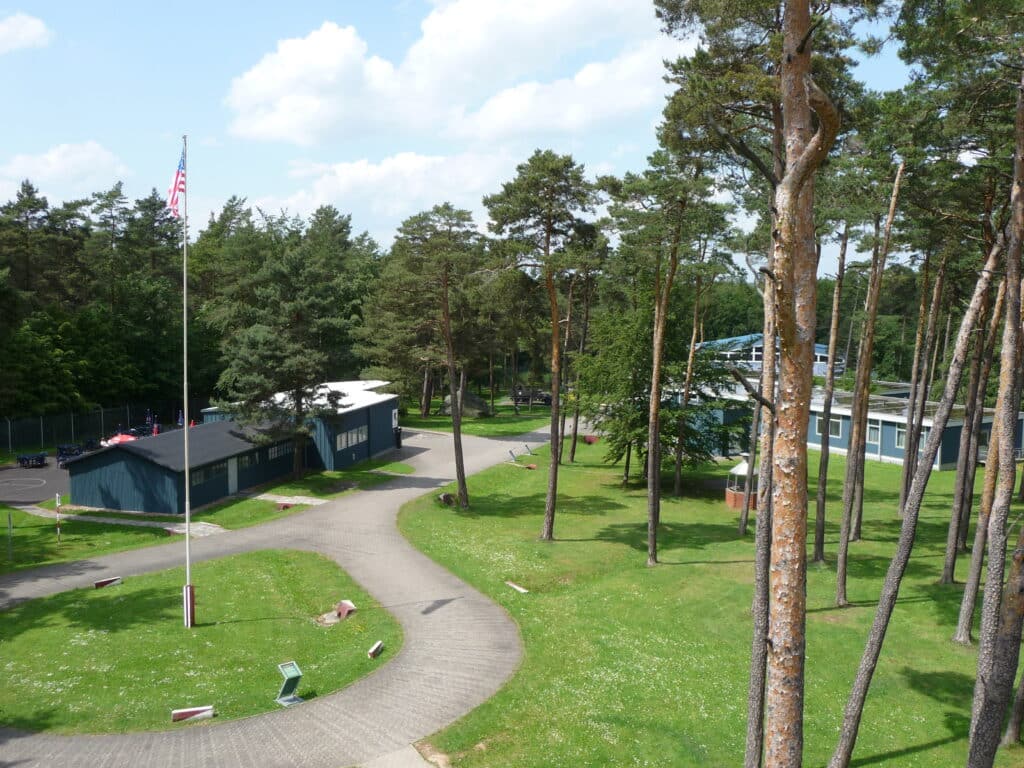
In the former U.S. Camp, history is brought to life and made comprehensible at the original location. The former barracks in the camp now serve as presentation areas and complement the impressions that visitors can gather on the grounds of the former military base with explanatory content and contemporary testimonies.
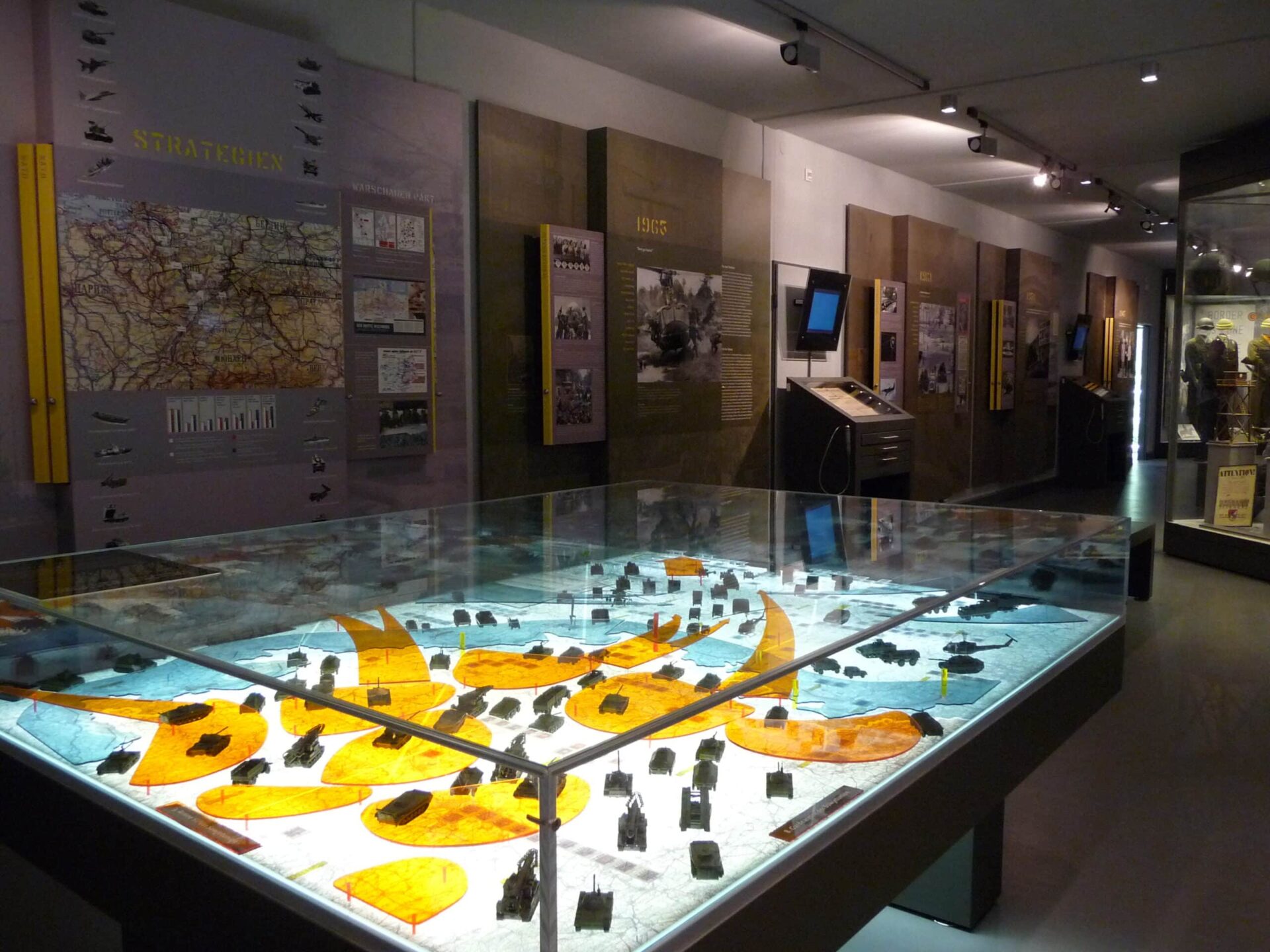
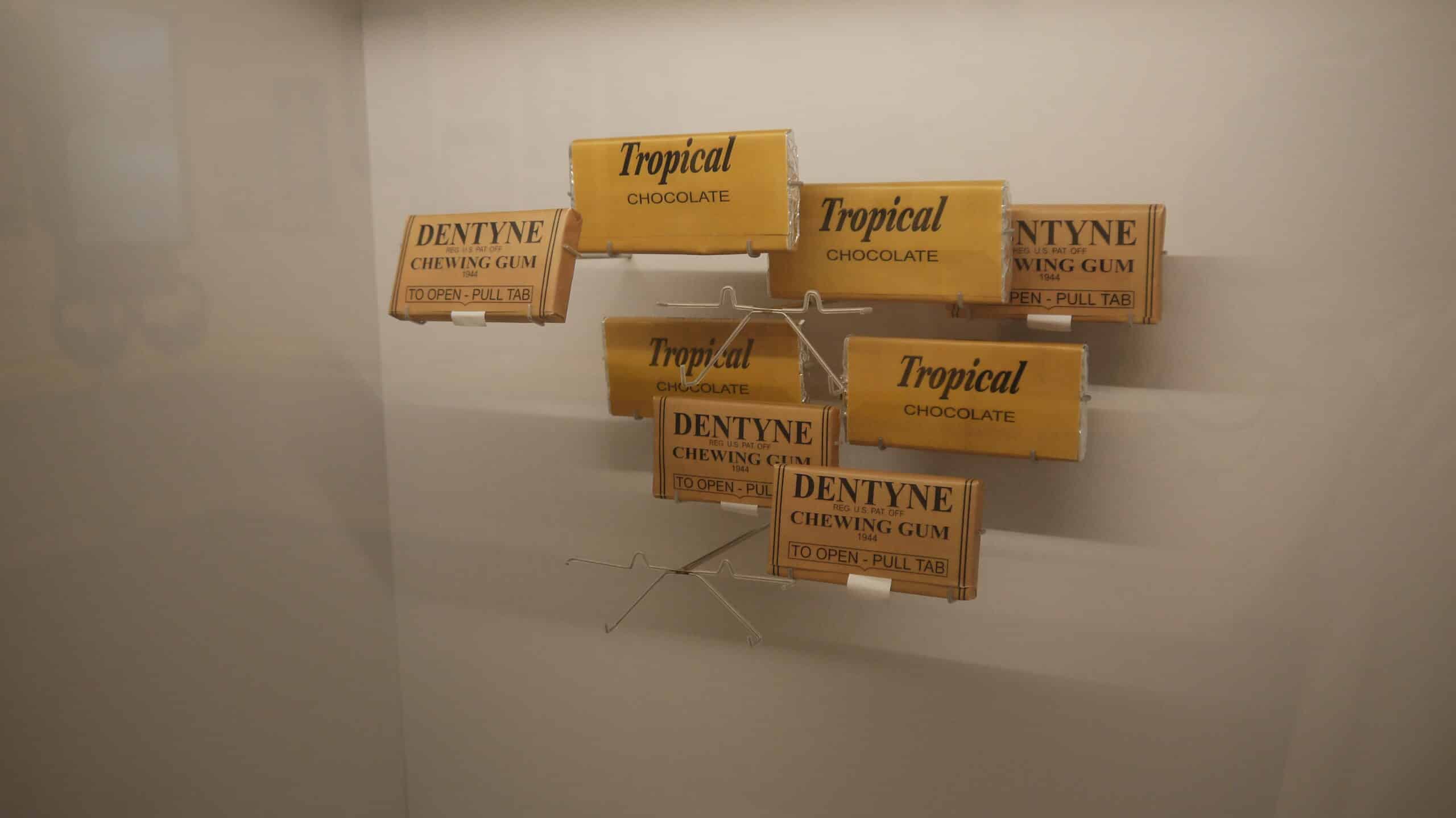
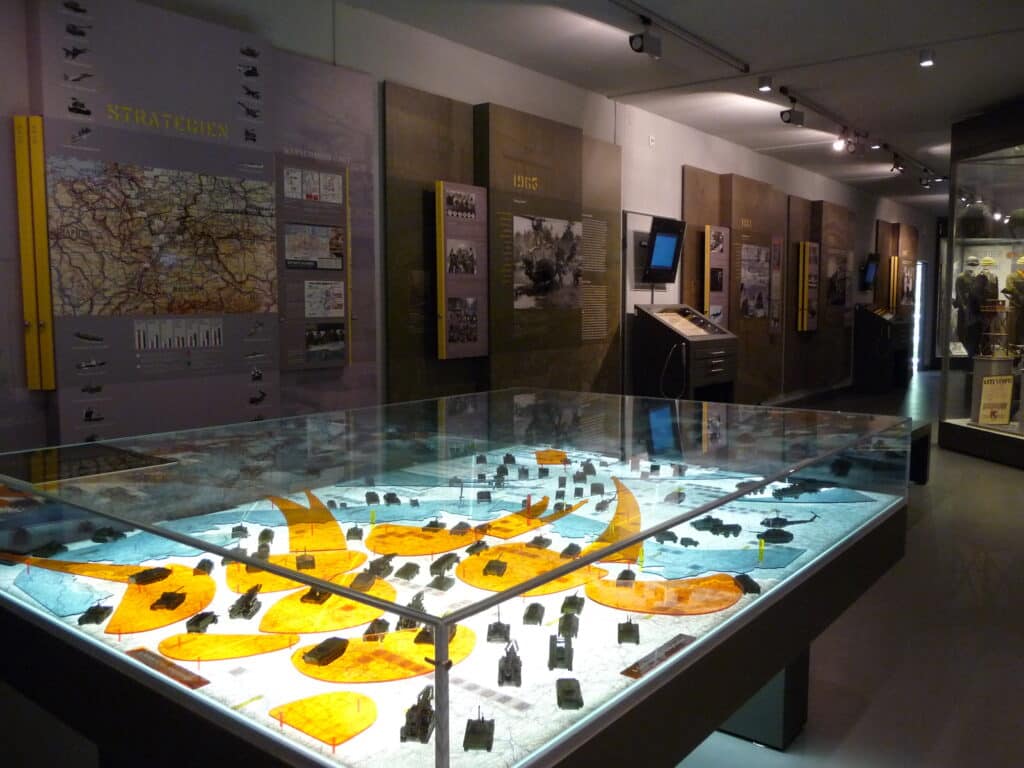
While the “Cold War” exhibition in Barracks-A focuses on the history, everyday military life, and the strategic importance of Point Alpha, the “Everyday Life” exhibition in Barracks-B focuses on how people in the Hessian border area lived together with American soldiers. Barracks-C, the camp’s former sports and recreation area, is now home to the memorial bistro, “Black Horse Inn.”
History of the U.S. Observation Post
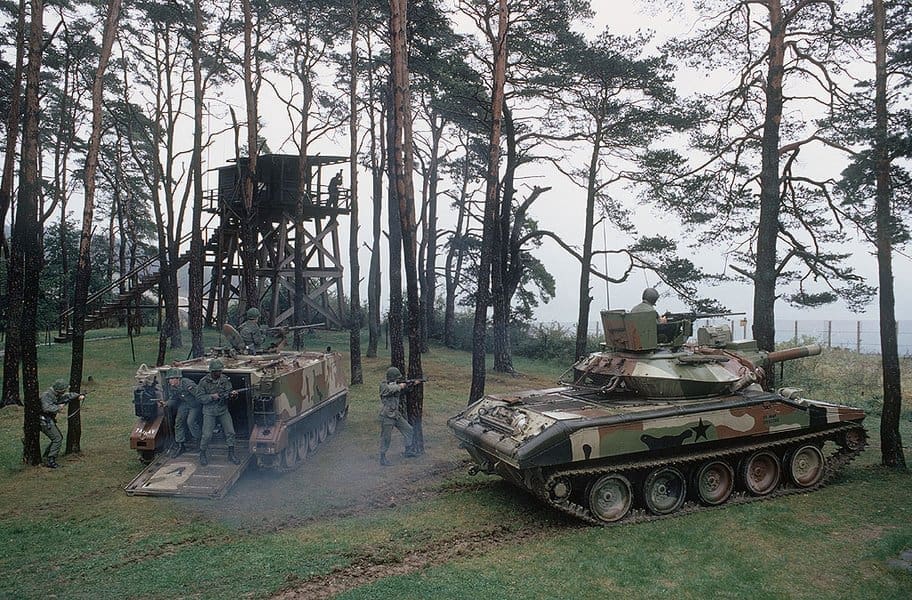
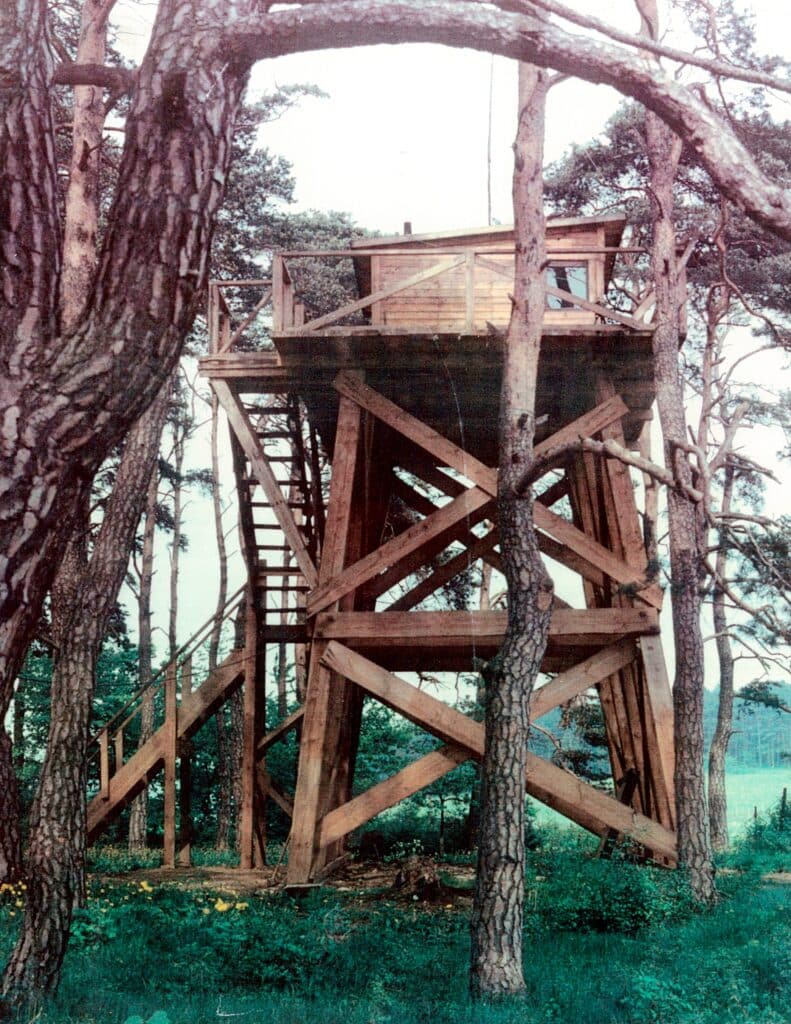
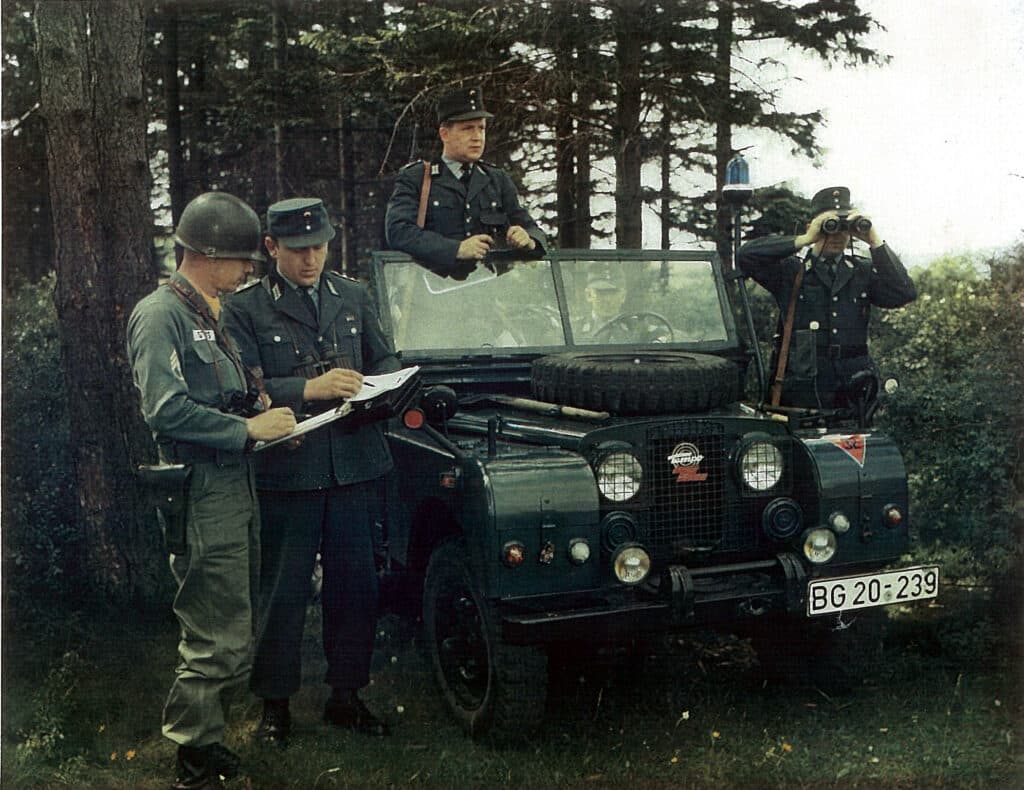
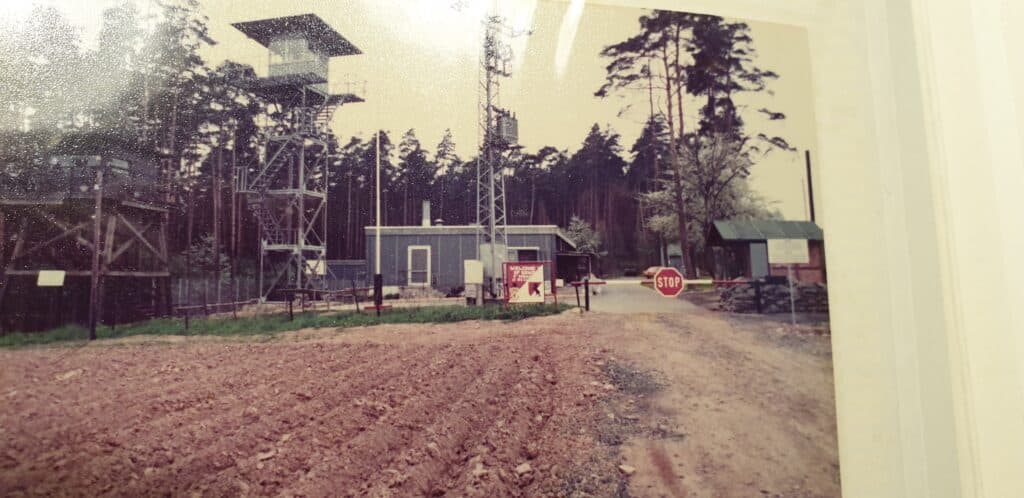
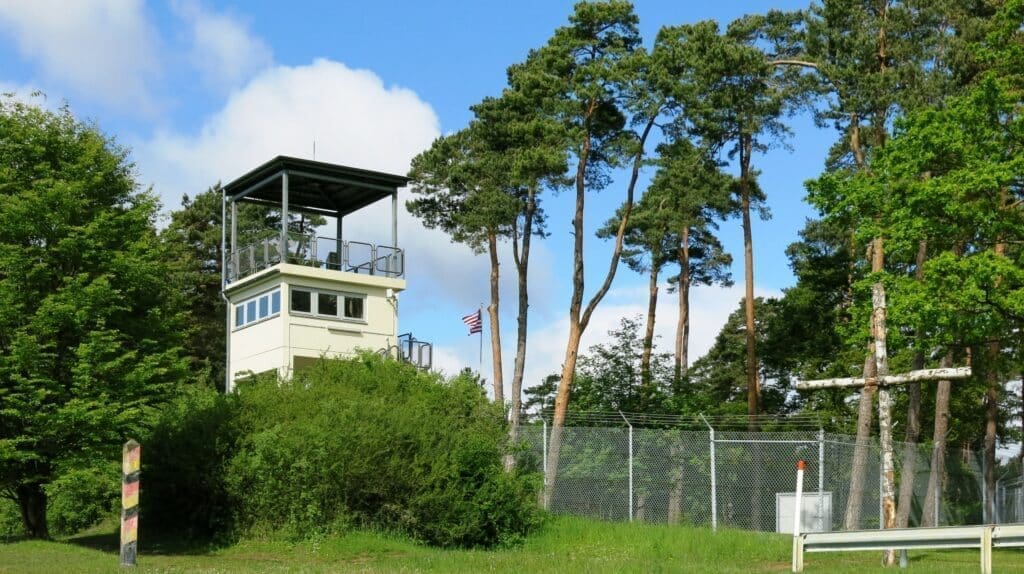
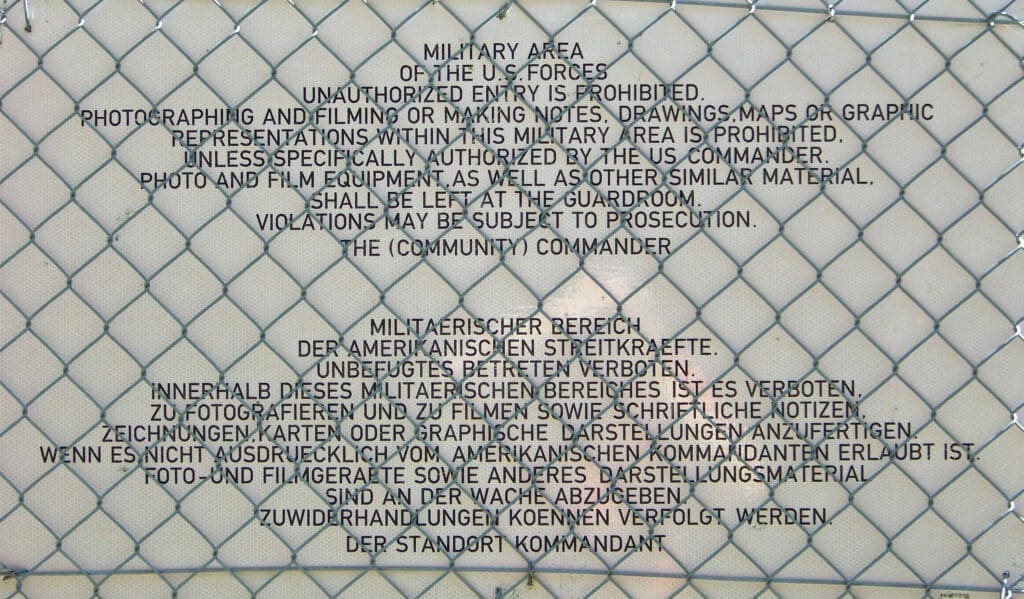
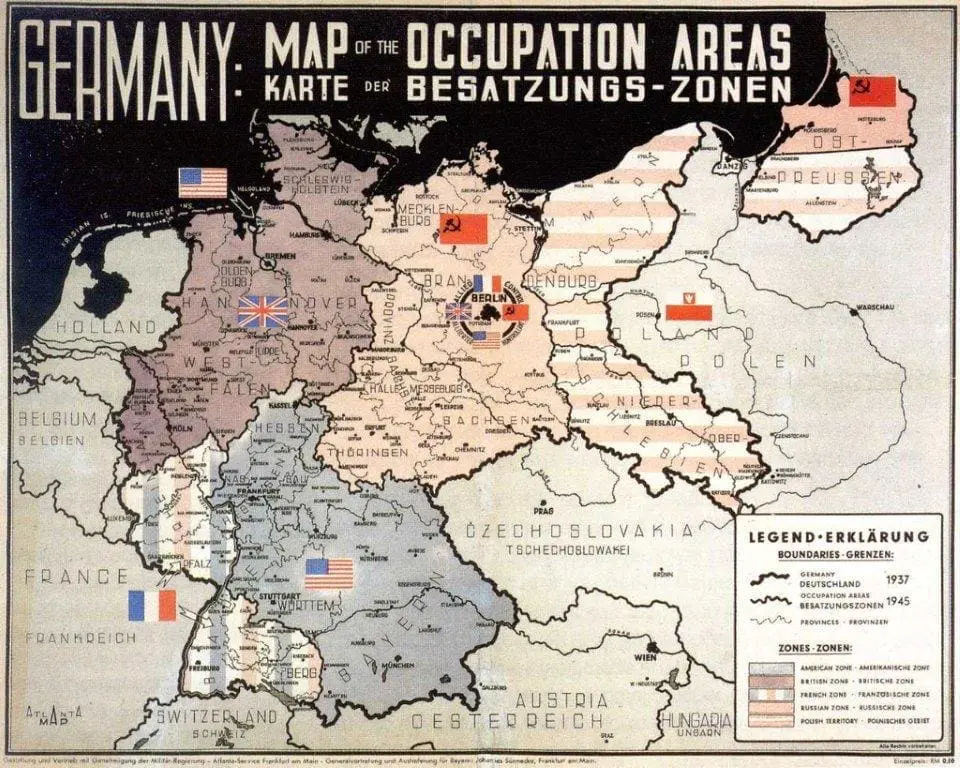
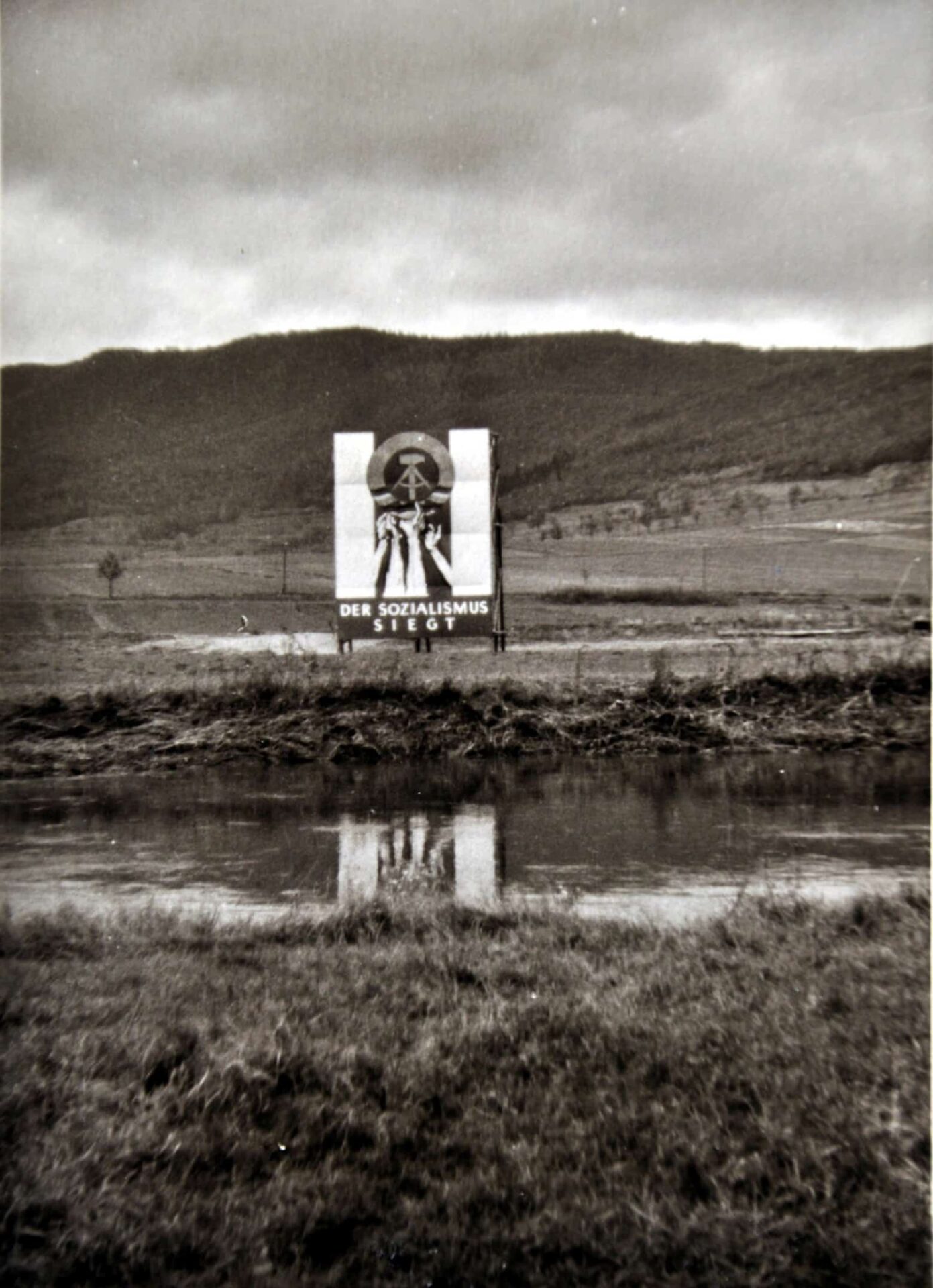
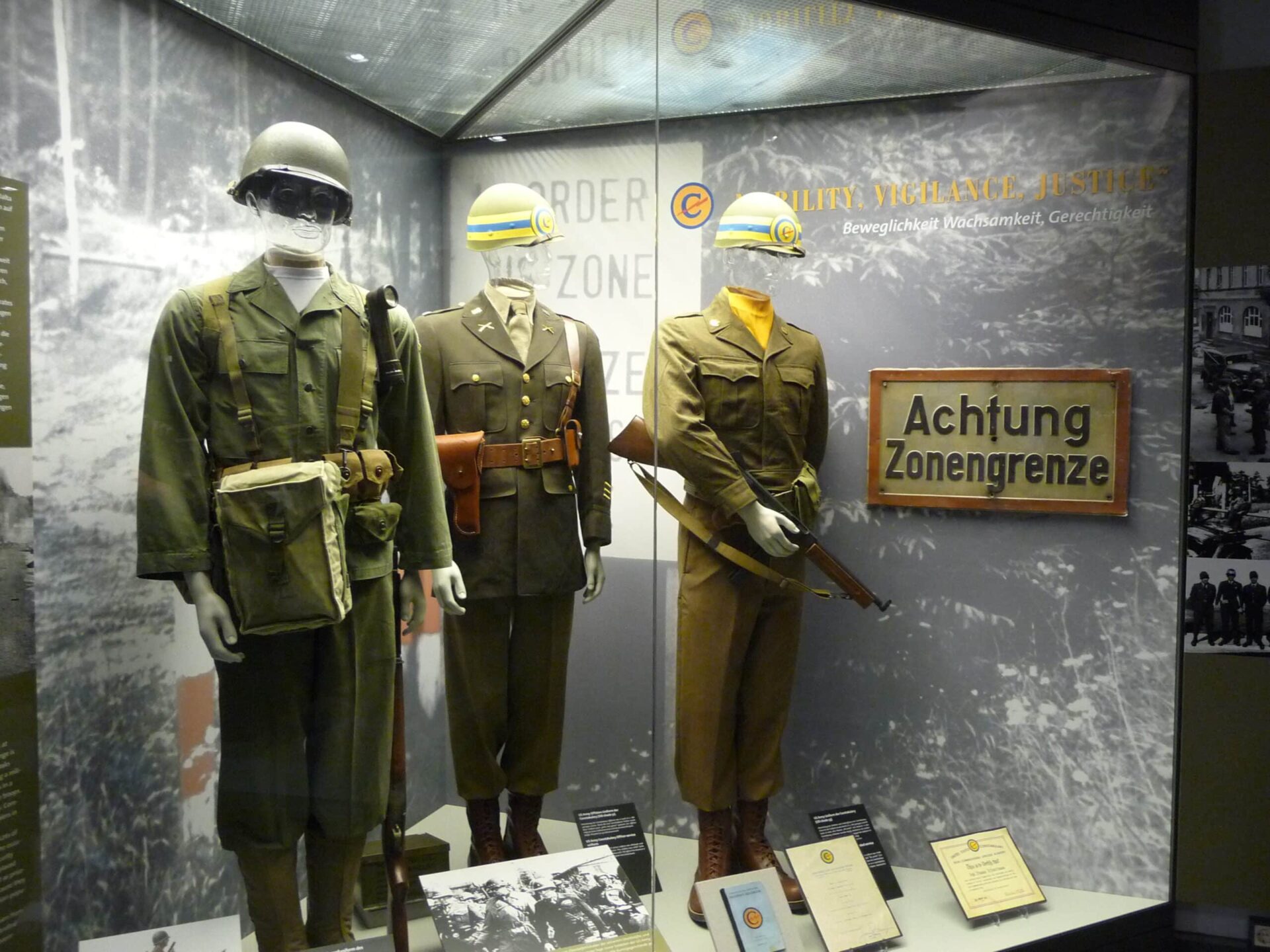
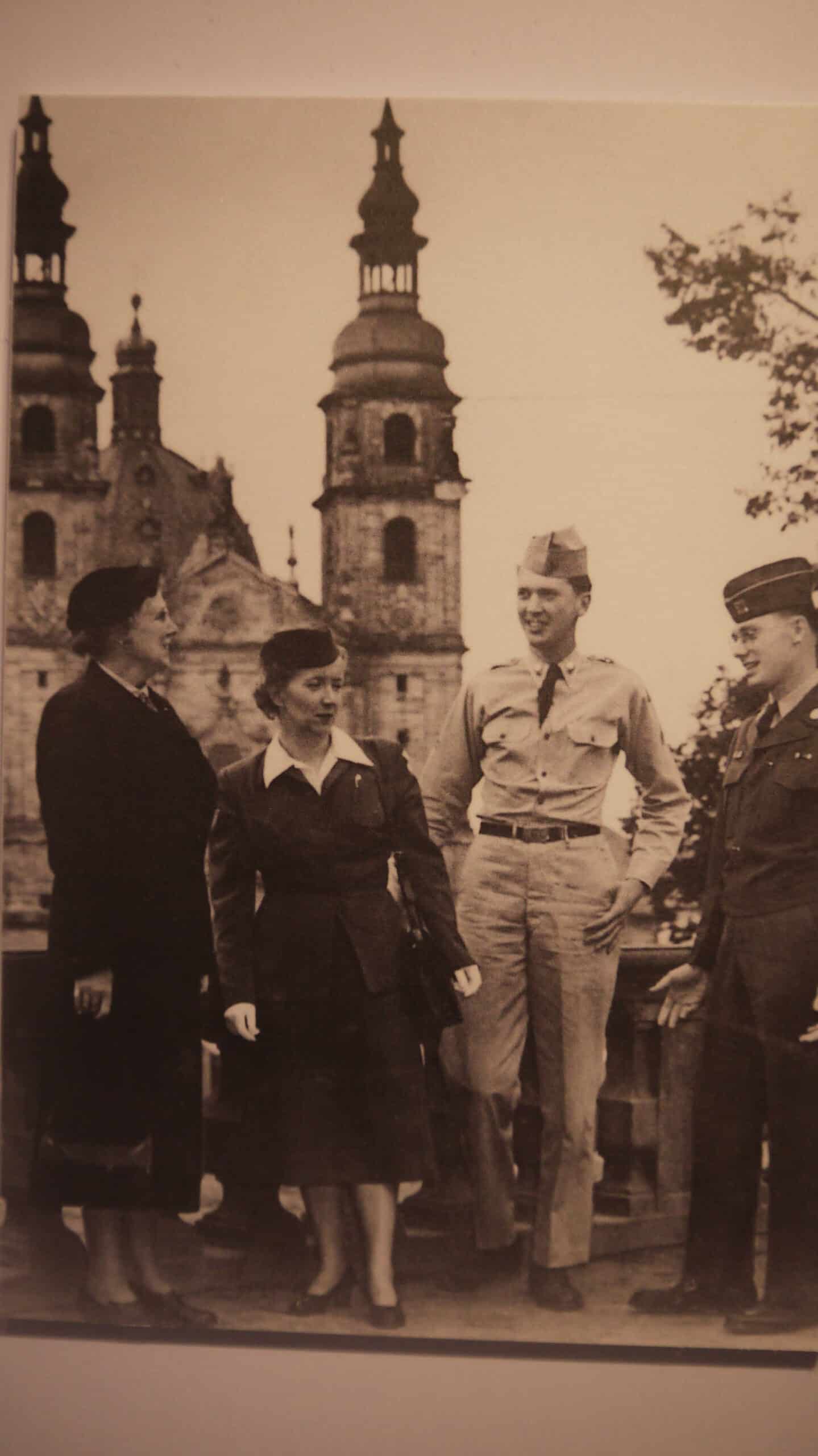
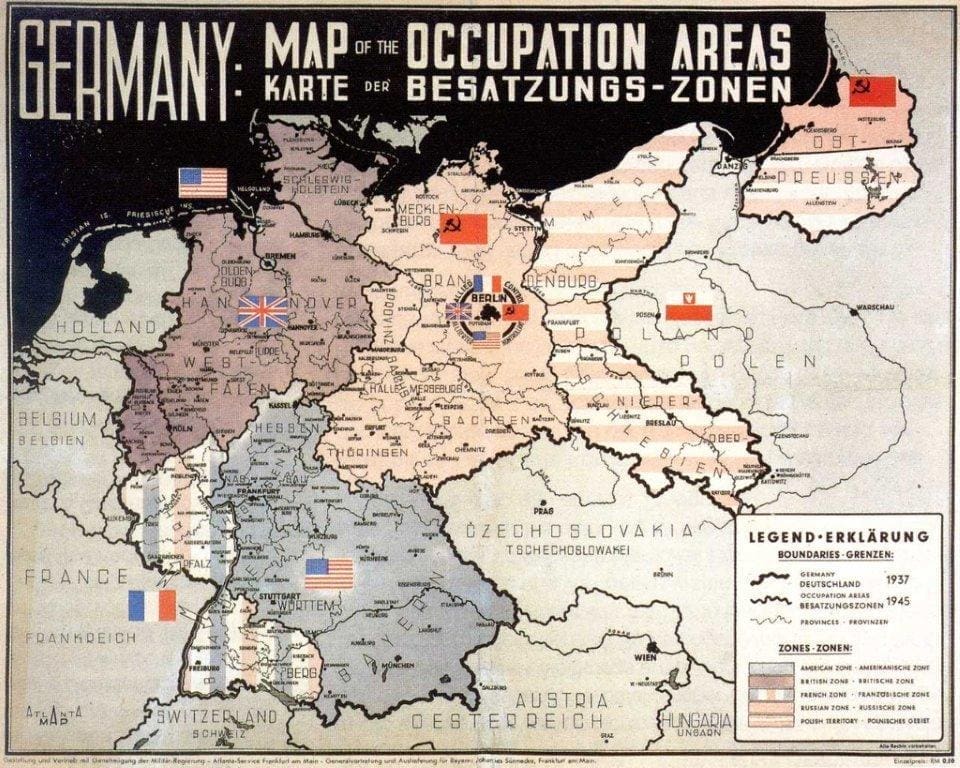
After the end of World War II hostilities in May 1945, the United States steadily reduced its troop strength in Germany to 79,000 American soldiers. From these remaining troops, constabulary units (German: Militärpolizei) were formed, which from July 1946 also took over surveillance of the border with the Soviet occupation zone. For this purpose, the U.S. Army set up checkpoints which accommodated six to ten soldiers at each of the zone crossings. The Berlin Blockade and above all, the war in Korea convinced the U.S. of the need to protect its allies from the threat of the USSR and to permanently station large military contingents in West Germany. Consequently, by 1955, U.S. troop strength had increased to about 350,000. In 1951, the 14th Armored Cavalry Regiment (German: Panzeraufklärungsregiment) replaced the military police units and continuously expanded the “Observation Point Alpha” (short: Point Alpha) in its exhibited location. The border surveillance regiment had the task of detecting a possible attack by the Warsaw Pact.
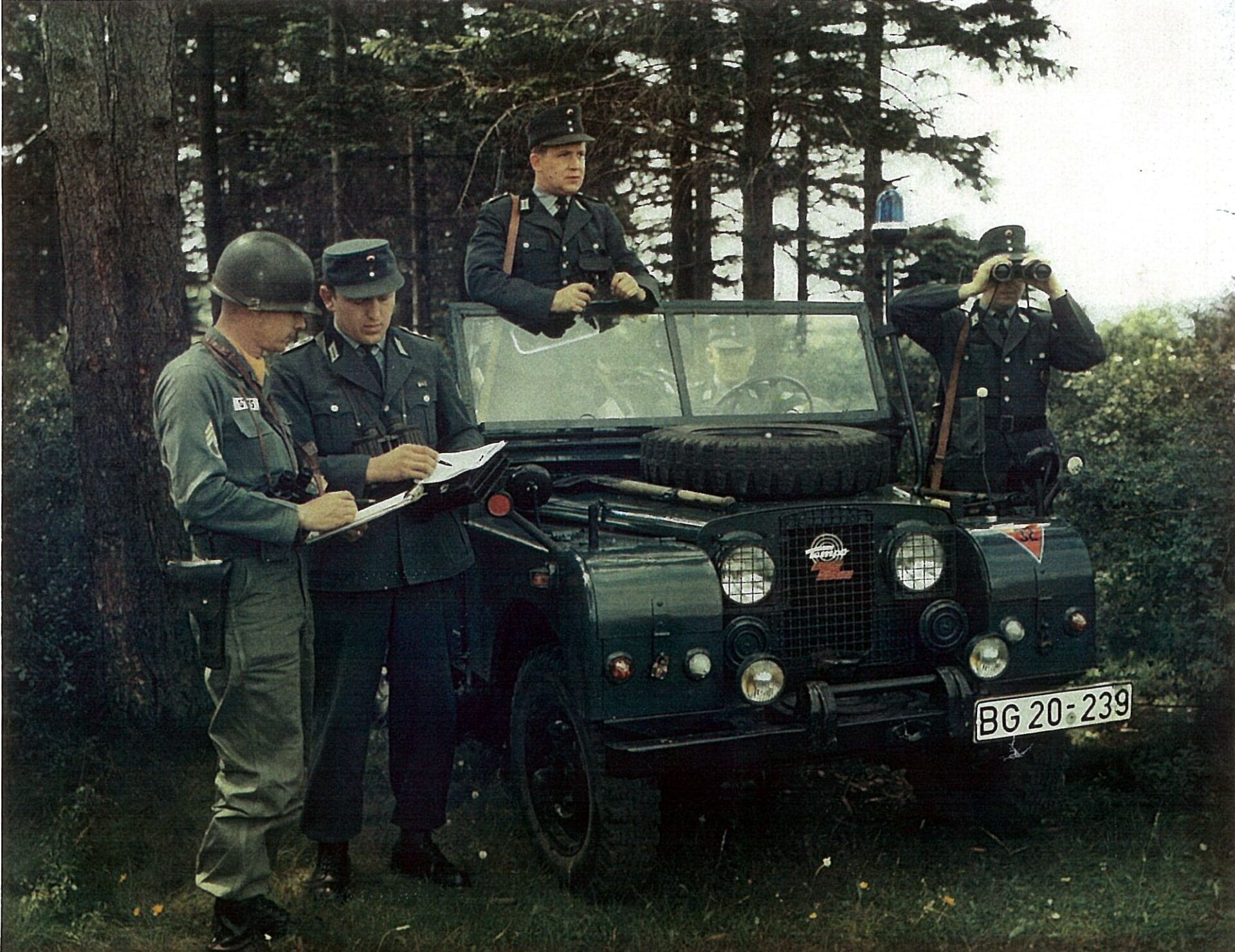
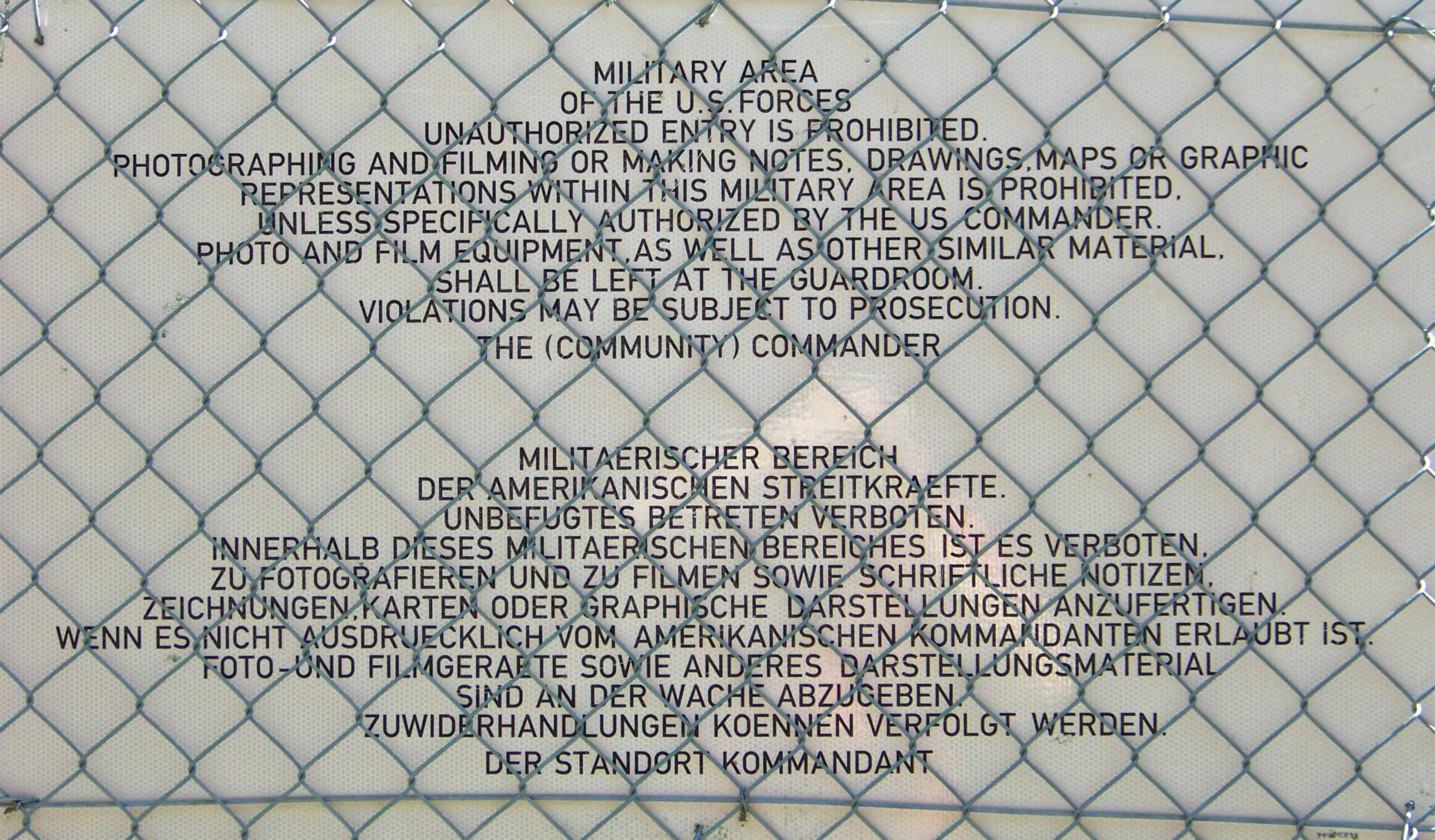
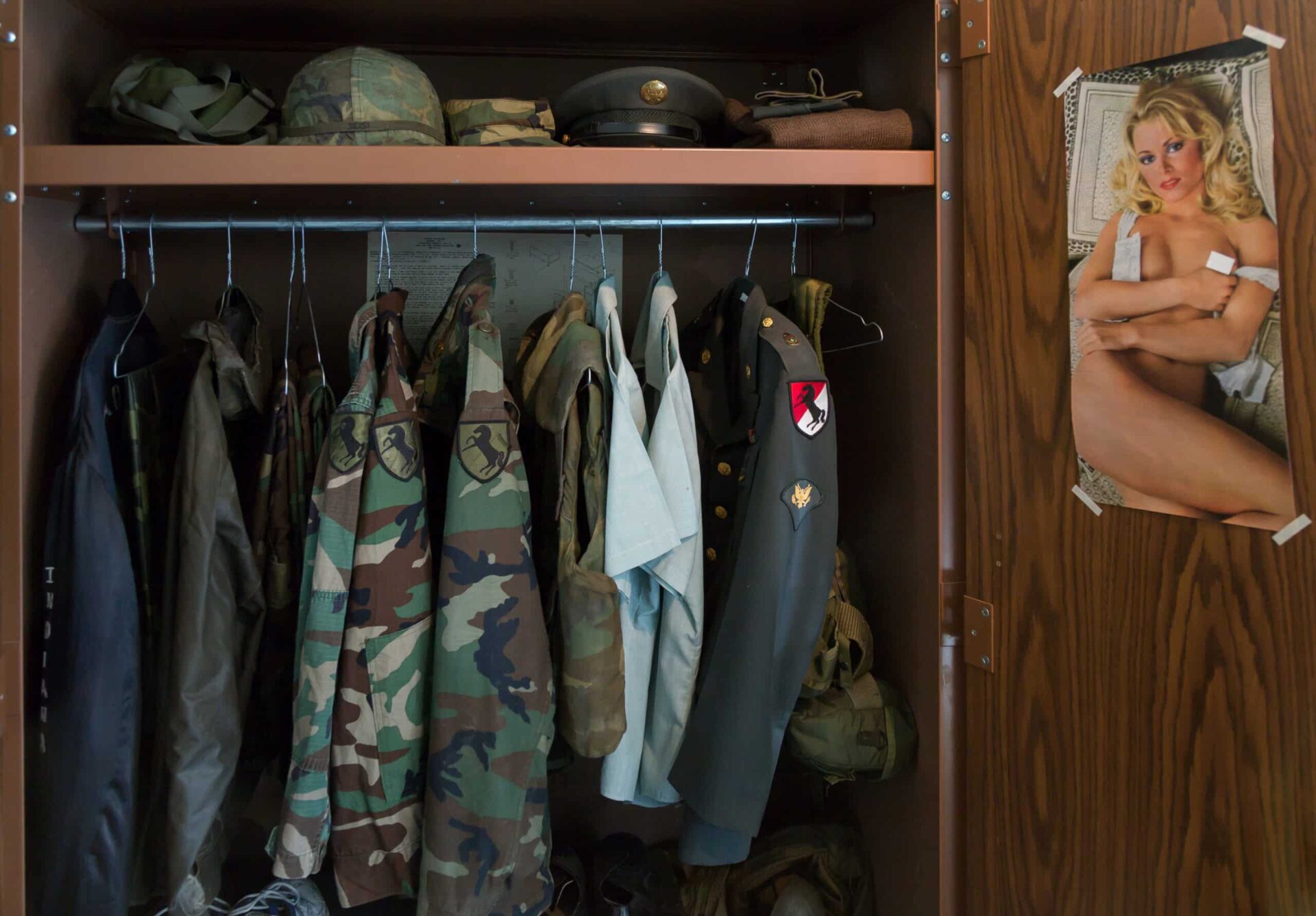
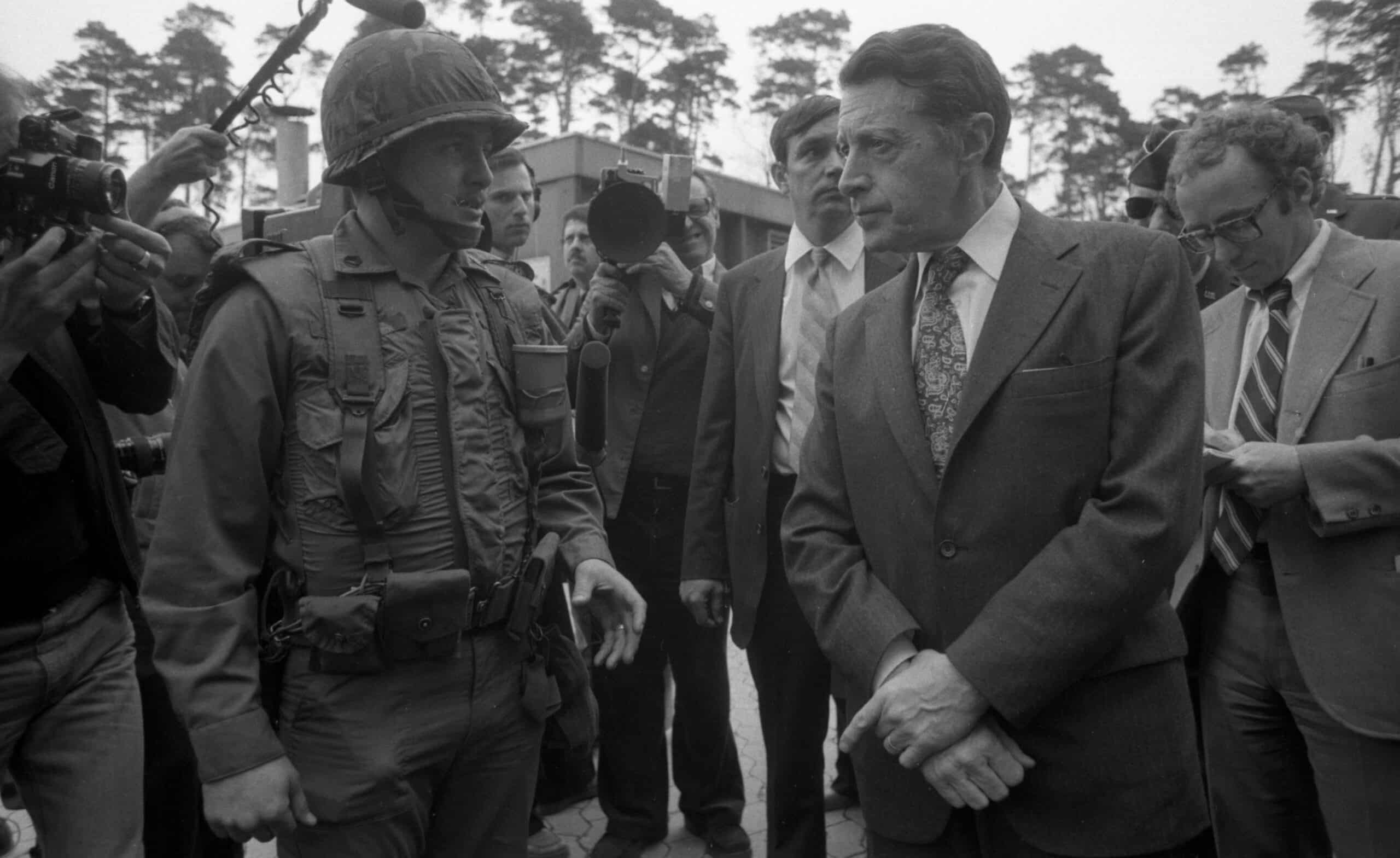
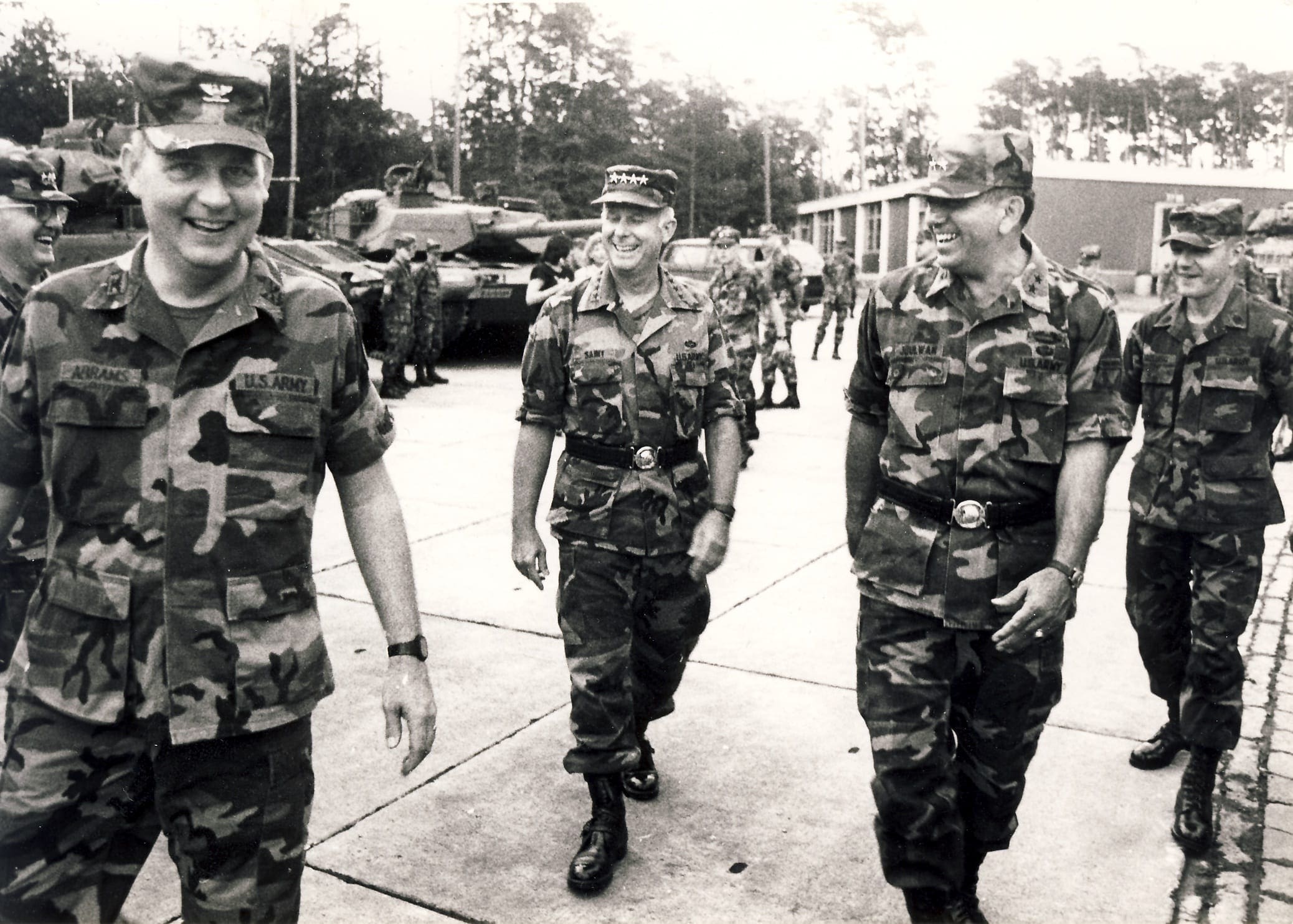
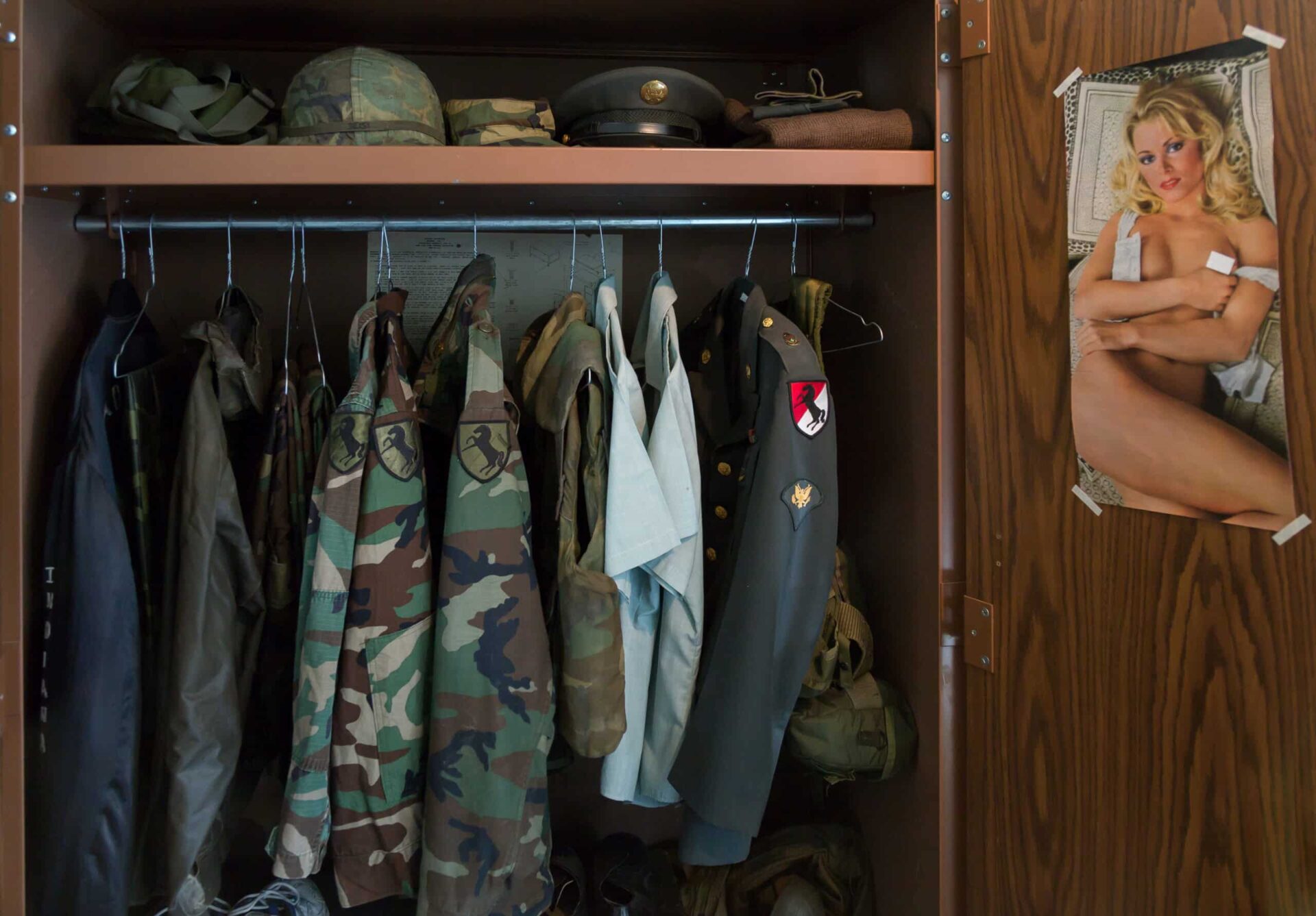
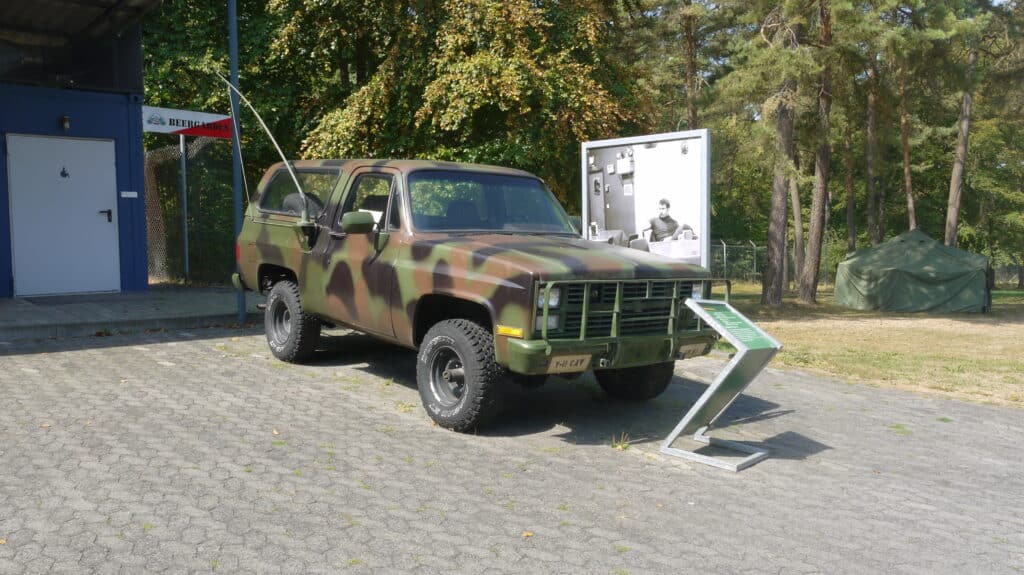
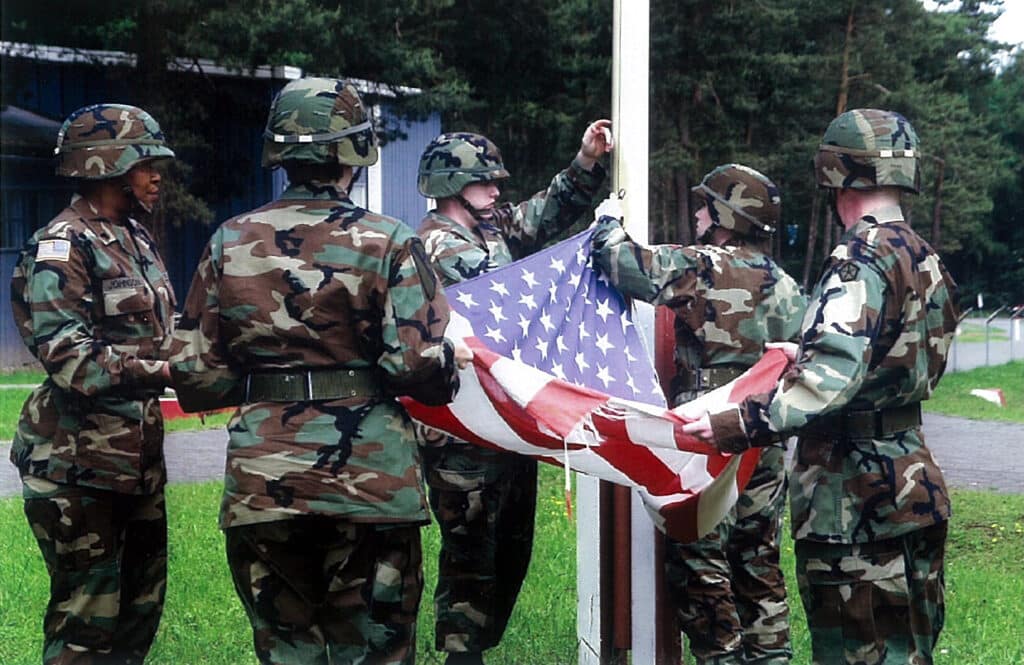
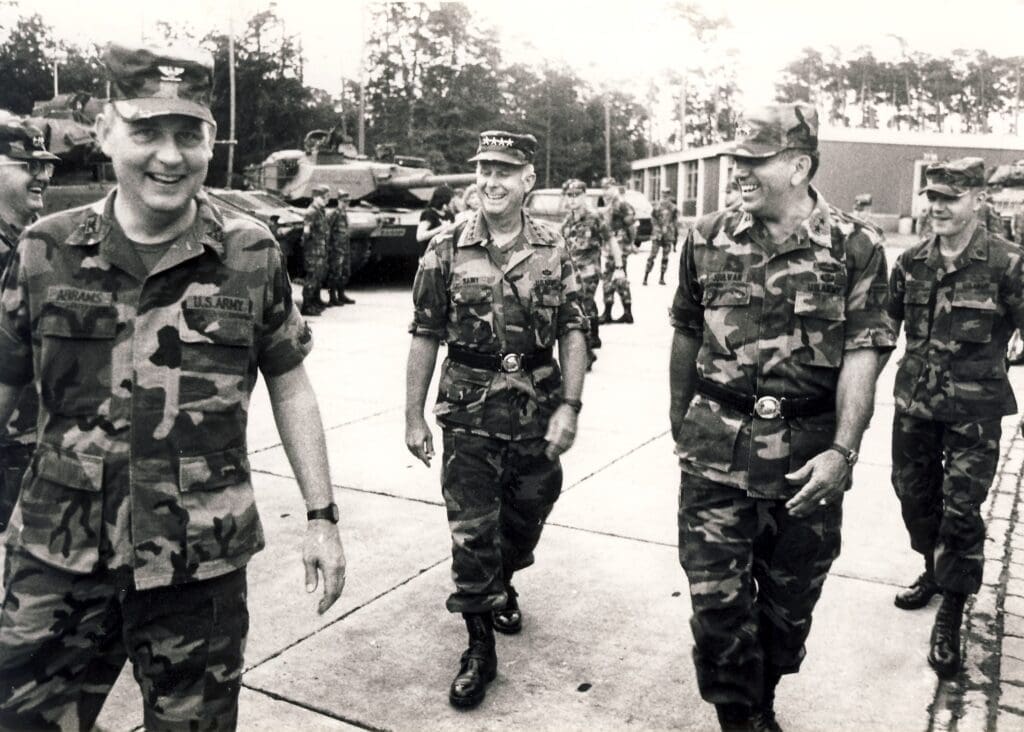
In May 1972, the 11th U.S. Armored Cavalry Regiment (ACR), transferred to eastern Hesse and took over this mission by replacing the 14th U.S. Armored Cavalry Regiment. The patch of the 11th ACR bears a prancing black horse as its crest, from which their regimental designation “Blackhorse” is derived. Only members of the U.S. Armed Forces had access to the camp. Many prominent and high-ranking visitors, especially from U.S. political and military circles came to learn about the situation at the inner-German border.
Contrary to rumors from the Cold War Era, there were only conventional weapons at Point Alpha and no nuclear warheads.
Duty at Point Alpha
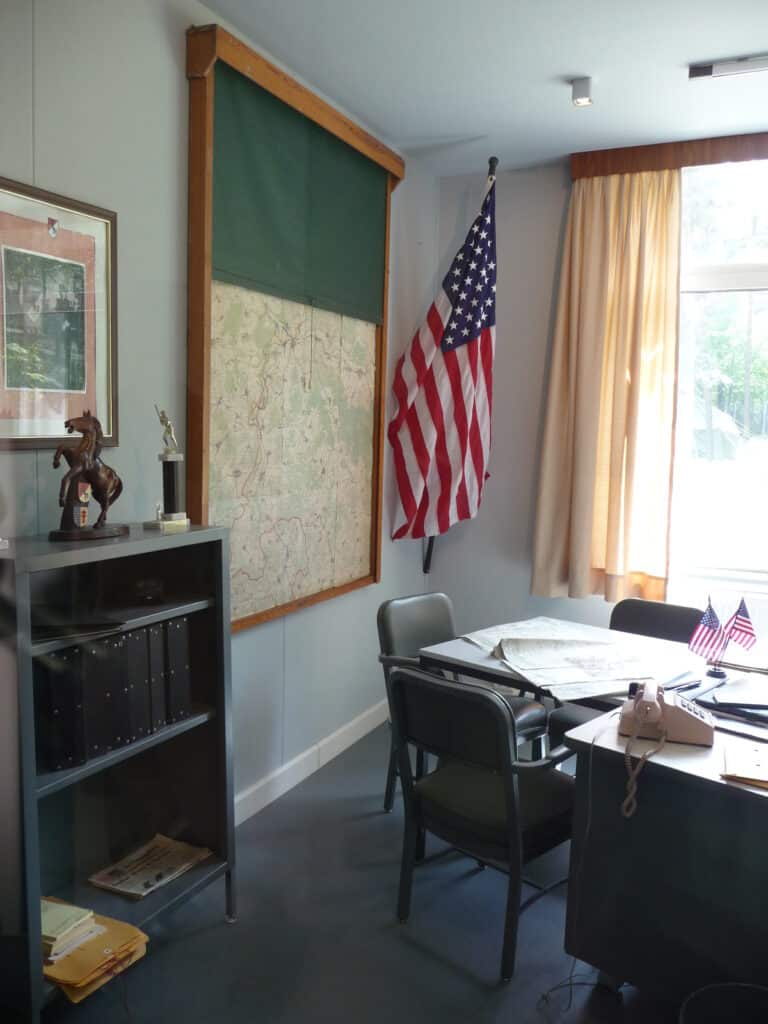
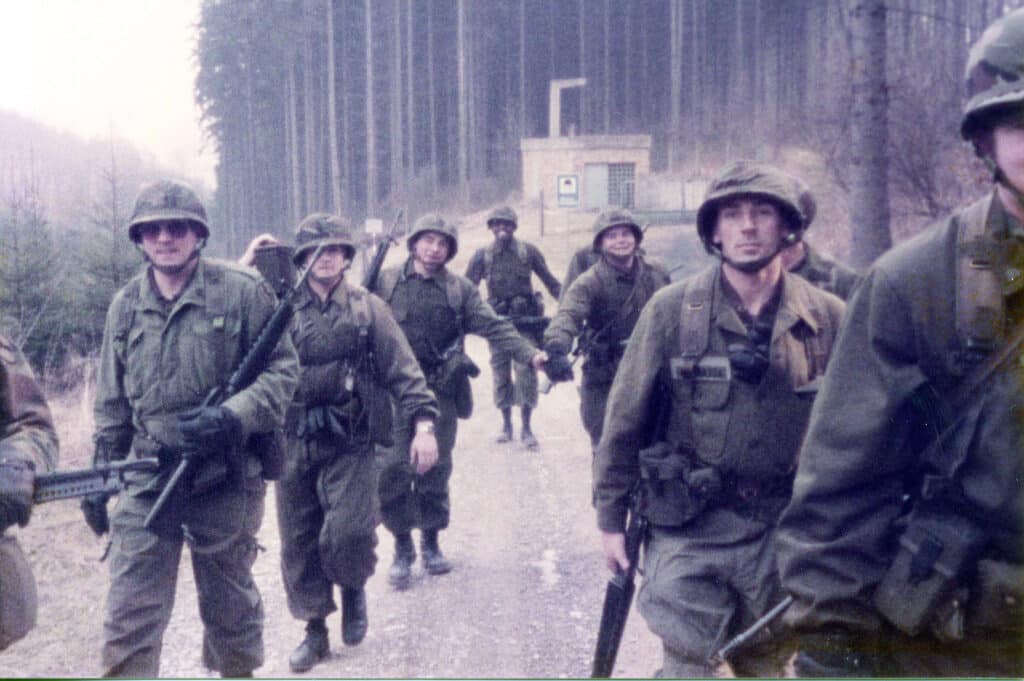
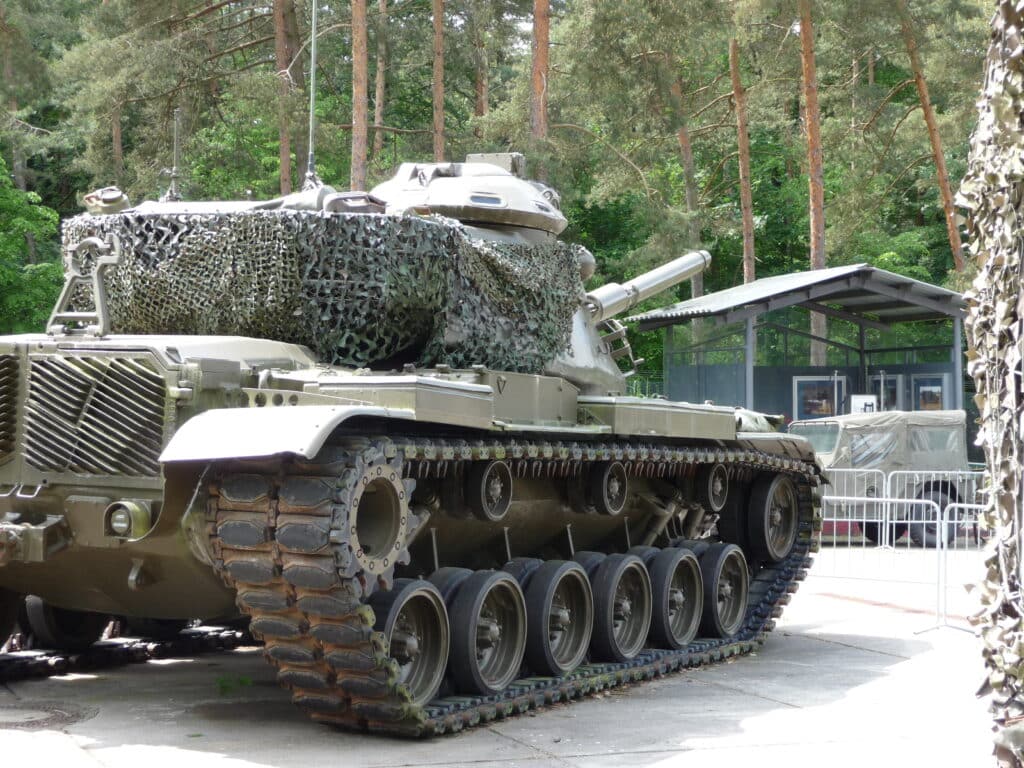
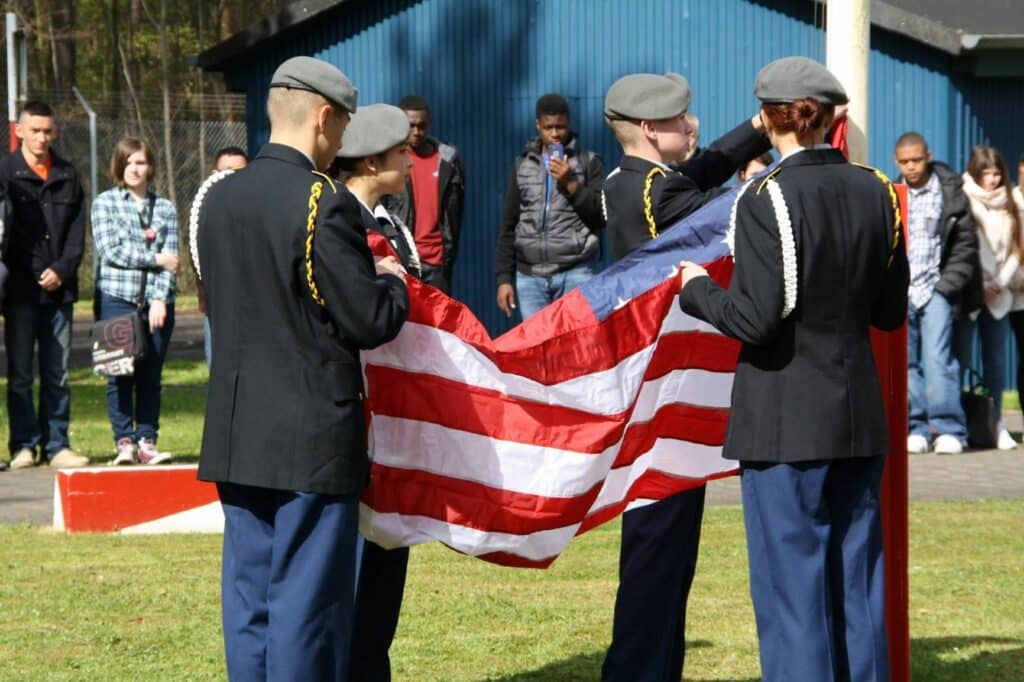
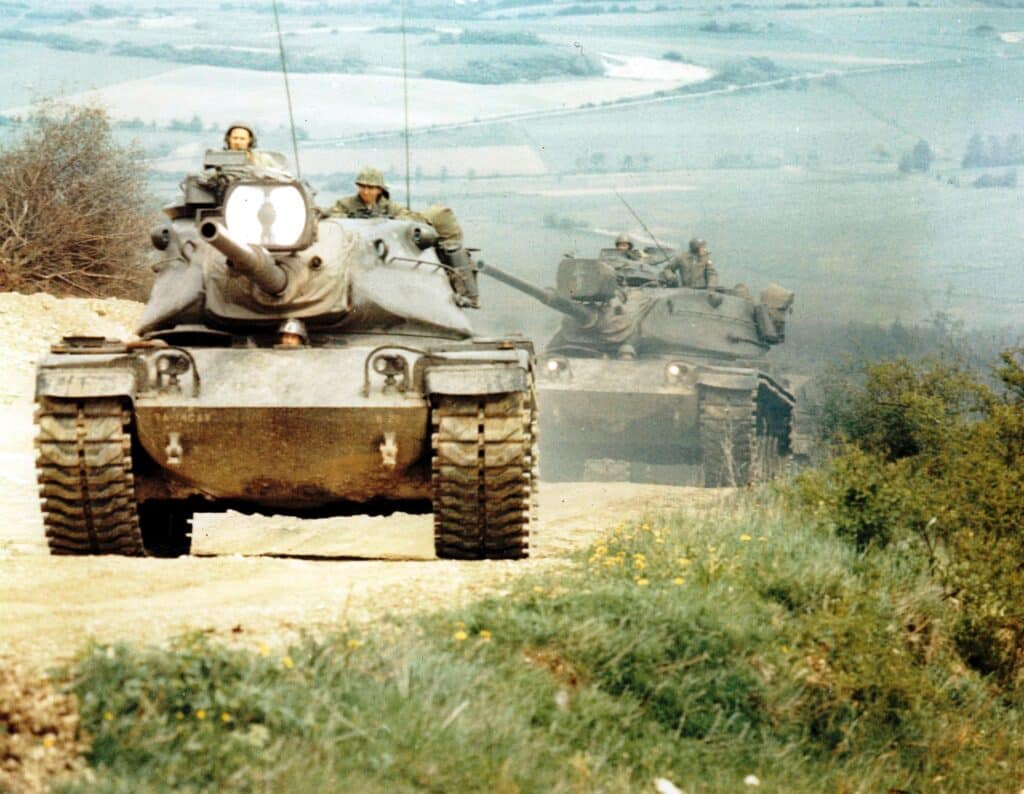
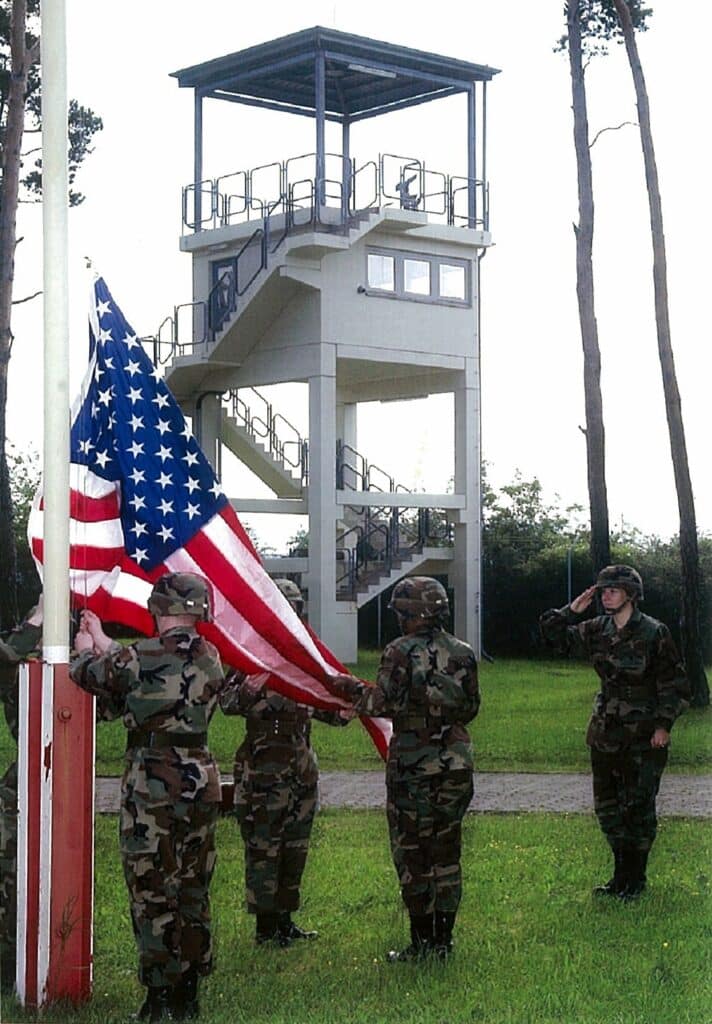
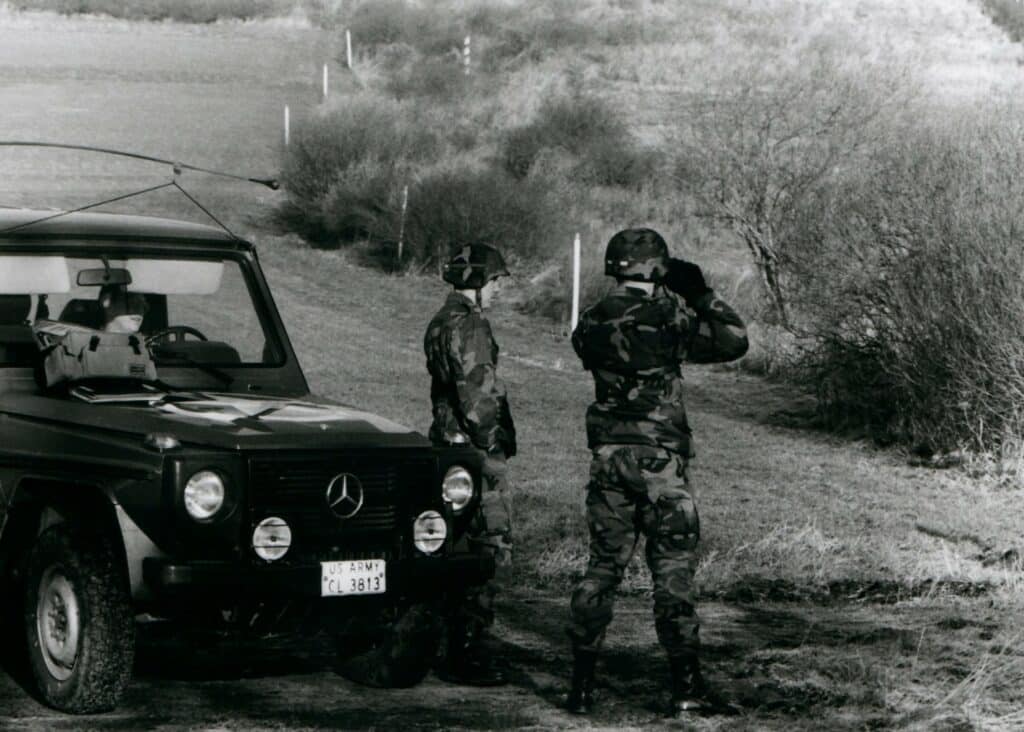
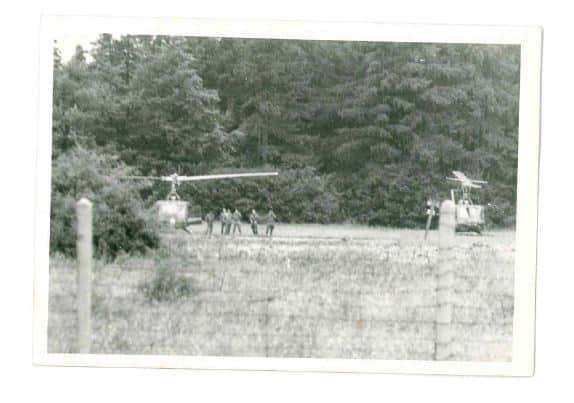
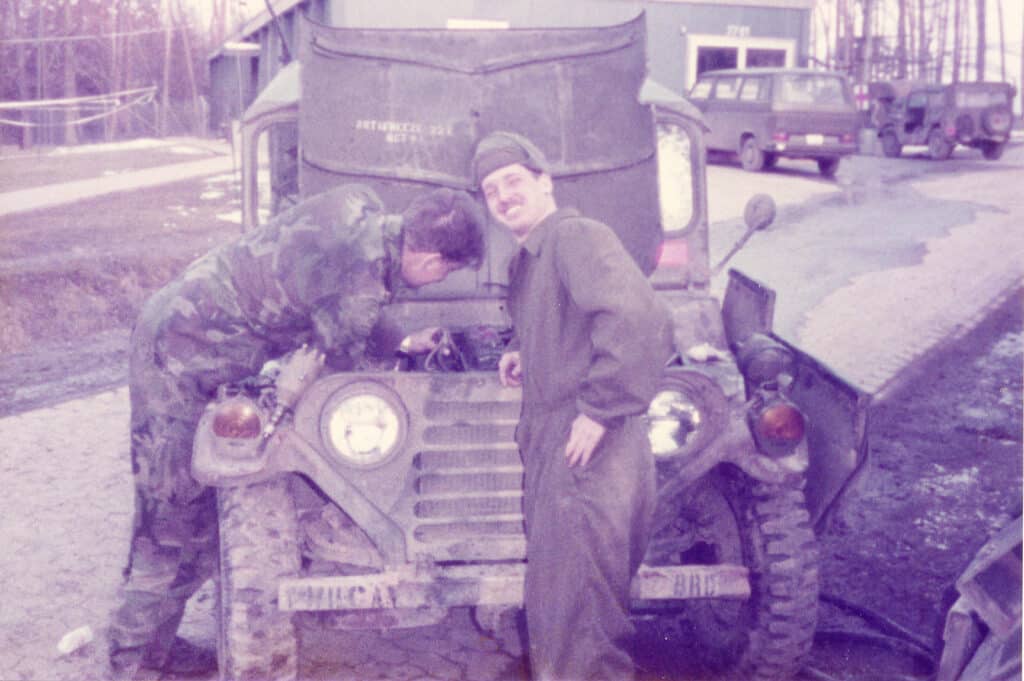
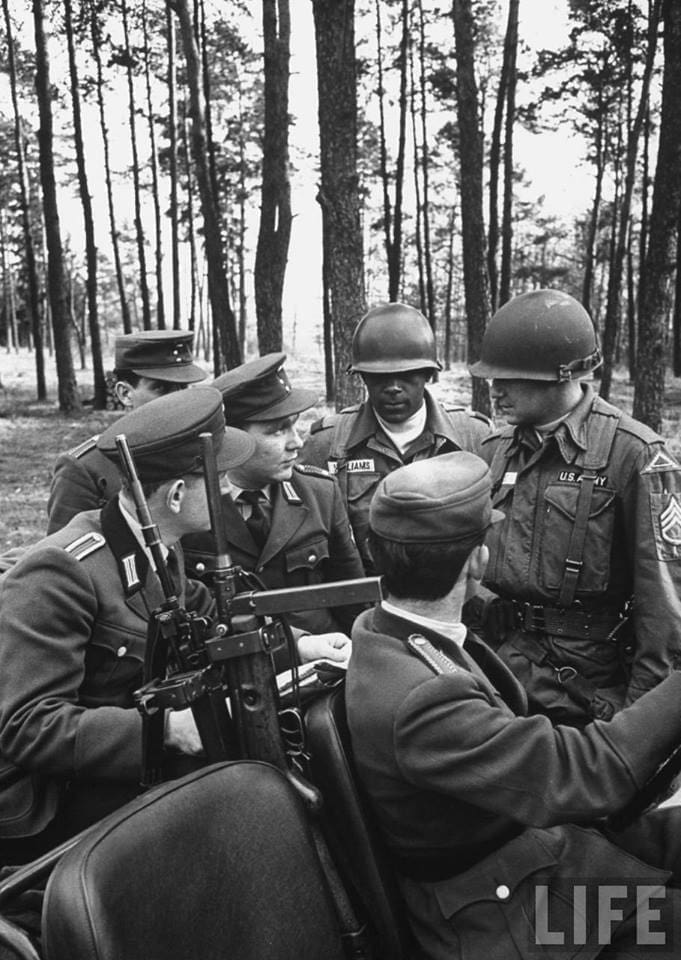
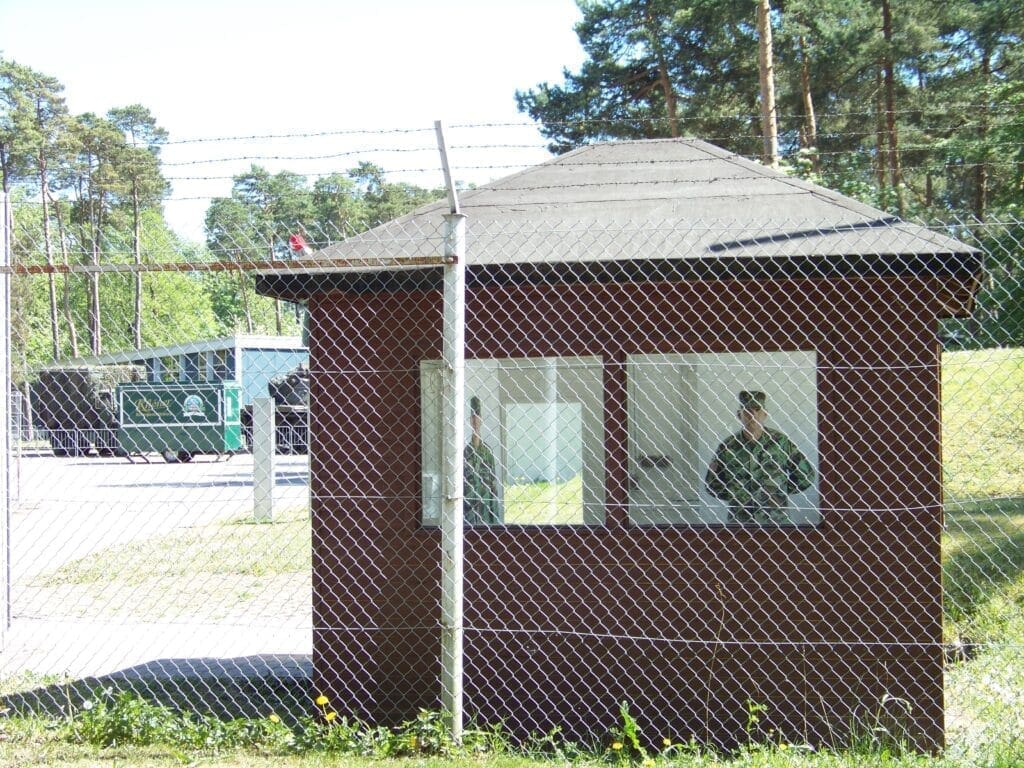
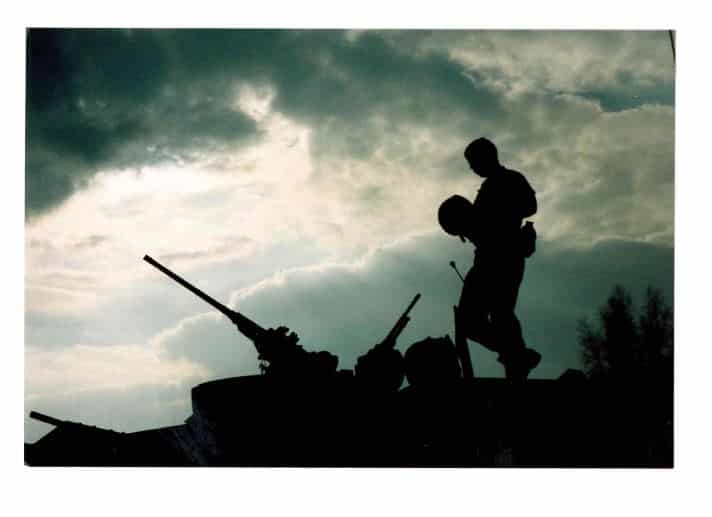
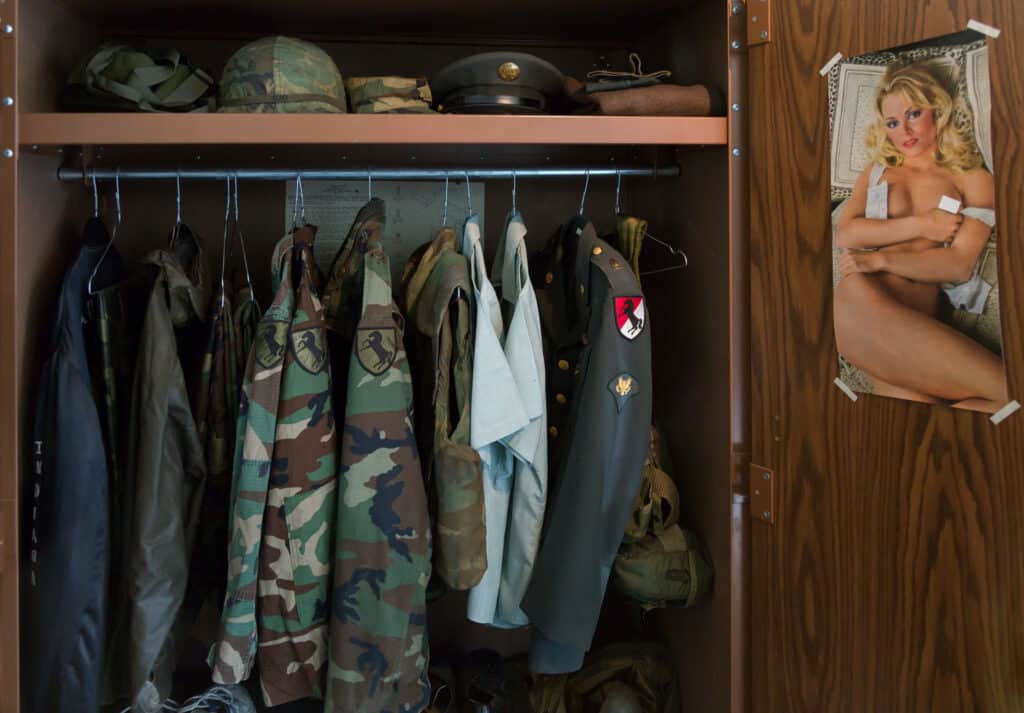
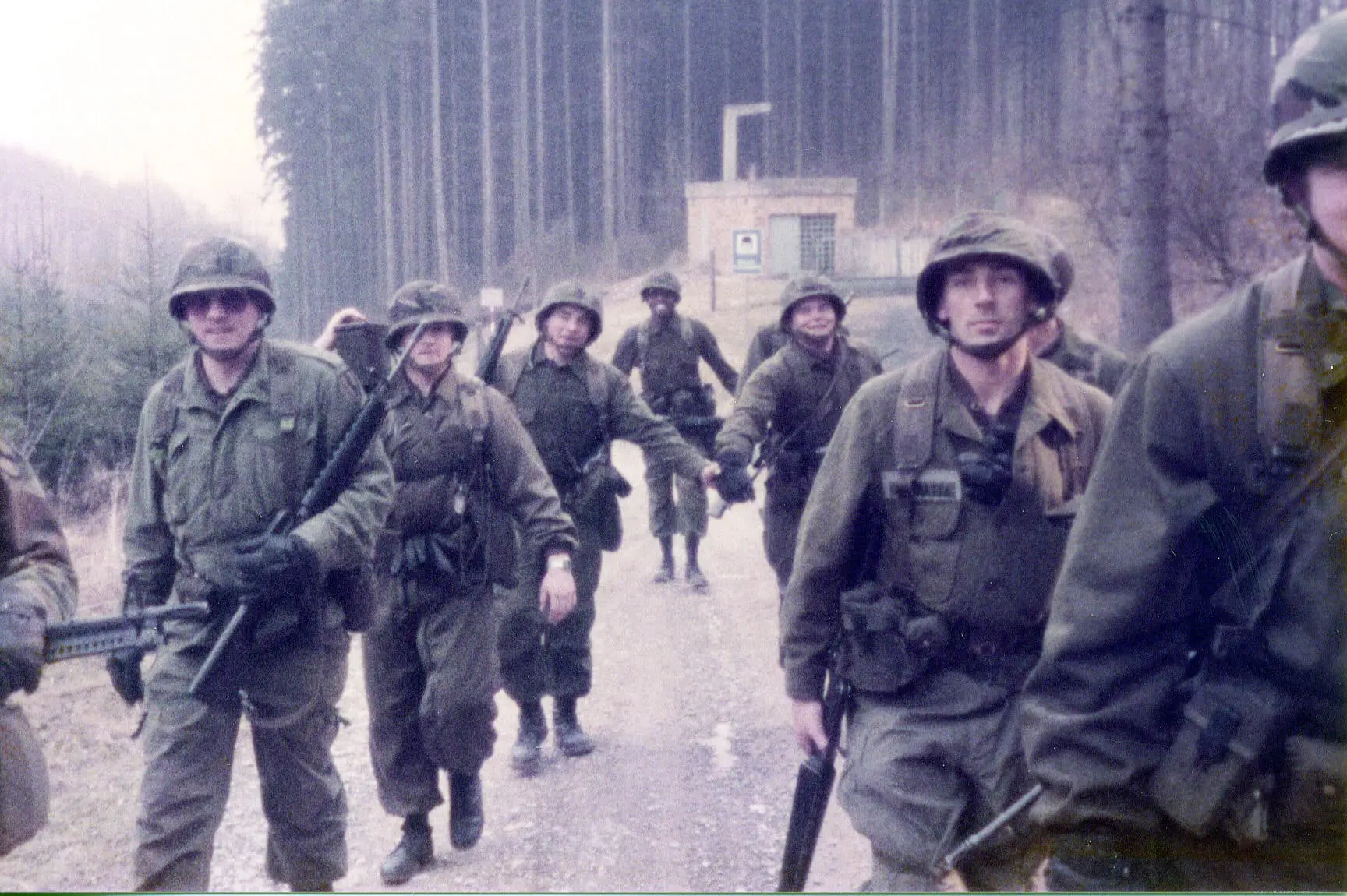
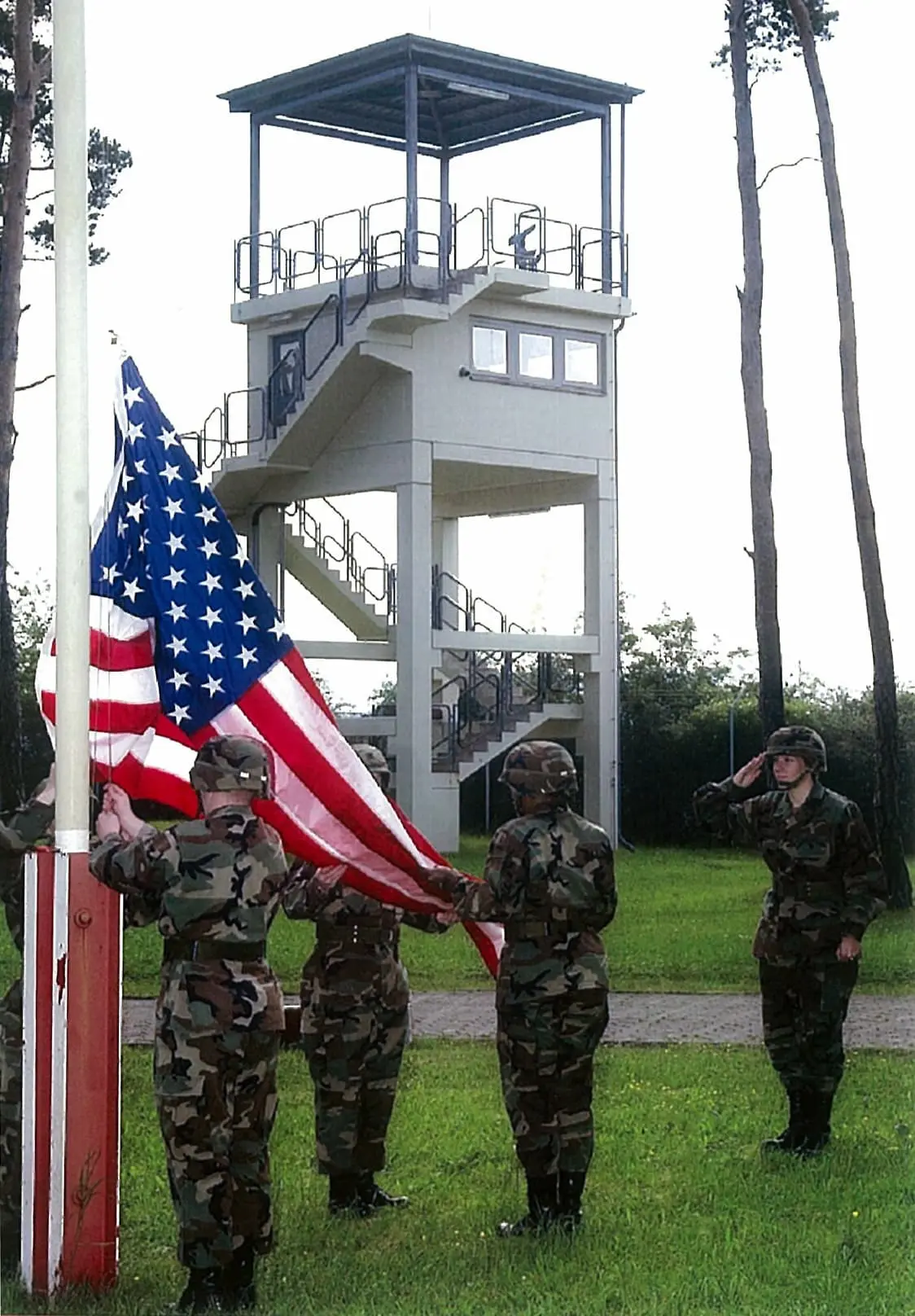
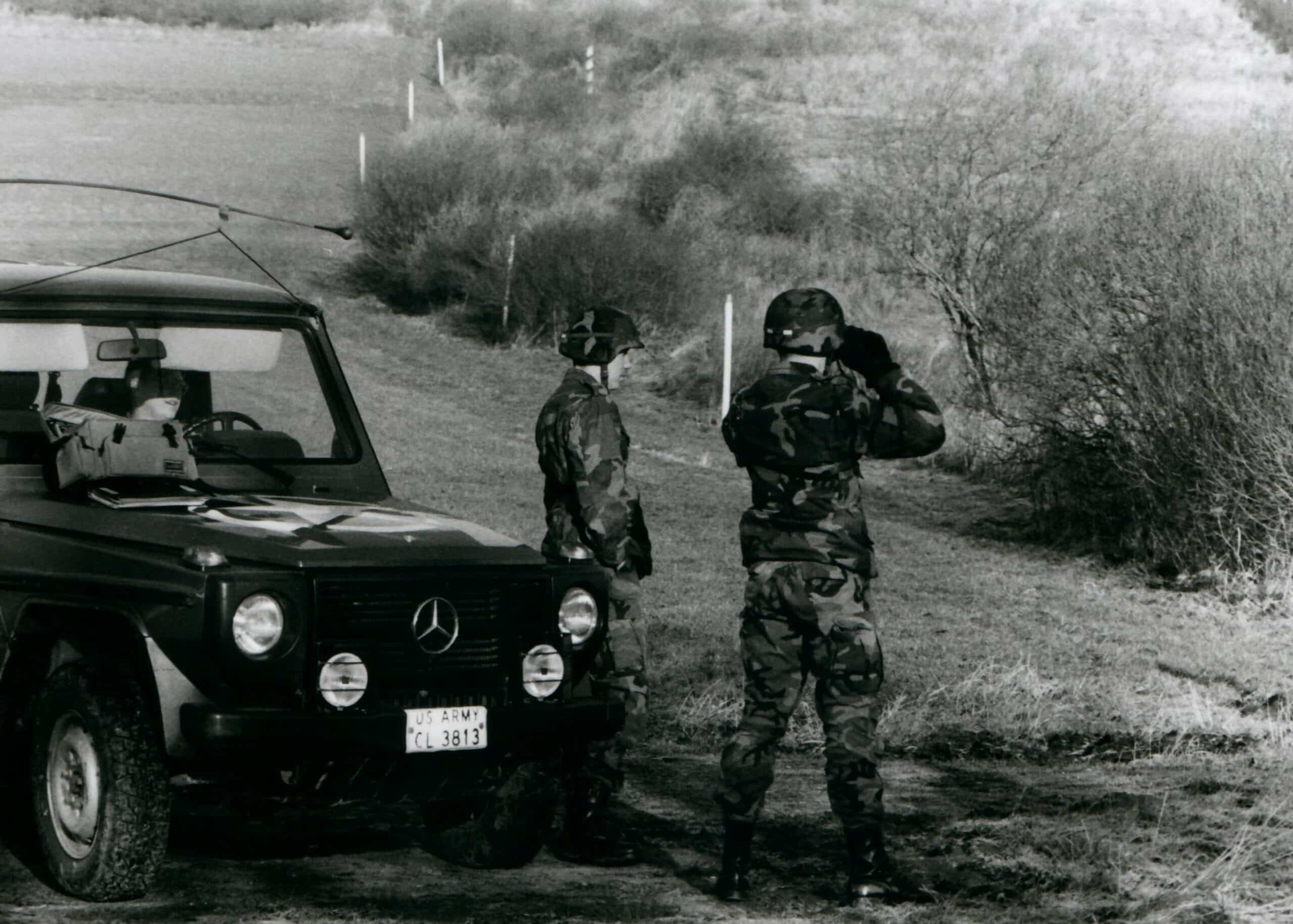
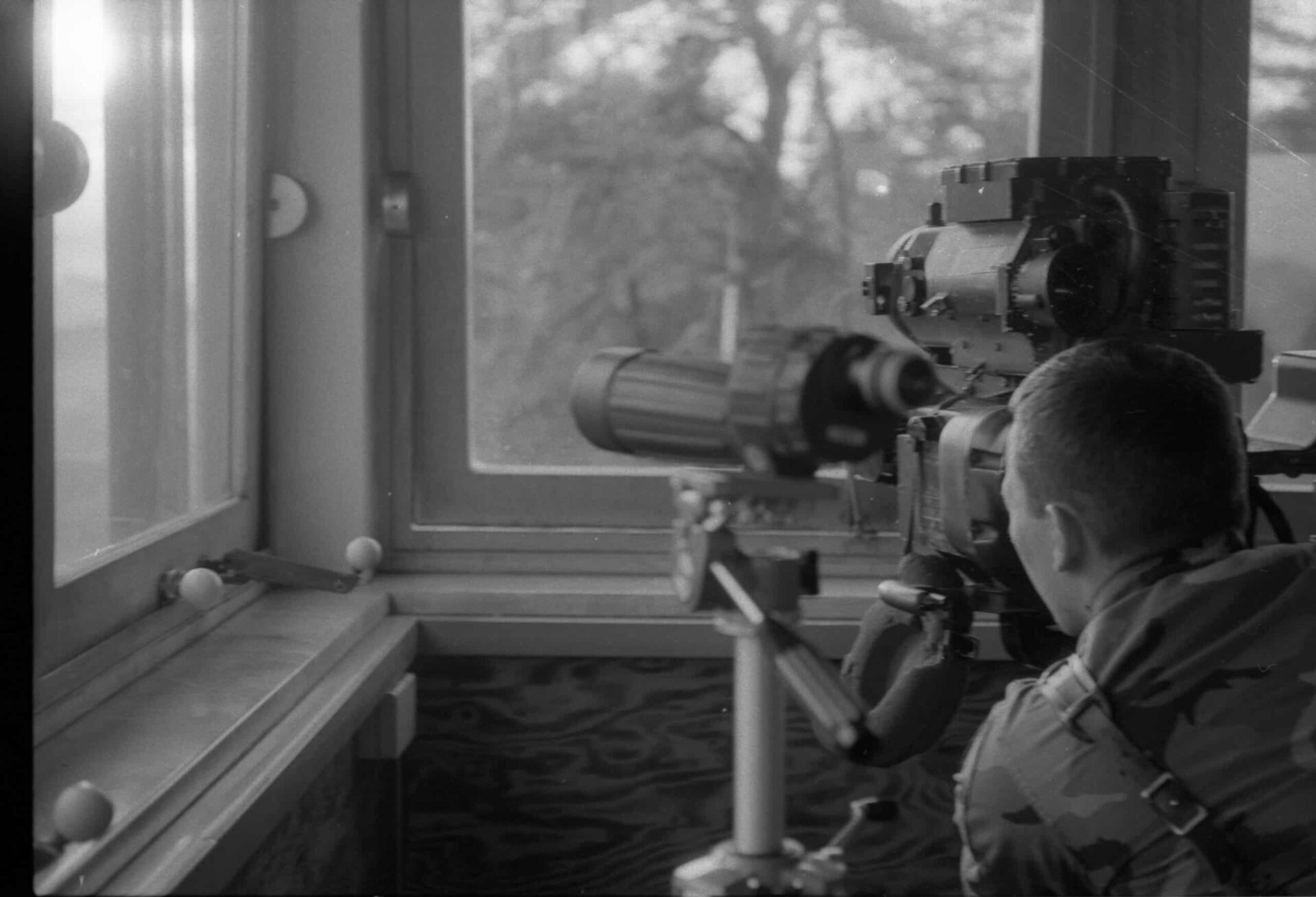
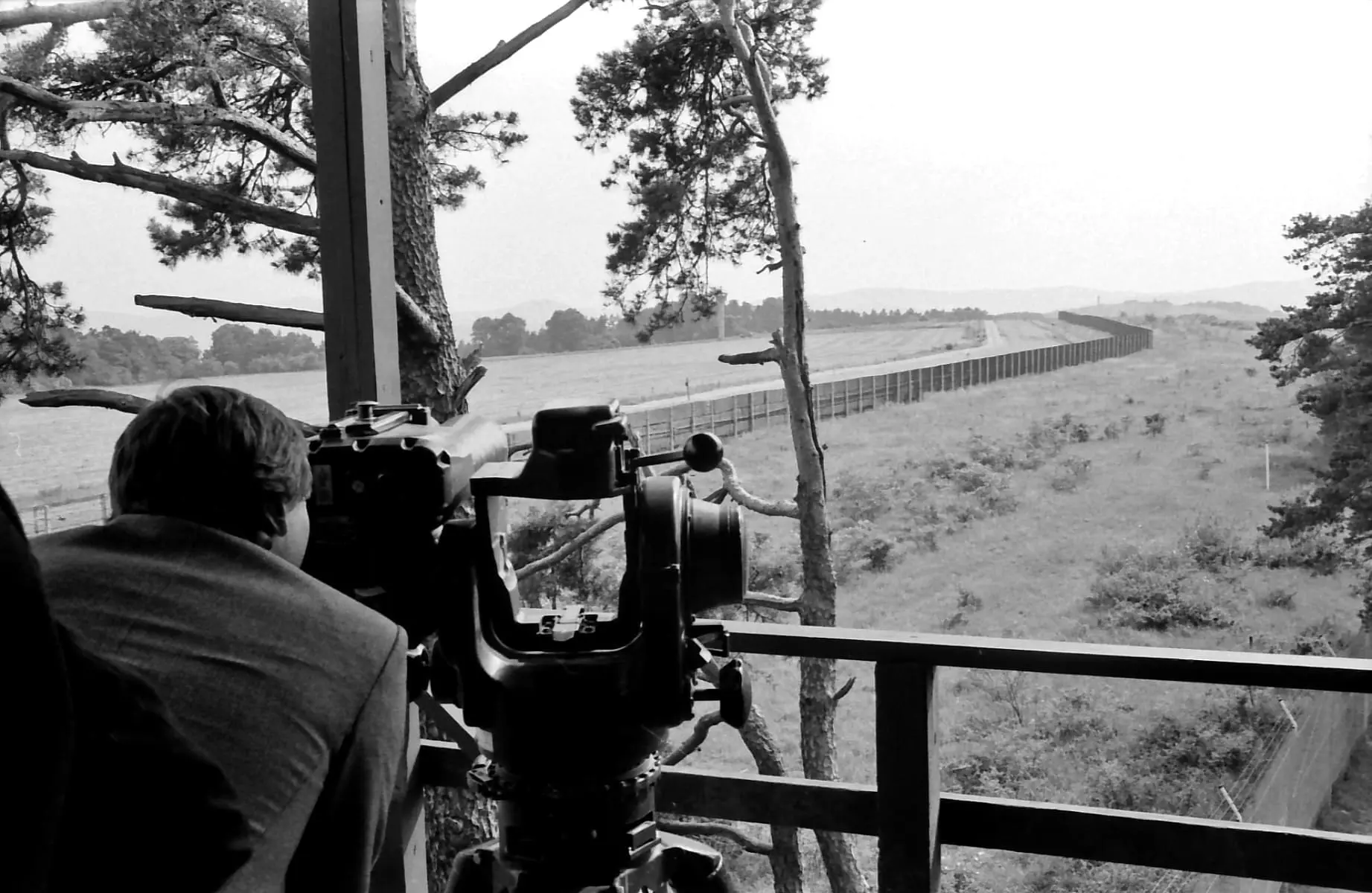
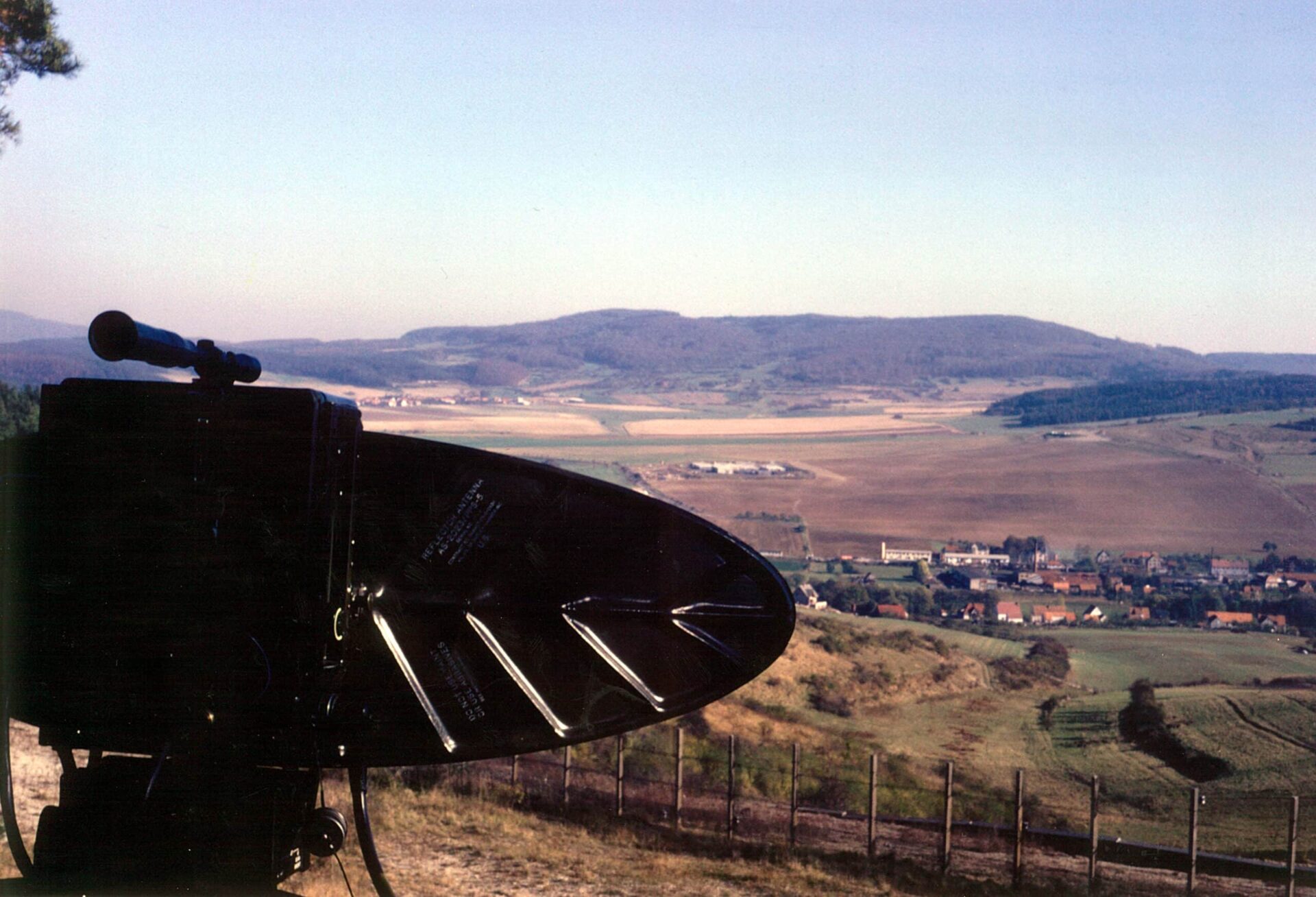
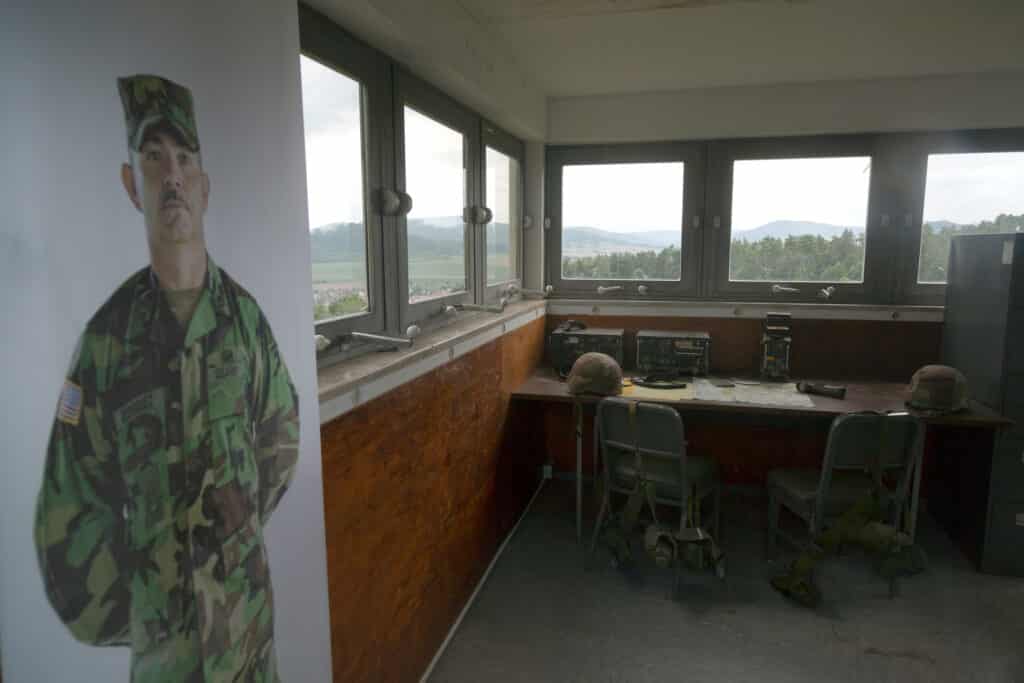
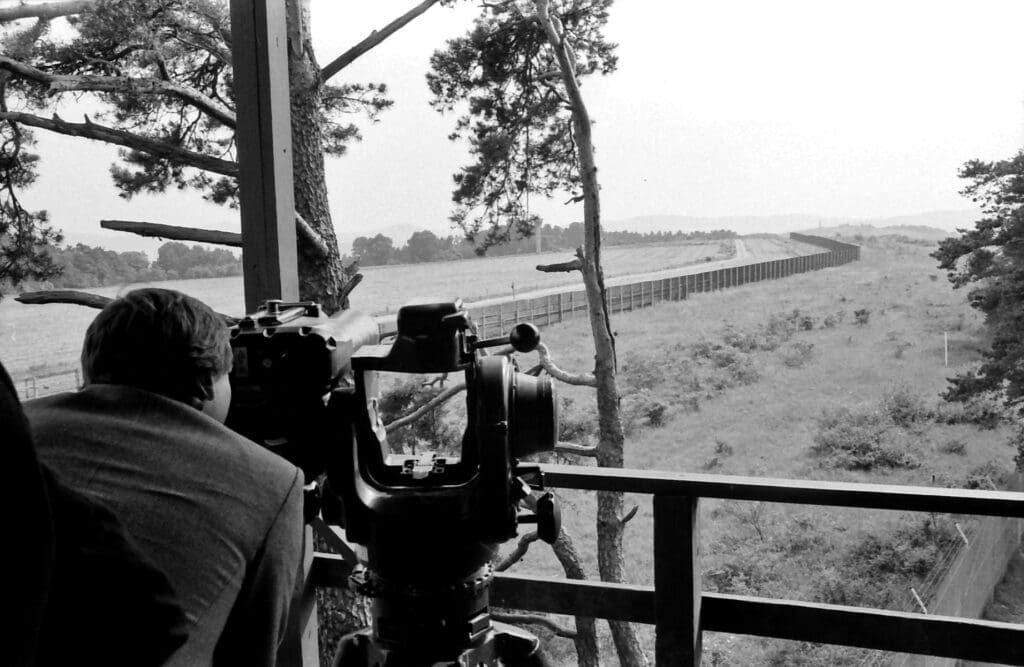
Duty at Point Alpha offered little variety for U.S. Soldiers in the loneliness of the border area. Constant readiness, patrolling, radio monitoring, and the care and maintenance of technology, especially radio technology, determined the military’s daily routine. The alert group was deployed on 24-hour duty to defend Point Alpha. The observation squad performed its duties in the various border sections and on the observation tower. In addition, there was the general patrol duty.
At intervals of four to six weeks, the soldiers on duty at Point Alpha were replaced by a new team. Point Alpha was regularly manned by about 40 soldiers. In crisis situations, it was planned to increase the number of soldiers up to 200. As part of the Border Tour Program, most U.S. Soldiers stationed in Germany visited the inner-German border to get a picture of the military adversary.
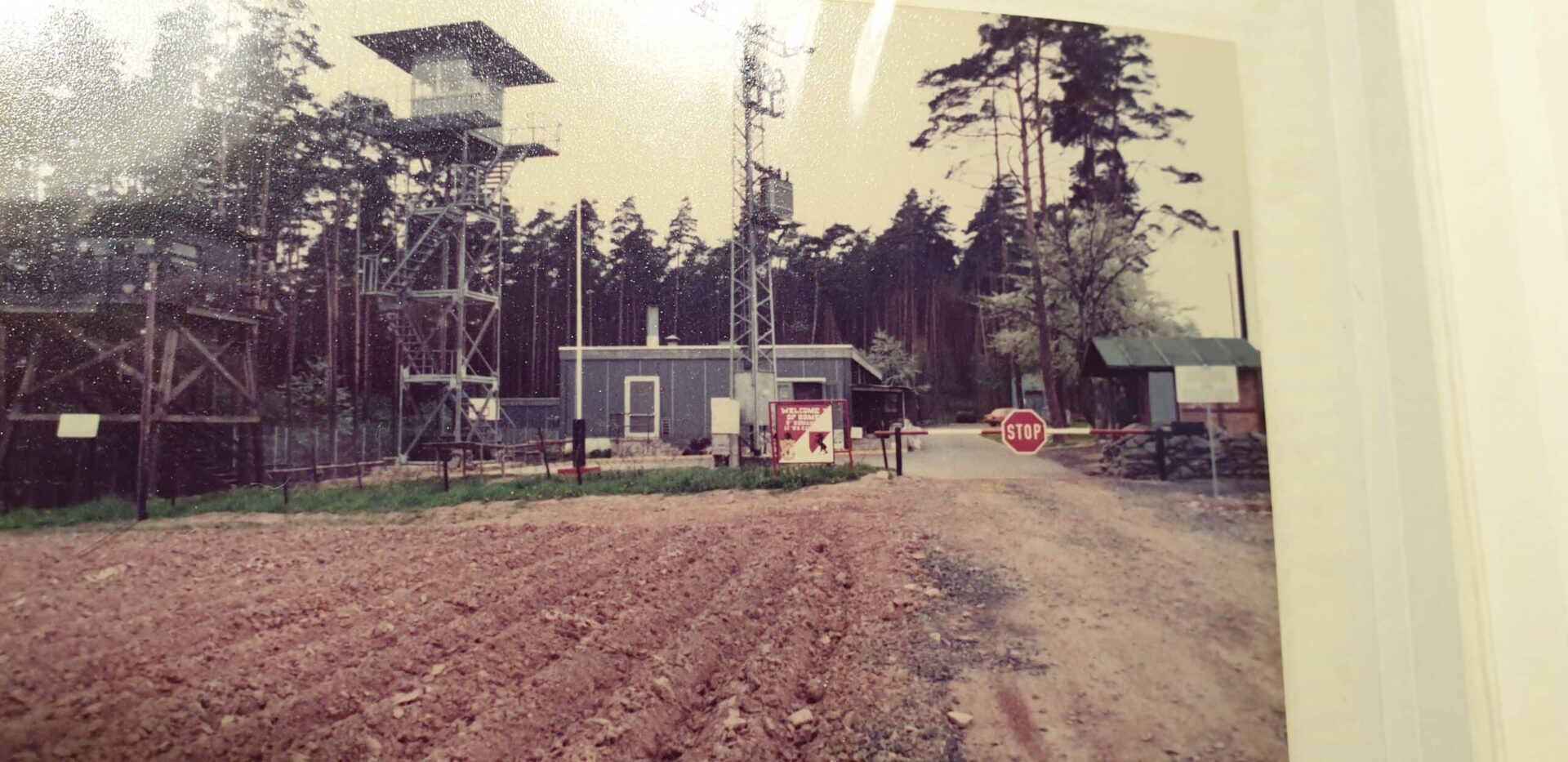
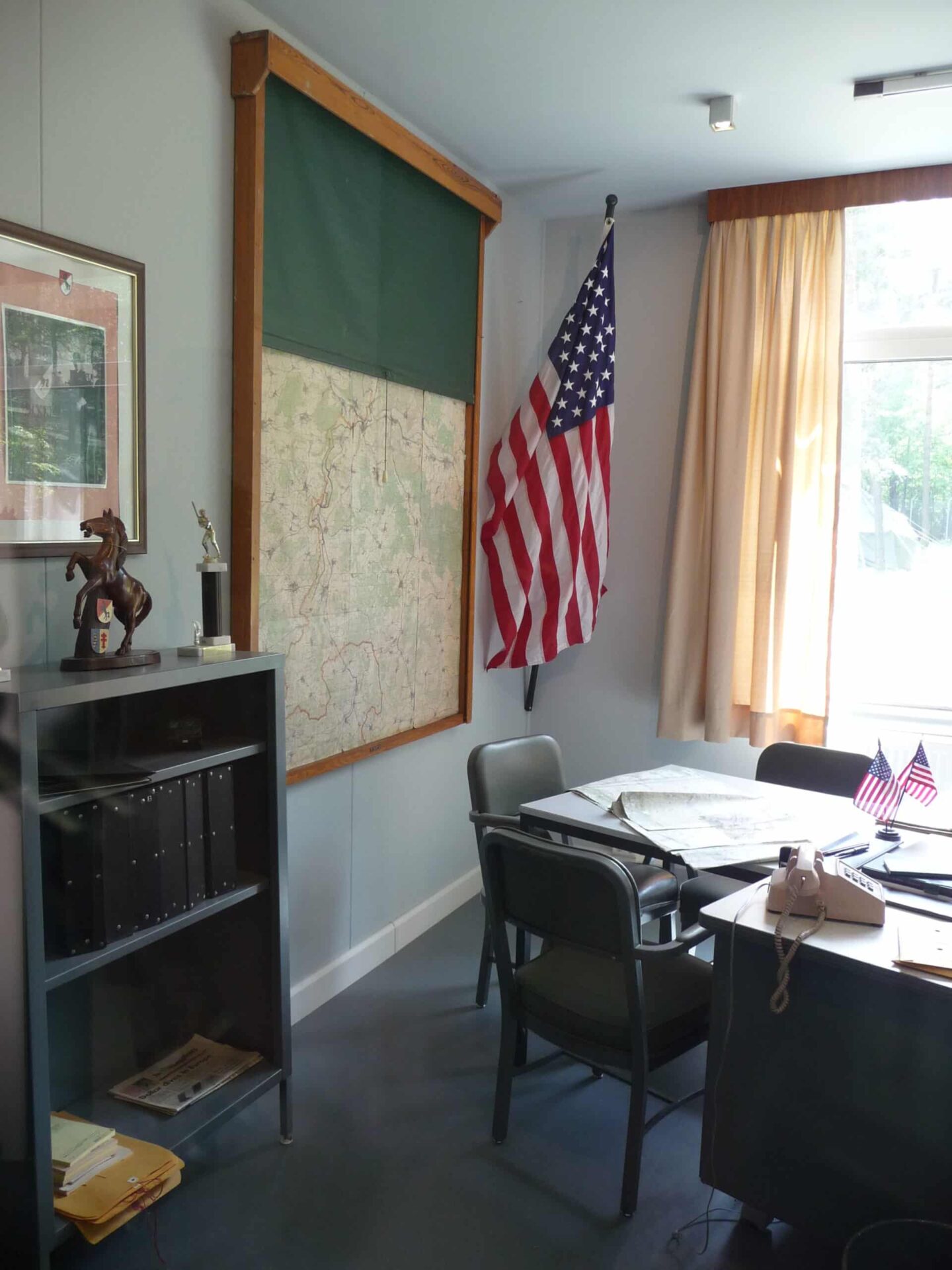
In its early days, the observation post was only sparsely equipped with tents. It was not until 1972 that the U.S. Army erected massive barracks on the site for troop housing, administrative offices and a canteen. In order to maintain the operation of the observation post as independently as possible, Point Alpha had its own water supply, a gas station, and a motor pool so that vehicle maintenance and minor repairs could be carried out on site.
Strategic Importance of Point Alpha
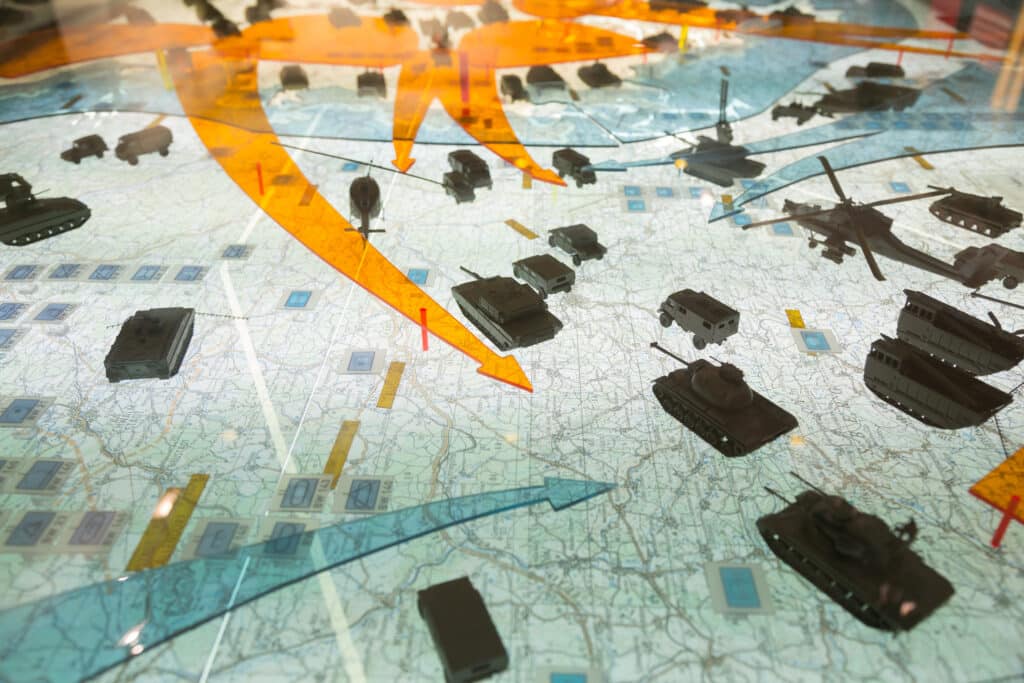
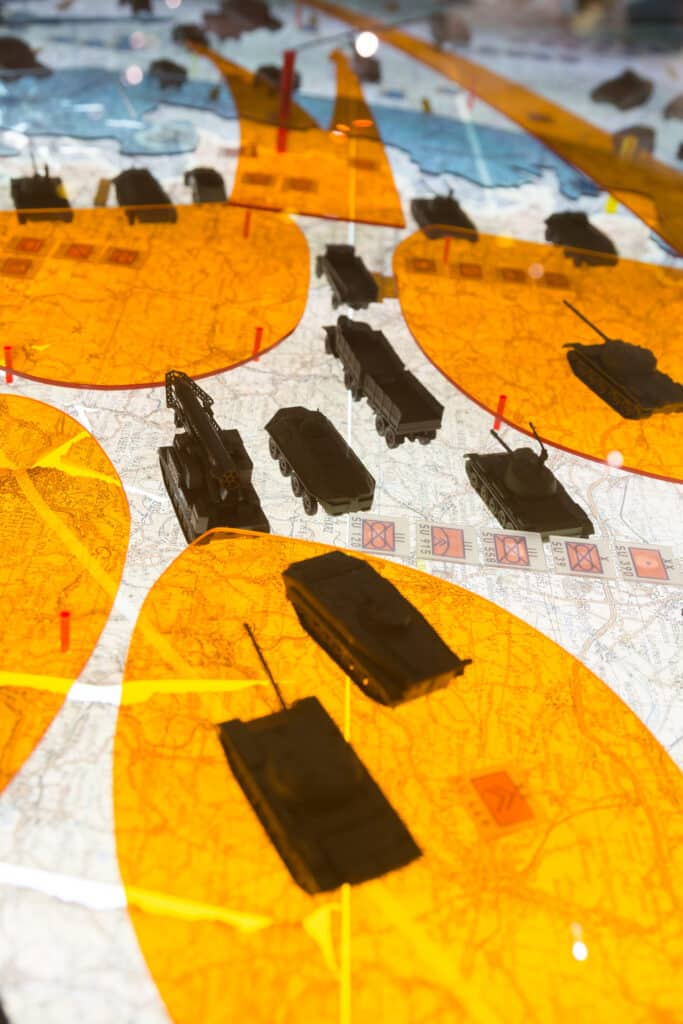
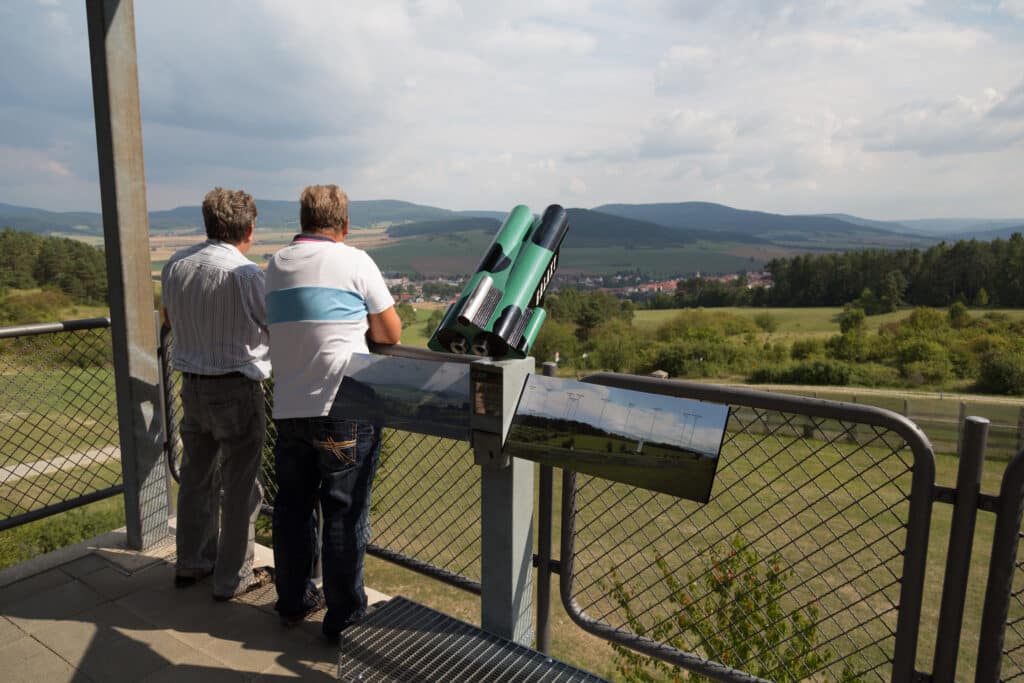
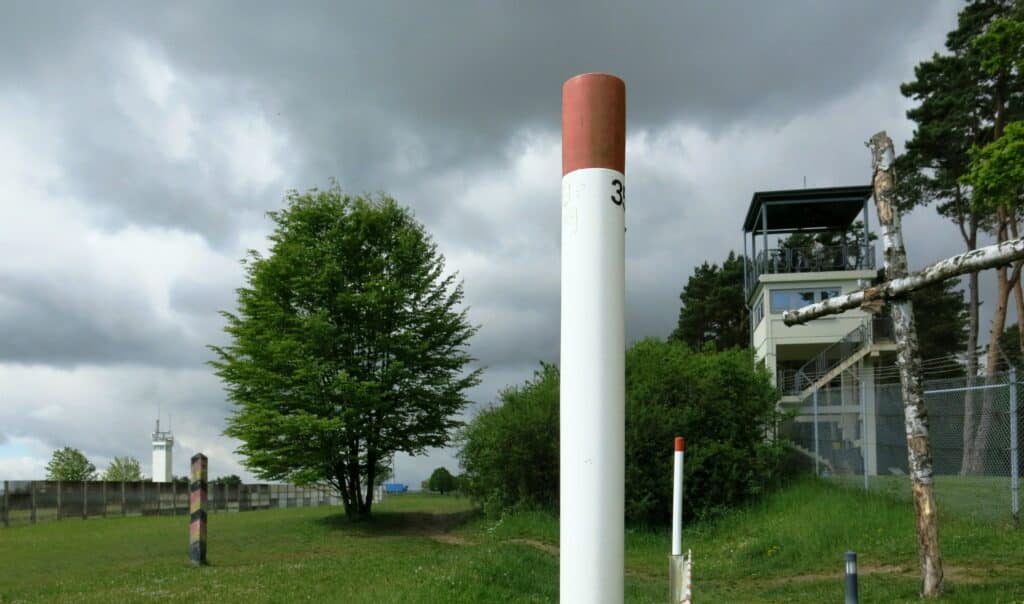
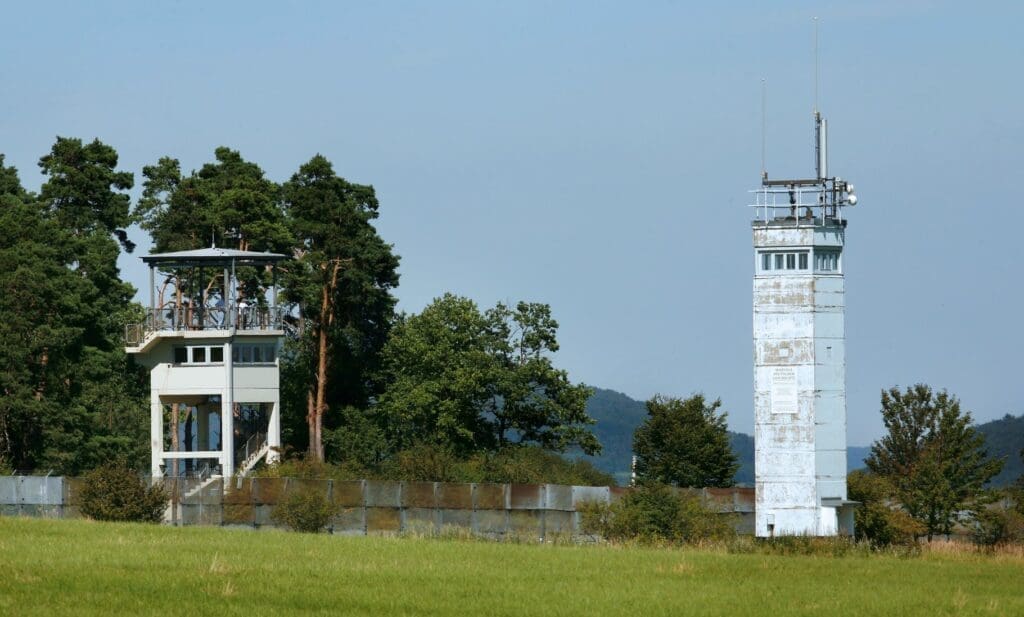
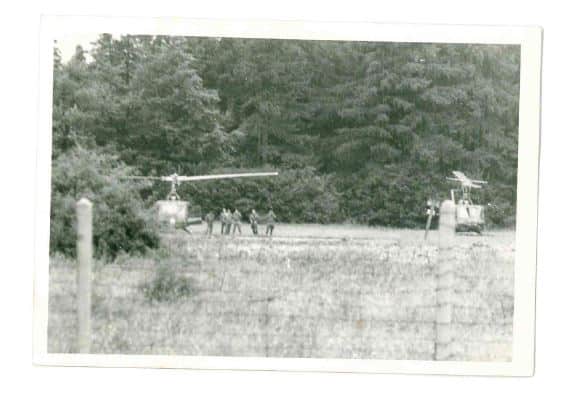
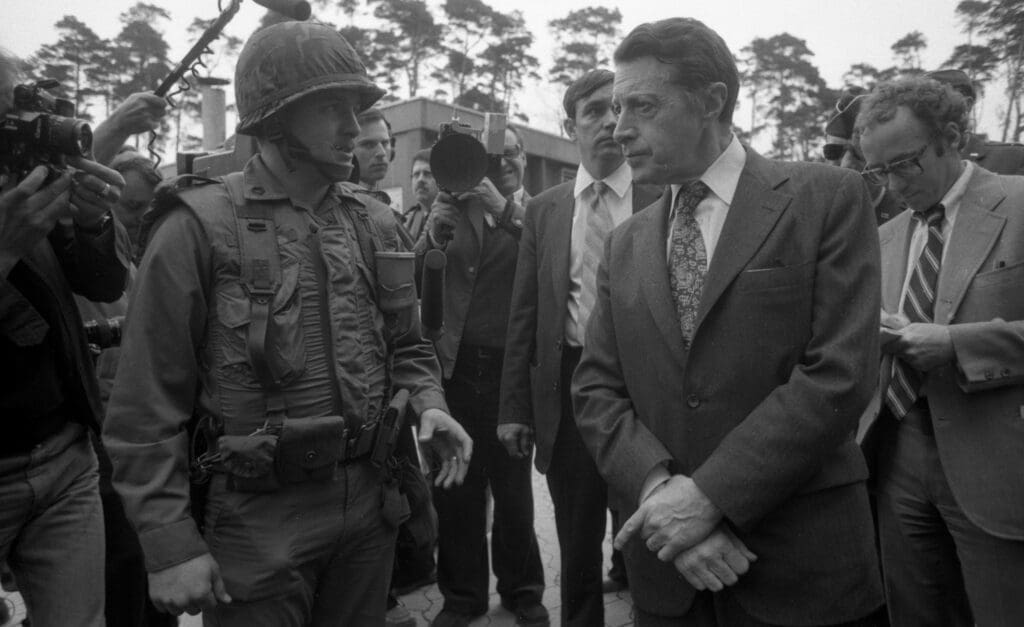
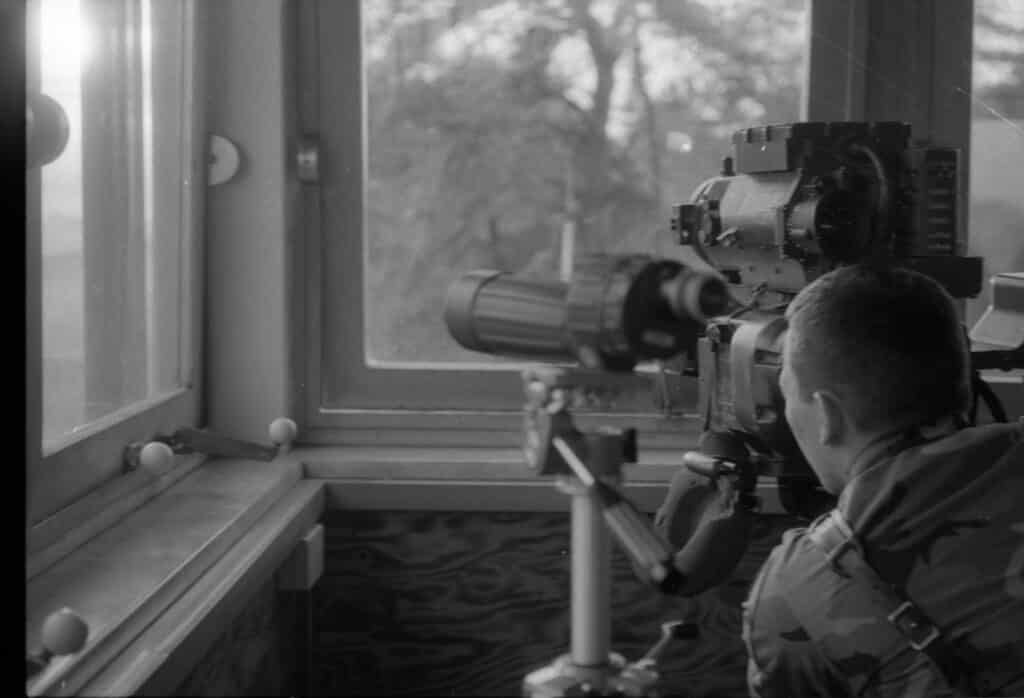
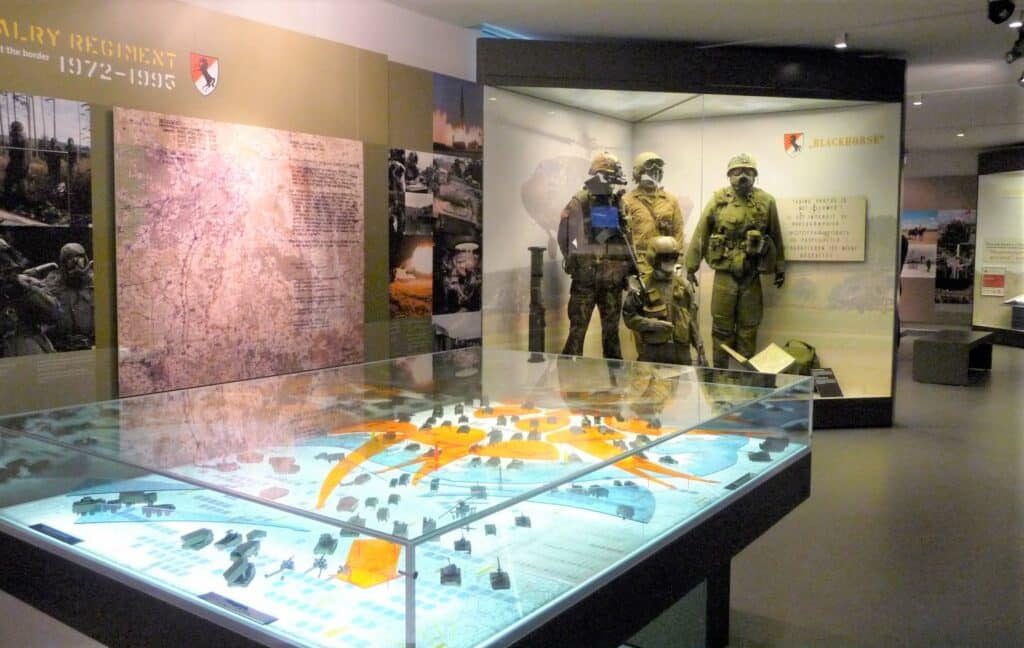
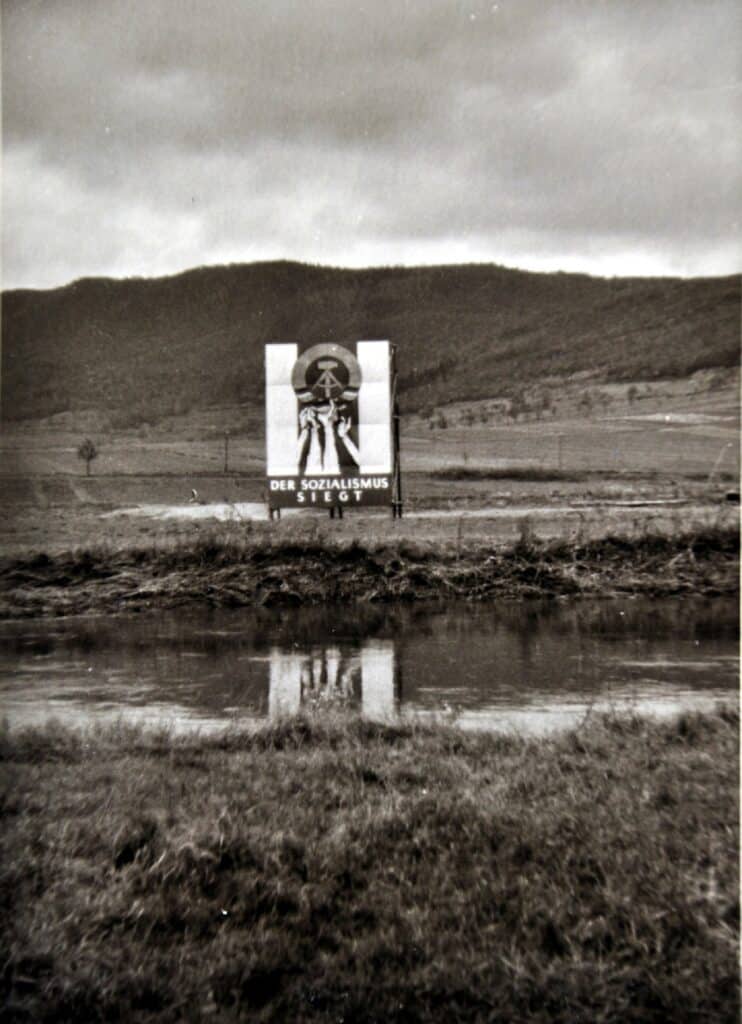
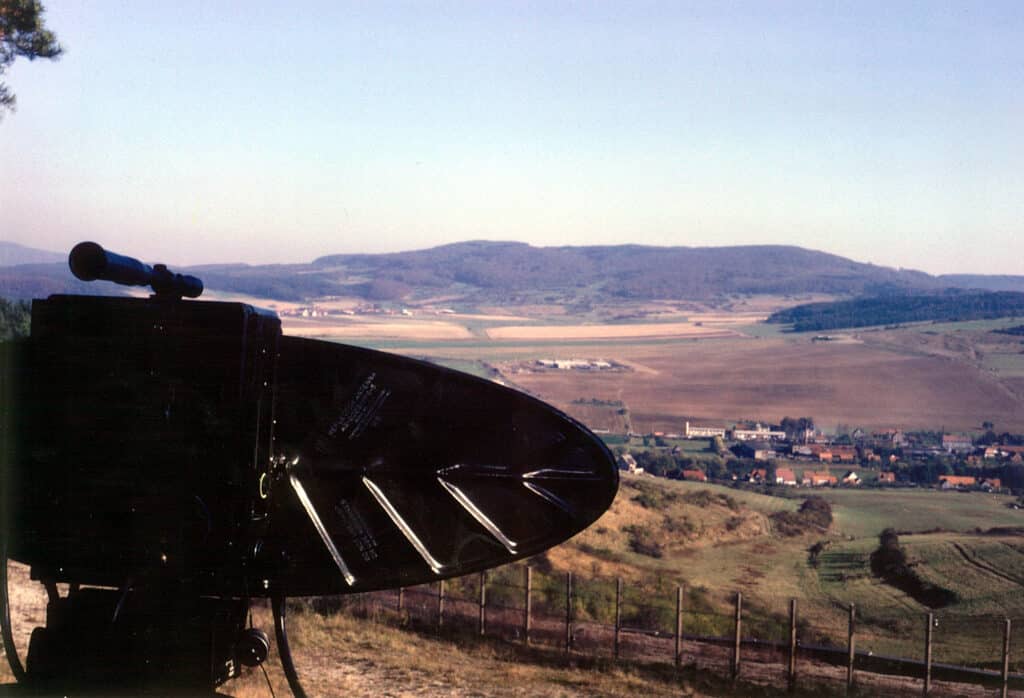
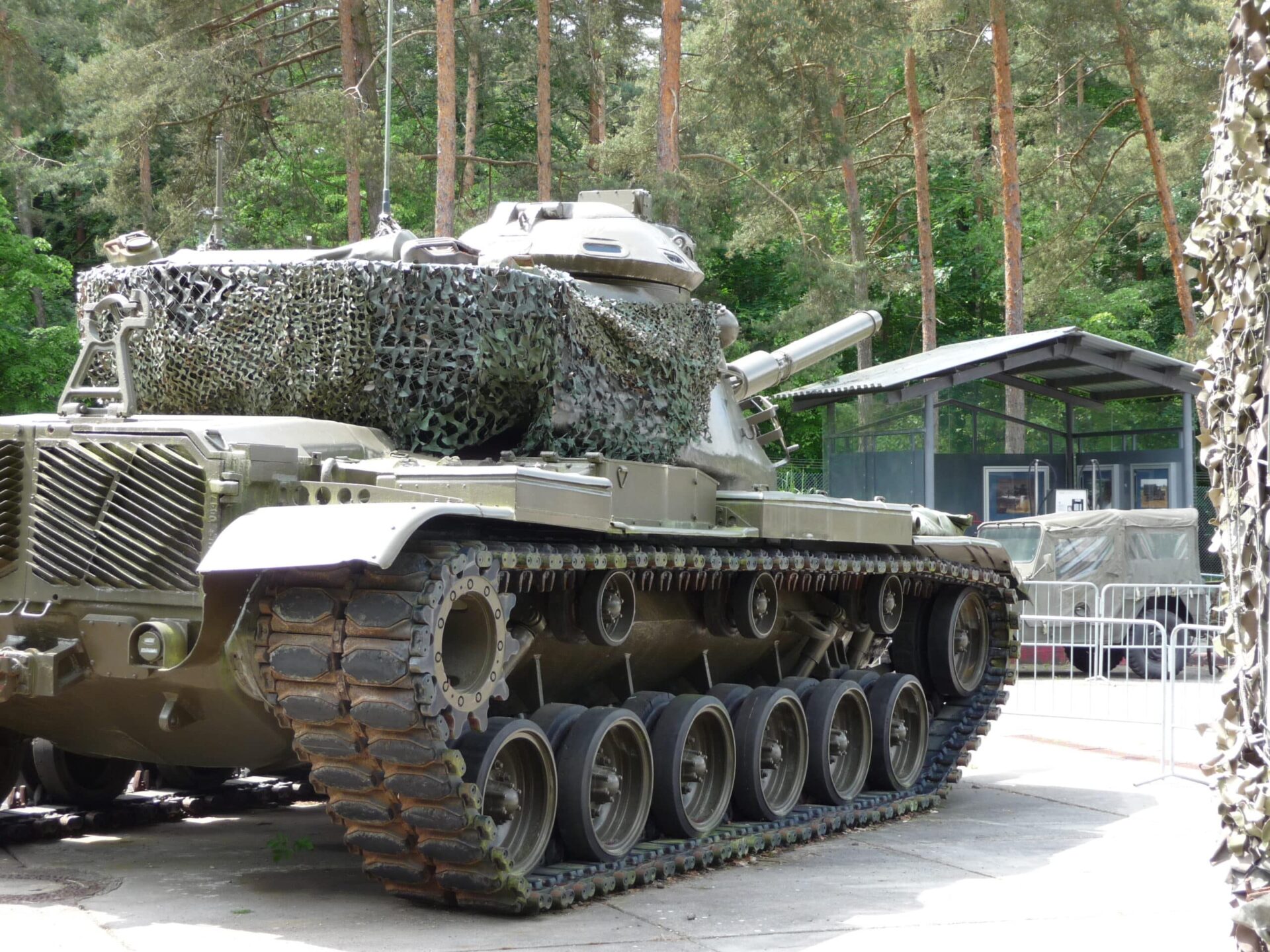
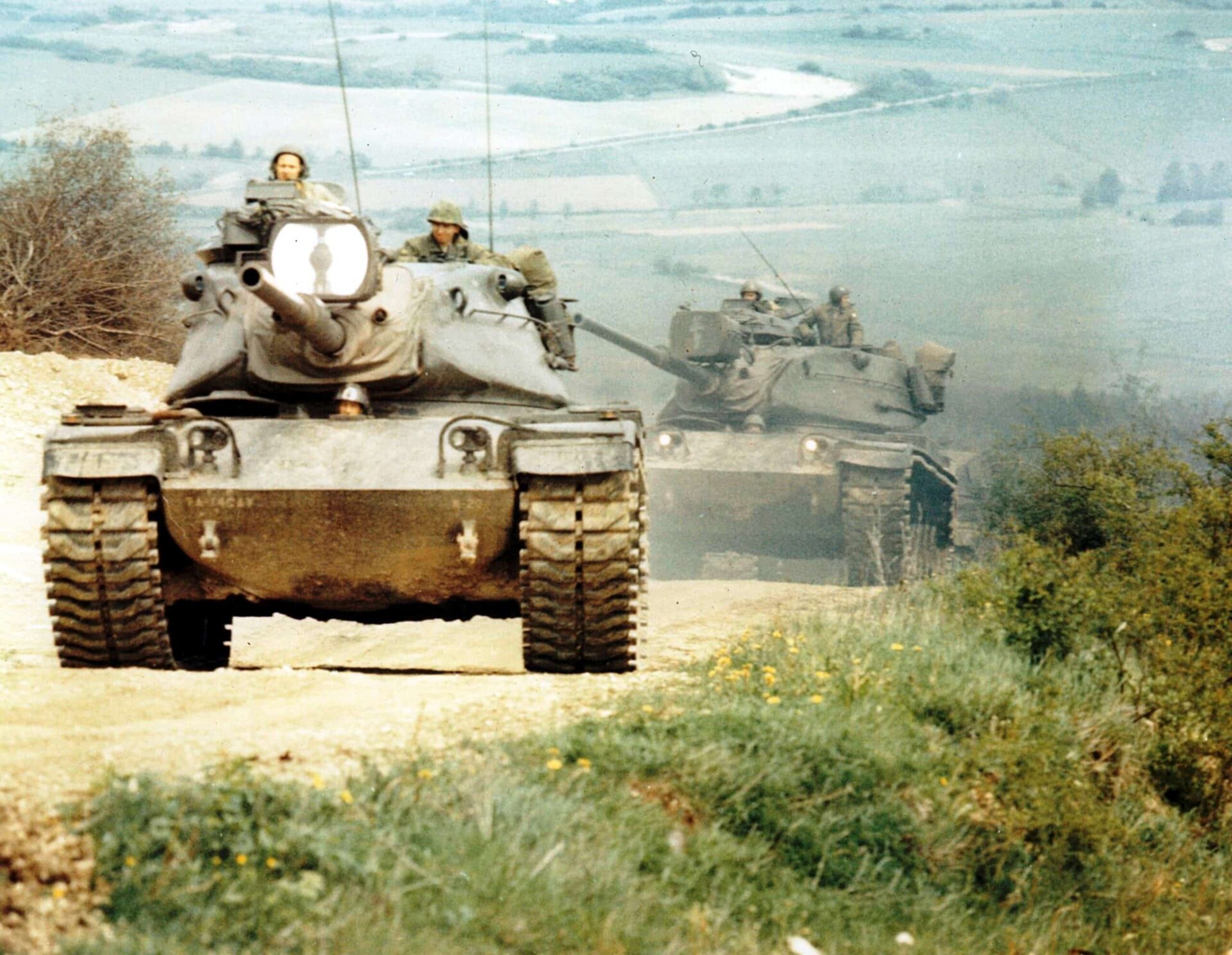
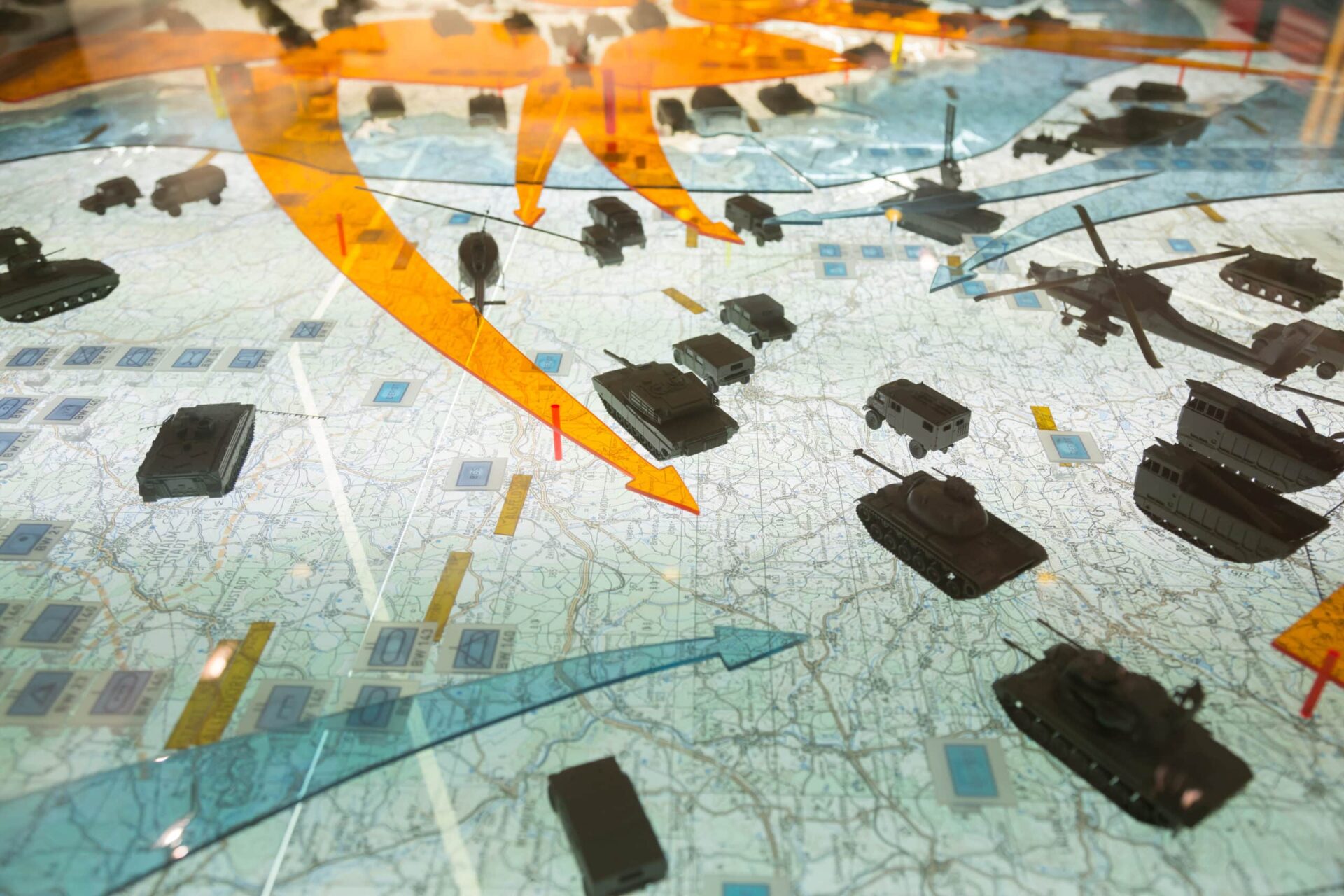
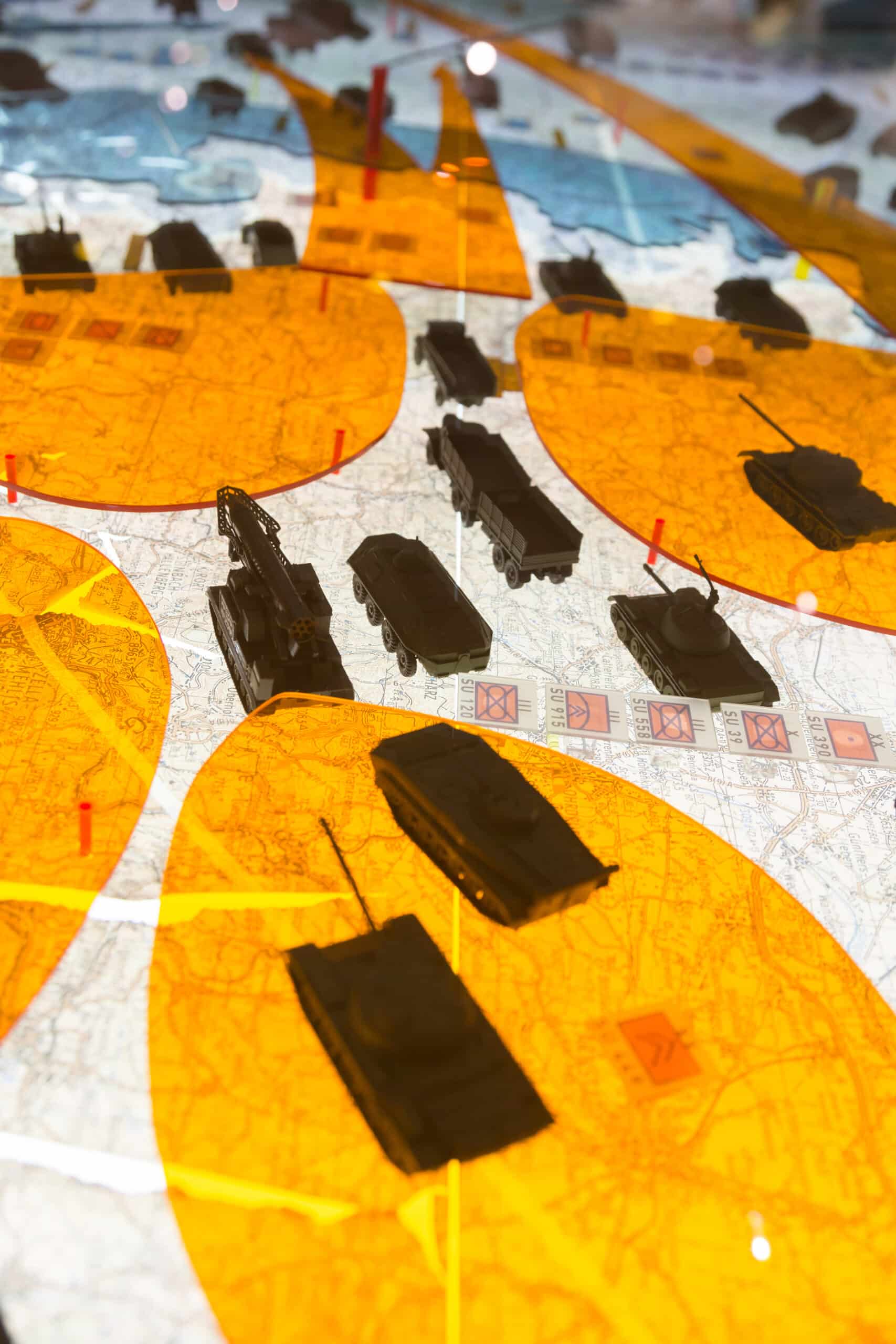
The Fulda Gap (German: Fulda-Lücke) was located in the center of the NATO defense line and was considered by NATO planners as one of the four possible Warsaw Pact incursion routes into the Federal Republic of Germany. Favored by its geo-strategic location, the Fulda Gap was of special importance. Here, where the Eastern Bloc extended furthest into the West, the attackers could have advanced to the Rhine within only 48 hours and eliminated the main locations of the U.S. Army’s V Corps. The Fulda Gap would thus have become the first battlefield of World War III. A barrier, a red line in front of today’s “Black Horse Inn” cafeteria in the U.S. Camp marks the location which war would have been triggered: U.S. Army tanks were allowed to drive up to this point; anything else might have been interpreted by the other side as a border provocation.
Recent research on Warsaw Pact files suggests that nuclear weapons would also have been used in an attack. NATO deliberations also included the use of nuclear weapons to stop a numerically superior adversary. Prepared with or for the insertion of explosives, shafts and barriers were intended to slow enemy advancement along roads. Original examples are on display at the memorial.
"Everyday Life - German-American Daily Life in the “Fulda Gap” in the Shadow of the Cold War."
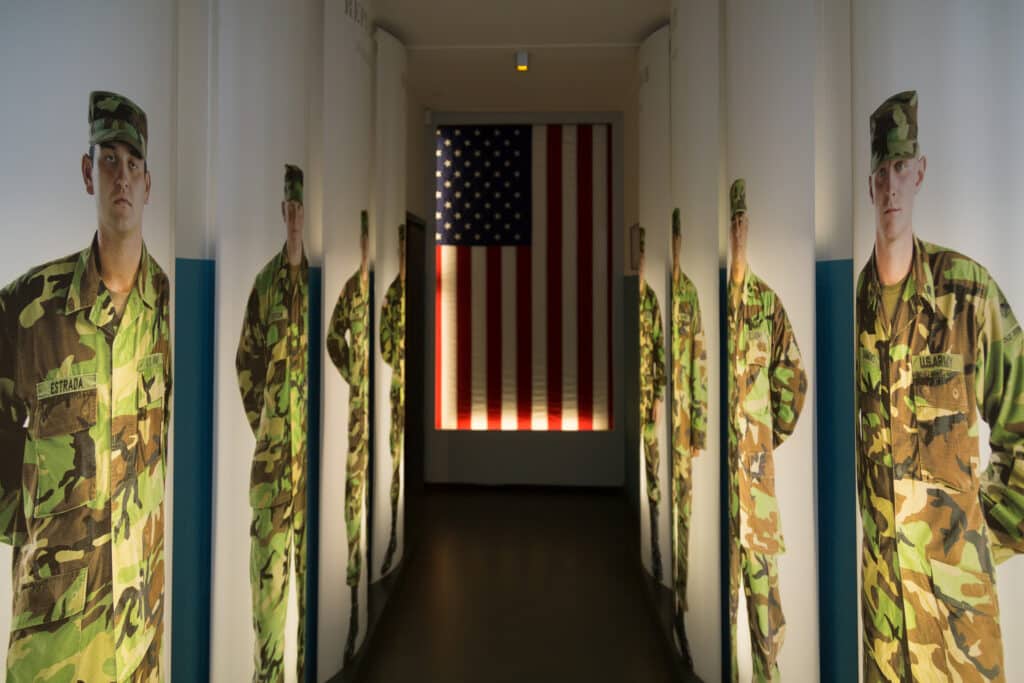
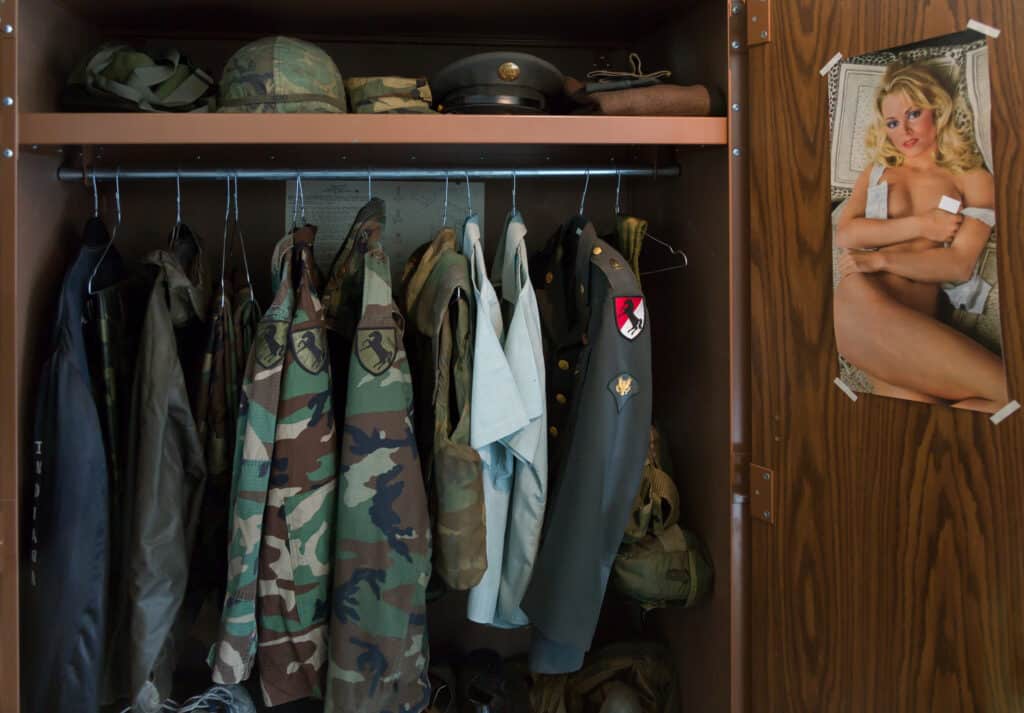
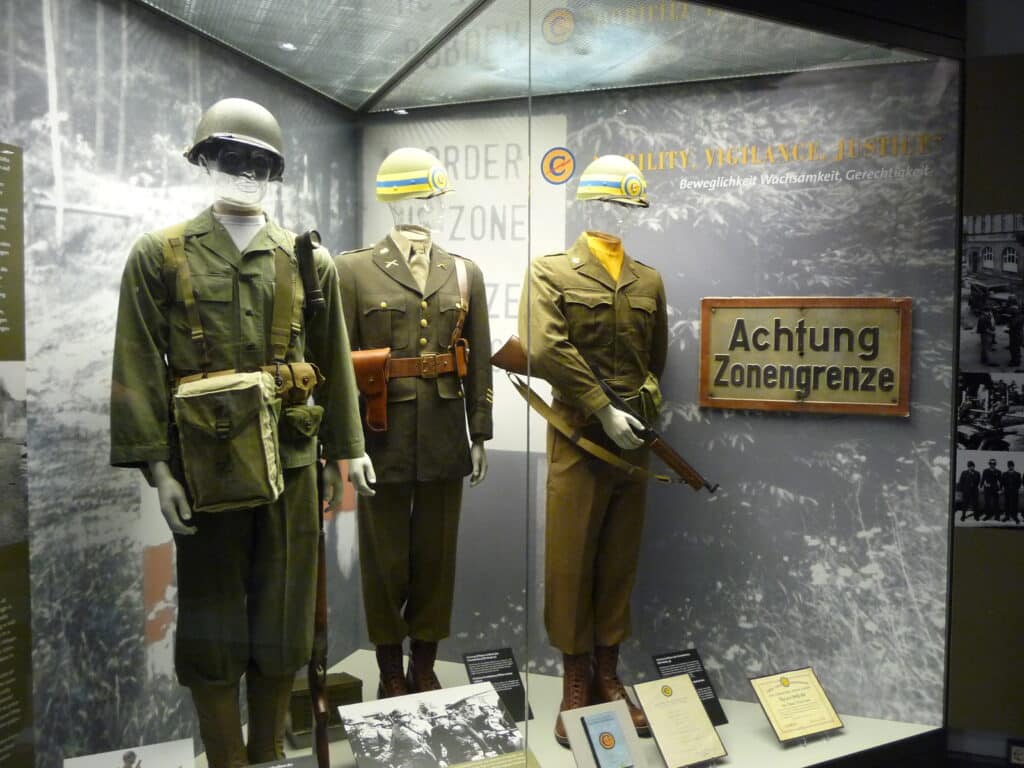
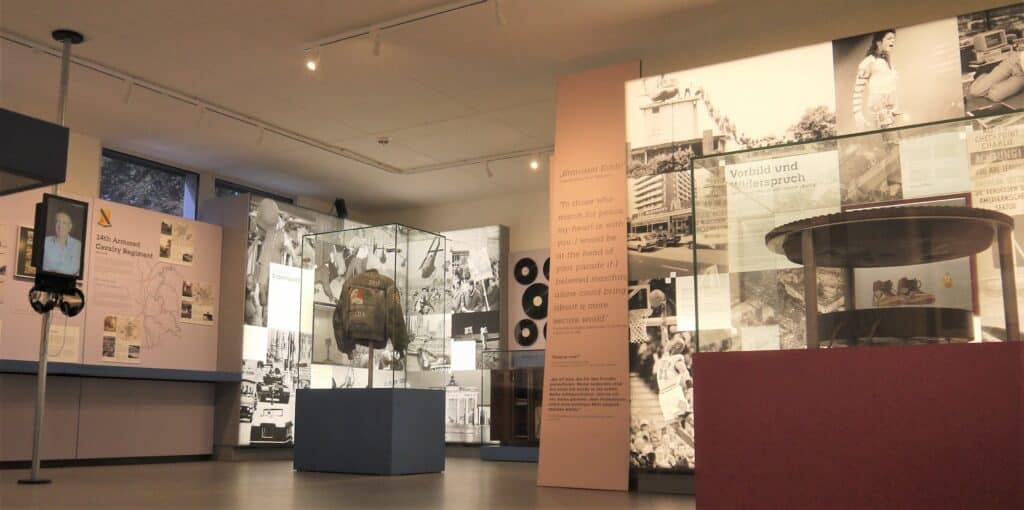
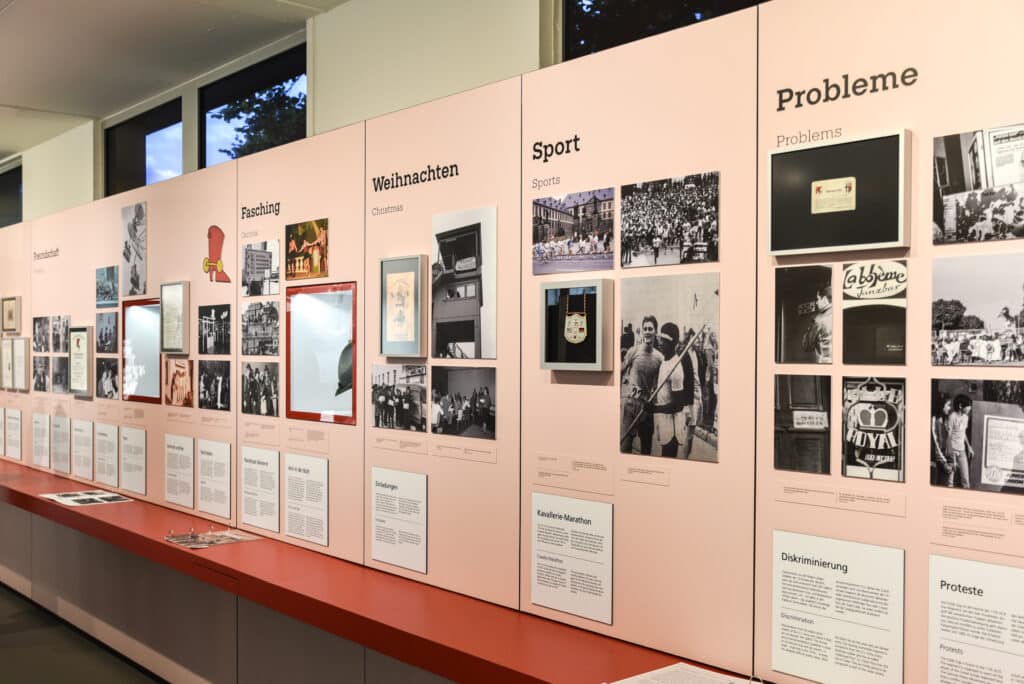
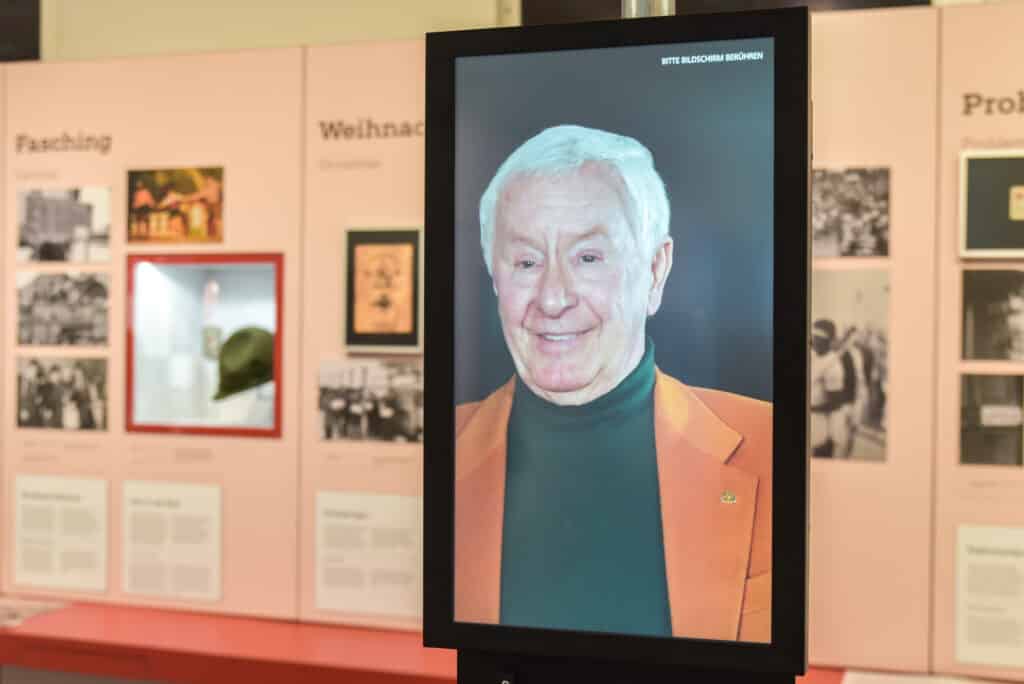
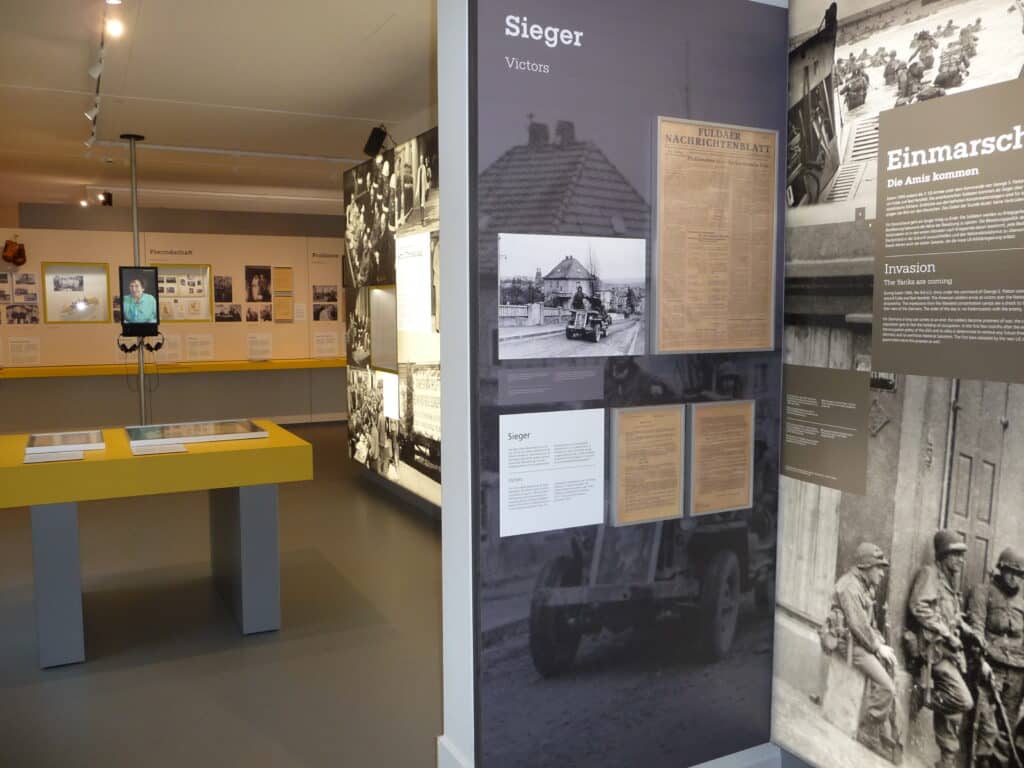
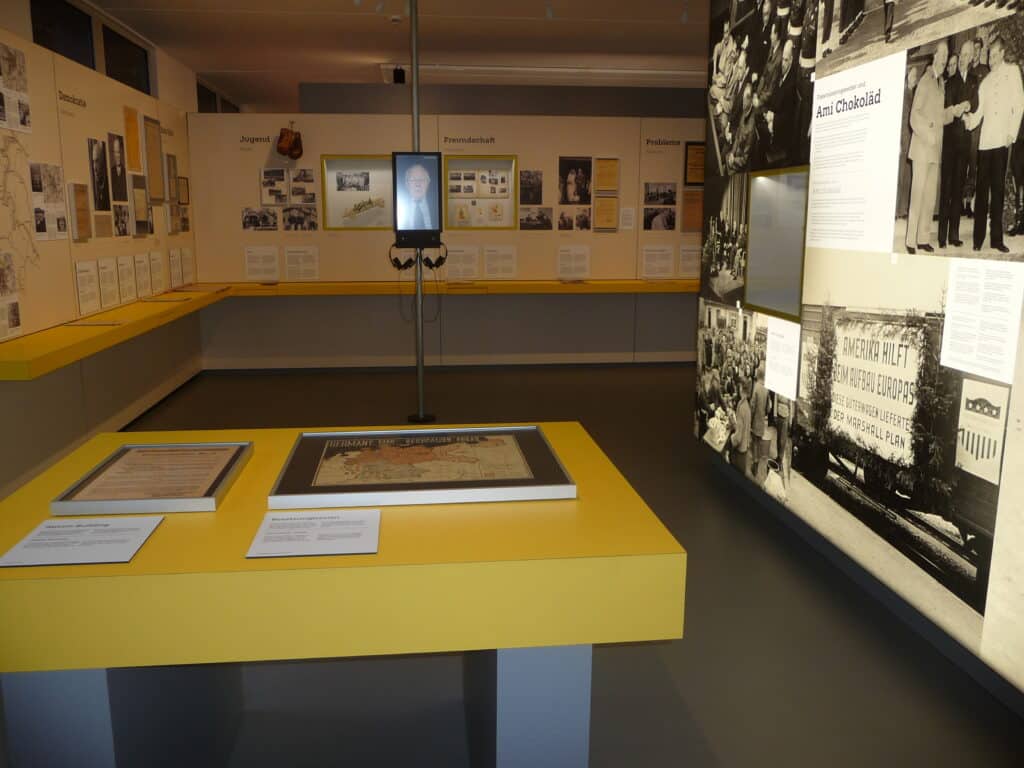
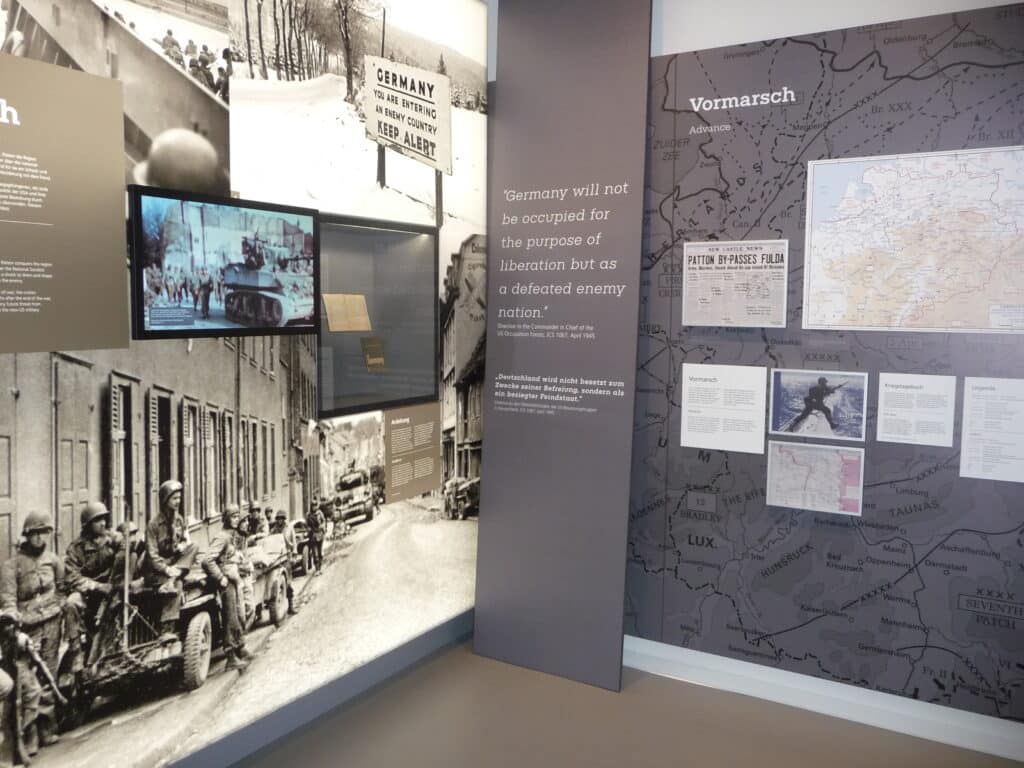
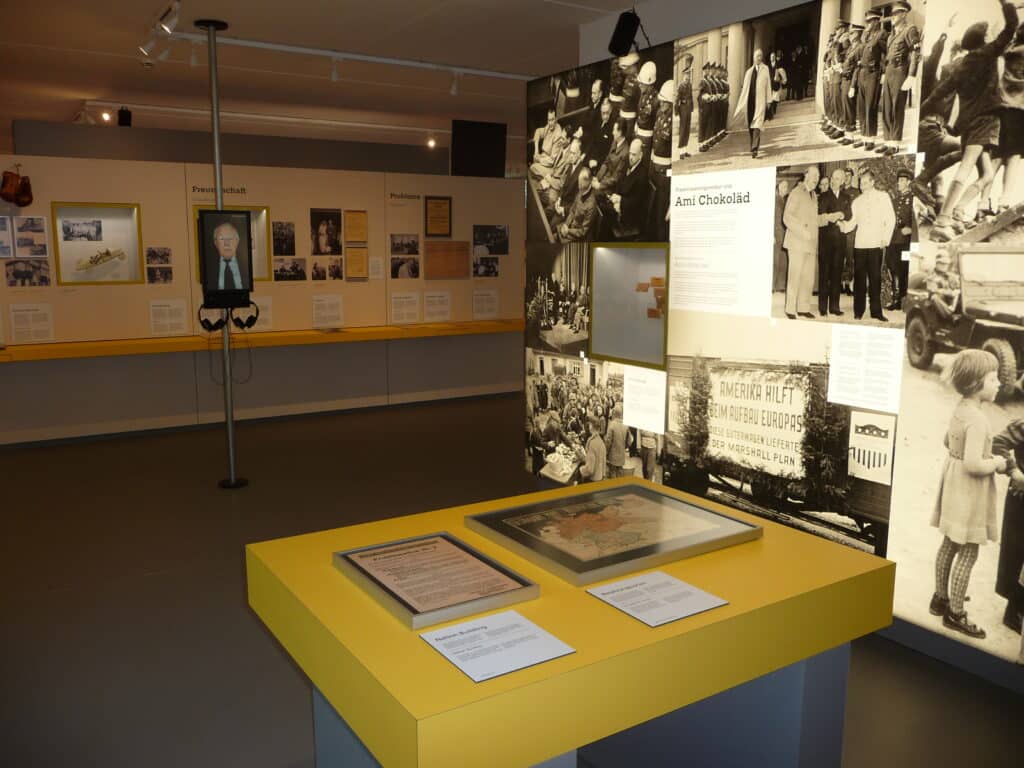
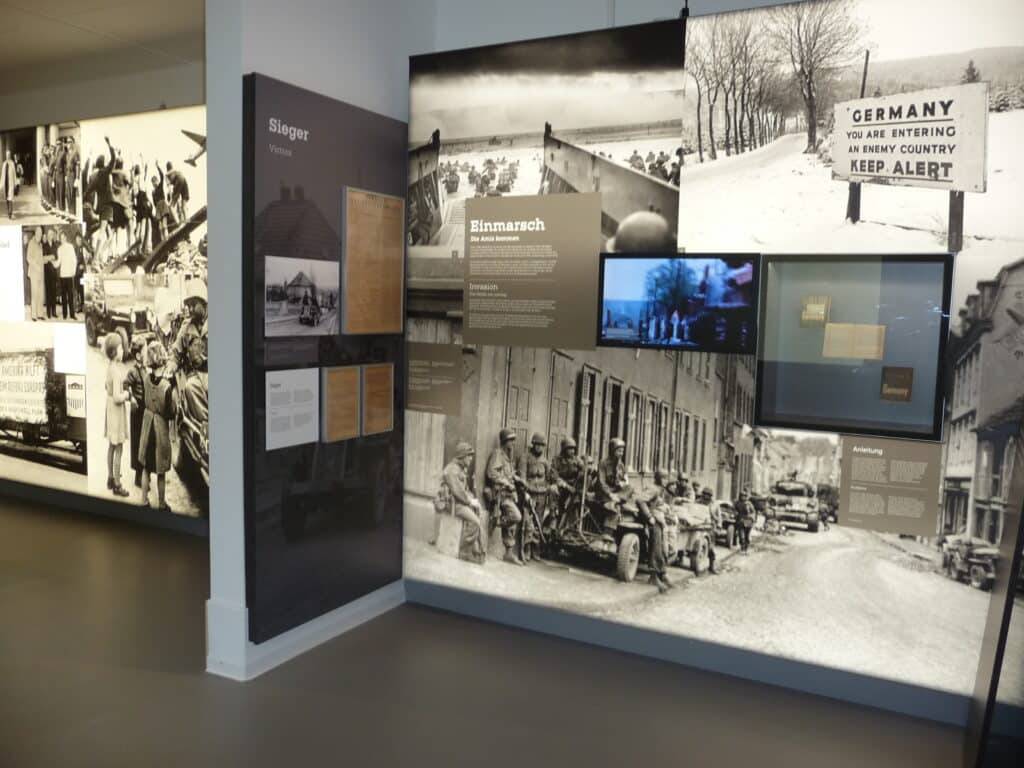
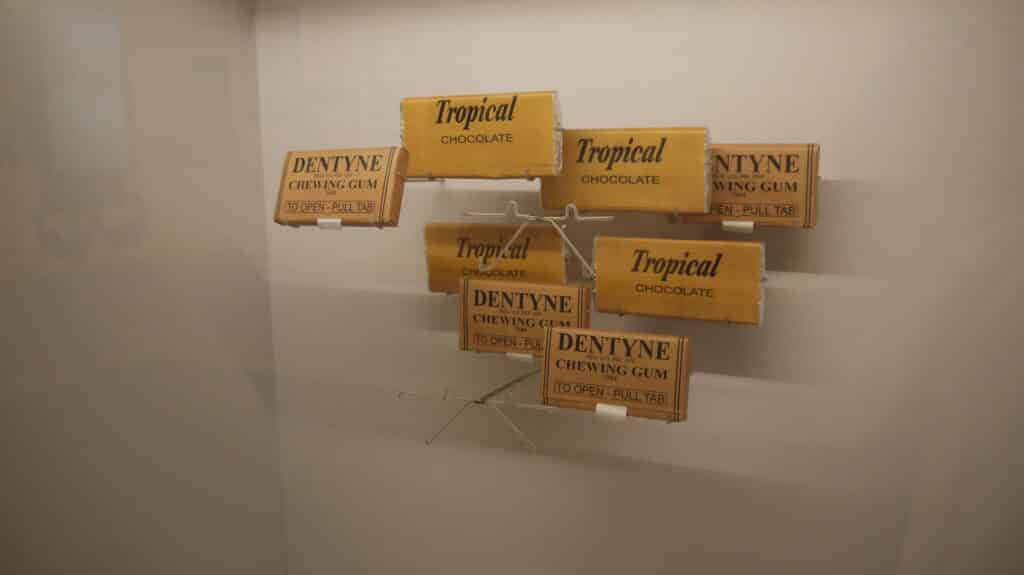
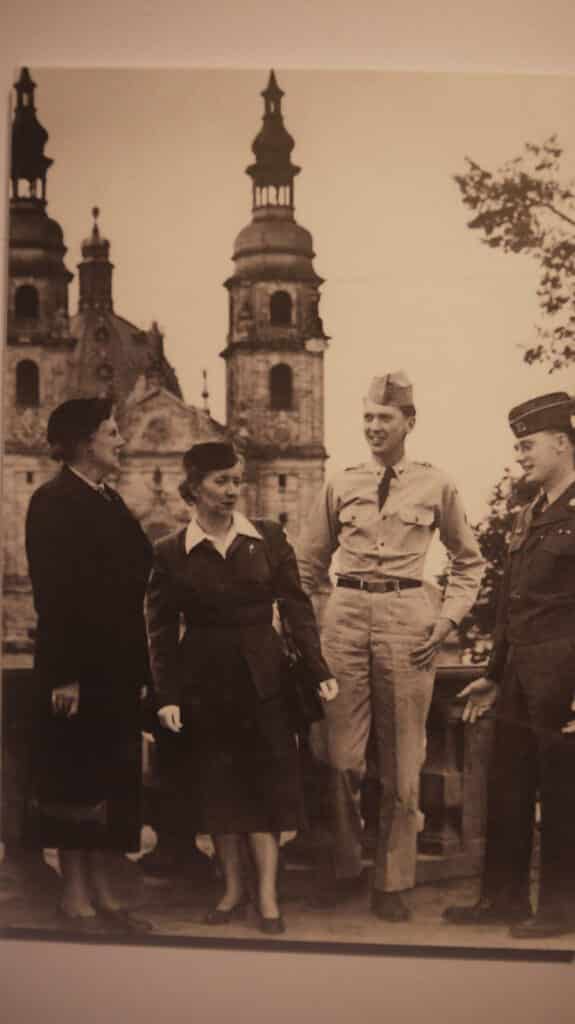
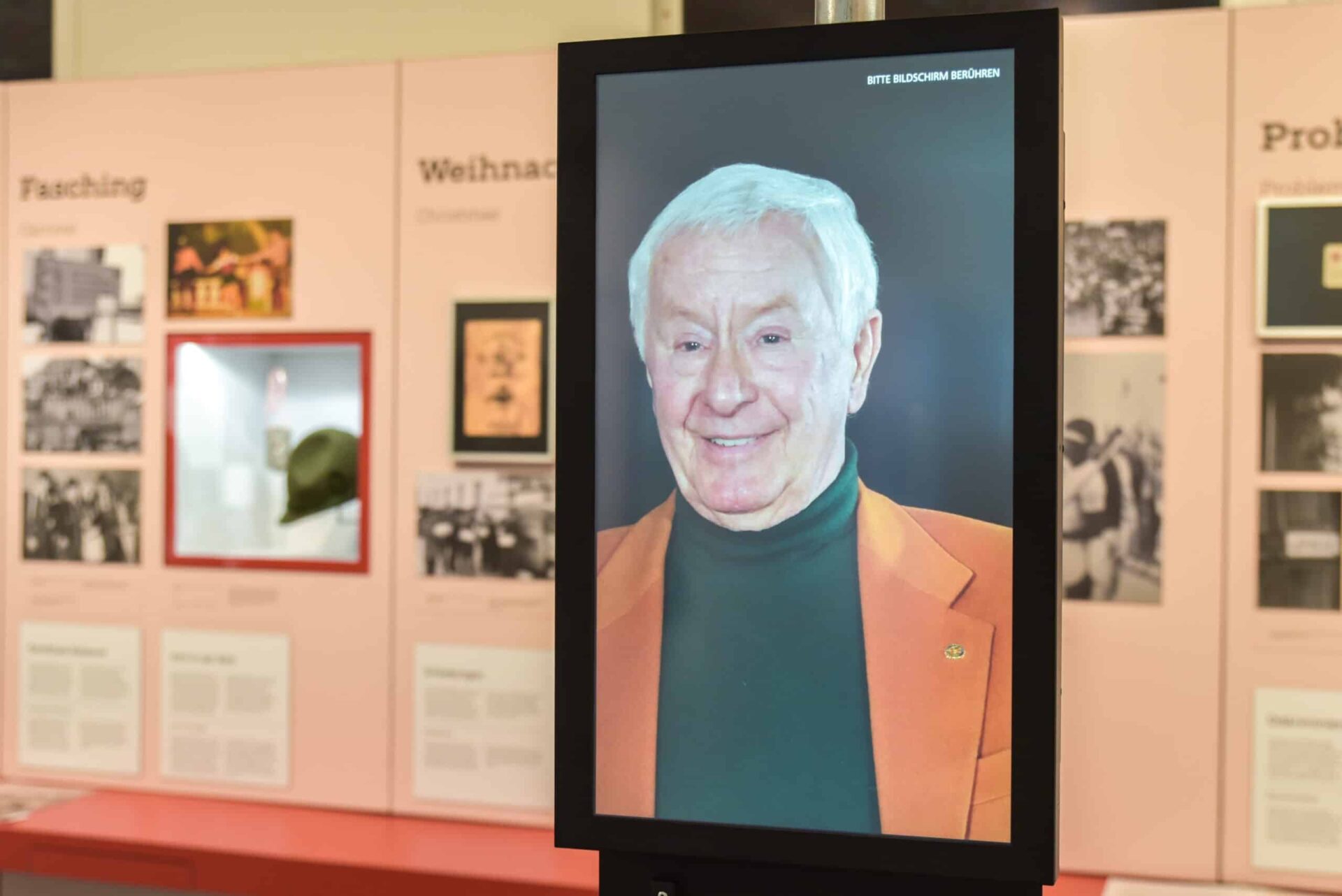
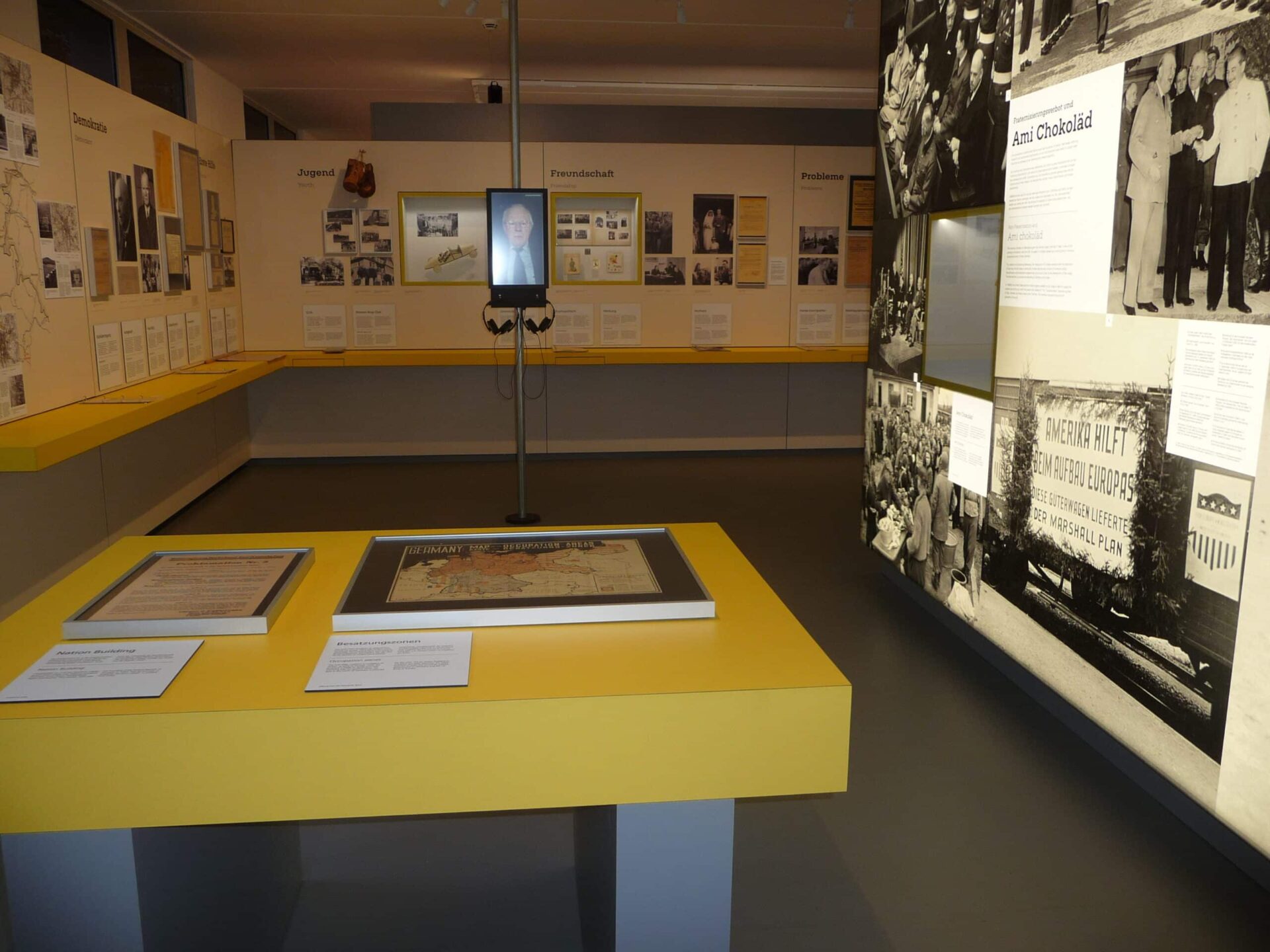
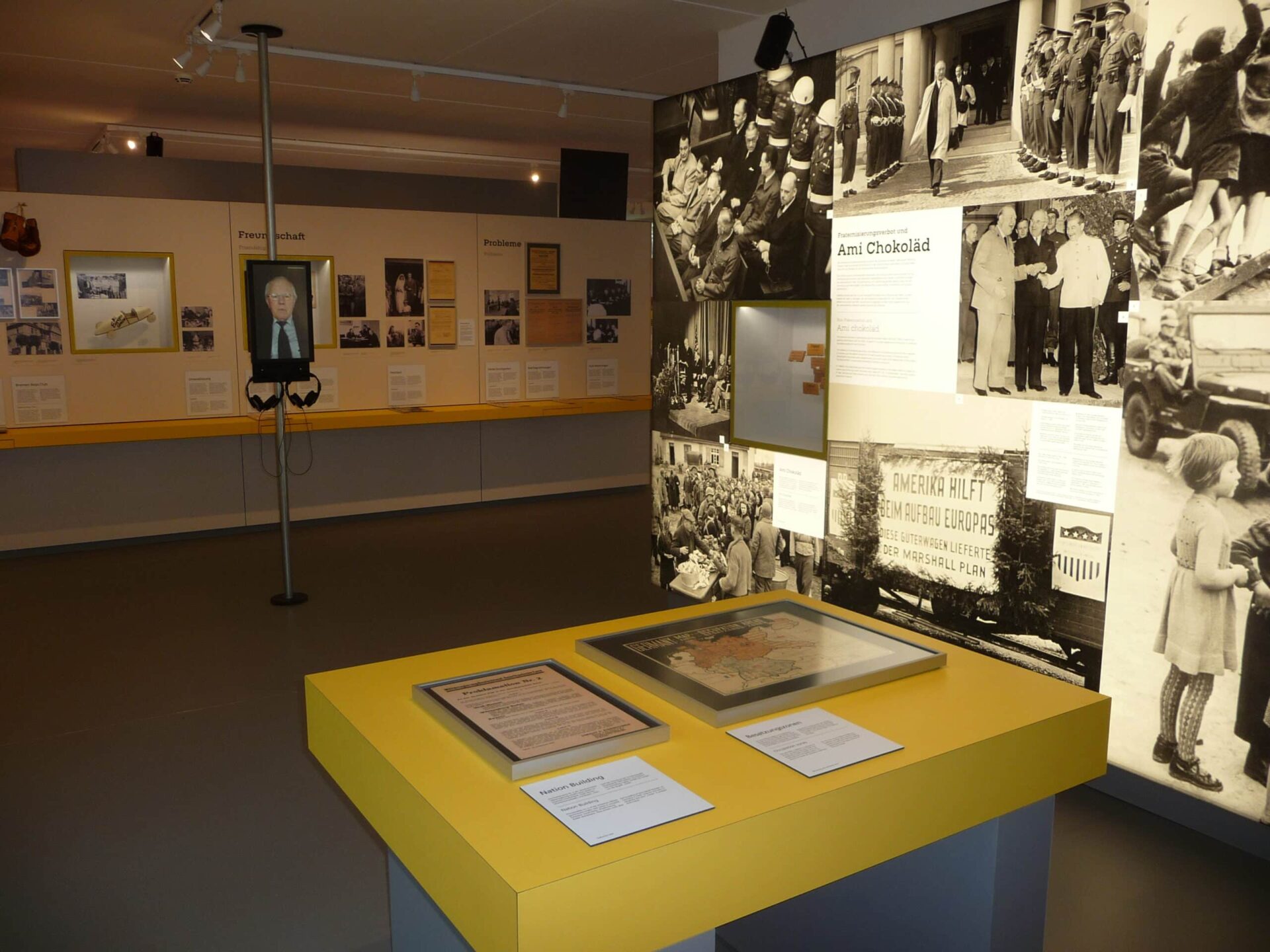
The “Everyday Life” exhibition particularly focuses on the human perspective. With modern multimedia, in the context of the Cold War the coexistence between the people in the Federal Republic and the American soldiers is presented.
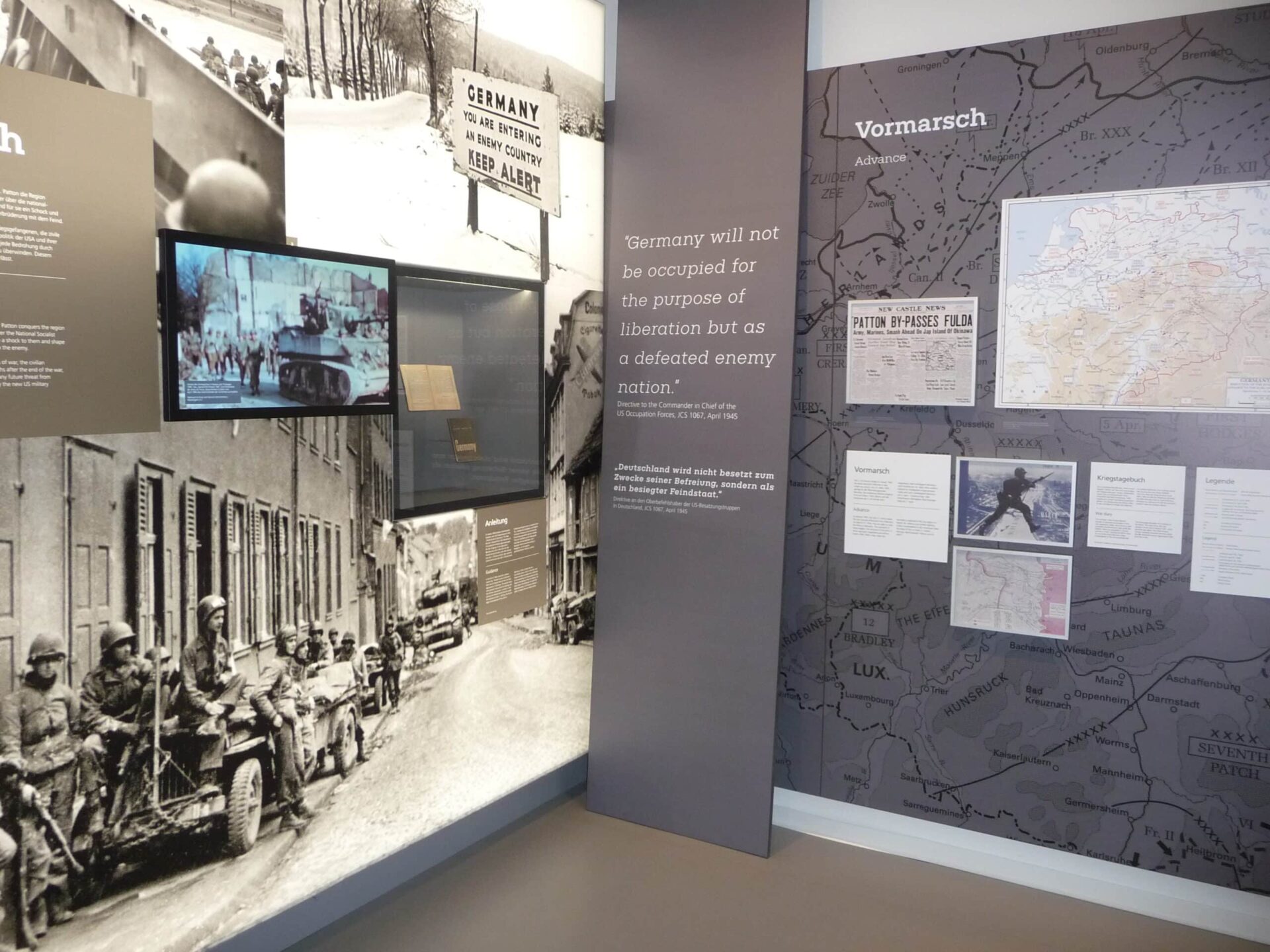
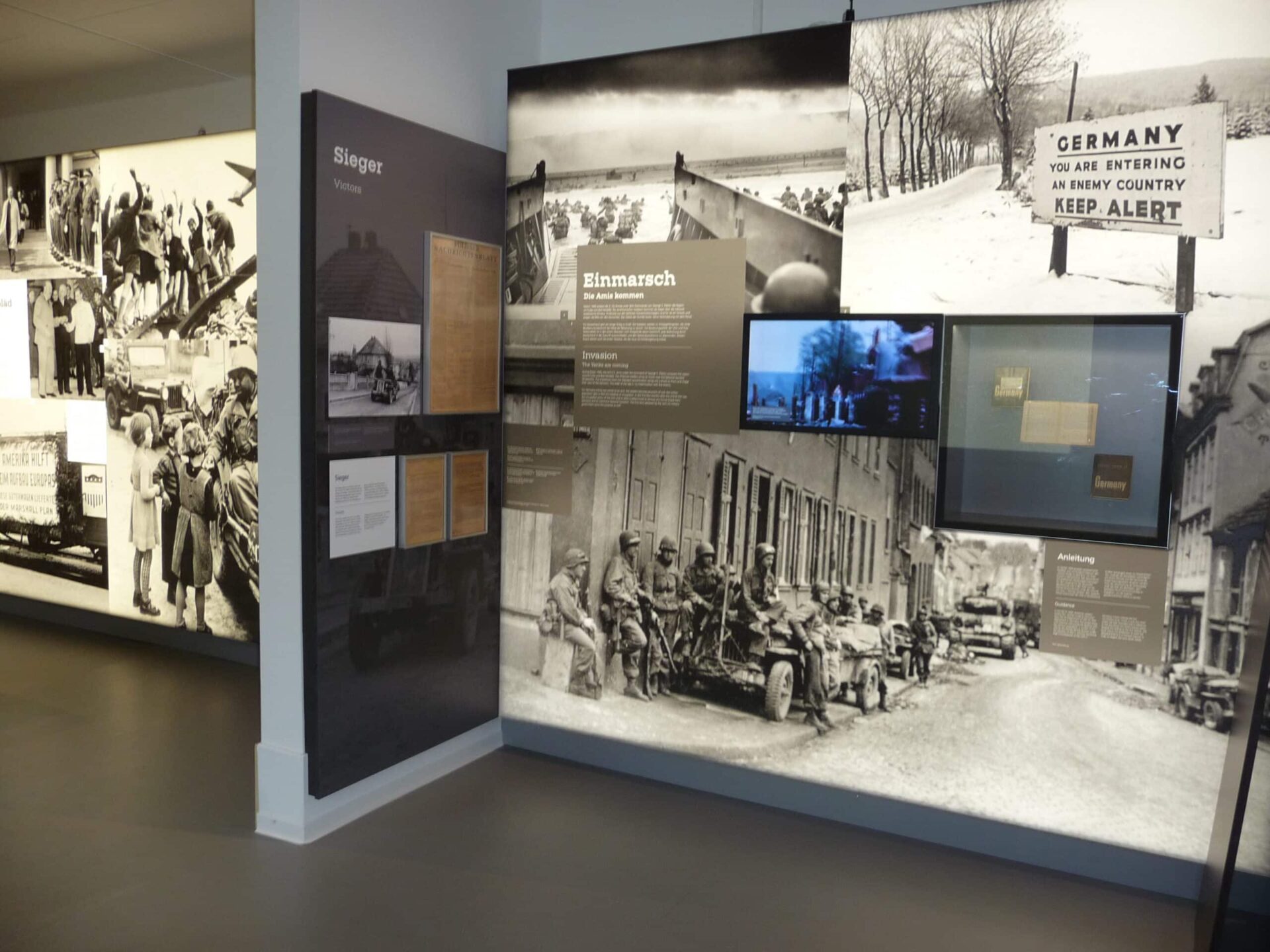
With its numerous contemporary witnesses, the exhibition vividly documents how the relationship between Americans and Germans – from occupier to partner – developed. In doing so, it succeeds in spanning an impressive arc from the past to the present. “Everyday Life” picks up on the initially unforgiving attitude of the American occupation forces toward the German population at the end of World War II. It shows how the American’s role in the Berlin Airlift changed the image of the occupying power, how the Marshall Plan was able to fuel the economic power of the young Federal Republic, but also how the presence of American soldiers influenced the life and attitudes of young people in particular.
The exhibition also engages breaks in understanding, ones triggered by the Vietnam War, a seemingly limitless rearmament race, or the role of the Eastern Hessian Region in strategic planning for a worst-case situation, World War. “Everyday Life” captures all of these facets in a particularly vivid manner.